The Secret Language of Rugs: What Your Living Room Rug Size Says About Your Energy & Style
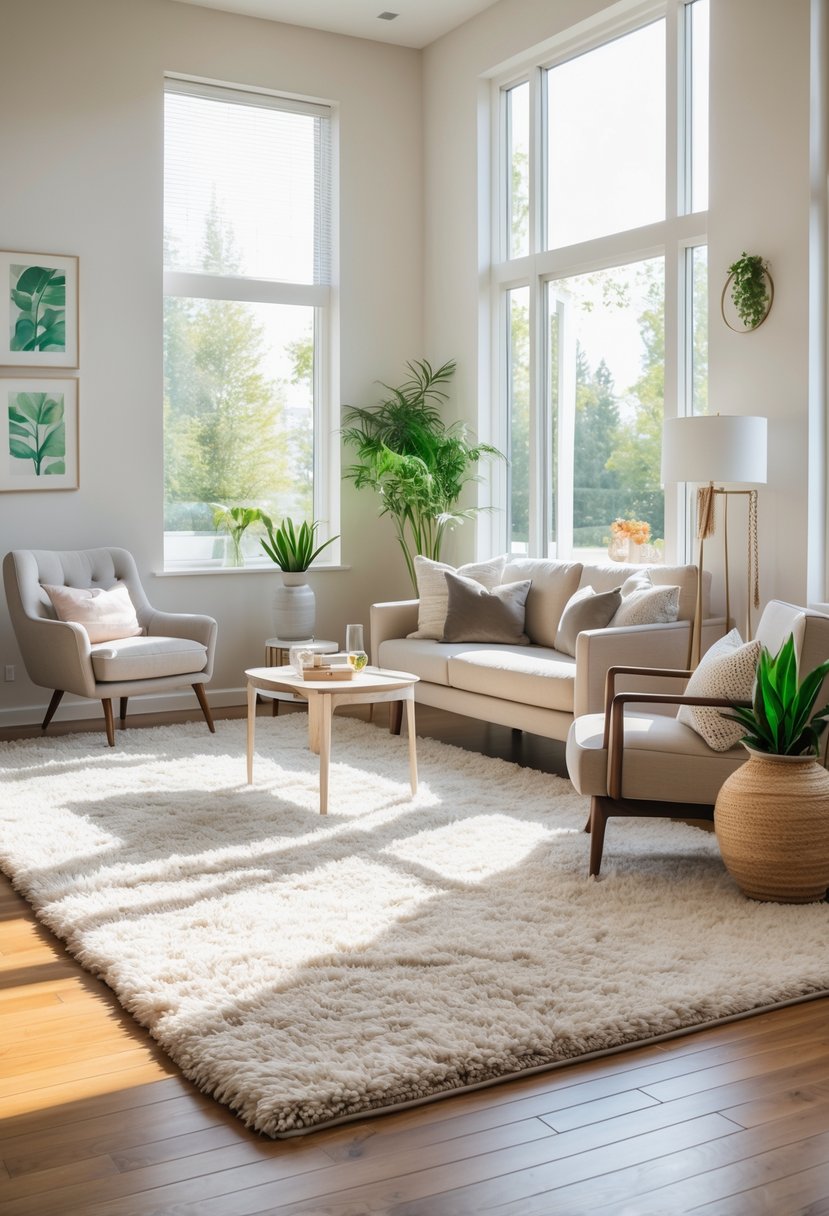
Think of your living room rug as a subtle hint about how energy drifts through your home. It’s almost like a silent witness—showing if your space feels grounded and together, or just a bit all over the place. A rug that fits your seating area with the front legs on it tends to bring a sense of calm and unity, while a rug that’s too small or awkwardly floating can give off a restless, disconnected vibe.
Let’s get into how rug size and placement actually shape energy flow, plus a few basic Feng Shui ideas you can actually use. I’ll walk you through some practical tips for picking a rug that feels right, supports harmony, and just, honestly, makes your living room feel like a place you want to hang out. Curious which sizes feel cozy, which ones make things feel frantic, and how to match function with that elusive feng shui sense? Let’s dig in.
The Connection Between Rug Size and Energy Flow:
Rug size totally changes how you move and feel in a room. The right dimensions can slow or speed up energy, anchor furniture, and carve out clear zones for living and conversation.
How Rug Size Influences Chi?
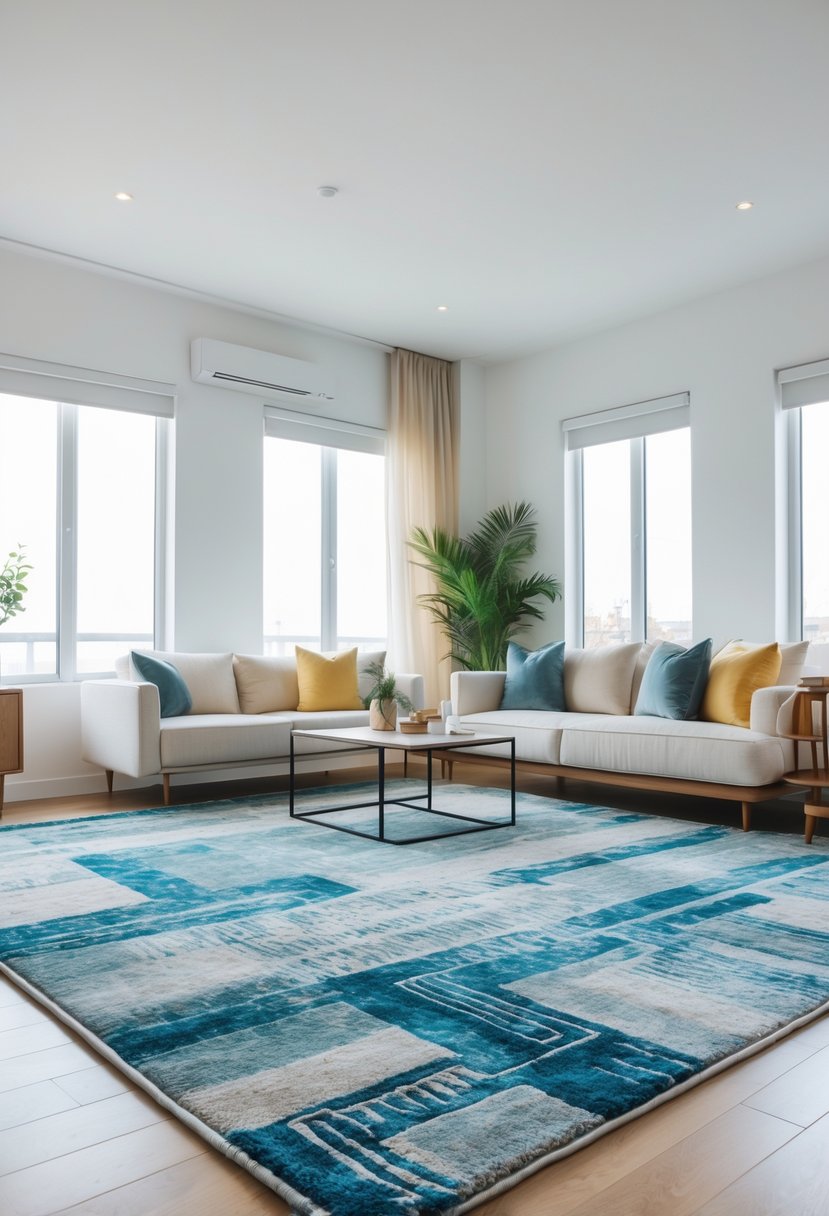
Rug size is sneaky—guiding chi by shaping where you pause and where you move. If you’ve only got a tiny rug under your coffee table, chi zips around the room, making things feel a little jumpy. But when the rug fits under your main seating, it slows everything down, gathering people and energy for a steadier, more connected feel.
Edges matter more than you’d think. If there’s a lot of bare floor between furniture, chi gets fragmented, and the space can feel a bit off. Bigger rugs pull everything together, helping energy circulate in a more positive way. And don’t forget pattern and color—soothing, low-contrast rugs keep things gentle, while bold or high-contrast designs can ramp up the activity level.
Grounding Energy With Different Rug Dimensions:
The size of your rug really changes the feel. Go big—like at least 18–24 inches past your furniture—and your rug acts like an anchor, pulling everything in and making the seating area feel rooted. It’s great for relaxed hangouts and that steady vibe you want in a living room.
Medium rugs, just under the front legs of sofas, offer a bit of both worlds: open but still connected. Handy if you want some movement but also a sense of togetherness. Small rugs? They’re fine for a reading nook or entry, but they won’t tie the whole room together. Rectangular rugs bring order; round ones soften the space and get chi moving in a circle instead of a straight line.
Balance and Harmony Through Proportions:
Proportion is everything. If your rug matches the room’s scale and furniture layout, you’ll sense harmony right away. Too small, and things feel off—almost like you can’t settle in. Too big (like, pressing up against the walls), and the room can feel weirdly flat.
Some basic ratios help: leave a border of floor around the rug—maybe 10–24 inches, depending on the space. Try to match the rug’s shape to your furniture lines for smoother energy. When the proportions feel right, chi just flows, and everyone feels more at ease, whether you’re hosting or just chilling.
Feng Shui Principles for Choosing Living Room Rugs:
Rug size, color, shape, and placement all play into how energy moves in your living room. Ideally, your choices should match the room’s elemental needs, the Bagua zones, and how you actually use the space—seating layout, traffic flow, all that stuff.
The Five Elements and Your Rug Choice:
Feng Shui’s five elements—wood, fire, earth, metal, water—are about balancing energy. Your rug can totally add or soften an element, depending on what you need.
- Wood: Go for green or teal, natural fibers, or wood-grain patterns if you want to boost growth and family energy. These work well near plants or in the east/southeast.
- Fire: Reds, oranges, or even triangles in the pattern can spark passion and reputation. But don’t overdo the reds if your room already feels warm—trust your gut.
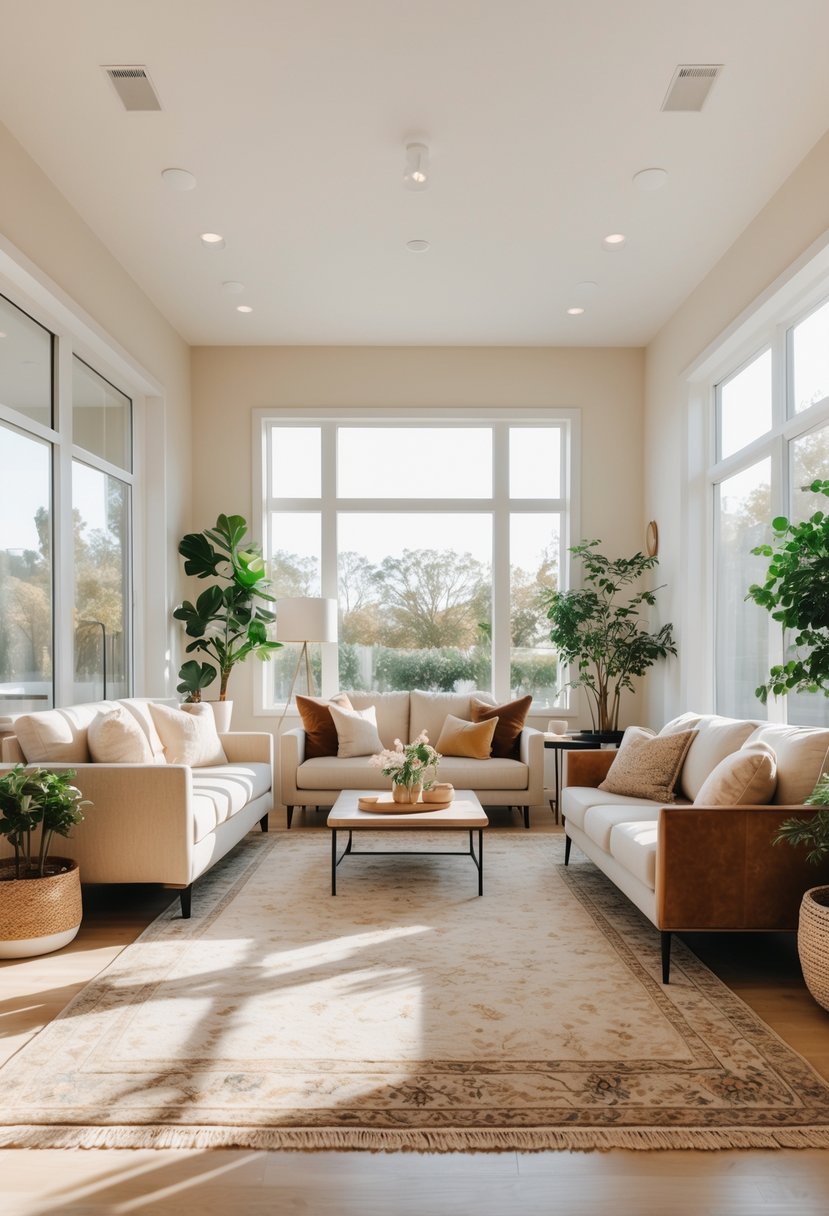
- Earth: Beige, brown, terracotta, wool, or anything textured gives stability. Perfect under seating to ground relationships.
- Metal: White, gray, or metallic threads, especially with circles or simple lines, sharpen focus. Nice near a workspace or for clarity.
- Water: Deep blue or black, or maybe a silk rug with a wavy pattern, helps with career energy—try these toward the north.
Match the rug material to your intention: silk and low-pile for water/refinement, wool and jute for earthiness. And size? Bigger is usually better for cohesion—at least the front legs of your sofa should be on the rug.
Understanding Bagua in the Living Room:
The Bagua splits your room into zones for wealth, fame, love, family, health, creativity, knowledge, career, and helpful people. Where you put your rug can actually activate these zones.
- Wealth (southeast): Green or wood-patterned rug, full-sized under main seating if you can swing it.
- Fame (south): Smaller red or orange rug near your focal seating for a little boost.
- Love (southwest): Soft pink, muted tones, or paired small rugs to encourage relationships.
- Career (north): A dark blue or black runner leading in from the entry supports work energy.
- Helpful people/travel (west/northwest): Metal-toned or silver-accented rugs for networking vibes.
Anchor your rug with the furniture in the zone you want to support. Don’t just toss a tiny rug into a busy walkway—it’ll just scatter energy. Measure your space and line up rug edges with your main furniture legs for more stable, directed energy where you need it most.
Color and Material Considerations:
Color and material are huge for energy and durability. Go for tones matching your element goal, and pick fabrics that fit your lifestyle.
- Colors: Green for wood, red/orange for fire, beige/brown for earth, white/gray for metal, blue/black for water. Muted shades chill things out; brighter hues bring more yang energy.
- Materials: Wool and jute are earthy and grounding. Silk and viscose feel watery and refined. Low-pile synthetics? Great for high-traffic family zones.
- Texture/pattern: Geometrics amp up metal/fire. Organic, flowy patterns channel water or wood. Plush textures are just cozy, honestly.
- Practical tip: Entry rugs should be tough and washable. Keep silk away from sun and stomping feet. Rug should be big enough for at least the front sofa legs, or else energy gets weird.
Test a small swatch in your actual room light before committing. Even a slight color or fiber shift can change the vibe and energy way more than you’d expect.
Rug Placement Strategies for Optimal Energy:
Pick a rug size and position that actually anchors your furniture, guides movement, and keeps things from feeling rushed. Good placement ties seating together, makes walkways obvious, and uses shape to either soften or direct the flow—depending on what you want.
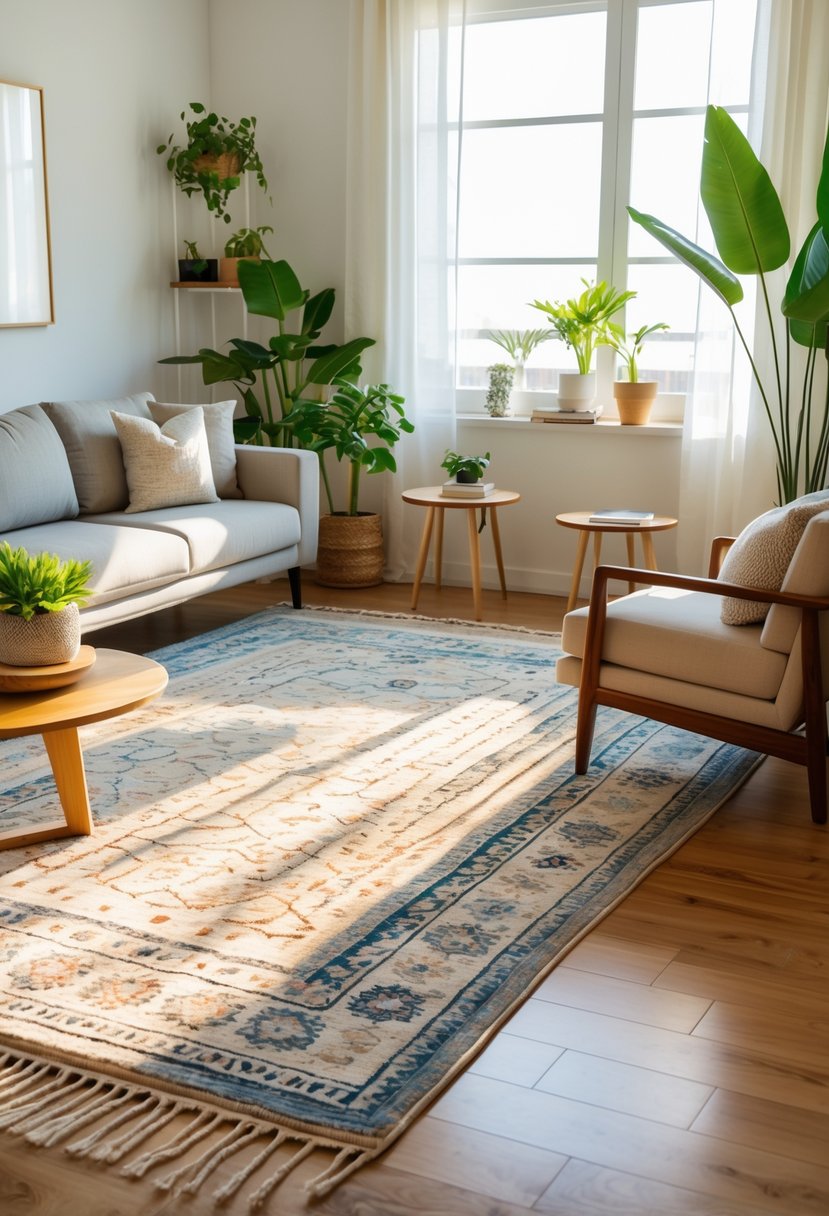
Where to Place Rugs for Chi Flow?
Best bet? Get the front legs of your main seating on the rug. This anchors the group and keeps chi steady where you hang out most. If your rug floats off by itself, energy gets scattered and the room just feels off.
Use a runner for long paths or in front of the main door to slow down fast-moving chi. Center it with the door swing and walkway—kind of like an energy filter, so arrivals feel more settled.
Leave a border of floor showing—maybe 6–18 inches from the wall—so your rug looks intentional. Skip tripping hazards: don’t block doors with thick rugs or put them where people constantly stop and start.
Rectangular vs. Square vs. Oval Rugs:
Rectangular rugs are the go-to for most living rooms and dining spaces. They line up with sofas and coffee tables, making a clear focal zone. Make sure at least the front legs of your furniture sit on the rug or it’ll look disconnected.
Square rugs? These are good in square rooms or tight seating areas. They help with symmetry and work well with a centered coffee table or sectional. Just keep the floor margins even and try to echo the room’s shape.
Oval rugs are a little more playful. They soften up boxy rooms and get rid of harsh lines. Place one under round or curved furniture, or use it to break up a long, straight room. The curves help energy flow instead of stopping abruptly at corners.
Maintaining Balance and Beauty in Interior Design:
Try to match your rug size to the room and your furniture—visual balance is everything. Too small, and the room looks scattered. Too big, and it can feel overwhelming. Measure and even tape out the size before you buy (seriously, it helps).
Think about pattern and shape, too. Soft edges and subtle patterns keep things calm; wild patterns or super-bright colors can make the space feel jittery. Practical stuff matters: runners in the kitchen, big rugs in open-plan spaces, low-pile by doors for safety.
Keep your rug’s spacing consistent for harmony. Small, even borders and lined-up furniture create a calm, purposeful look that helps energy flow and just makes the design feel more “done.”
Integrating Feng Shui Rugs in Home Decor:
Let’s wrap up by looking at how rug size, color, and placement actually change the energy and look of your space. Here’s how to pick a rug that anchors your seating, calms things down with neutrals, or boosts positive chi with a pop of color or a smart layout.
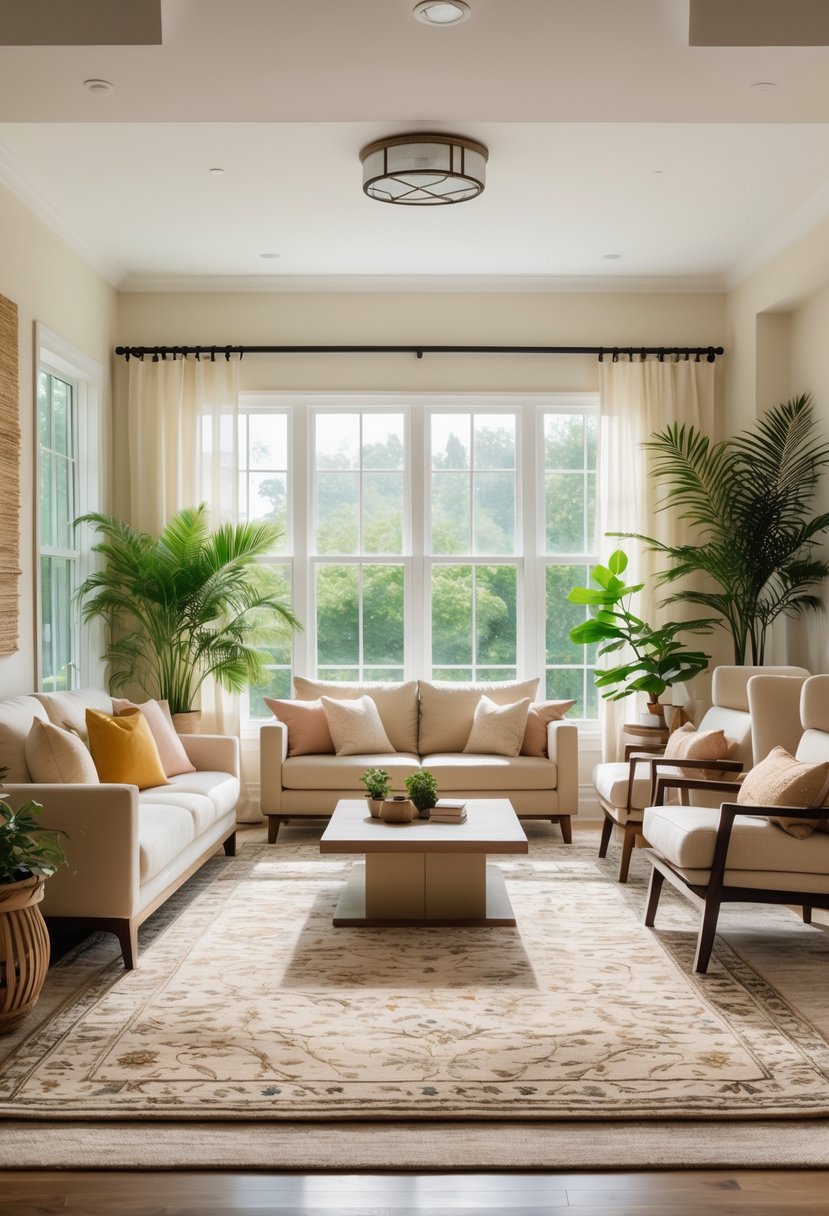
Selecting the Right Size for Each Space:
Pick a rug that fits your furniture and the way you walk through the room. In living rooms, either get a rug under the front legs of the sofa and chairs or go big enough that all the seating sits on it. For bigger rooms, leave 18–24 inches of floor between the rug and walls; in tight spaces, you can get away with less.
Always measure first—mark out the seating and door swings so you don’t end up with a rug that’s too small (which fragments the space) or too big (which can crowd things or hide cool features). Choose a size that matches how you use the room—conversation, TV, reading—so the rug actually supports your main activities.
Grounding Neutral Rugs for Tranquility:
Neutrals are underrated. Beige, soft gray, warm taupe—they anchor the room without fighting for attention. They’re perfect under patterned furniture or bold art because they let everything else shine.
Texture is just as important as color. Low-pile wool or jute gives weight and a grounded feel. Drop a neutral rug where people enter a social zone to soak up excess energy and slow things down. In bedrooms, go for even softer neutrals and plush textures to support rest and keep the vibe steady.
Enhancing Home Decor With Positive Chi:
Rug color and placement can do a surprising amount to invite positive chi into your home. Try picking rug colors that echo the room’s element—think blues for water, greens for wood, that sort of thing—to nudge the vibe in the direction you want. If your living room feels a bit chilly or you’re after more social energy, maybe go for something with red or orange in it. For focus or a bit of calm, deep blues or soft greens usually work well (though, honestly, everyone’s got their own taste).
Entryway runners lined up with the door can kind of coax energy inward, if you’re into that. Rugs should stay clean and as clutter-free as you can manage; it’s weird how a grubby, stained rug just drags the whole place down. Patterns matter too—balanced designs are easier on the eyes than those wild, single-color fields that just feel off. And if you get the size right, with a neutral base to ground everything, the right rug can really pull a room together and keep the chi moving in a good way.
Frequently Asked Questions:
Here’s a quick rundown on how rug size, placement, and color can mess with—or improve—the energy in a room. There’s also a bit about bedroom rug choices if you’re thinking Feng Shui and want things to feel balanced and calm.
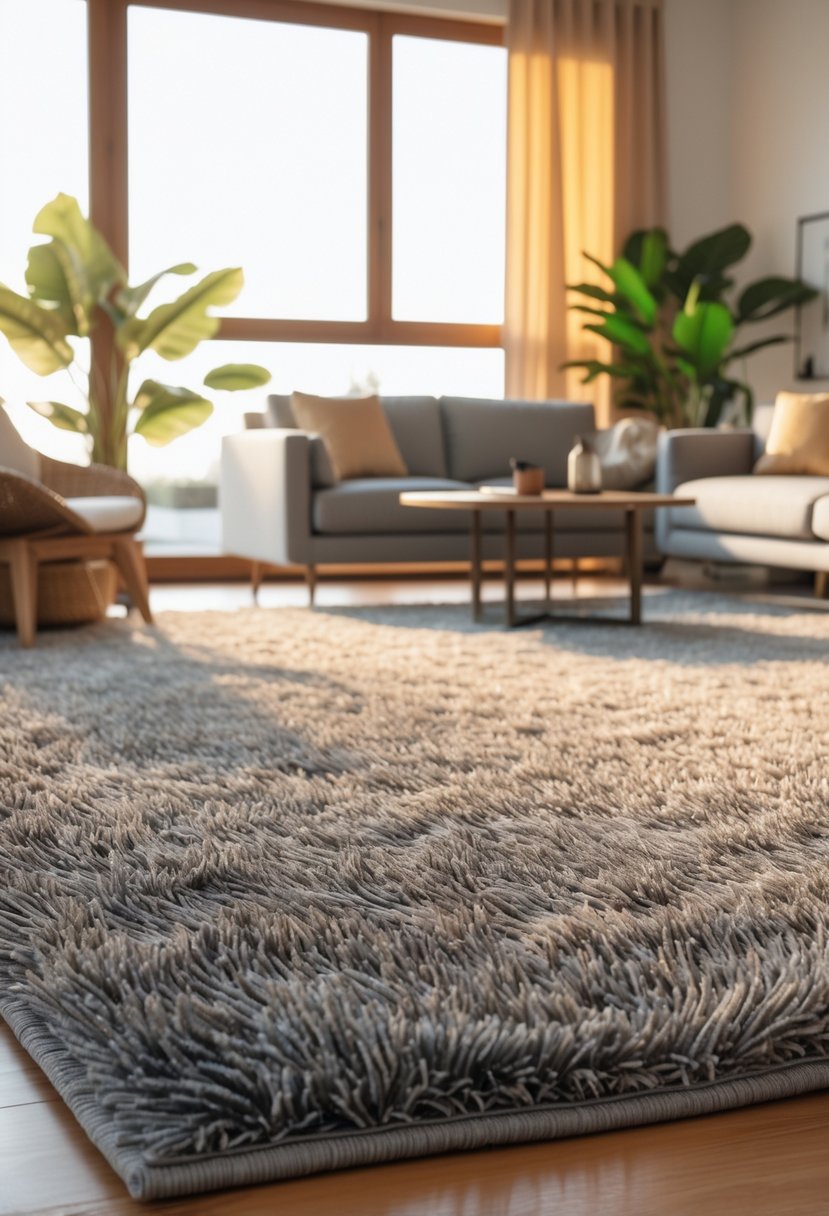
How does rug size impact the energy of a living room according to Feng Shui principles?
If your rug’s too small, the seating area can feel weirdly disconnected, and the energy just sort of fizzles out. It’s like the furniture can’t quite find its place, and the whole room loses that cozy, unified feel.
But when the rug’s big enough to let at least the front legs of your sofas and chairs sit on it, everything feels more grounded. Even better if you can leave a nice, even border of floor showing around the edges—it just frames the space and keeps things balanced.
What considerations should be taken for rug placement in a living room to maintain positive energy?
Try to anchor the seating group with the rug—ideally, all the main pieces have their front legs on it. It’s best if walkways stay open, so you’re not dodging furniture or tripping over rug corners.
Centering the rug under the coffee table usually works, and lining it up with whatever’s the main focus in the room (fireplace, TV, whatever) helps too. Just watch that the rug’s edges don’t shove furniture up against the walls or get in the way of doors swinging open.
Does the color of a living room rug influence the room’s Feng Shui?
Definitely. Soft, neutral colors have a way of calming things down and keeping the energy steady, especially if it’s a family space. If you want more warmth or sociable vibes, soft golds or terracotta are good bets; for a chill-out zone, cool blues and greens are usually the go-to.
I’d skip anything super dark or with a really busy pattern in a small room—it just gets heavy and restless, and who needs that? The trick is to pick colors that play nice with your natural light and whatever else you’ve got going on in the room, so the energy doesn’t get out of whack.
Are there specific Feng Shui guidelines for selecting a bedroom rug?
Honestly, there’s something about a soft rug in the bedroom that just feels right—it’s cozy and, according to Feng Shui, can invite more restful energy into the space. If you’re placing one, try to have it stretch out a bit past the sides and foot of the bed. That way, you’re kind of creating this gentle, nurturing zone around where you sleep.
As for style, skip those harsh geometric patterns or wild color clashes. Go for something with a soft texture and maybe stick with calming colors—think shades that make you feel like exhaling. Anything that helps the room feel peaceful and lets the energy flow smoothly is probably a good call.