Cool Down & Calm Your Kitchen: The Surprising Water Element Fix for a More Peaceful Home
Ever feel like your kitchen is a pressure cooker—literally and figuratively? You’re not just being dramatic. Overheated tap water, clouds of steam, or a faucet that’s always a little too warm can make meal prep way less pleasant and even risky. Turns out, the water heater—especially its thermostat, heating element, or parts clogged with sediment—often sits at the root of the problem. The good news? A few straightforward tweaks usually bring back comfort.
Fixing or adjusting the water heater’s thermostat or heating element usually stops kitchen water from feeling too hot and calms the whole space. This article digs into why kitchens can get overheated, highlights the common heater faults that mess with kitchen comfort, and offers real fixes (and when to swap out old parts) so things stay cooler—and, hopefully, everyone gets along better.
Understanding Why Kitchens Feel Excessively Hot:
Kitchens can feel like saunas for a few pretty obvious reasons: hot water pouring out of the tap, steam from cooking, and just plain bad airflow. All that heat isn’t just uncomfortable—it can actually change how people interact in the space.
Water Heater Temperature and Room Comfort:
Cranking the water heater above 120°F? That’s asking for trouble. Hotter water means more steam when you’re doing dishes or cooking. If you’ve got the dial at 140°F or higher, even a quick rinse can blast out water that’s way too hot, and the extra humidity just hangs in the air. It makes the whole kitchen feel muggy and heavy—kind of gross, honestly.
And if your water heater is sitting in (or right next to) the kitchen, it’s probably radiating heat into the room, too. Electric tanks give off warmth from their access panels, and gas units leak a bit of combustion heat. It’s not a huge amount, but it’s enough to nudge the kitchen temperature up, especially in smaller spaces.
Impact of Scalding Hot Water on Kitchen Dynamics:
Scalding water isn’t just a safety issue—it can totally change how people act in the kitchen. Water hotter than 120°F can cause burns fast, and at 140°F, you really don’t want your hand under the tap. People start avoiding the sink, rushing through handwashing, or getting into spats about what’s “safe” when everyone needs hot water at once.
All that extra steam from super-hot water doesn’t help, either. Even if the air temp only bumps up a bit, the humidity makes it feel worse. Plus, if your fixtures and mixing valves are getting blasted by really hot water over and over, they can wear out quicker, leading to those annoying temperature swings at the faucet that nobody likes.
Thermostat Settings and Household Tension:
If the heater thermostat’s set too high, people start noticing weird hot water issues and, let’s be honest, often blame each other or the appliance. Accidentally leaving it set at 140–150°F? That’s a recipe for sudden scalds and a lot of griping. Electric heaters with two thermostats (upper and lower) have to match—if one isn’t tight to the tank, it can throw everything off even if the dial looks right.
Honestly, just dialing it down to 120°F, checking both thermostats, or tossing in a tempering valve can make a big difference. Marking the control with actual temperatures and keeping a thermometer handy at the tap means people can settle the “is it too hot?” debate with facts, not feelings.
Key Hot Water Heater Issues Influencing Kitchen Atmosphere:
Small glitches inside your water heater can totally change how the kitchen feels—and how people act. Issues with temperature control, mineral gunk, or safety valves can all mess with water temperature, pressure, and even noise, which, let’s face it, can make daily routines a bit more stressful.
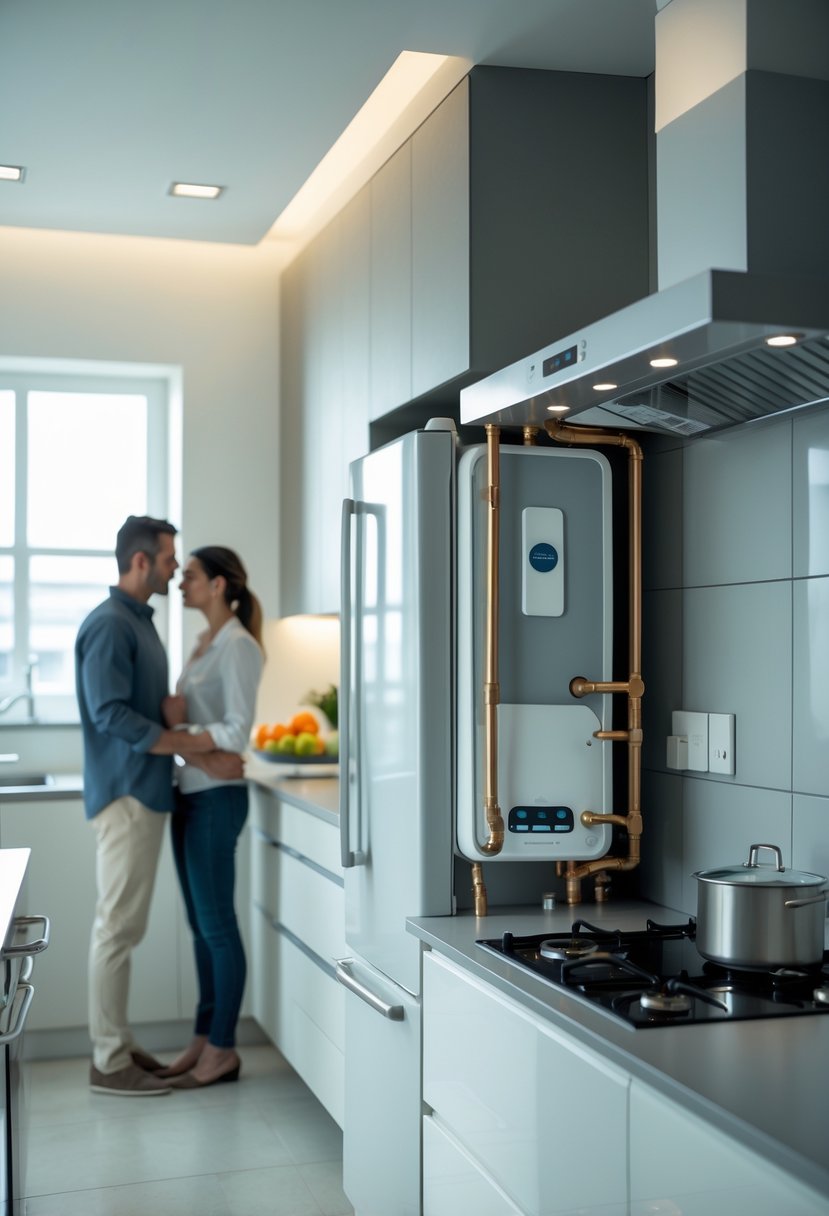
Faulty Thermostat Effects on Temperature Control:
A busted thermostat might let things run way too hot or not hot enough. If it’s misreading the tank temperature, the heating elements can stay on longer than needed, making the tap water uncomfortably warm—especially near the sink when you’re washing up.
When the thermostat goes haywire, the water temperature can be all over the place—scalding one minute, lukewarm the next. That unpredictability leads to people snapping at each other about who left the tap too hot. Checking the settings (120°F is the sweet spot) and testing with a thermometer usually does the trick. If not, it’s probably time to swap out the thermostat or call someone who can.
Sediment Buildup and Its Role in Overheating:
Mineral sediment from hard water settles at the bottom of tank heaters. That gunk insulates the heating elements, making the unit run longer and sometimes overheat the water near the elements—so every now and then, you get a blast of water that’s way too hot.
Besides making the tank noisy (think popping or rumbling), sediment buildup can shorten the life of your elements and shrink your hot water supply. Flushing the tank once a year or using a water softener really helps. Honestly, just getting rid of that buildup makes heating more even and the kitchen a lot more comfortable.
Damaged or Blocked Pressure Relief Valve Risks:
If the pressure relief valve (PRV) is jammed or corroded, pressure and temperature can spike inside the tank. That can mean scalding water at the faucet or, worse, leaks and little bursts of steam—nobody wants that.
A stuck or leaky PRV also causes annoying drips around the heater and can drop hot water pressure at the kitchen sink. It’s smart to test the valve by lifting its lever to see if water flows out properly. Swapping out a bad PRV is a quick fix that keeps things safe and prevents those nasty temperature surges.
Proven Water Element Fixes for a Cooler, Calmer Kitchen:
Here are some fixes that actually work: focus on the thermostat, keep sediment under control, and check the pressure relief valve. Each of these targets the usual suspects behind overheating, weird noises, and pressure issues that mess with kitchen comfort and appliance safety.
Adjusting and Calibrating Your Water Heater Thermostat:
First things first: shut off the power at the breaker (nobody wants a shock). Pop off the access panel and insulation to get to the thermostat. Use a good thermometer at the tap and compare to what the thermostat says.
If the water’s hotter than 120°F (49°C), nudge the thermostat down in 5°F steps, testing each time. Dual-element heaters? Adjust the upper thermostat first—the lower usually follows along. Jot down the original settings, just in case you need to backtrack.
If fiddling with the thermostat doesn’t change anything, it’s probably shot. At that point, replacing it or calling in a pro makes sense. Getting this right helps avoid burns, cuts down on arguments, and can even save a bit on the energy bill.
Flushing and Preventing Sediment Buildup:
Drain and flush the tank at least once a year to clear out mineral crud. Turn off the power, hook up a garden hose to the drain valve, crack open a hot tap, and let a few gallons run out until it’s clear.
If there’s a lot of buildup, open the drain and run some cold water into the tank to stir things up. If flushing doesn’t do the trick or the element looks crusty or damaged, swap it out and test with a multimeter as part of the repair.
To keep sediment from coming back, think about a whole-house filter or softener if your water’s hard. Keeping a maintenance log—yeah, even just jotting down flush dates—can help spot issues before they get serious.
Pressure Relief Valve Testing and Replacement:
Test the T&P valve every six months or so. Stick a bucket under the discharge pipe, lift the lever briefly, and see if you get a good, strong stream that stops when you let go.
If it dribbles, sticks, or leaks after testing, swap it out right away. A busted T&P valve can cause dangerous pressure or leaks near the element, so don’t wait. Make sure you buy the right valve for your tank’s specs.
When installing a new one, drain enough water to drop the level below the valve, wrench out the old one, wrap the new threads with plumber’s tape, and tighten it up. Only restore power and water after double-checking for leaks and making sure it works like it should.
When to Replace Components for Optimal Kitchen Comfort:
Honestly, a lot of kitchen comfort comes down to tiny water heater parts doing their job. Swapping out a worn part before it fails keeps water temps steady and avoids those surprise cold showers or weird tank noises.
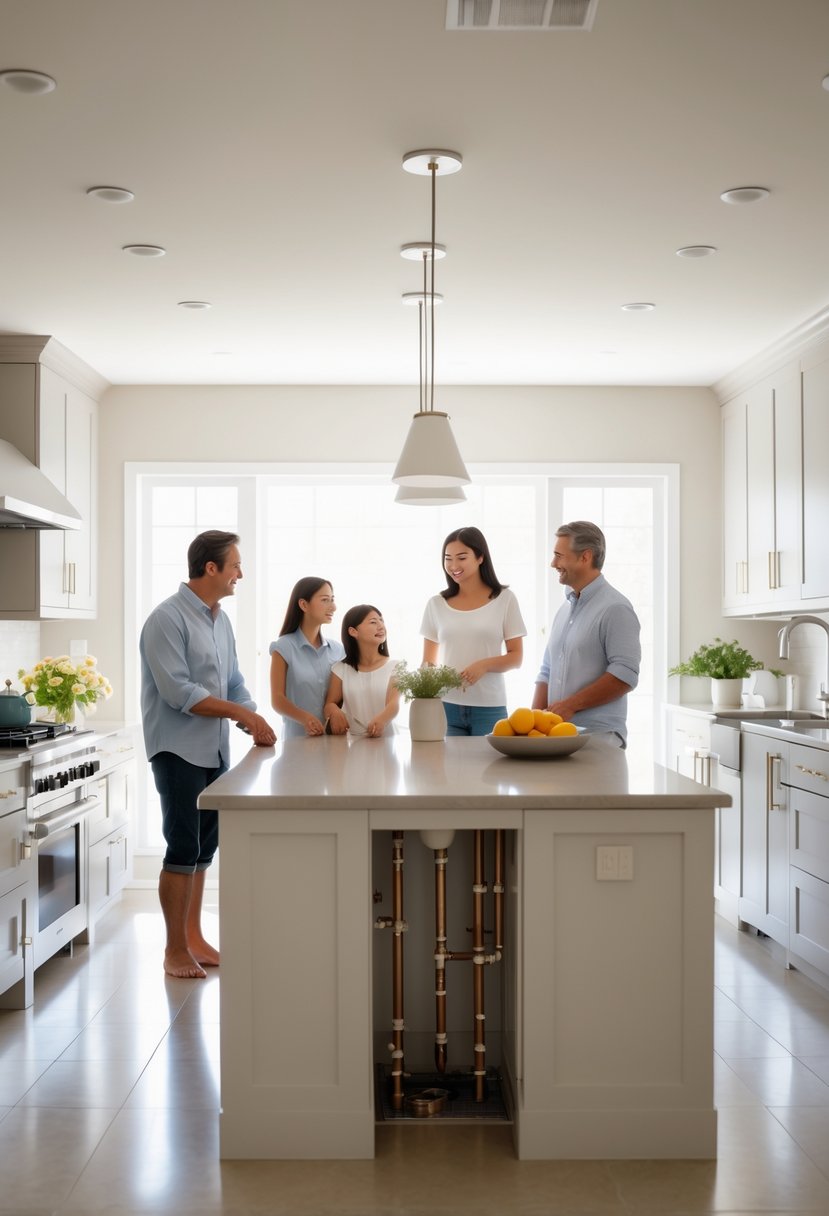
Identifying a Faulty Heating Element:
If your electric water heater isn’t putting out much heat (or none at all), chances are the heating element’s toast. Grab a multimeter set to ohms—normal is usually somewhere between 10–16 ohms. If you get zero or infinity, the element’s dead and needs replacing.
Also, check for a short to ground: touch one terminal and the tank with the probes. If you get a reading, the element’s shot and could trip the breaker. Take a look for obvious damage—blistering, rust, cracked casing—when you’ve got the access panel open. If it looks bad or fails the tests, just replace it.
Recognizing the Signs of No Hot Water:
No hot water? Could be a burnt-out element, a tripped breaker, or a bad thermostat. In a two-element tank, if one’s gone, you might get a little hot water that runs out fast. If both are dead, you’re out of luck.
Double-check the breaker, then test each element. If the water’s reheating slowly, the taps are lukewarm, or one faucet’s hot while another isn’t, you’re probably dealing with a single failed element. No continuity or a short to the tank means it’s time for a new one.
Benefits of Timely Water Heater Repairs:
Swapping out a bad element right away brings back steady hot water and usually helps with the energy bill. A broken element makes the rest of the system work harder, so fixing it can actually save money.
Getting repairs done before things get worse also means fewer leaks or tank issues from sediment building up around a failing element. It’s way better than dealing with an emergency or having to replace the whole heater. For most folks, changing out a single element is quick, affordable, and keeps everything running smoothly.
Frequently Asked Questions:
Got questions? Here’s where you’ll find practical steps for changing your water heater’s temperature, the usual reasons for sudden hot-water swings, and clear signs your water’s set too hot. These are the kind of checks and fixes any homeowner can try—no special skills required.
How can I adjust the temperature of my hot water heater?
If you’ve got an electric water heater, start by flipping the circuit breaker—safety first. Pop off the access panel, peel back the insulation, and look for the thermostat dial. If it’s cranked up past 120°F (49°C), dial it down. Then just put everything back and restore power. Not exactly rocket science, but don’t skip steps.
With a gas heater, it’s a bit different. You’ll want to turn the gas control knob or use the temperature dial—usually right on the front. If you’re not sure what to pick, “Hot” or around 120°F is a good bet. Give it an hour, then run the tap and see how it feels. Sometimes you have to tweak it a couple times.
Now, if you can’t get to the thermostat, or the water temperature just refuses to budge no matter what you try, it’s probably time to shut off the power or gas and call in a technician. Could be you need a new thermostat or control—annoying, but not the end of the world.
What are the possible reasons for fluctuating hot water temperatures?
Sometimes, a thermostat just goes haywire—it might stick or get confused about the actual tank temperature, so you end up with water that’s scalding or barely warm. Electric heaters can also have heating elements that give out or short, which throws everything off.
Ever heard that weird rumbling in the tank? That’s often sediment building up, which acts like a blanket over the heating element. The top of the tank can get super hot while the thermostat thinks it’s still cold. And if the dip tube breaks, cold water can sneak in and mix with the hot, so you get those annoying temperature swings at the tap.
Gas heaters have their own quirks. If the gas valve or thermocouple is on the fritz, the burner might run too long or just shut off for no good reason. And honestly, if everyone in the house is showering while the dishwasher’s running, you’re bound to notice some short-term drops in temperature. It’s just how these things go sometimes.
How do I know if my water heater’s temperature is set too high?
If your hot water feels scalding or you’re worried it could actually hurt someone, chances are the setting’s cranked up too high. Honestly, you want it around 120°F (49°C); anything above 125–130°F can burn you way faster than you’d think.
You can grab a regular cooking thermometer and check the water at a hot tap—just make sure the heater’s had time to recover first. If you’re consistently getting readings much higher than 120°F even after turning the dial down, it might be time to suspect the thermostat or control is on the fritz and consider replacing it.