Finding Imperfect Serenity: Your Guide to a Wabi-Sabi Bathroom with Japandi Soul
Maybe you’re craving a bathroom that feels calm, honest, and a little bit lived-in. This piece dives into how Wabi-Sabi and Japandi mix—think clean lines, natural materials, and a sense of purpose without chasing perfection. You’ll pick up some practical ideas for using weathered wood, soft plaster, muted tones, and those delightfully imperfect fixtures that help turn a bathroom into a quiet, functional sanctuary.
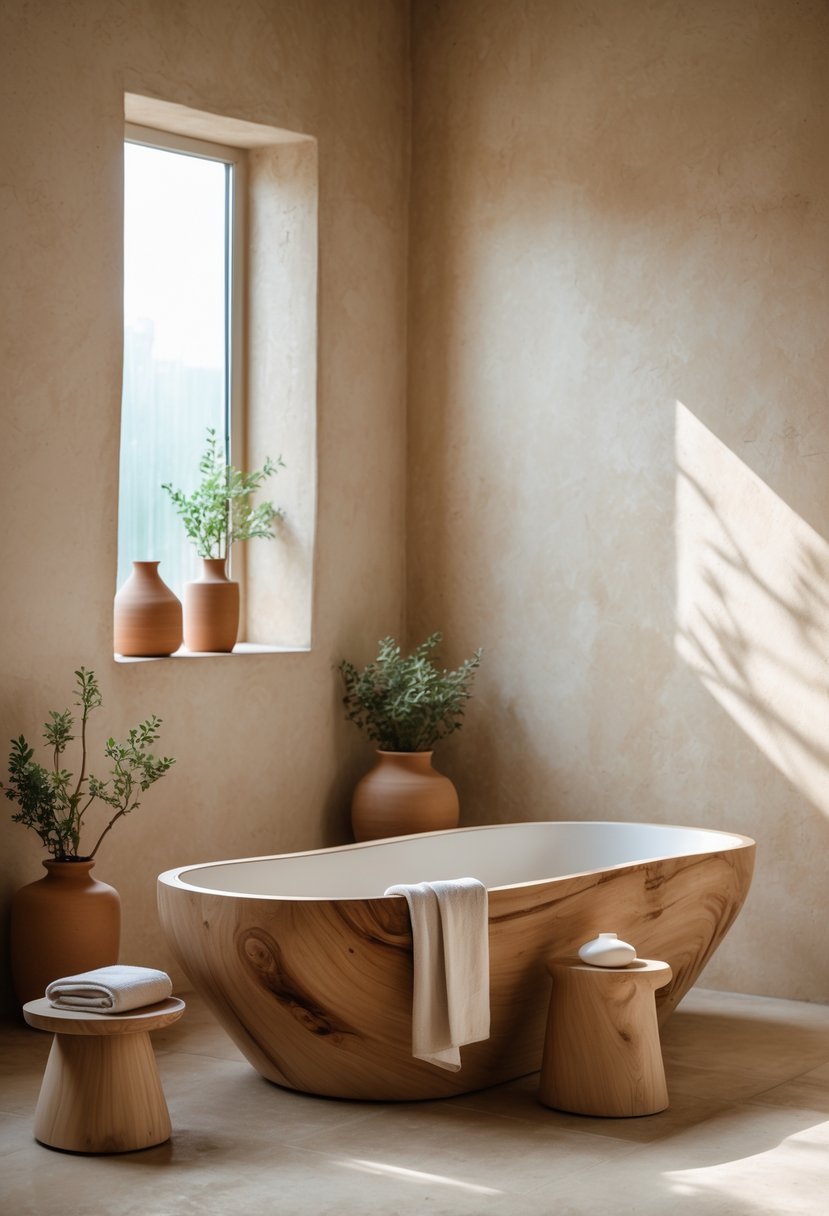
We’ll get into the core principles behind these choices, how to pick out textures and materials, and which signature elements really make a serene Wabi-Sabi bathroom tick. Expect some straightforward tips on storage, lighting, and those little imperfect details that add warmth and personality without making things feel messy.
Core Principles of Wabi-Sabi and Japandi Design:
Let’s talk basics: honest materials, quiet layouts, and mindful little choices shape a bathroom that’s both calming and authentic. It’s about textures, storage, color, and form—making even a small space feel both practical and soothing.
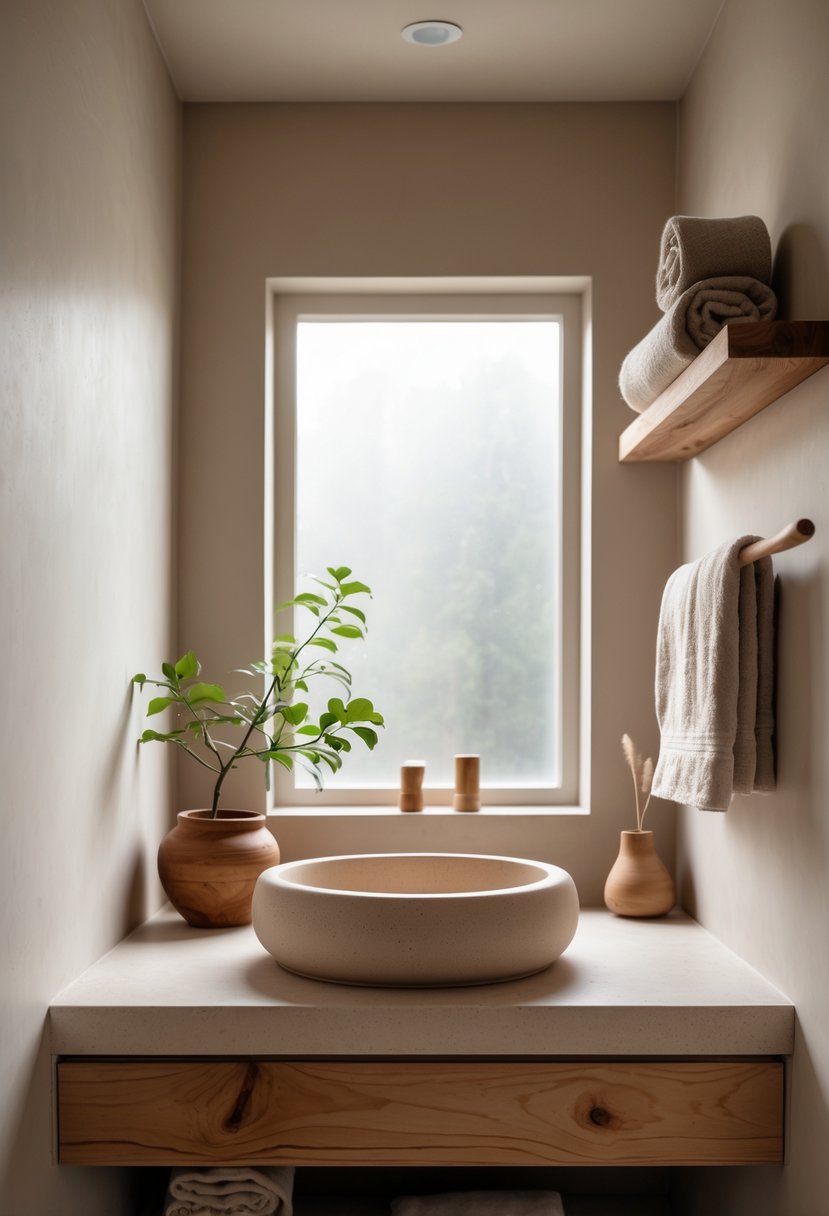
Embracing Imperfection in Bathroom Spaces:
Materials that tell a story—unglazed ceramics, hand-finished stone sinks, timber with visible grain—get the spotlight here. Those tiny chips, uneven glazes, and a bit of patina? They’re not flaws, they’re features that make the room feel warm and real.
Fixtures steer clear of high shine. Matte black or brushed metal hardware, softly variegated tiles—they keep things easy on the eyes and highlight the materials’ quirks. Towels and mats in natural fibers, maybe with a bit of irregular weave, reinforce the imperfect vibe.
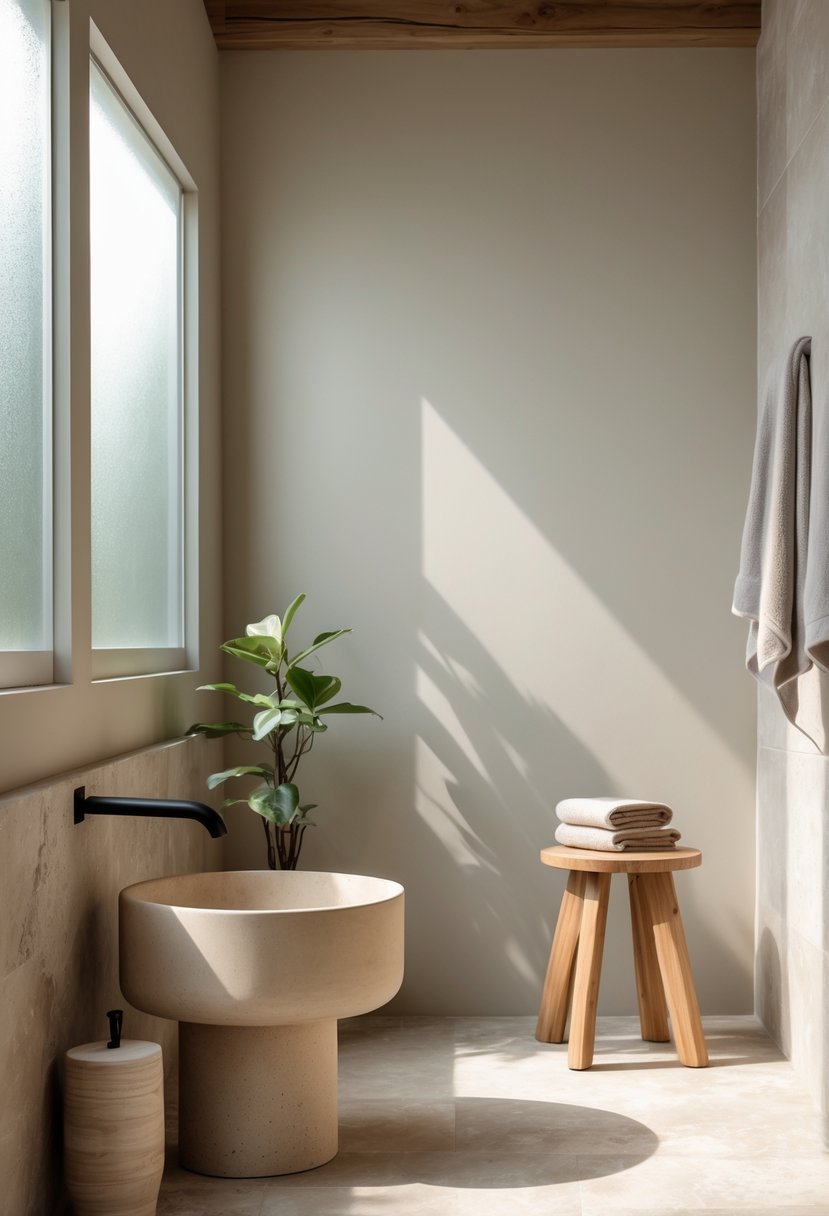
Plumbing and storage stay unfussy. Open shelves with linen stacks, a single carved tray for soap, maybe a wooden stool—these small touches embrace a little bit of “curated clutter.” It’s okay if things shift around or show some wear; that’s the point, honestly.
The Essence of Minimalism and Simplicity:
Japandi minimalism? It’s about cutting the excess while keeping what really works. Clean lines—like a floating vanity, recessed niches, wall-hung toilets—make the space feel bigger and more peaceful.
Color palettes are soft and quiet: think gentle whites, warm beiges, muted greens, slate grays. When you keep the palette simple, texture stands out, so veined stone or rough plaster feels like a design choice, not a mistake. Storage is practical—baskets, hidden drawers, one spot for everything—so surfaces stay mostly clear.
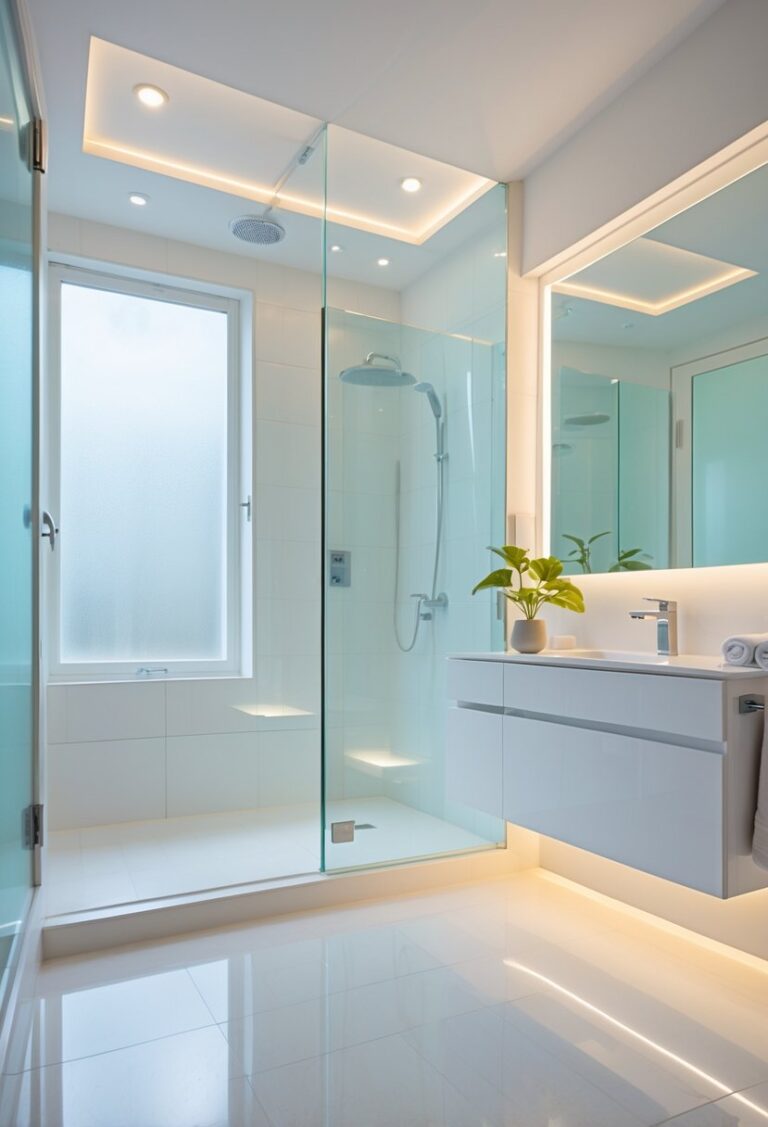
Lighting? It’s all about layers—diffused mirrors, low wall sconces, maybe a skylight for that indirect daylight. The result is forgiving, even light that flatters texture and helps you actually relax.
Japandi Fusion: Japanese Meets Scandinavian Influences
Japandi is where Japanese restraint gets cozy with Scandinavian comfort. Japanese design brings in impermanence and natural materials, while Scandinavian style adds warmth, function, and brightness. Together, they create a Wabi-Sabi & Japandi blend that just works for modern bathrooms.
Designers often mix slim Scandinavian furniture with Japanese joinery. Maybe a wooden bench sits by a deep soaking tub, or a compact vanity made from birch or oak keeps storage tight but useful. Plants—bamboo, a little fern—add a dash of life without cluttering things up.
Practicality matters: durable finishes, easy-clean grout, water-safe wood treatments. The end result? A Japandi bathroom that’s pared back, tactile, and quietly human—never fussy.
Designing with Natural Materials and Textures:
Let’s get into the nitty-gritty: stone, wood, plaster, and muted colors are your best friends for a calm, lived-in bathroom. Picking out pieces that age well and add tactile variety—without clashing—makes all the difference.

Stone Sinks and Basins: Focal Points of Imperfection:
Stone basins act as anchors, bringing an organic feel to the room. Go for a chunky stone basin or a carved sink with visible veins and pits; those so-called imperfections are what make it interesting. A freestanding stone sink on an open shelf just begs to be touched.
Installations should allow for a bit of color variation and patina. Use a stone sealer to protect against stains but still let the surface breathe. Pair with matte brass or gunmetal fixtures for a rough, antique contrast that pops.
Put the stone basin somewhere it’ll get noticed—maybe in view from the door or beside the tub. Leave open shelving underneath to show off its base and balance the heaviness with lighter textiles or baskets.
Reclaimed Wood and Raw Edges in Vanities:
Reclaimed wood vanities just ooze warmth and character. Look for pieces with raw edges or uneven planks—they nail the Wabi-Sabi look. Knotty grain, nail holes, a bit of worn paint—they all help dodge that sterile, cookie-cutter vibe.
But hey, make sure it’s sturdy—reinforce boards if needed and finish with oil or wax, not a thick varnish. Open shelves or cutaway drawers show off the wood’s texture and keep things feeling honest and functional.
Pair your vanity with simple hardware—brushed bronze or blackened pulls let the wood shine. A low, wide vanity draws attention to the grain and works nicely with pebble floors or stone tiles nearby.
Textured Plaster Walls and Stone Tiles:
Textured plaster—like Venetian or lime—adds depth and subtle irregularity. Keep layers thin, sand lightly, and let those natural variations show through. Plaster works especially well behind mirrors or around tubs where soft light can play up the texture.
Stone tiles on floors or in the shower bring tactile contrast. Go for tiles with uneven edges or slight color shifts—think pebble or slate-look—to keep things grounded. The combo of plaster and stone, with grout that matches the palette, keeps the look calm and lets texture do the talking. Skip high-gloss sealers; matte finishes feel more organic.
Earthy Tones and Neutral Color Palettes:
Earthy, neutral colors pull everything together and keep things chill. Off-white, taupe, gentle greys, muted browns—these let textures stand out and keep the visual noise down. You’ll notice the patina on metal and wood a lot more this way.
Layering’s key: taupe plaster walls, warm wood vanities, cool stone basins. Toss in some linen shower curtains or off-white towels for a bit of softness. Small accents—gunmetal, aged brass—add contrast and will only look better as they age.
Signature Elements for a Serene Wabi-Sabi Bathroom:
What really makes a Wabi-Sabi bathroom? Natural materials, pared-back storage, and gentle light. It’s all about tactile surfaces, unfussy fixtures, and a handful of objects that show their age and handcraft.
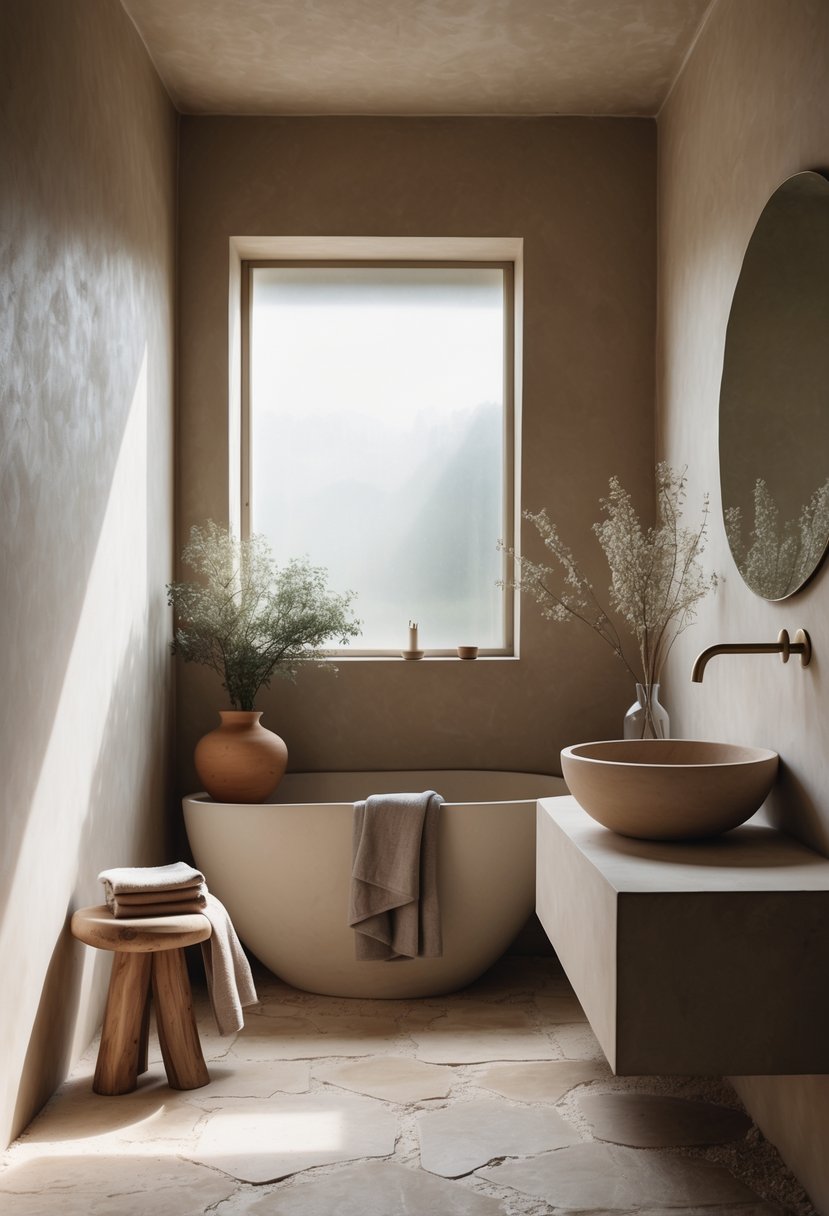
Open Shelving and Minimal Decor:
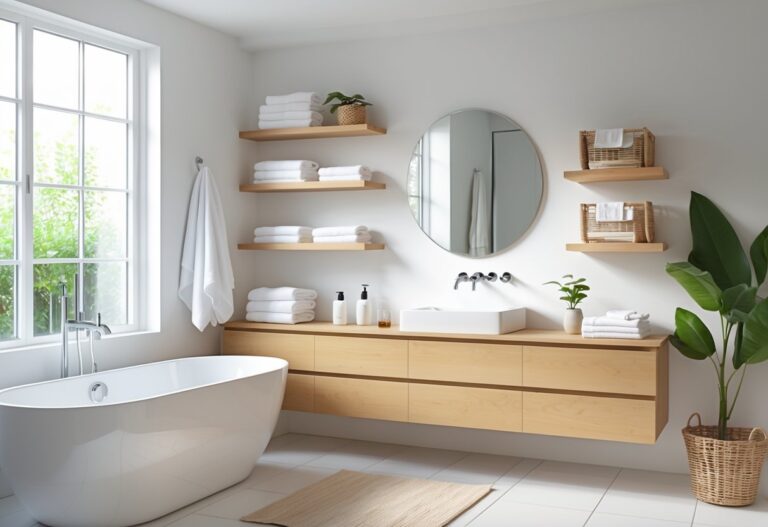
Open shelves keep daily stuff within reach and encourage you not to overdo it. Maybe just a reclaimed-wood shelf or a slim floating vanity for folded linens, a wooden stool, a stack of stone soap dishes. Stick to the essentials: one soap dish, one jar for cotton pads, one hand towel per shelf—no need for more.
Baskets or ceramic trays corral toiletries and hide any mess. Skip the lineup of matching bottles; instead, show off a few well-loved glass or clay containers that only get cooler with time. Mirrors? Keep them simple—one unframed or a small leaning mirror keeps things calm and avoids reflecting clutter.
Bathtubs: Freestanding, Sculptural, and Soaking Tubs
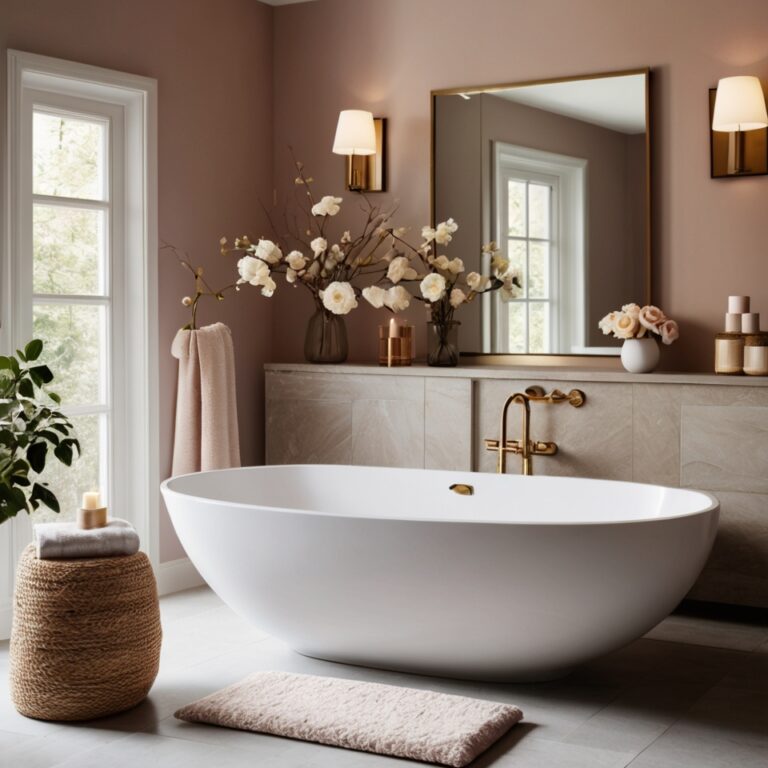
The tub’s the star. Pick a deep soaking tub—wood, black stone, or matte stone—whatever fits your space. Freestanding tubs with sculptural lines work best; they feel more like furniture and practically beg you to take a long soak.
Put the tub near a window or some natural texture, with a wooden stool or teak bath tray nearby. If space is tight, try a compact freestanding sink and floating vanities to keep things open. Focus on tactile finishes: worn stone, brushed concrete, hand-formed clay—stuff that’ll only look better as it ages.
Lighting: Low, Soft, and Paper Lantern Sconces
Soft, low lighting turns the bathroom into more of a retreat. Layer things up: dimmable overheads, low-power recessed LEDs, paper lantern sconces for that warm, cozy glow. Sconces by mirrors or the tub help avoid harsh shadows and really let the textures shine.
Stick to warm bulbs (2700K–3000K) and maybe throw in a candle or two for a flicker now and then. Fixtures should stay simple—rice-paper shades, matte metal, wood accents that fit the palette. Skip the bright task lights; gentle pools of light are where it’s at.
Imperfect Details and Finishing Touches:
It’s those small, intentional imperfections that give a bathroom its soul. Go for finishes and objects that’ll age well, mix up the textures, and let every piece have its own reason for being there.
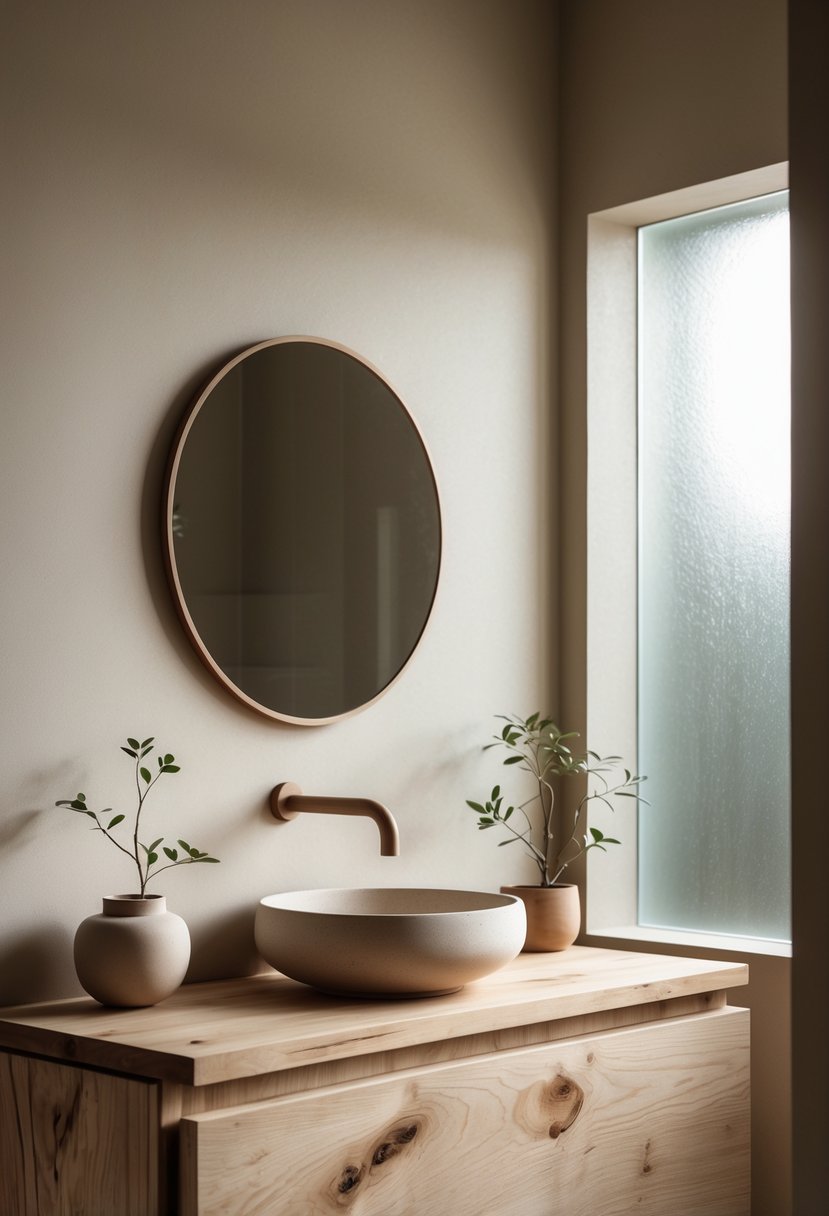
Brass and Vintage Fixtures with Patina:
Pair aged brass fixtures with modern fittings for a nice bridge between old and new. Unlacquered brass faucets and showerheads pick up a warm patina over time—so solid brass is worth it. For a bit of contrast, mix in some matte black taps next to brass pulls.
Vintage finds—like a reclaimed brass towel bar or a weathered mirror frame—fit right in, as long as they work. Tighten valves, swap out old washers, keep a spare cartridge handy. Even a brass soap dish or a ceramic bowl with a brass rim can add authenticity without making the sink area feel crowded.
And don’t worry about a few marks. A nicked finish or worn paint on a repurposed vanity just adds to the story. As long as the plumbing’s solid, a little visible wear is part of the charm.
Irregular Tiles, Stone Floors, and Textured Accessories:
Irregularly shaped tiles and rough stone basins add a tactile dimension underfoot and at the sink—there’s just something about those uneven edges. Try ceramic tiles with a handmade vibe for your backsplash, and maybe pair them with a pebble stone shower floor or a strip of river rock for better grip and drainage. Seal any porous stone, but steer clear of glossy finishes if you want that raw, unpolished look to stick around.
When it comes to basins, soapstone, honed granite, or even a hand-carved piece with natural pits do the trick. They’re forgiving with water spots and actually look better as they age. Don’t be afraid to mix up tile sizes, and pick grout in earthy greys or sandy tones—it hides the messiness and plays up the texture.
Layer in some texture with a jute rug near the vanity or a handmade soap dish at the sink. These softer, touchable details keep things from feeling too hard-edged, and if they get stained, well, they’re easy enough to swap out.
Natural Storage and Organic Decor Accents:
Storage should feel like it came together over time, not straight out of a catalog. Maybe try a repurposed dresser with mismatched drawers as your vanity, or open shelves made from reclaimed wood for towels and toiletries. Tuck things into woven baskets or stack up a few ceramic bowls for cotton pads and other small stuff.
Pick planters that fit the vibe: a clay pot for a fern, a chunky stone vessel for bamboo, or just a slim vase for pampas grass. Keep decor pared back—a single handmade ceramic vase, maybe a framed frameless mirror above the sink, and just one jute rug on the floor. No need to overdo it.
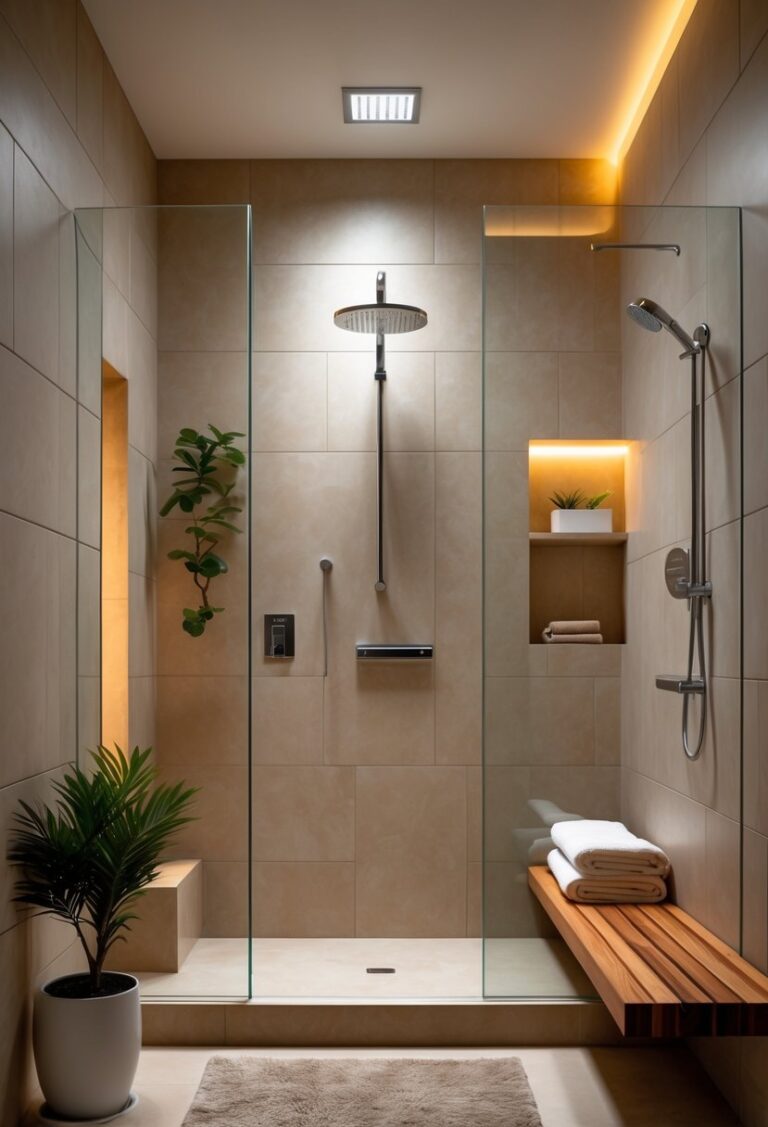
On the practical side, recessed niches for soap and shampoo are a lifesaver, and floating shelves help keep the floor clear. Hand-thrown ceramics and a wooden soap dish are those little touches that actually get better with use—and you don’t have to baby them.
Frequently Asked Questions:
Okay, let’s get into the nitty-gritty of how to actually pull off a calm Japandi bathroom with a bit of Wabi-Sabi. Here you’ll find some real-world tips on materials, design moves, and how to keep things minimal but still warm and inviting.
What are the key elements to include in a Japandi-inspired bathroom?
Stick with a neutral palette—soft whites, cozy beiges, muted grays—to set a relaxed mood. Mix in clean-lined Scandinavian fixtures with simple Japanese shapes, like a low vanity or a frameless mirror. It’s all about balance, not fuss.
Bring in natural wood (oak, ash, teak—whatever feels right) for vanities, shelves, or even a bath stool. Storage should be open and unfussy: a single shelf, a couple of woven baskets, maybe some hidden drawers if you need them. Less is definitely more here.
Choose fittings that are simple and practical—matte black or aged brass hardware, wall-mounted faucets, and if you’ve got the room, a freestanding tub. Don’t forget a plant or two—something low-maintenance like a snake plant adds life without taking over.
What materials are most suitable for achieving a Wabi-Sabi-inspired bathroom atmosphere?
Go for textured plaster or lime-washed walls—those soft, slightly uneven surfaces just age better. Raw or reclaimed wood with a clear, water-resistant finish brings warmth and lets the grain show through, which is kind of the point.
For stone, think honed granite, slate, or tumbled travertine for counters, basins, or floors. You want that organic variation and a matte finish. Hand-glazed or slightly imperfect ceramic tiles work great for backsplashes or showers if you want a bit of color depth.
Textiles matter too: linen shower curtains, cotton towels, maybe a wool or jute bath mat. For fixtures, try aged brass, patinated copper, or just about anything with a matte, lived-in look. Embrace a little wear and tear—it’s part of the charm.
What are some practical tips for maintaining a serene and minimalist Japandi bathroom?
Keep the countertop super simple—just the basics like soap, a toothbrush holder, maybe a small tray or dish if you really need it. Anything extra? Tuck it away in labeled baskets or stash it in closed drawers. That way, the space actually feels minimalist, not just looks it.
After using the bathroom, it helps to wipe down wet surfaces and open a window or turn on the fan so you don’t end up with mold or ugly water stains on wood or plaster. Stick to gentle, pH-neutral cleaners for stone and wood—harsh stuff just ruins surfaces over time, and honestly, who wants that?
Try swapping out decorative pieces now and then—one simple ceramic vase or a small wooden bowl is plenty. It’s wild how a tiny change can keep things from feeling stale, without turning into clutter. Oh, and take a peek at your sealed wood and stone each year; if they’re looking a little thirsty, it’s probably time to refresh the water-resistant finish.