Beyond Smooth: Why Textured Tiles Are the Secret Star of Stylish Bathrooms
Ever wondered if textured tiles actually make a difference in a bathroom? They really do—bringing depth, a bit of tactile intrigue, and a modern feel that doesn’t require gutting the whole space. It’s kind of amazing how much they can freshen things up with so little effort.
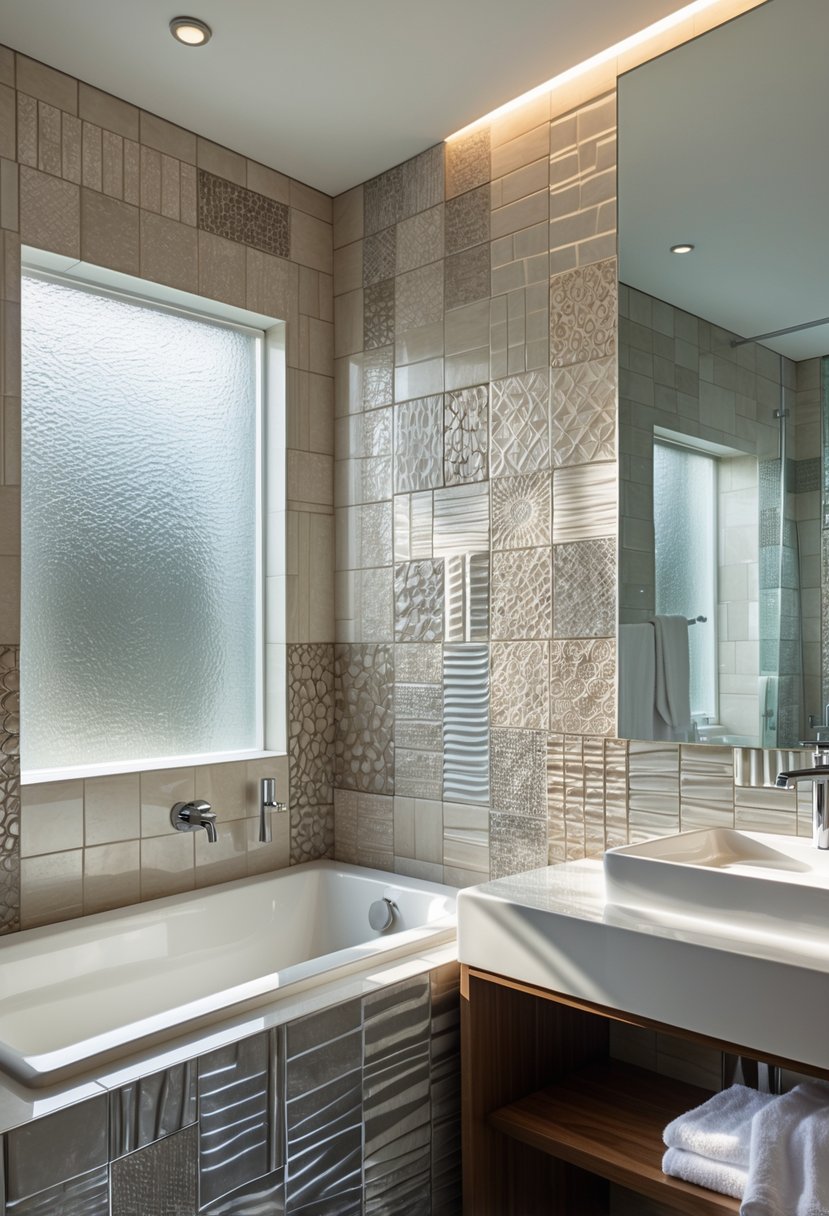
If you’re feeling bold, try textured tiles where the light hits—think shower walls, a backsplash, or a feature wall. You get that designer look without the drama (or the bill) of a major renovation.
Let’s get into how textured tiles work—their materials, shapes, and colors—where they really shine, and a few things to keep in mind before you buy. Hopefully, you’ll find something that looks good and actually lasts.
Overview of the Textured Tiles Bathroom Trend:
Textured tiles bring in depth and touchable patterns, adding visual interest without having to swap out your fixtures or mess with the layout. They come in all sorts of raised shapes—waves, geometrics, or those rough, natural finishes—and honestly, they work with both modern and rustic vibes.
Defining Textured Tiles in Contemporary Bathrooms:
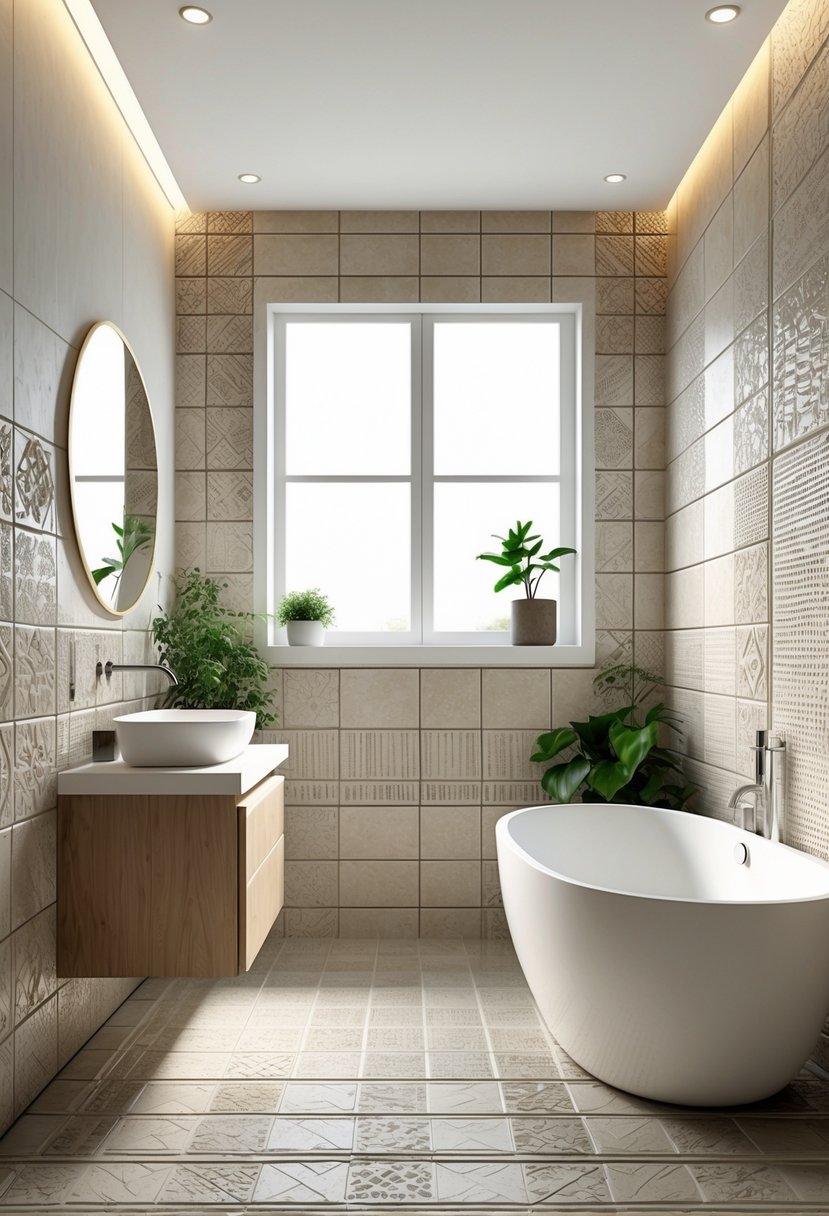
Textured tiles are usually ceramic or porcelain with three-dimensional patterns, bevels, or effects that mimic real materials. You’ll see everything from subtle matte reliefs to those bold 3D waves and chunky hexagons. Some even use digital printing to fake stone grain while keeping the back of the tile nice and flat.
Designers like to use them on shower walls, as a backsplash, or for a partial accent wall—basically, anywhere you want to draw attention. Glazed ceramic and dense porcelain are both popular; porcelain’s tougher and handles wet areas better. Just a heads up: texture can be visual or actually raised, so think about grout lines and how you’ll clean around the nooks and crannies.
Key Benefits of Using Textured Tiles:
They do a decent job of hiding water spots, stains, and little scratches that flat tiles tend to show. If you want architectural interest without major changes, textured tiles are a solid shortcut. Using them as an accent? You might even skip extra paint or wall art.
On the practical side, porcelain textured tiles are tough against moisture and wear, especially if you pick ones rated for slip resistance. Ceramic gives a softer look and is usually easier on the wallet. Mixing smooth and textured tiles is a smart move—makes cleaning easier, but you still get that visual punch.
Popular Materials for Textured Bathroom Tiles:
Ceramic textured tiles are a go-to for walls and spots that don’t get a ton of traffic. Tons of glaze options, plus they’re lighter if you’re DIY-ing. Porcelain textured tiles are denser, soak up less water, and last longer in wet zones.
Natural-look textured tiles use digital printing on ceramic or porcelain to fake marble, travertine, or wood grain—less fuss, more style. You’ll also see pressed stone and cement-look porcelain for a rustic feel. Deciding between ceramic and porcelain? Go porcelain where water hits directly, ceramic for accent spots.
Design Applications and Styles for Textured Tiles:
Textured tiles give bathrooms that extra dimension—literally. Use them on one wall, the whole floor, or even wrap them from floor to wall for a look that’s seamless and a little unexpected. They play nicely with big tiles and mixed materials, too.
Feature Walls and Accent Panels:
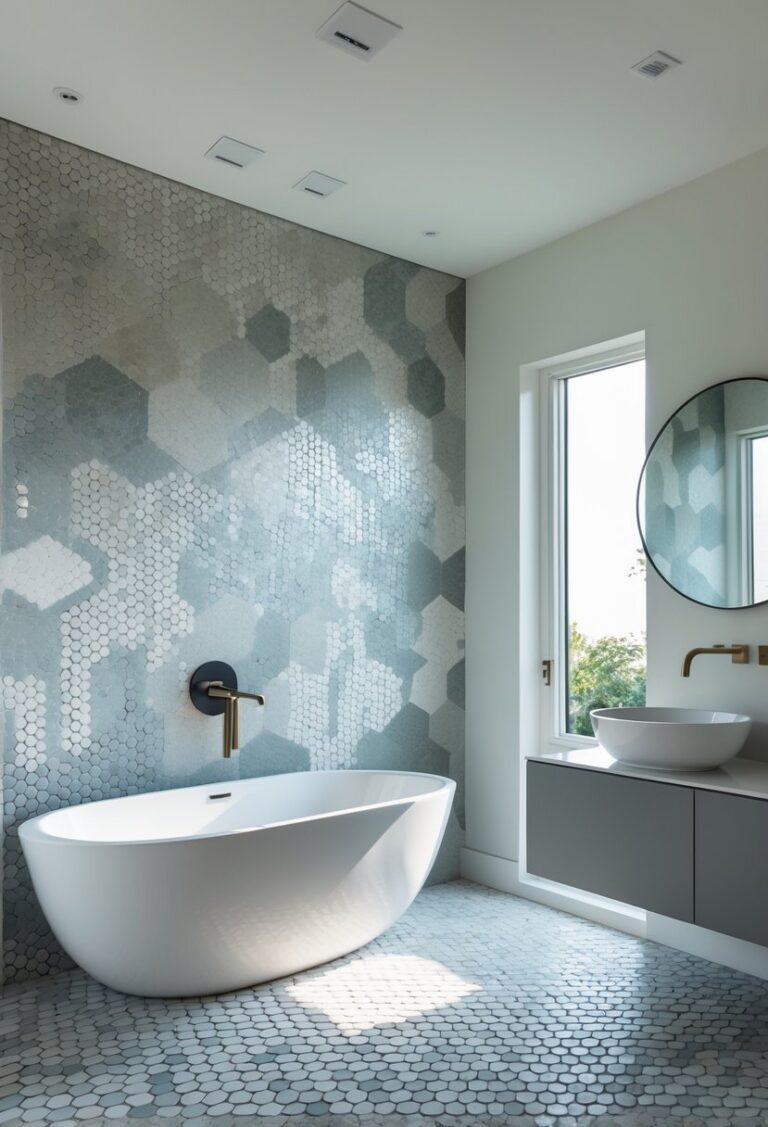
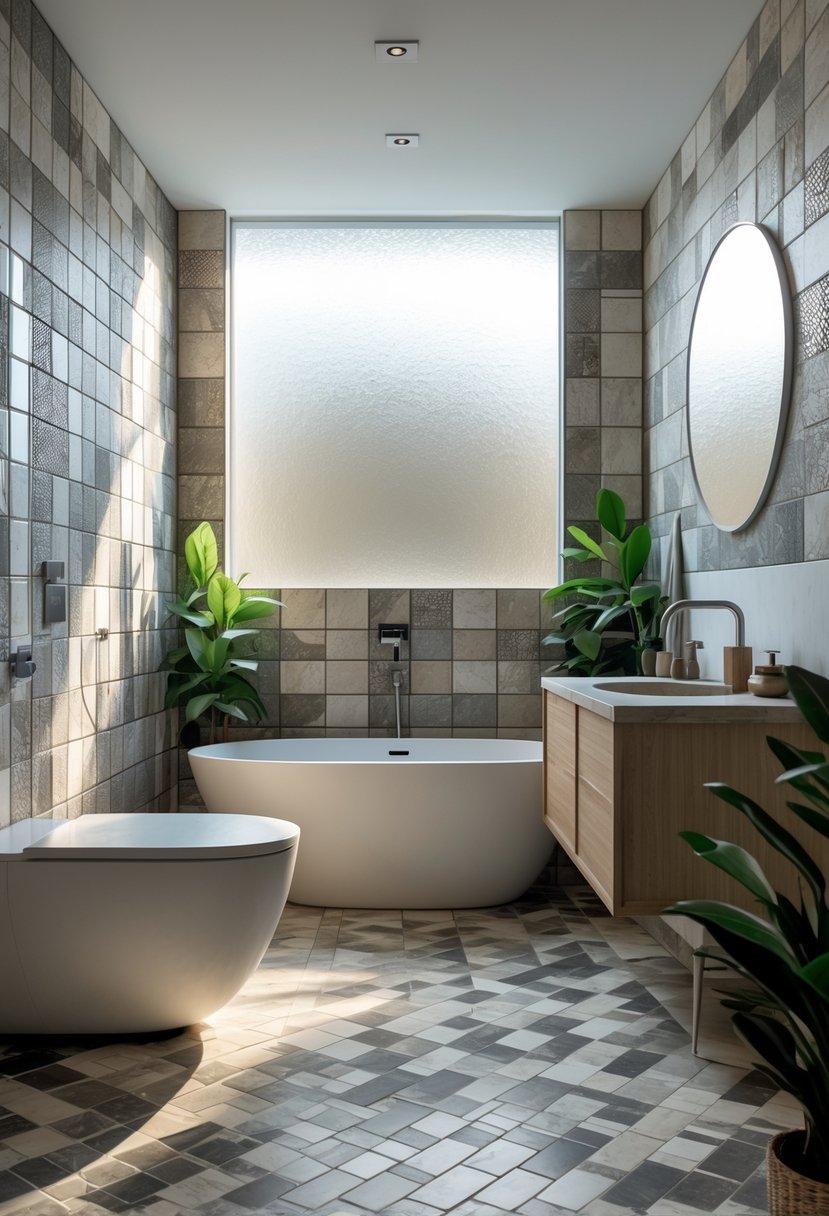
Want a focal point? Pop some textured wall tile behind your vanity or in a shower niche. Three-dimensional waves or hex tiles catch the eye and conveniently hide minor wall imperfections. Designers usually stick to one panel or a full wall (3–6 feet wide is common) so things don’t get too busy.
Color and scale are big deals. All-white or soft gray textured tiles keep it clean but still add interest. If you’re feeling adventurous, play with stacked patterns or contrasting grout to show off the geometry. Just make sure you’ve got the right waterproofing and a solid surface so the tiles stay put, especially on wet walls.
Little tip: use a notched trowel that matches the tile back, keep an eye out for lippage (those uneven tile edges), and budget a bit more time for cleaning grout from deep textures. Accent panels look best when balanced with smooth tiles elsewhere—keeps things from feeling over-the-top.
Floor Tile Applications:
On the floor, textured tile adds both grip and style—handy in showers or entryways. Low-relief ceramics or porcelain with ribs or pebble-like textures help prevent slips but aren’t a pain to mop. Avoid super deep textures underfoot—they’re dirt magnets and kind of awkward to walk on.
Large-format textured tiles are cool, just make sure they’re not too bumpy for comfort. Smaller mosaics fit nicely in shower pans and niches, since they can handle slopes and the extra grout gives more traction. Go for matte or satin over glossy—safer when wet and less likely to show every footprint.
For maintenance, use the right grout width and sealants if you’ve got porous tiles. Mix up the pattern to avoid obvious seams, and—if you can—run the texture in the same direction as water flows. Makes cleaning and drainage a bit simpler.
Seamless Floor-to-Wall Integrations:
Want that spa vibe? Use the same textured tile on both the wall and floor for a unified look. Works best with low-profile textures and big tiles to cut down on grout lines and visually expand the space.
Transitions matter. Cove bases or rounded edges at the floor-wall join help keep grime from collecting and make cleaning easier. For showers, textured floor tiles are a must for grip, but go with a subtler wall texture so you’re not leaning against anything scratchy.
If you’re using large-format textured tiles everywhere, double-check that your surfaces are flat and use a full layer of mortar. Some designers like to mix in a smooth accent wall so the texture doesn’t overwhelm—nice way to get contrast without breaking up the flow.
Trending Textured Tile Patterns, Colors, and Materials:
Nowadays, textured tiles are all about mixing depth, color, and material. Designers are picking tiles that play with light, add grip, or just break up the monotony—sometimes mixing sculpted surfaces with natural stone looks or bold patterns for extra punch.
3D and Sculpted Tile Effects:
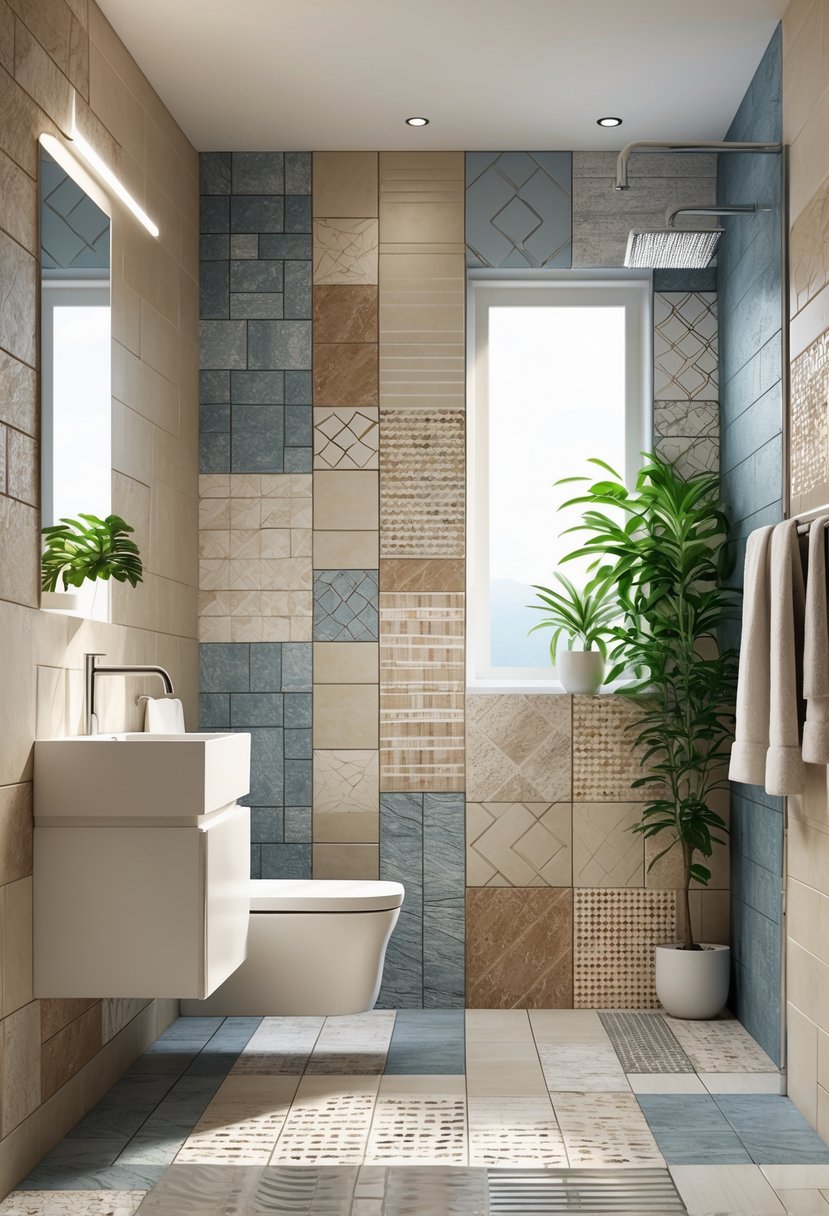
3D tiles with raised patterns, ripples, or geometric reliefs catch the light and add drama. They’re especially striking as an accent wall behind a vanity or in a shower niche—places you actually notice the texture. Popular styles include wave, dimple, and faceted shapes that create movement without needing wild colors.
Manufacturers offer these in glazed porcelain and ceramic, so you get durability and detail. Most finishes are matte or soft satin—less glare, more shadow. Pro tip: stick to one main area for 3D tiles to avoid a cluttered look and make cleaning less of a chore.
Mosaic and Subway Tile Trends:
Mosaics are back: penny-rounds, tiny squares, and detailed patterns add grip and a bit of whimsy to floors and shower bases. Contrasting grout can make the pattern pop, or go with matching grout for a subtle, fabric-like effect. For floors, most people lean toward slip-resistant mosaics and smaller tiles that can handle curves and slopes.
Subway tiles aren’t just white rectangles anymore. Taller, slimmer shapes, brick or stacked patterns—they all change up the rhythm on your walls. Colored or beveled subway tiles create shadows and texture, even if the surface is flat. Designers like to pair subway tiles with mosaics for floors or feature bands to tie the space together.
Natural Finishes: Stone, Marble, and Wood-Look Tiles
Stone and marble—think Carrara—bring in those organic veins and a soft, touchable surface. Honed or tumbled finishes feel less slick than polished marble and look great on feature walls or around vanities. These materials shine when you want natural variation to be the star.
Wood-look tiles are a clever way to get warmth and grain without worrying about water damage. Porcelain planks with textured wood finishes create long lines that work well in big spaces. Mixing stone-look tiles in wet spots with wood-effect tiles on drier floors is a nice way to balance safety and coziness.
Organic and Geometric Pattern Designs:
Organic patterns—wavy lines, leaf shapes, water-inspired motifs—soften up tile installations. Rounded hexagons, petal mosaics, and botanical prints feel gentler than your standard grid. These usually look best with neutral colors and matte finishes to keep things calm and understated.
Geometric designs are for the bold: interlocking shapes, chevrons, and angular mosaics. Play around with high-contrast colors or subtle shifts in the same material to make the geometry pop. Use them for full-wall statements or as borders and insets to guide your eye around the room.
Practical Considerations for Incorporating Textured Tiles:
Textured tiles don’t just change how your bathroom looks—they affect how it feels underfoot and how much elbow grease you’ll need to keep things clean. They impact slip resistance, bounce light differently, and can make grout maintenance a little more hands-on.
Care, Cleaning, and Maintenance:
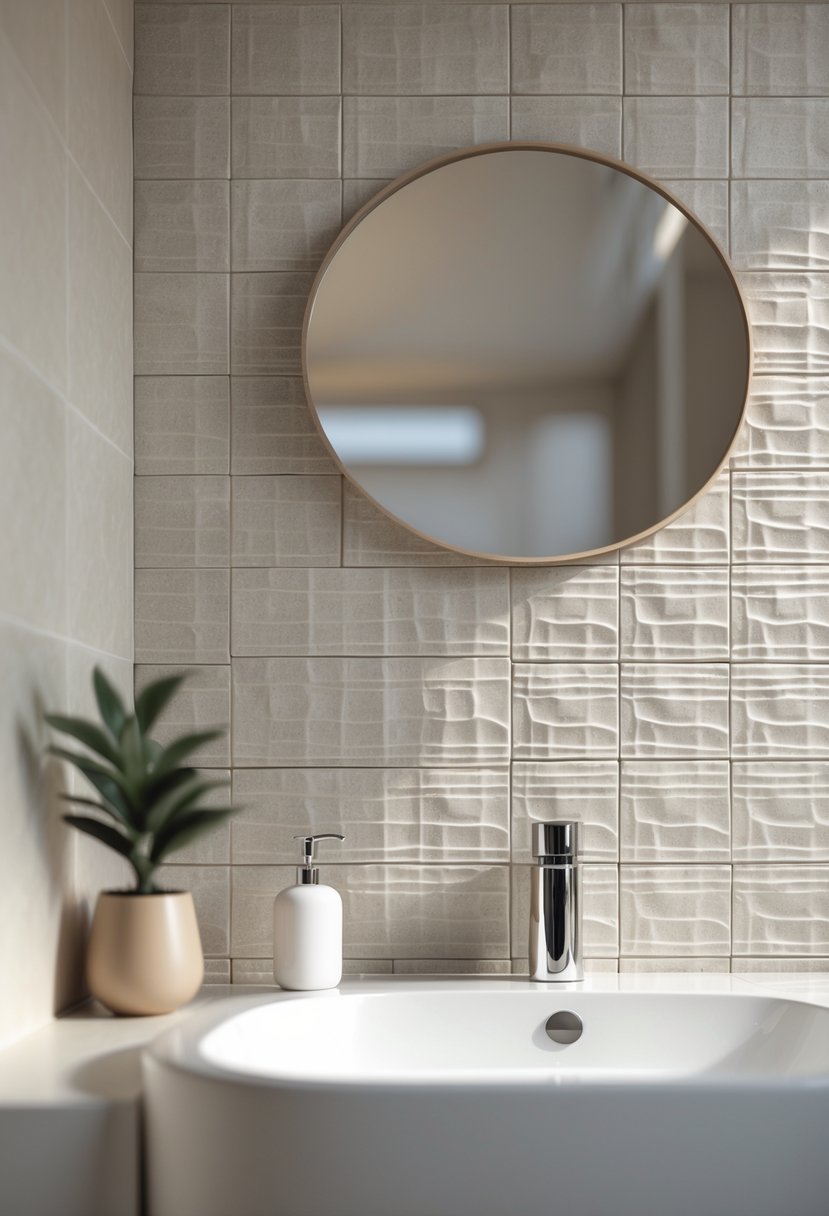
Textured tiles can trap soap scum and mineral deposits more than smooth ones. You’ll want a soft nylon brush for grout and a pH-neutral cleaner for porcelain or stone—no harsh stuff, or you’ll wreck the sealers. For those deeply textured tiles, a quick rinse every week and a monthly scrub with a grout brush keeps gunk from building up.
Seal natural stone and unglazed tiles when you install them, then re-seal every year or as the label says. Epoxy grout is great for stain resistance, but it’s a pain to fix if it cracks; sanded grout is more forgiving in busy areas. Honestly, keeping a little steamer or old toothbrush around makes spot cleaning those grooves way easier.
Lighting and the Impact of Natural Light:
Light changes everything. Natural light brings out the texture and shadows—so your tiles might look totally different in the morning versus late afternoon. If you’ve got white tiles with a matte finish, expect soft shadows that make the room feel bigger. Overhead lights can flatten things out, so if you can, add skylights or frosted windows and layer in different light sources.
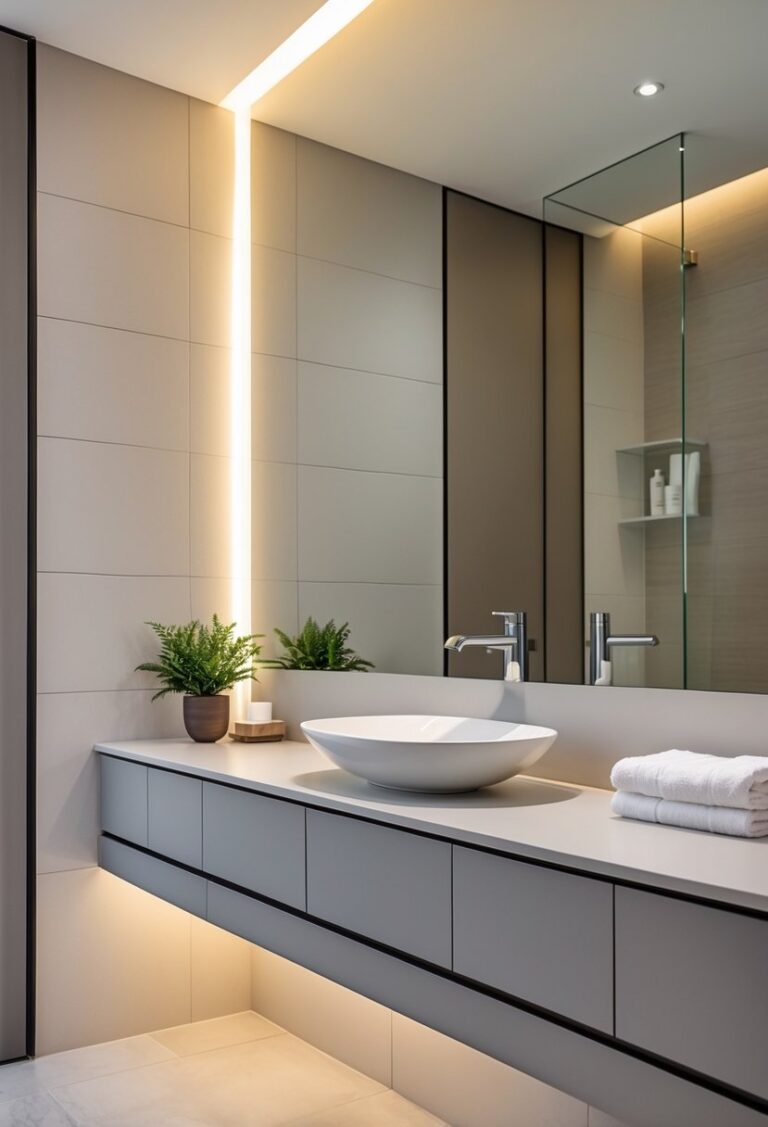
Put task lighting by the vanity and in the shower to avoid glare on shiny tiles. Dimmable lights are a lifesaver for setting the mood and showing off texture at night. If your bathroom faces north, consider warmer tones or higher-contrast textures so the space doesn’t feel washed out.
Creating a Spa-Like Bathroom Ambience:
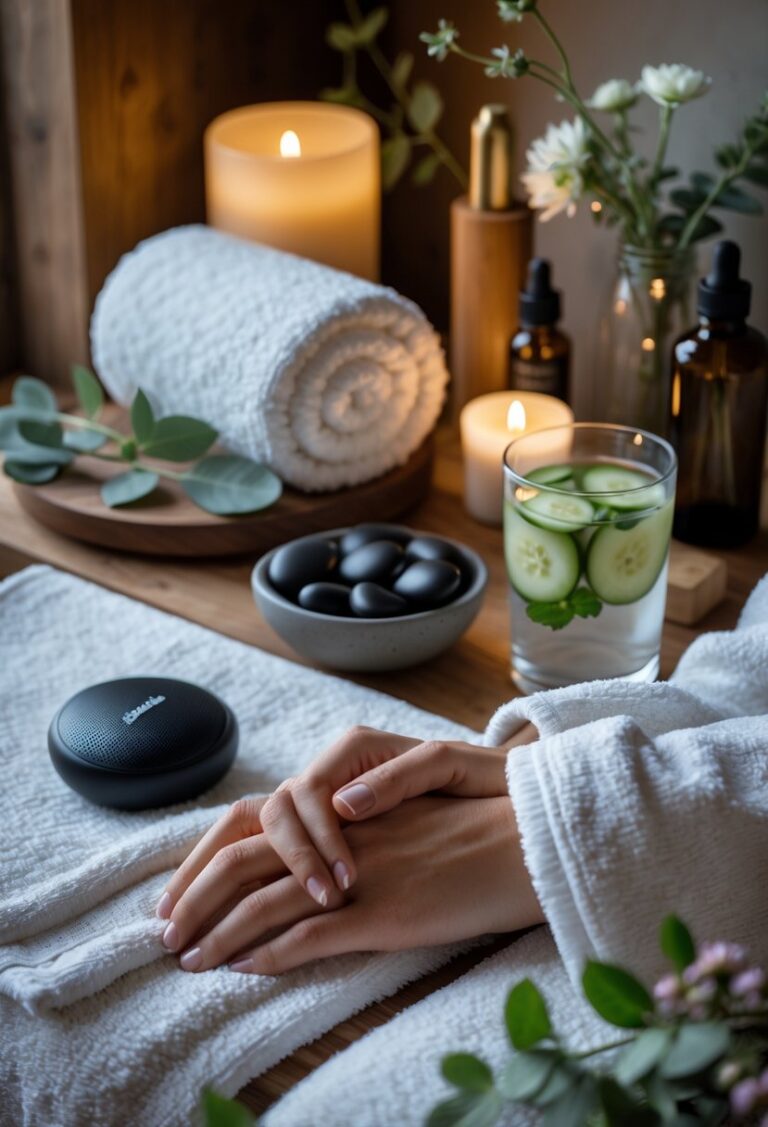
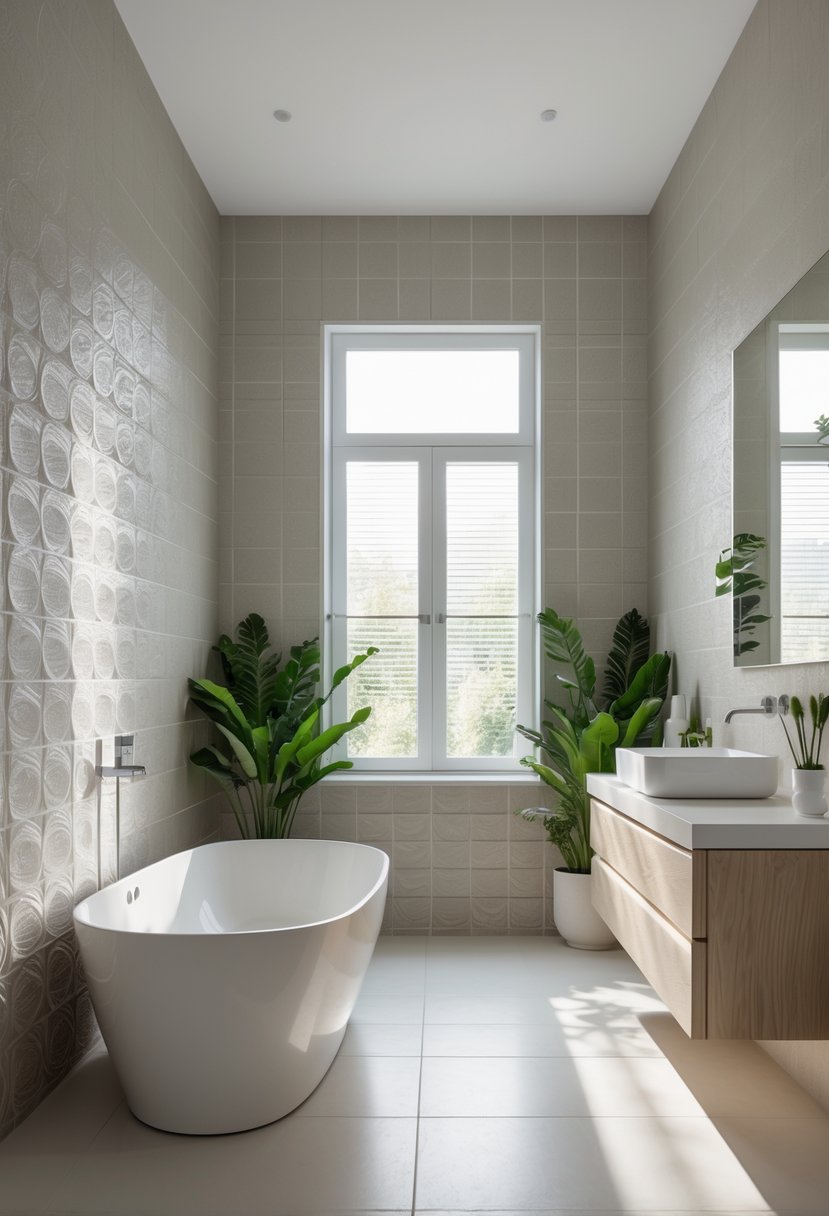
Textured tiles can really set the tone for a spa-like bathroom, adding a bit of tactile warmth and some subtle visual interest. If you’re after that calm, cohesive vibe, try large-format tiles in low-contrast textures—think soft greys, cozy beiges, or even matte white. They just feel right, especially underfoot. I’d suggest using them on the floor or maybe as an accent wall behind a freestanding tub for a little drama without going overboard.
Natural touches—like a teak mat, some linen towels, maybe a leafy plant or two—bring in that spa energy without much fuss. Keep grout lines skinny and opt for bigger tiles to cut down on visual noise (and honestly, less scrubbing). Warm, indirect lighting is a must, and don’t skip a decent steam-resistant fan if you want those textures to last and the space to stay chill.
Frequently Asked Questions:
Textured tiles and bold colors are definitely making waves for 2025. More folks are leaning toward three-dimensional patterns, those big slab tiles, and eco-friendly materials—they’re not just pretty, they hold up well too.
What is the current trend for bathroom tiles?
Lately, it seems like designers are all about textured tiles that add depth—wavy, hexagon, and all sorts of three-dimensional looks. Large-format tiles, punchy color palettes, and mixing patterns are all over the place right now.
Sustainable materials and natural stone? Still hot. People are pairing textured looks with matte or low-gloss finishes for that modern, touchable effect.
How do I choose the best quality tiles for my bathroom?
Check out the PEI rating for durability and COF (coefficient of friction) if you care about not slipping. Porcelain’s usually the safe bet for water resistance and toughness, while natural stone needs a bit more TLC and sealing.
Stick with brands you trust, and if you can, look at samples in person. Double-check the color and texture across a few pieces—no one wants a patchy wall after install.
What are the benefits of using textured tiles in a bathroom?
Textured tiles shake up the look and feel without forcing you to rethink your whole color scheme. They’re great for focal spots or shower walls—like pairing wavy white tiles with classic white subway for a little contrast that’s still clean.
On the floor, the right textured tile can help with slip resistance and, bonus, they’re better at hiding little scuffs or water marks than those shiny, polished surfaces.
Are Moroccan tiles suitable for a modern bathroom aesthetic?
Absolutely. Moroccan tiles can totally liven up a bathroom—think backsplashes, shower niches, or even just one statement wall if you’re feeling bold. They bring in that burst of pattern and color, but if you stick with simple, neutral fixtures, the vibe stays crisp and up-to-date.
You’ll want to pay attention to things like gloss level and grout color; those little details make a difference if you’re after a modern look. Mixing classic Moroccan patterns with some big, neutral tiles or maybe something textured? That’s a solid way to blend old-school charm with what’s trending now.