12+ Small Living Room Ideas for Apartments That Make Every Inch Count
Living in a small apartment often means making the most of limited space, especially in the living room. Many people face the challenge of balancing comfort, style, and functionality in a compact area. This article offers practical ideas to help transform small living rooms into cozy, organized, and attractive spaces.
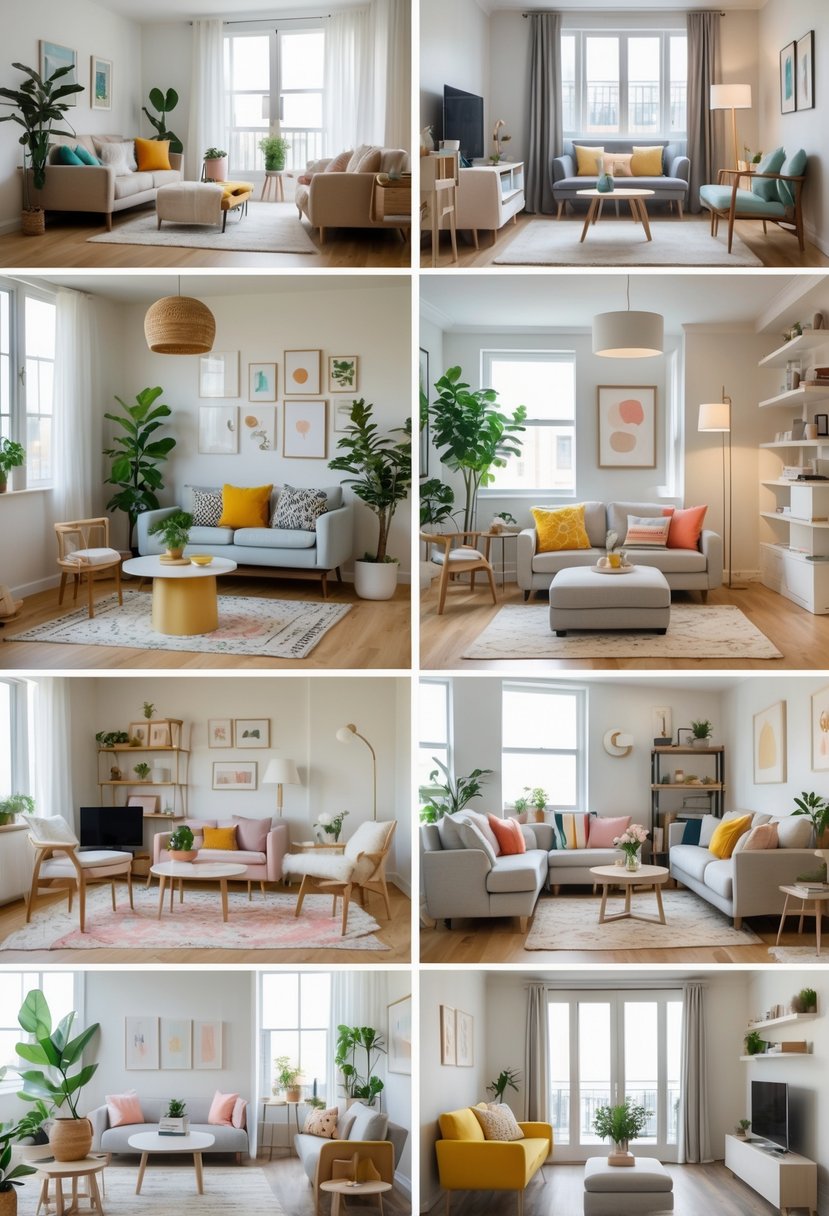
Small living room ideas for apartments focus on smart design choices that maximize space without sacrificing style or comfort. By using clever layouts, multifunctional furniture, and thoughtful decor, anyone can create a living area that feels larger and more inviting.
1. Use Multifunctional Furniture Like Storage Ottomans:
Storage ottomans offer both seating and extra storage in one piece. They help keep small living rooms tidy by hiding items like blankets or magazines inside. This type of furniture saves floor space and reduces clutter. It works well in apartments where every inch counts.

Using multifunctional pieces like storage ottomans makes the room feel more organized and spacious without adding extra furniture.
2. Incorporate Light-Enhancing Neutral Palettes:
Using light neutral colors can make a small living room feel more open and airy. Shades like beige, white, light gray, and taupe reflect natural light, brightening the space. Neutral palettes create a calm, balanced atmosphere that works well with many styles. They also serve as a simple backdrop for adding texture or color through furniture and decor.

Choosing soft, natural materials like wood or woven fabrics helps keep the room cozy without overwhelming the space. This approach maximizes light and space without clutter.
3. Add Floating Shelves To Maximize Wall Space:
Floating shelves help use empty wall areas without taking up floor space. They work well for storing books, plants, or small decor items. Corner floating shelves fit into tight spots, making often-wasted space useful.

These shelves keep the room organized and add a modern look. They suit small apartments by creating extra storage while keeping the area open and airy.
4. Opt For A Fold-Out Sofa Bed:
A fold-out sofa bed is a smart choice for small living rooms. It provides seating during the day and a bed at night. This helps save space without losing comfort.
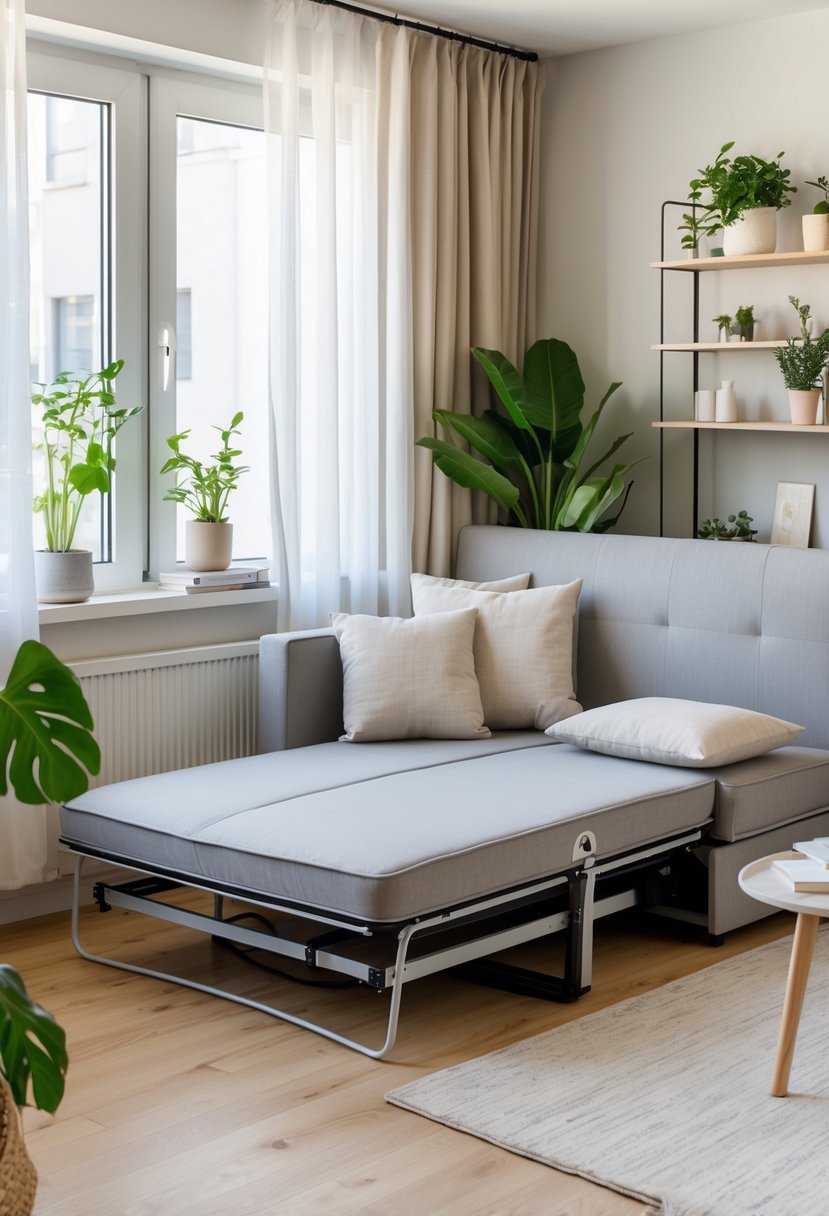
When choosing one, measuring the available space is important. The sofa bed should fit well when folded and extended. Fabric models often feel cozier and work well in compact rooms.
5. Use Mirrors To Create An Illusion Of Depth:
Mirrors help make a small living room feel larger by reflecting light and space. Placing a large mirror opposite a window can brighten the room and add depth. A mirror behind the sofa can also reflect decor, making the room feel more open. Floor mirrors work well to brighten dark corners and expand visual space.

Choosing mirrors with simple frames keeps the look clean and helps avoid clutter in the room.
6. Choose Slim-Profile Furniture With Exposed Legs:
Slim-profile furniture helps keep a small living room feeling open and less crowded. Pieces with exposed legs create visual space by showing more floor area. This makes the room seem lighter and airier.

Choosing sofas and chairs with slim arms and low backs also reduces bulkiness. Together, these features provide a clean look that fits well in small apartments.
7. Implement Vertical Storage Solutions:
Using vertical storage helps make the most of limited floor space in small living rooms. Shelves that reach from floor to ceiling provide extra room for books, plants, or decor. Corner shelves and wall-mounted units keep items off the floor and organized. This method improves accessibility and keeps the space tidy without cluttering walkways.

Choosing materials like wood or metal can match any style, adding both function and visual appeal. Vertical storage is practical and easy to adjust as needs change.
8. Utilize Removable Room Dividers To Define Spaces:
Removable room dividers help create clear areas in a small living room without permanent changes. They add privacy and structure while keeping the room flexible. Options like folding screens, curtains, or lightweight panels are easy to move or store. These dividers can also add style and texture to the space.
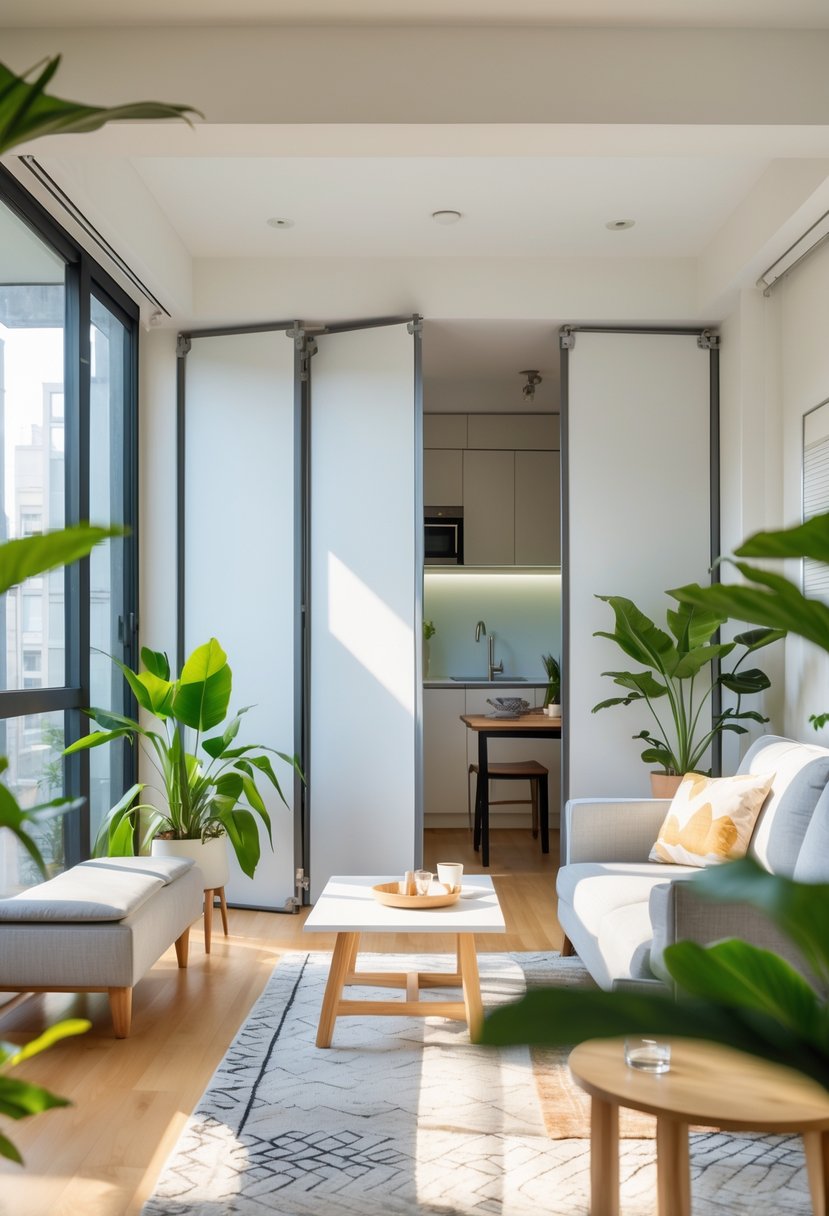
Using a removable divider helps separate work, relaxation, or dining zones while making the room feel organized. It is a practical, simple way to improve small living areas.
9. Add Sleek, Slim Coffee Tables With Storage:
Small living rooms benefit from slim coffee tables that save space. Tables with built-in storage help keep clutter out of sight. Models with drawers or lift tops provide spots for books, remotes, or small items.
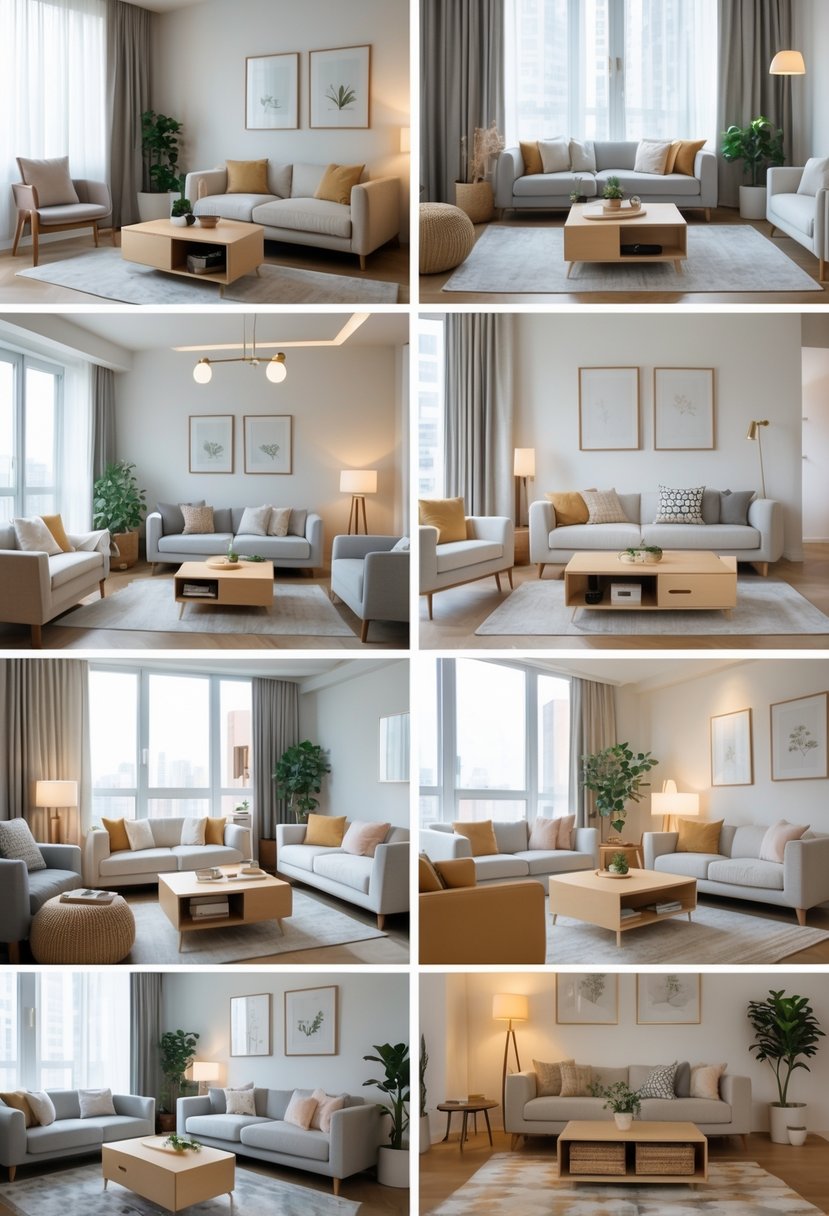
Sleek designs fit neatly without overwhelming the room. This approach adds function and style while maximizing floor space.
10. Incorporate Hidden Storage Inside Benches:
Benches with hidden storage are a smart way to save space in small living rooms. They provide seating and a place to store items like blankets, magazines, or toys. This type of furniture helps keep the room tidy without adding extra pieces. It uses often overlooked space efficiently.
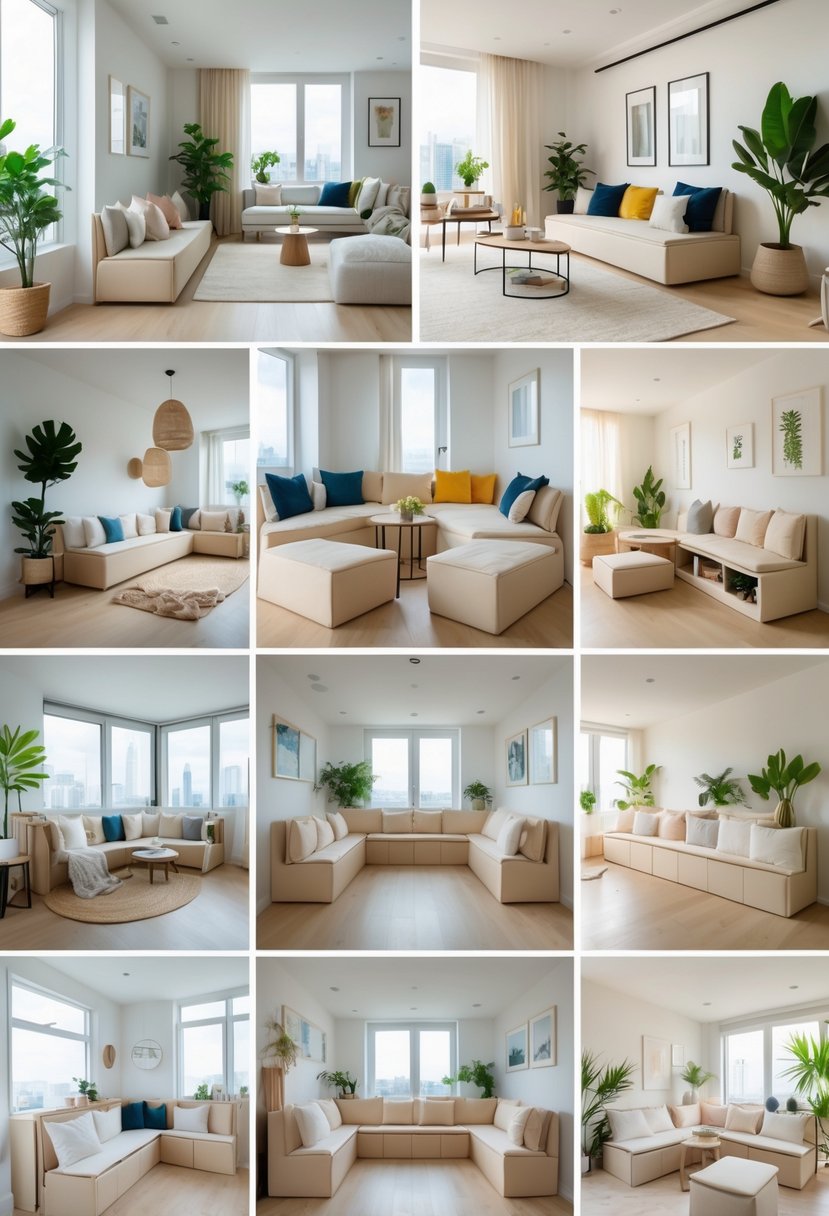
Choosing benches with lids or drawers makes it easy to access stored items. This solution works well in apartments where every inch matters.
11. Apply Layered Lighting With Floor And Table Lamps:
Layered lighting adds depth and flexibility to a small living room. Using floor and table lamps allows for different light sources at various heights, improving the room’s function and mood. They can complement overhead lighting by providing focused task light and soft ambient light. This helps create a cozy and balanced atmosphere without relying on a single bright fixture.
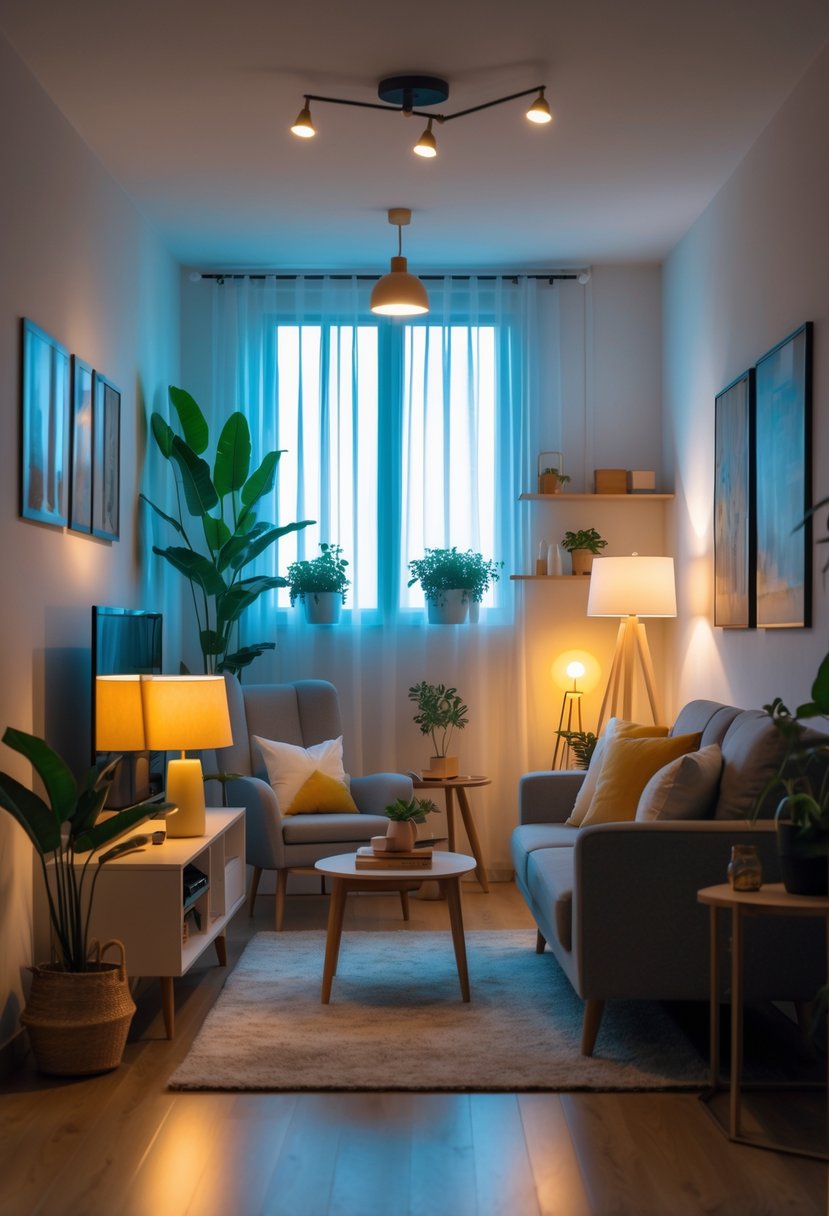
Placing lamps in corners or next to seating areas maximizes their impact without crowding the space. This approach makes the room feel larger and well-lit.
12. Use Rugs To Delineate Different Zones:
Rugs help define different areas in a small living room without using walls. They create clear boundaries for spaces like seating, dining, or working. Choosing rugs of different colors or shapes makes each zone feel separate and organized.
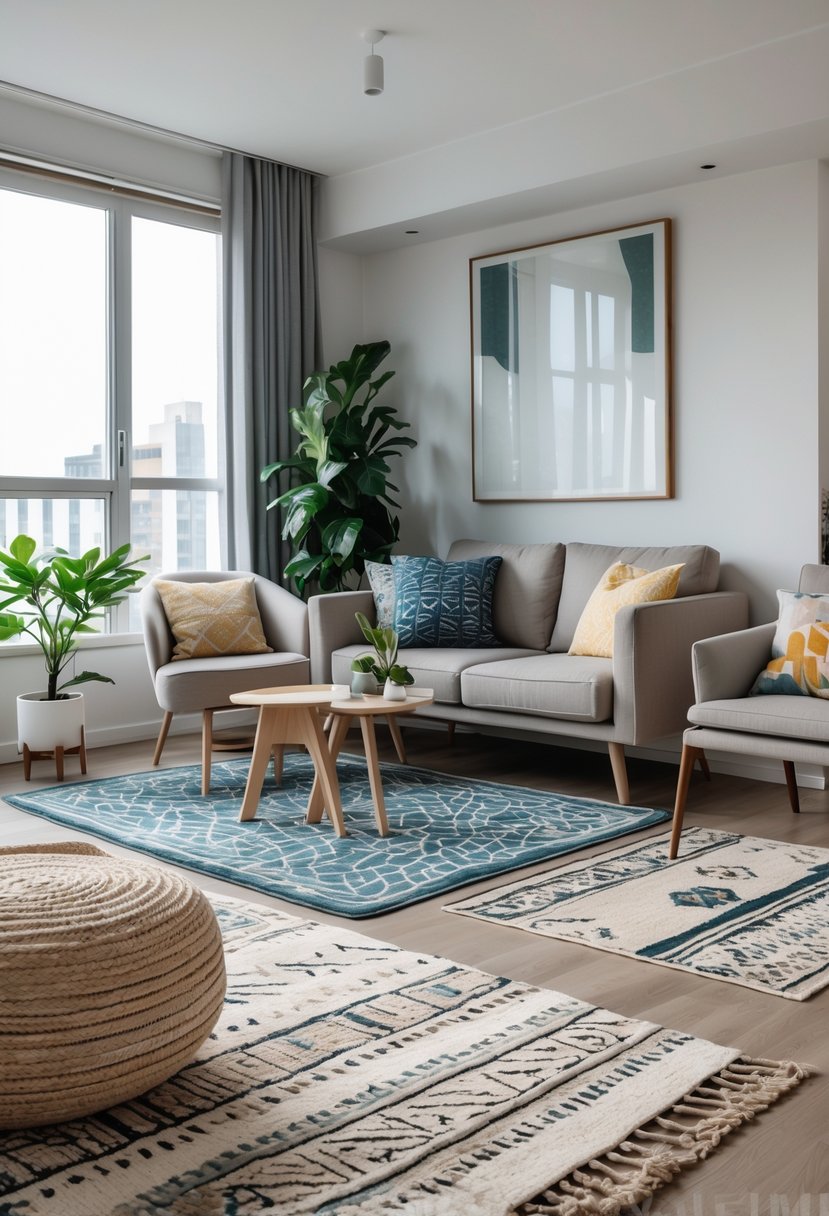
This method improves room flow and adds style. Rugs also anchor furniture, making zones feel intentional and cozy.