Brilliant Small Bathroom Decorating Ideas to Maximize Space Without Sacrificing Style
Small bathrooms can be challenging to decorate, but with smart design choices, they can feel open and functional. Maximizing space often means using clever storage, light colors, and fixtures that serve more than one purpose. This approach helps make the room both practical and visually appealing.
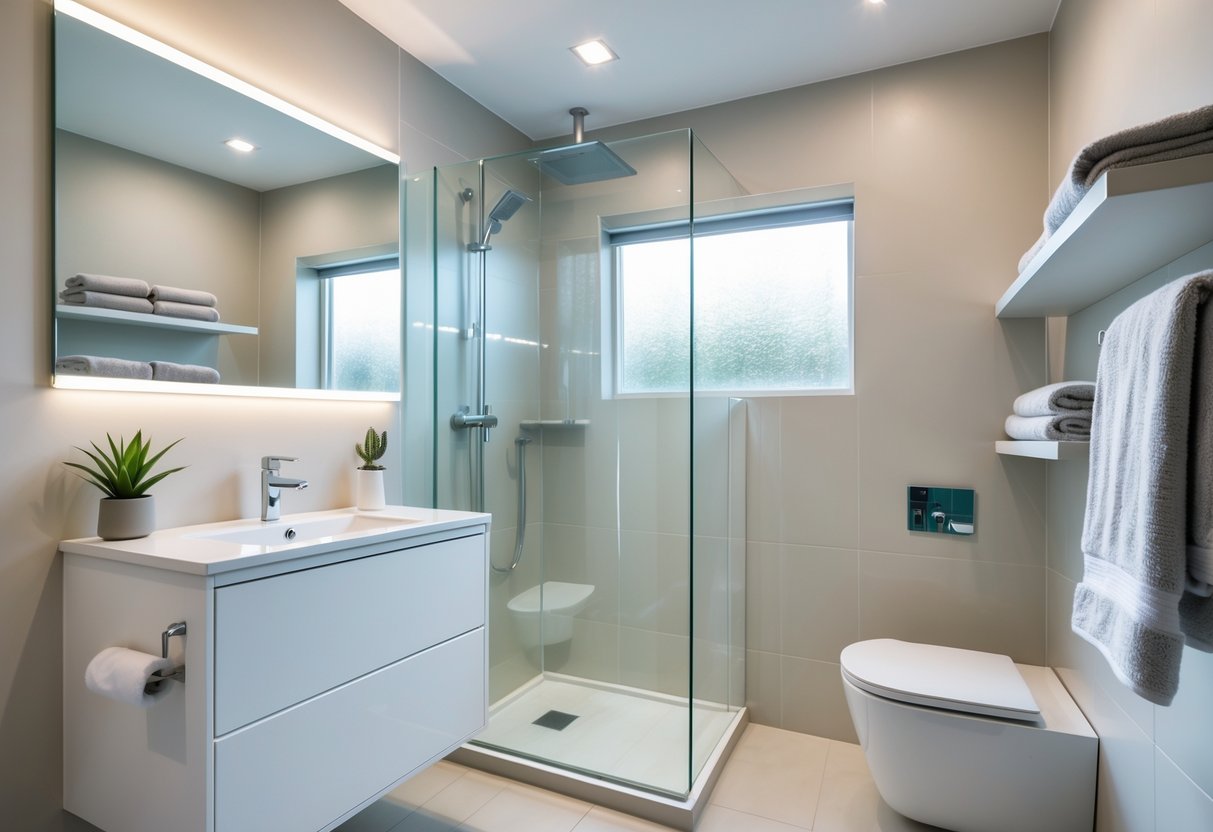
In small bathroom decoration, every inch matters. Ideas like vertical shelving, compact sinks, and multi-use items help keep clutter down and add style without crowding the space. Lighting and mirrors also play key roles in making the room feel larger than it really is.
Foundational Small Bathroom Design Tips:
Maximizing space in a small bathroom starts with smart design decisions that reduce clutter and enhance light and openness. Careful choices in layout, color, surfaces, mirrors, and lighting work together to create a more spacious feel, even in compact bathrooms or those with walk-in showers.
Embracing Minimalist Layouts:
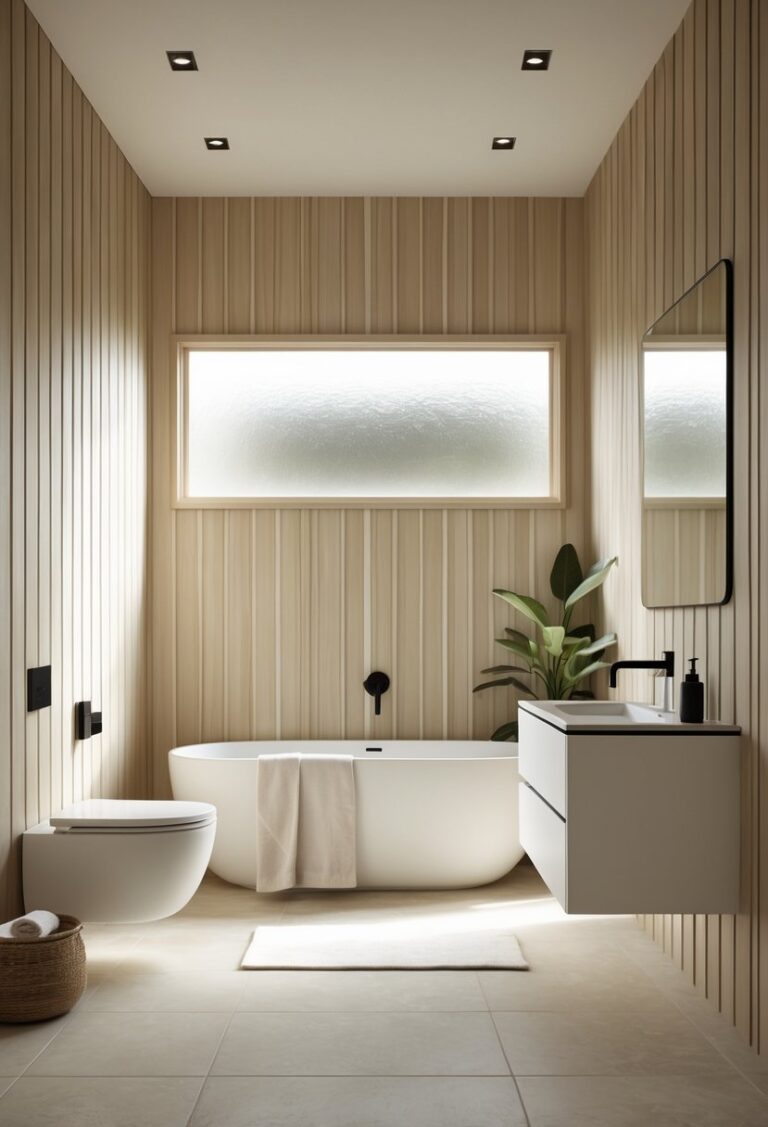
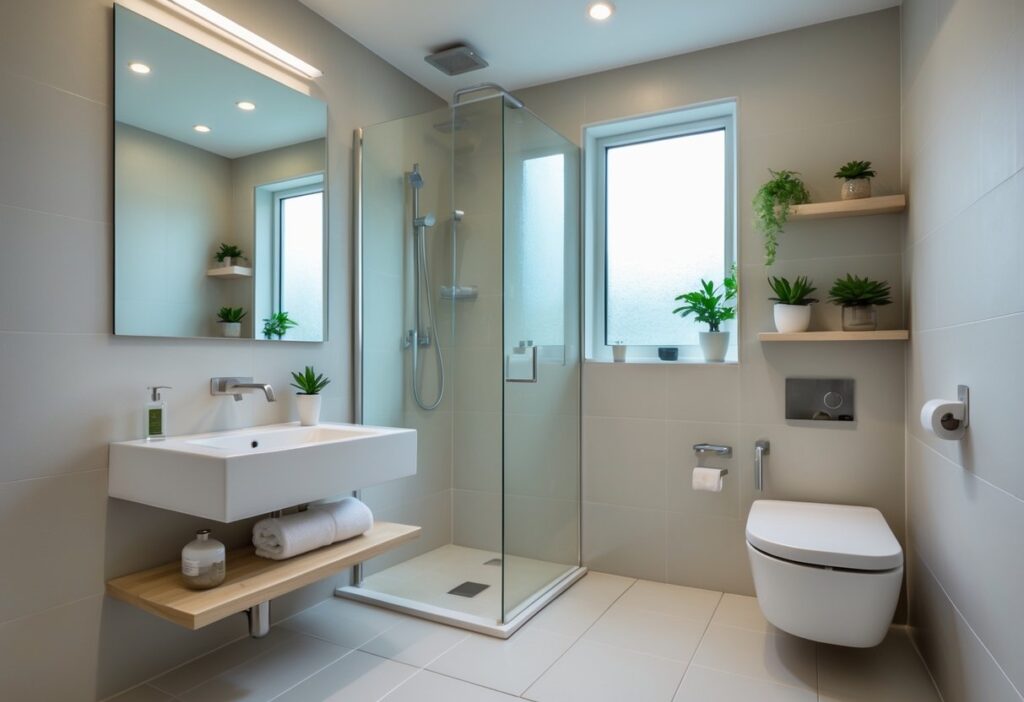
A minimalist layout removes unnecessary items to open up floor space. In small bathrooms, every inch counts, so choosing only essential fixtures helps avoid overcrowding. For example, a wall-mounted toilet or a floating vanity frees up floor area and makes the room feel larger. Compact bathroom designs benefit from simple, clean lines and fewer decorative pieces.
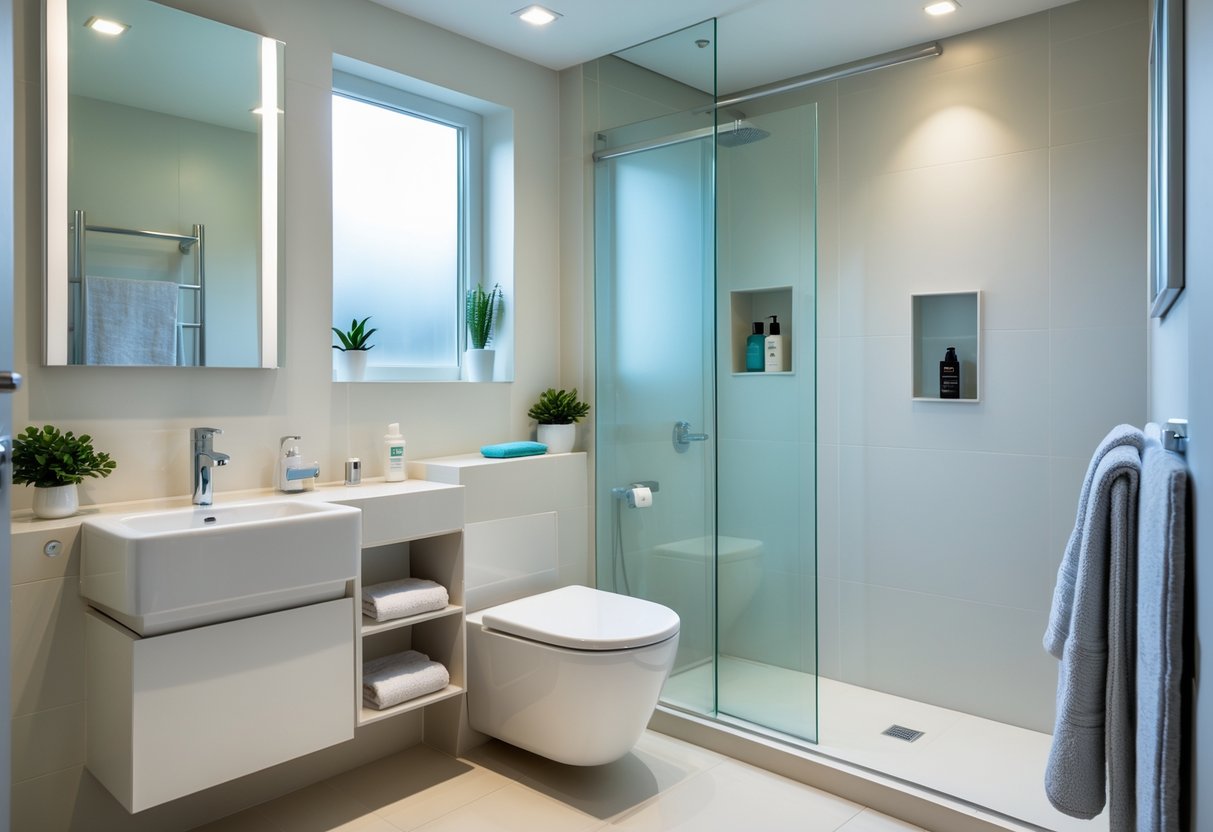
Avoid bulky cabinets or oversized furniture. Instead, opt for streamlined storage solutions like recessed shelves or slim cabinets that keep necessities organized without taking extra room. Clear pathways are important. Placing fixtures to allow easy movement improves function and comfort. For tiny bathrooms, consider a walk-in shower with glass doors. This keeps the room feeling open because the transparent walls don’t block sightlines or absorb light.
Choosing Light Colors and Reflective Surfaces:
Light colors create an airy, open atmosphere in small bathrooms. Whites, pale grays, soft blues, and pastel tones work well because they reflect more light. Dark colors tend to close in a space, so they are best used sparingly as accents. Reflective surfaces also amplify brightness.
Glossy tiles, glass, and polished fixtures bounce light around the room. For example, installing a glass shower enclosure rather than a curtain lets light flow throughout the space. Consider using large-format tiles with minimal grout lines. This reduces visual “breaks” on walls and floors, making the small bathroom feel less busy and more continuous.
Strategic Use of Mirrors:
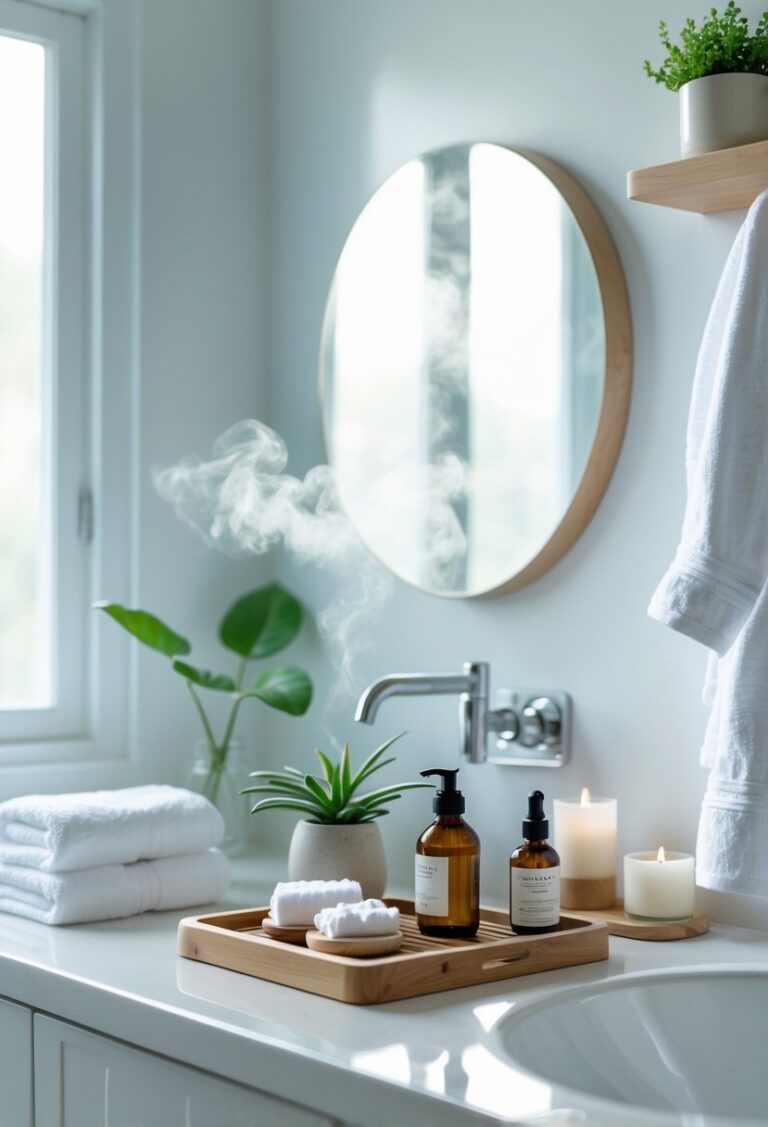
Mirrors add depth by reflecting light and views. In compact bathrooms, a large mirror above the sink can make the room feel twice as big visually. Position mirrors to capture natural or artificial light sources. Placing them opposite windows or light fixtures maximizes this effect.
Mirrored storage cabinets combine function with space-saving. They offer storage while doubling as reflective surfaces. For small, narrow bathrooms, extending mirrors along an entire wall or incorporating a mirrored backsplash can dramatically open up the space without needing more square footage.
Optimal Lighting Solutions:
Good lighting brightens confined areas and highlights design features. Layered lighting works best in small bathrooms, combining overhead lights, task lights, and accent lighting. Use LED recessed lights or slim fixtures to minimize bulky hardware. Bright, white light bulbs create a clean, fresh look and improve visibility in areas like vanities and walk-in showers.
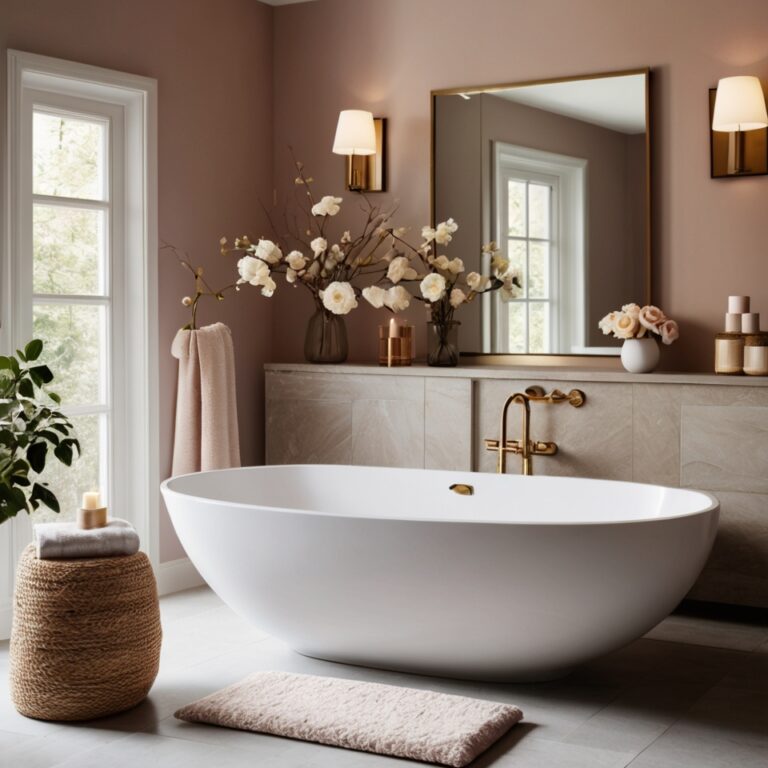
Wall sconces or vertical lights on either side of a mirror reduce shadows on the face and improve function. Avoid outdated, dim fixtures that shrink the space visually. Installing dimmers allows flexibility. Soft lighting creates mood, while bright light enhances task areas. Thoughtful lighting choices improve both the feel and usability of small bathrooms.
Space-Saving Fixtures and Layout Ideas:
Small bathrooms benefit greatly from fixtures and layouts that free up floor space and improve functionality. Choosing the right sink, vanity, and shower design can open up room for movement and storage while keeping the space stylish and efficient.
Wall-Mounted Sink Advantages:
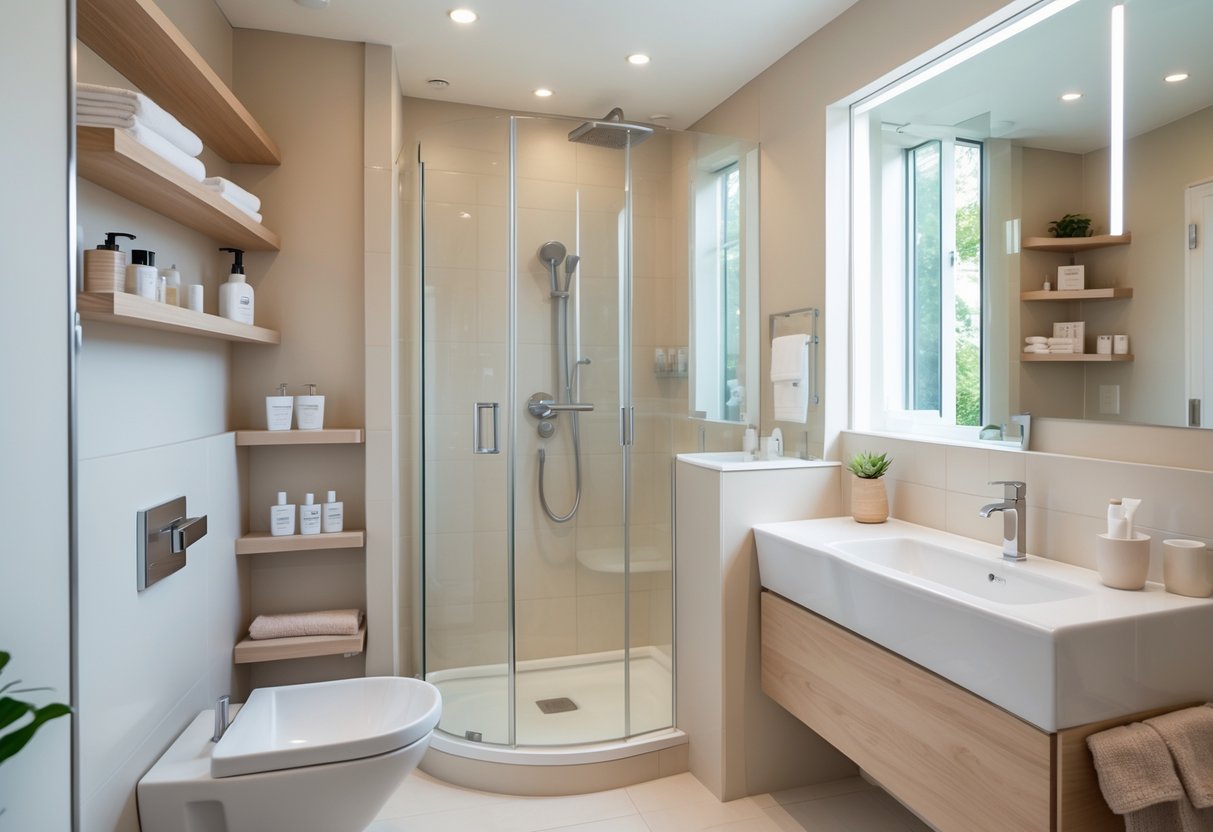
A wall-mounted sink is a smart choice for compact bathrooms. It attaches directly to the wall, leaving open space beneath for easy cleaning or adding small storage baskets. This design reduces visual clutter and makes the floor appear larger. These sinks are often smaller than traditional ones, making them ideal for powder rooms or narrow bathrooms.
They can be paired with sleek faucets and minimal hardware to maximize usable space. Installation may require reinforcing the wall, but the space saved often outweighs the effort. They provide a modern look while offering practical benefits in tight areas.
Selecting the Right Bathroom Vanity:
The bathroom vanity is a key piece in small bathroom design. Choosing a vanity that balances storage with footprint is essential. Compact vanities with drawers or open shelving underneath help reduce clutter while keeping essentials accessible. Vanities with built-in sinks save space by combining two functions in one unit.
For powder rooms, pedestal or slimline models work well but offer less storage. Materials like light-colored wood or reflective surfaces can make the room appear brighter and bigger. It’s important to measure carefully. A vanity too wide or deep restricts movement, while one too small might not meet storage needs.
Corner and Floating Vanities:
Corner vanities make use of often unused corners to save floor area. They are especially good in narrow or oddly shaped bathrooms. These vanities provide storage and sink space without blocking pathways. Floating vanities attach to the wall and do not touch the floor, creating a feeling of openness beneath them.
This design also gives a modern, clean look and makes cleaning easier. Both corner and floating vanities help maximize space but require proper wall support and plumbing adjustments. They fit well in compact bathrooms aiming for a sleek, functional layout.
Walk-In Shower Solutions:
Walk-in showers without doors or with clear glass panels visually expand small bathrooms. They allow easy access without bulky frames, making the bathroom feel more open. Using large-format tiles or light colors in the shower area can reduce visual barriers. Installing built-in niches instead of shelves saves space and avoids obstructions.
Curbless designs are not only stylish but improve the usability of small spaces. Proper drainage planning is critical to prevent water spread but keeps the area accessible and minimalistic. Walk-in showers with efficient layouts help small bathrooms achieve a modern look without sacrificing function.
Clever Storage Solutions for Small Bathrooms:
Small bathrooms need smart ways to hold toiletries and towels without taking up floor space. Using vertical areas and hidden spots can open up the room and keep items organized. Ideas like shelves, built-ins, and clever use of under-sink and door spaces help maintain function and style.
Vertical Storage and Open Shelves
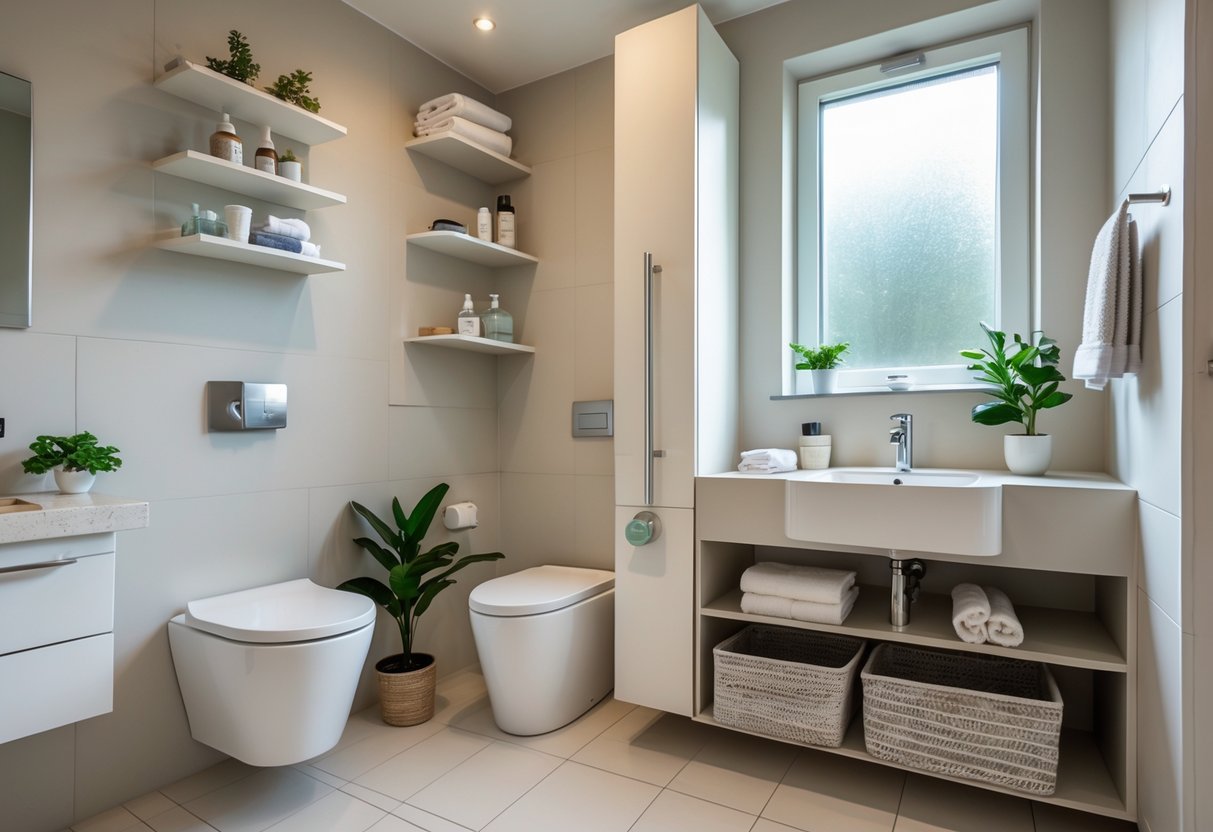
Vertical storage helps maximize wall space, drawing the eye upward and freeing floor area. Tall, slim shelving units fit small corners or narrow spaces. Open shelves mounted on walls create easy access to everyday items like soaps and towels.
Open shelves also allow for decorative touches. Items can be stored in baskets or jars to keep the look tidy. Using vertical storage keeps surfaces clear, which makes the bathroom feel bigger and less cluttered.
Floating Shelves and Built-Ins:
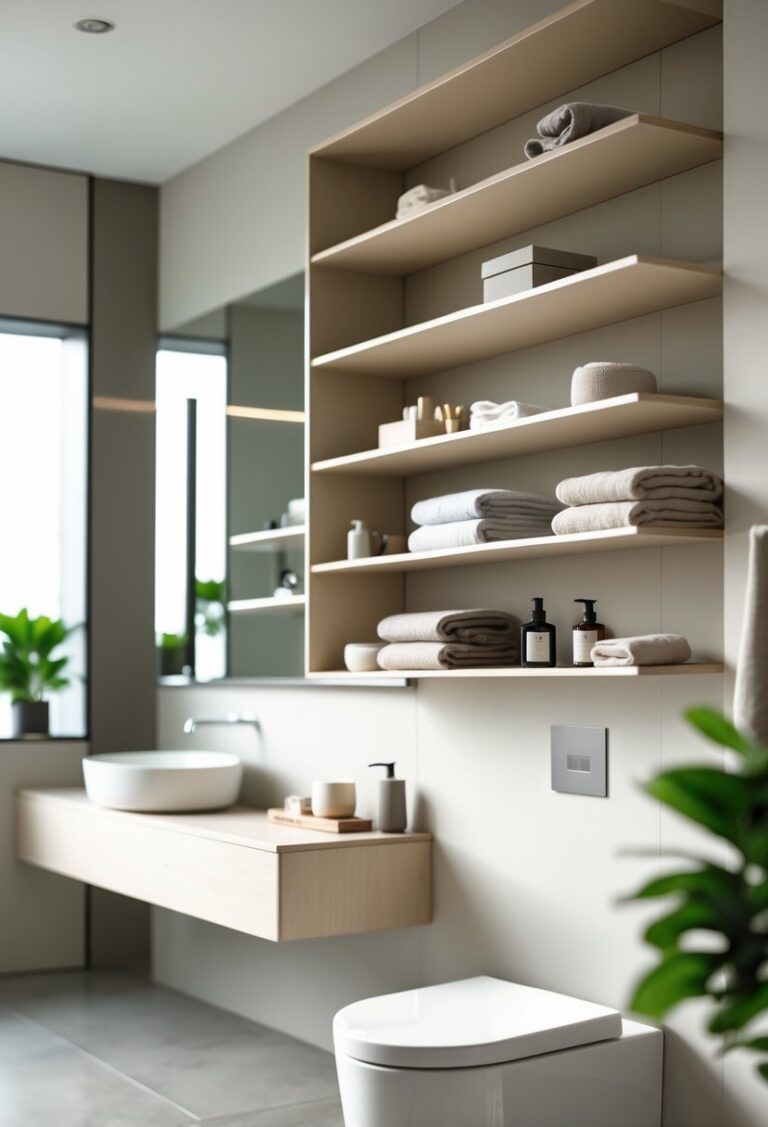
Floating shelves add storage without bulky supports or cabinets, giving the room a lighter feel. They can be installed above toilets, sinks, or near shower areas to hold essentials in reach. This style works well with minimalist or modern small bathroom decor.
Built-in shelves or niches can be carved into walls during renovation. These remove the need for extra furniture and create seamless storage. Built-ins often fit inside shower walls to hold shampoo and soap, saving space while adding neat organization.
Maximizing Over-the-Door and Under-Sink Areas:
The space behind the bathroom door is often overlooked but perfect for storage. Over-the-door racks or hooks hold towels, robes, or baskets with supplies. This method adds storage without using wall or floor space in the bathroom itself.
Under-sink areas can be optimized with small shelves, pull-out drawers, or stackable bins. Since pipes often limit space, custom organizers can fit around them, leaving room for cleaning products and toiletries. This hidden storage keeps clutter out of sight while making the most of limited space.
Decorating and Personalizing Compact Bathrooms
Small bathrooms need smart choices to feel inviting and stylish. Using wall treatments, tile designs, and color accents helps make the space unique without crowding it. These elements add personality while keeping the room practical.
Using Wallpaper and Bold Patterns:
Bathroom wallpaper can add depth and interest to small spaces. Choosing patterns with vertical stripes or subtle textures draws the eye upward, making the room feel taller. Prints with light backgrounds and small motifs prevent the space from feeling busy or cramped.
Moisture-resistant wallpaper designed for bathrooms helps avoid damage over time. Applying wallpaper on one wall rather than all four creates a focal point and keeps the space from feeling enclosed. Bold patterns can also be balanced by simple, neutral fixtures and accessories to maintain a clean look.
Mosaic and Small Bathroom Tile Ideas:
Mosaic tiles work well in small bathrooms because they add detail without overwhelming the space. Small bathroom tile ideas often use mosaic patterns around sinks, showers, or backsplashes to define areas. Using lighter colors in tile choices reflects more light and makes the room appear bigger. Combining different shapes and textures—like matte and glossy tiles—offers visual interest. Narrow grout lines help tiles look seamless, which enhances the feeling of space.
Accent Colors and Decorative Accessories
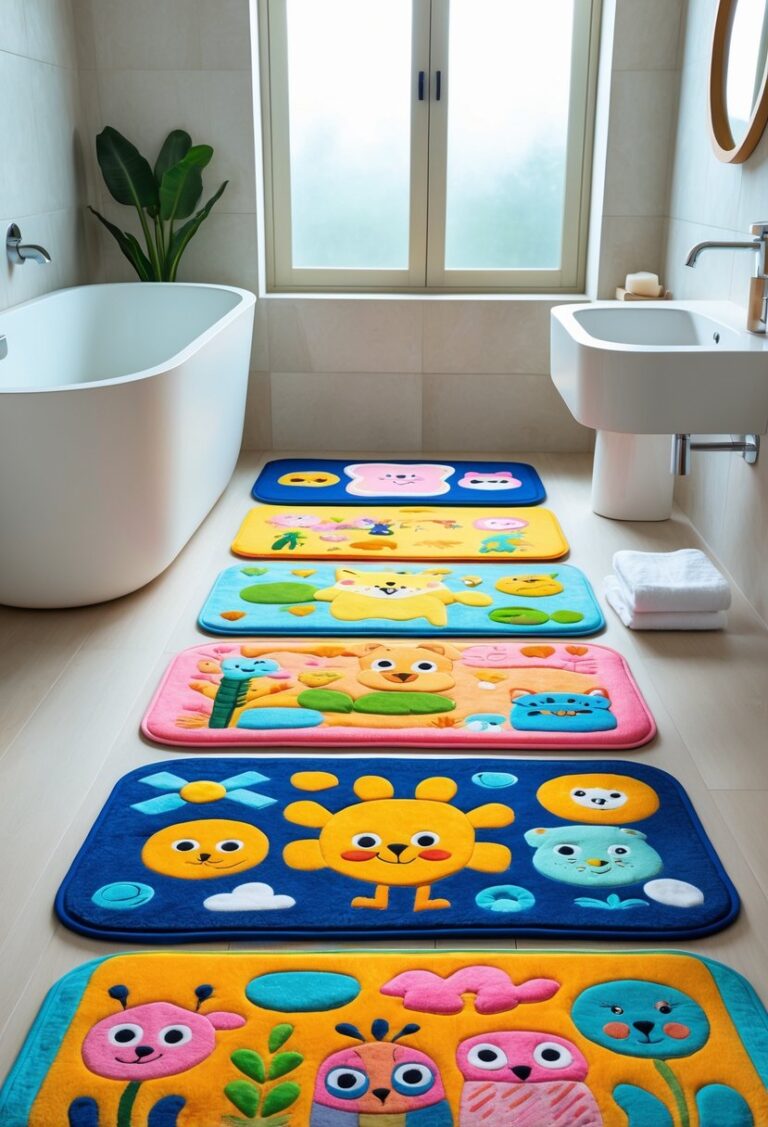
Adding accent colors is an effective way to personalize small bathrooms. Bright towels, soap dispensers, or rugs introduce color without taking up room. It’s best to pick two or three complementary hues to keep the look cohesive.
Decorative accessories such as plants, framed art, or sleek storage containers bring character without clutter. Fixtures in metallic finishes like brushed nickel or matte black introduce modern touches that stand out. Keeping these items minimal and purposeful supports both style and functionality.
Frequently Asked Questions:
Choosing light, neutral colors like white, pale gray, or soft pastels helps open up a small bathroom and reflect more light. Using a consistent color palette throughout makes the space feel less cluttered and more unified.
What are the best color schemes to use in a small bathroom to enhance the perception of space?
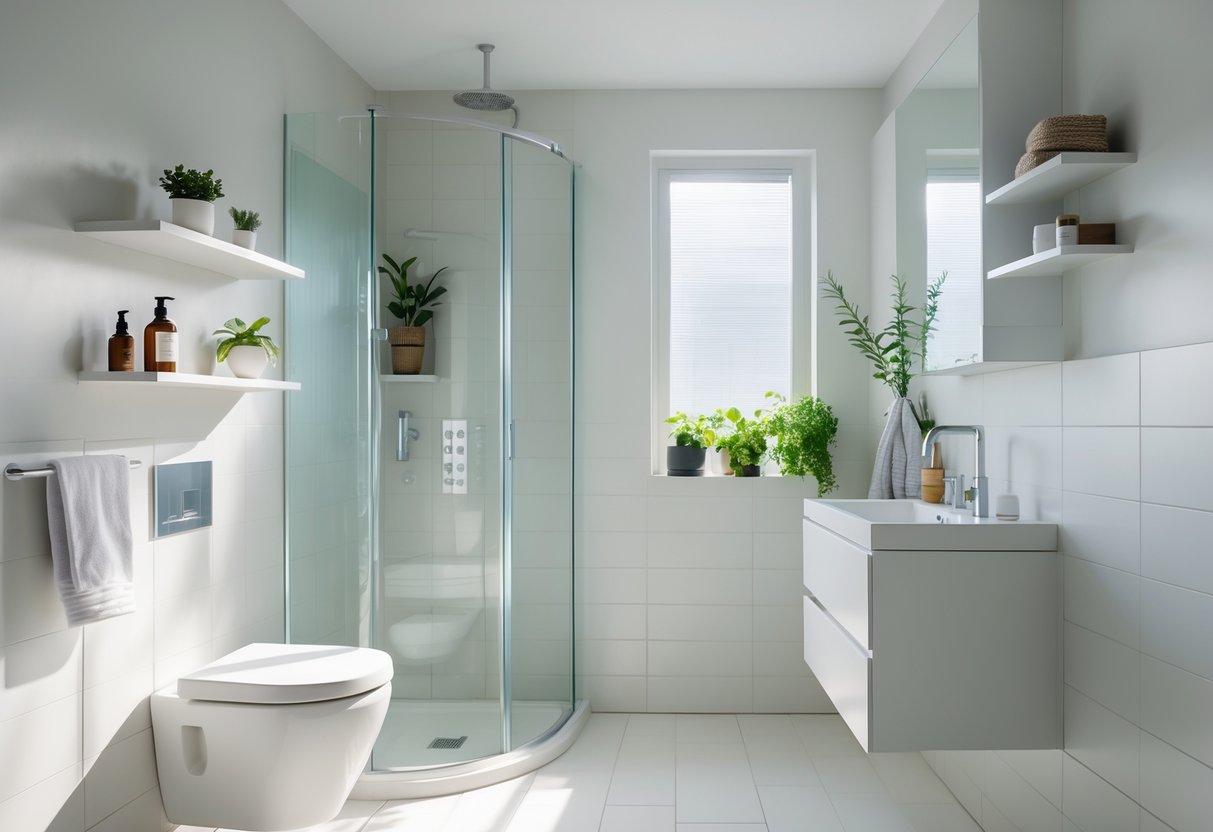
Light colors work best in small bathrooms. Whites and light grays create a clean canvas, while soft blues or greens add a calm, airy feel. Avoid very dark or heavily patterned walls because they can make the room feel smaller and more crowded.
How can I arrange fixtures in a tiny bathroom to maximize functionality?
Place fixtures along one wall or in an L-shape to save floor space. A corner sink or wall-mounted toilet can free up room. Use compact fixtures sized for small spaces. Keep clear walkways to improve movement through the bathroom.
What are some space-saving storage solutions for small bathroom designs?
Use vertical storage like tall cabinets or shelves above the toilet. Floating shelves create storage without taking floor space. Install recessed medicine cabinets or niches in the shower to keep items organized and out of the way.
Could you suggest effective lighting ideas for making a small bathroom feel larger?
Use bright, even lighting from LED fixtures that mimic daylight. Position lights above or beside mirrors to reduce shadows. Consider adding a skylight or window if possible to bring in natural light. Avoid heavy, dark light fixtures that can reduce brightness.
What are the key considerations for selecting a shower design in a small bathroom layout?
Choose walk-in showers with clear glass doors to keep sightlines open. Sliding doors save space compared to swinging ones. Opt for a shower base that fits the room without crowding other fixtures. Corner showers often work well in tight layouts.
Can you provide tips on how to effectively use mirrors to increase the sense of space in a small bathroom?
Place large mirrors on walls or behind sinks to reflect light and expand the view. Mirrored cabinets serve double duty as storage and visual enhancers. Consider mirrored walls or multiple smaller mirrors arranged strategically to create depth. Avoid small mirrors that break up space too much.