Calm the Chaos: A Renter’s Guide to Feng Shui Fixes for a Bathroom Over the Bedroom
If you wake up feeling off or just tired, and you know there’s a bathroom right above your bedroom, you’re definitely not alone. There are a few renter-friendly tweaks you can try to bring back some balance—no moving required. Close doors and lids, add a lamp that shines upward, toss in some earth-toned bedding or a healthy plant, maybe hang a little crystal to break up that heavy vibe. All easy, reversible stuff that helps with the downward, draining energy from the bathroom above.
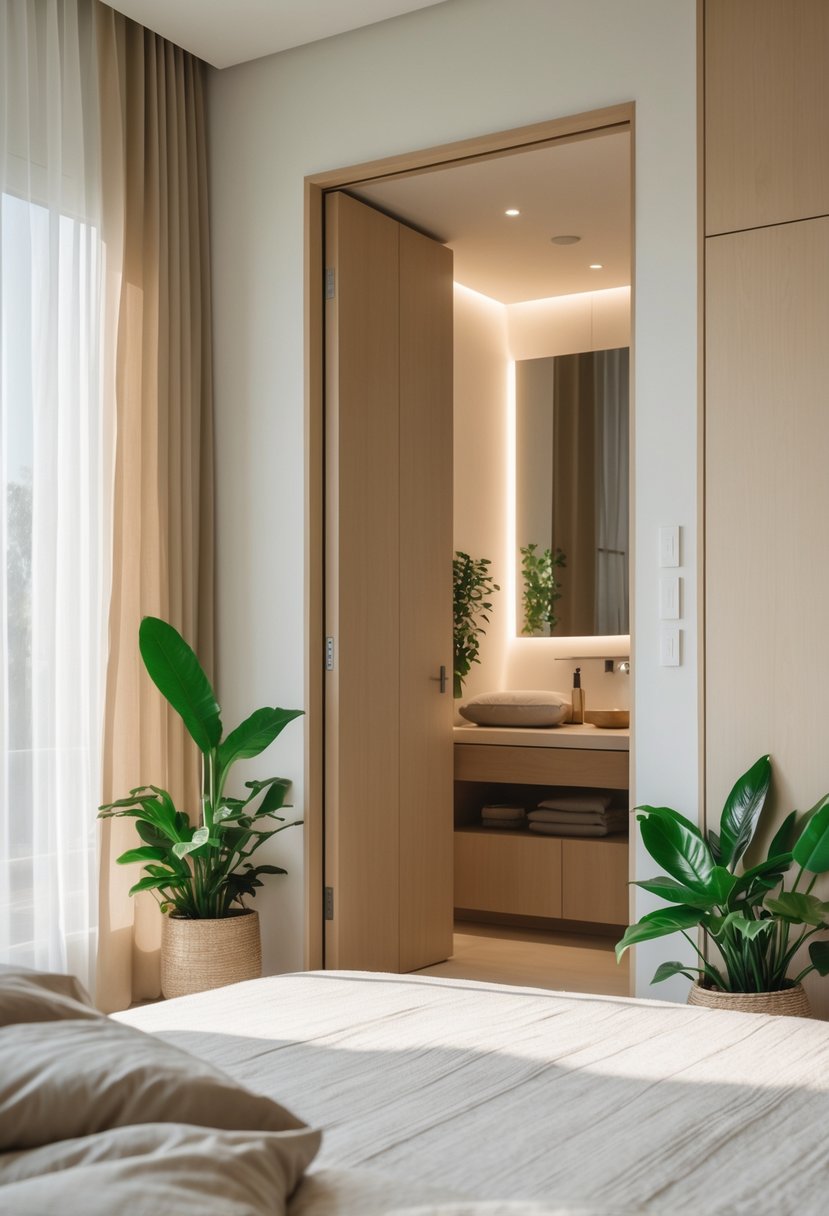
This post gets into the basic feng shui idea behind the issue, shares practical fixes that won’t mess with your rental, and suggests some upgrades to boost the bedroom’s energy. Think easy swaps, small placement tips, and a few habits that can make your space feel a lot calmer and more supportive—especially at night when it matters most.
Feng Shui Foundations For Bathroom Above Bedroom:
So, why does having a bathroom above a bedroom mess with sleep or make things feel off? It’s all about how energy, or chi, moves (or doesn’t). There’s a tendency for energy to get stuck or just leak away, and certain elements can help rebalance things, even if you can’t knock down walls.
Understanding Feng Shui Challenges In Rentals:
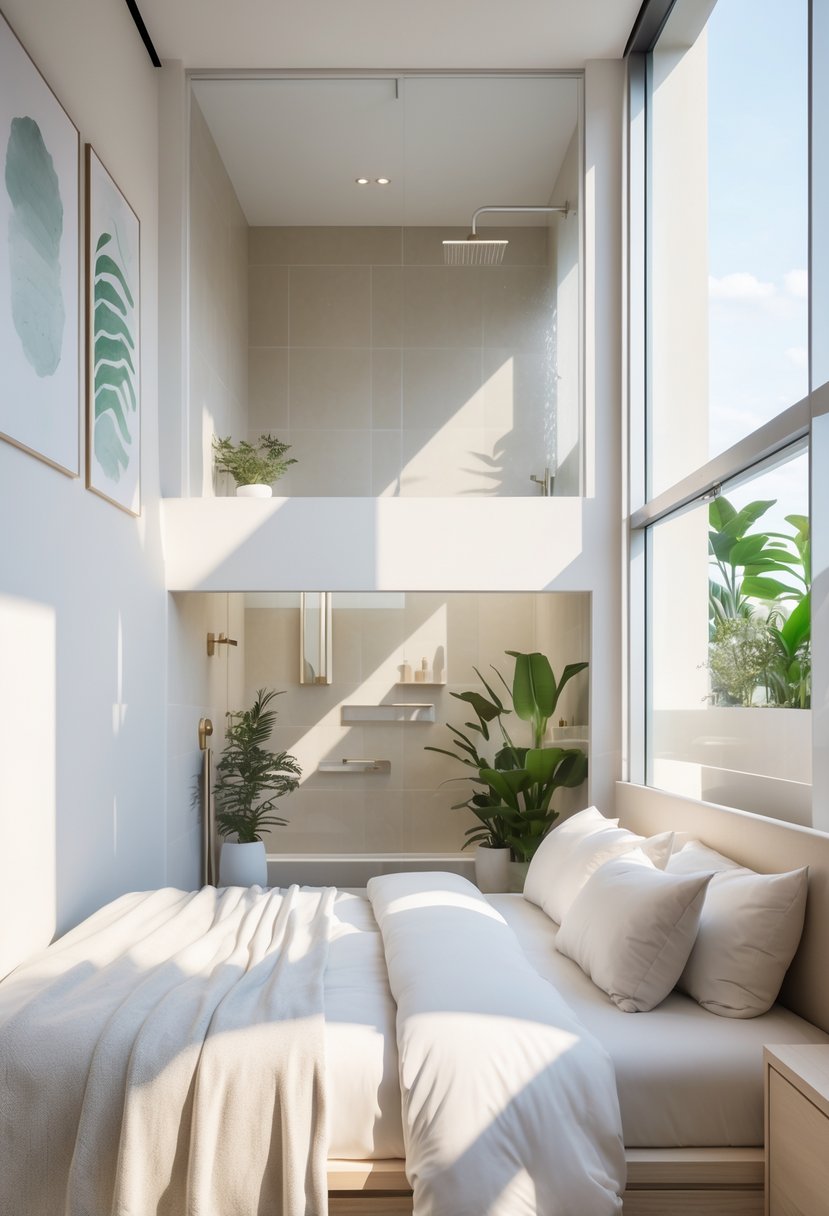
Here’s the deal: when a bathroom sits over your bedroom, there’s this constant downward pull on the energy below. Water drains, pipes, and the toilet all create a symbolic flow that can leave the bedroom feeling heavy or kind of zapped. Obviously, renters can’t just move plumbing, so any fix has to be non-invasive and easy to undo.
There are also the more obvious issues—noise, moisture, and that weird sense of “loss” from water above your head while you’re trying to rest. These can show up as restless sleep, low energy, or just a nagging sense that something’s not right. Simple habits like keeping the bathroom door and toilet lid closed, running a dehumidifier, and watching for leaks help keep things contained and the energy less disruptive.
Role Of Chi And Stagnant Energy:
Chi—think of it as the “life juice” feng shui tries to balance—can get drained or stuck in this setup. Stagnant energy especially collects in corners, under the bed, or anywhere clutter piles up, so if you want good vibes and better health, keep those areas clear.
If you can’t change the structure, focus on creating barriers and encouraging flow. Try shutting the bedroom door at night, adding an upward-facing lamp to “lift” things, and maybe running a fan or adding a few lively plants. These steps nudge the chi toward circulation instead of loss.
The Five Elements For Balancing Energy:
The Five Elements—Water, Wood, Fire, Earth, Metal—are your toolkit here. Bathrooms crank up the Water, so you’ll want to bring in Earth to soak up and stabilize things. Go for earthy colors in your bedding or a rug, and maybe set out a couple of ceramic bowls or stones to ground the space.
Plants (Wood element) in the bathroom help turn all that Water into something positive—growth. Pick easy, low-light plants like pothos or snake plant. Add a dash of Fire—maybe a warm lamp or a little red ribbon up high—to balance out the Water, but don’t go overboard. Metal and shiny stuff? Keep it minimal right under the bathroom, but it’s fine elsewhere if you want to tweak the chi flow.
Mixing these elements—Earth to anchor, Wood to transform, and a touch of Fire to lift—builds a layered defense against that draining effect from above. These small, renter-friendly tweaks work together to protect your bedroom’s restorative energy.
Effective Renter-Friendly Feng Shui Solutions:
Try placing your bed so you can see the door, use small plants and crystals to soak up moisture and stale vibes, and add removable dividers and layered lighting for visual separation and calm. These moves are all about practical, rental-safe changes—no drilling, no headaches.
Optimizing Command Position And Bed Placement:
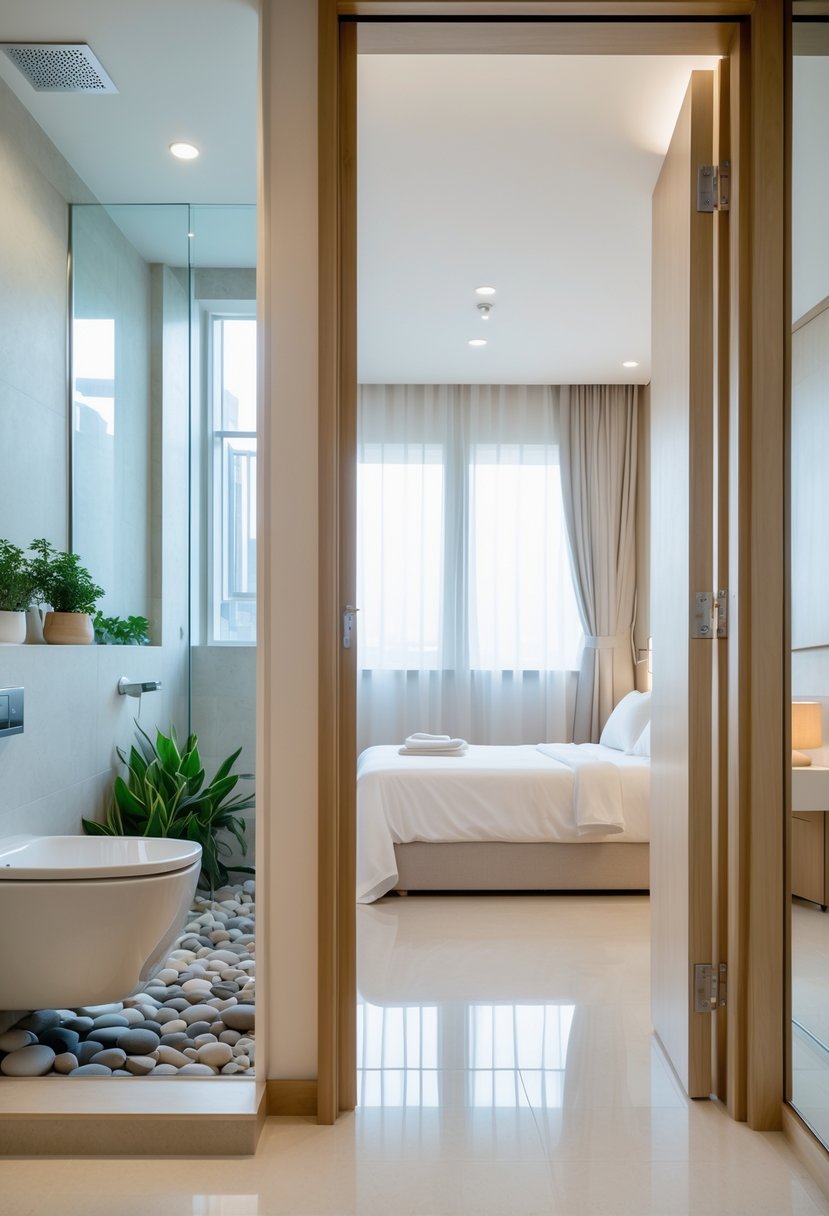
Ideally, your bed should be in the “command position”: headboard against a solid wall and a clear view of the bedroom door, preferably diagonal from it. If the bathroom’s right above, try nudging the bed away from being directly under any plumbing. Even shifting it by half a foot can make a difference. If possible, move it to the opposite wall to break the direct line.
Use a sturdy headboard for a sense of support. Pop a low nightstand on each side to anchor things. If you can’t see the door from bed, angle a mirror so you can—but avoid reflecting the bed itself. Stick-on hooks or leaning the mirror against the wall works if you can’t drill.
Enhancing Energy Flow With Crystals And Decor:
Grounding crystals like black tourmaline or smoky quartz near the foot of the bed are said to absorb heavy or damp energy. If you’re into it, rose quartz or amethyst on the nightstand can help with calm and sleep. Use little porcelain trays to keep crystals tidy and easy to pack when you move.
Stick to plants that don’t mind low light or humidity—snake plant on the floor to filter air, pothos hung in a corner (but not where it’ll get bathroom splash) to help with moisture and keep air moving. Washable bedding—cotton or linen—is a good call to avoid mildew and keep things fresh.
Using Removable Room Dividers And Lighting:
For a visual barrier, try tension rod curtains or a folding screen across the bedroom entrance. Breathable fabric panels let air flow but cut down on noise and block that direct line from bathroom to bed.
Layer your lighting. Plug-in sconces or a floor lamp with a warm bulb can add some soft, upward light. Battery-powered LED strips under the bed or behind furniture can visually “lift” the space. If humidity’s a problem, set a small dehumidifier near the bathroom wall to keep things dry and energy from getting stale.
Practical, Non-Permanent Bathroom Upgrades:
These fixes are all about easy, reversible upgrades—think peel-and-stick materials, improved fixtures, and accessories that leave no trace when you move out.
Installing Peel-And-Stick Tiles And Backsplashes:
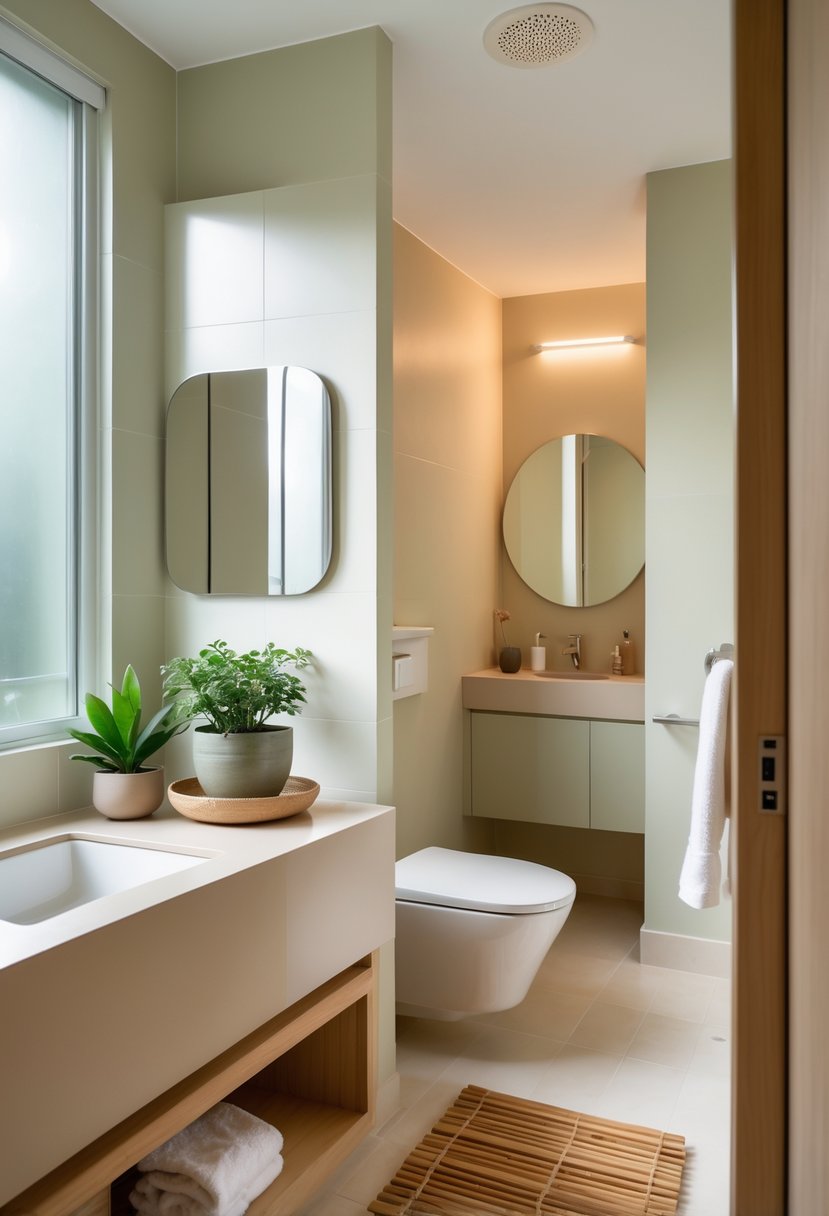
Peel-and-stick tiles are a lifesaver on clean, flat surfaces—backsplashes, small wall sections, whatever. They come in vinyl, faux tile, even stone-look versions that can handle a little moisture. Measure first, buy a little extra, and dry-fit the pieces before you peel the backing.
Prep matters: wipe the area with mild cleaner and let it dry. For spots near water, pick waterproof versions. Use a straightedge and utility knife for neat cuts. If you’re working over grout or texture, press hard and use a roller so the edges stay put.
When it’s time to move, warm a corner with a hairdryer and peel gently. Any sticky leftovers come off with adhesive remover that’s safe for paint. Hang onto the original tiles or trim if your lease says you have to put things back.
Applying Removable Wallpaper And Contact Paper:
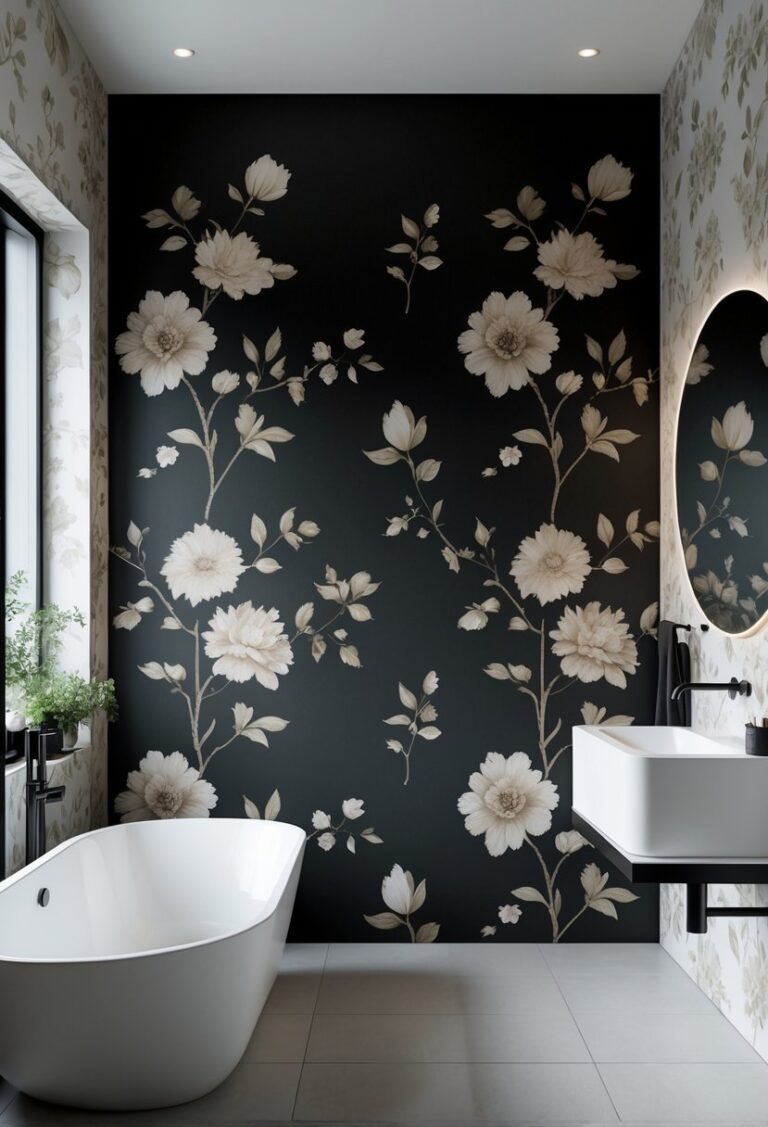
Removable wallpaper or peel-and-stick contact paper is perfect if you want a pop of color or pattern without painting. Works best on smooth walls or behind the sink. Vinyl-backed or water-resistant types are best for steamy spots.
Apply in vertical strips, using a plumb line to keep things straight. Peel the backing slowly and smooth out bubbles as you go. For corners, make tiny relief cuts instead of folding; butt seams together for less peeling.
Contact paper is handy for counters—just pick thicker, heat-resistant kinds for durability. When removing, heat the seams and peel at an angle. Any gunk left behind wipes off with rubbing alcohol. Keep a scrap for touch-ups or matching if something gets damaged.
Upgrading Showerheads And Accessories:
Swapping your showerhead is a quick renter-friendly upgrade—no major plumbing needed. Most shower arms use standard threads, so you can switch to a handheld, high-pressure, or even a rainfall head. Use plumber’s tape and tighten by hand (maybe a wrench with a cloth, but don’t scratch).
Add storage with removable towel bars or over-the-toilet shelves—tension rods or stick-on hooks are your friend. For a better shower, pick a handheld with different spray settings and easy-clean nozzles to keep mineral build-up at bay.
If you’re replacing a builder-grade fixture, stash the original so you can swap it back before moving out. Most of these swaps take under an hour and, if you’re careful, won’t leave a trace.
Creating Lasting Harmony In A Rental Space:
Keep the bathroom smelling fresh, block the view from bed to toilet, and stick to small, removable fixes for privacy and energy. Focus on fresh air, good lighting, and portable boundaries that won’t get you in trouble with your landlord.
Maintaining Good Energy Flow:
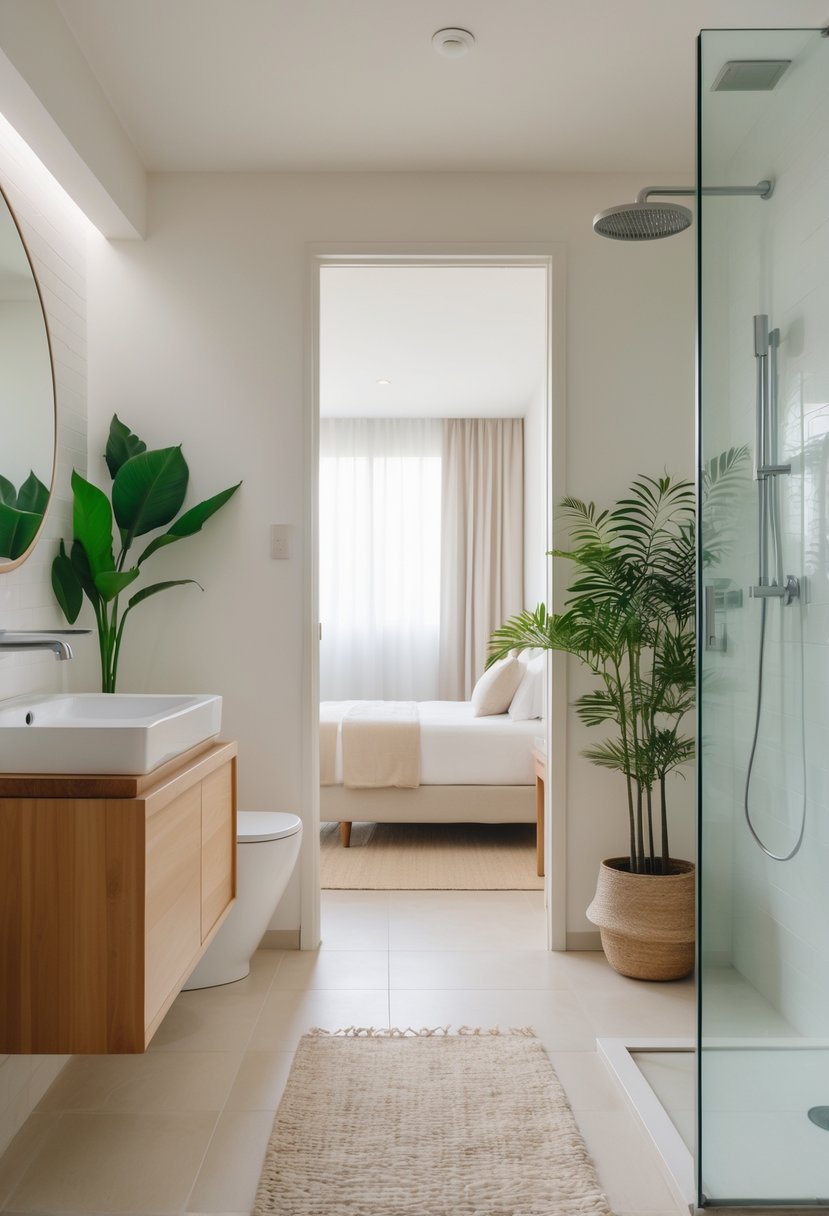
Start by keeping the bathroom door closed and running the fan when needed to clear out air quickly. A little activated charcoal pouch or an odor-neutralizing spray can help with smells—no harsh chemicals required.
Clear the floor by using wall-mounted or over-the-toilet storage (tension rods and adhesive hooks are handy). This way, the path between bedroom and bathroom stays open and feels less cluttered.
Lighting matters: add a warm, battery-powered night light near the bathroom entrance so nighttime trips feel calm and less jarring. Store cleaning supplies in sealed bins to avoid strong, lingering scents that can mess with your sleep.
Adapting Feng Shui As A Tenant:
Go for renter-safe options: peel-and-stick screens, folding dividers, and tension rods with curtains give instant privacy without drilling or painting.
Set a small plant or even some fake greenery by the bathroom threshold to create a natural boundary and soften the transition. If plants aren’t your thing, a narrow shelf with a vase or a framed print works too.
Use rugs to define the space—a washable runner outside the bathroom, a soft rug under the bed—to anchor each zone. Keep everything removable so you stay on your landlord’s good side and moving out stays hassle-free.
Blending Functionality With Style:
It’s surprisingly easy to tie bathroom fixes into bedroom decor—just play with materials and colors that echo each other. Maybe you go for curtain fabrics, rugs, or storage baskets that all stick to a two-toned palette. That way, the divider looks like it belongs there, not just thrown in as an afterthought.
Pick stuff that actually does its job but doesn’t look boring: maybe a decorative folding screen, a woven laundry hamper, or even a wooden tension-shelf. Storage doesn’t have to feel clunky. If you want to cut down on visual clutter, matching containers for toiletries are a game changer—trust me, it makes a difference.
Don’t forget about those little touches—a framed mirror on the bedroom wall, softer lighting, matching or at least coordinated textiles. They make the whole space feel like someone actually thought it through. All these choices make daily routines smoother, and the room stays comfy and renter-friendly. That’s the goal, right?
Frequently Asked Questions:
Let’s get practical: these ideas are all about renter-safe tweaks—moving furniture, putting up barriers, playing with lighting, and using decor you can take down later. The aim? Redirect energy, cut noise, and keep moisture problems at bay without risking your deposit.
How can I improve the feng shui of a bed positioned against a bathroom wall?
First off, try to set the bed so the headboard is solidly against the wall—gives a sense of support. If you can nudge the bed a few inches away from the bathroom wall, even better; every bit helps.
A thick headboard or a tall bookshelf between the bed and wall can do wonders for blocking noise and dampness. Sealing up any gaps with weatherstripping, and keeping the bathroom door shut, helps keep humidity and sound from sneaking in.
Layer on soft textiles—think a rug, heavy curtains, or a wall hanging on the bedroom side. They soak up sound and make the boundary feel more settled. Honestly, it’s more comforting that way.
What are effective feng shui remedies for a bathroom located within a bedroom?
If you can, add a full door or even a privacy curtain to split up wet and dry zones. A real visual barrier goes a long way in blocking direct line-of-sight and keeping bathroom energy contained.
Good ventilation matters—a quiet fan or a small dehumidifier helps keep moisture from taking over. And for the air? A subtle essential oil diffuser or even a deodorizer keeps things fresh, not overwhelming.
Try adding grounding touches on the bedroom side: maybe a small wooden table with a plant, a cozy lamp, or a folded blanket. These help anchor the space and pull attention away from the bathroom. It’s those details that make the difference, isn’t it?
How can I arrange my bed in a feng shui manner if my bedroom is above a stove?
If your bedroom sits right above a stove, try not to have the bed placed directly over it—if you can help it. Shifting the bed to another wall or even angling it a bit diagonally might help, even if you can only move it a few feet away. Sometimes, that’s all you can do in a tight space.
Going for a sturdy headboard and maybe hanging a canopy or some fabric from the ceiling can really help—it gives you a bit of a buffer, something that feels safe and blocks out some of that odd energy (or heat, or noise) coming from below. It doesn’t have to be fancy, just something that makes you feel more secure.
I’d also suggest bringing in some cool colors, maybe a fan to keep the air moving, and soft stuff like rugs or even some fabric wall hangings. Little things like that can make the space feel calmer and less intense, especially if you’re sensitive to the energy in the room.