Smart Open Kitchen Layout Ideas for Small Homes That Feel Bigger Instantly
Small homes can feel a bit cramped, especially when it comes to kitchen design. That’s why open kitchen layouts are such a lifesaver—they make it easier to move around and let you blend cooking with the rest of your life. An open kitchen layout can seriously open up a small home, especially when you ditch a wall or two and lean into clever storage, lighter colors, and pieces that do double duty.
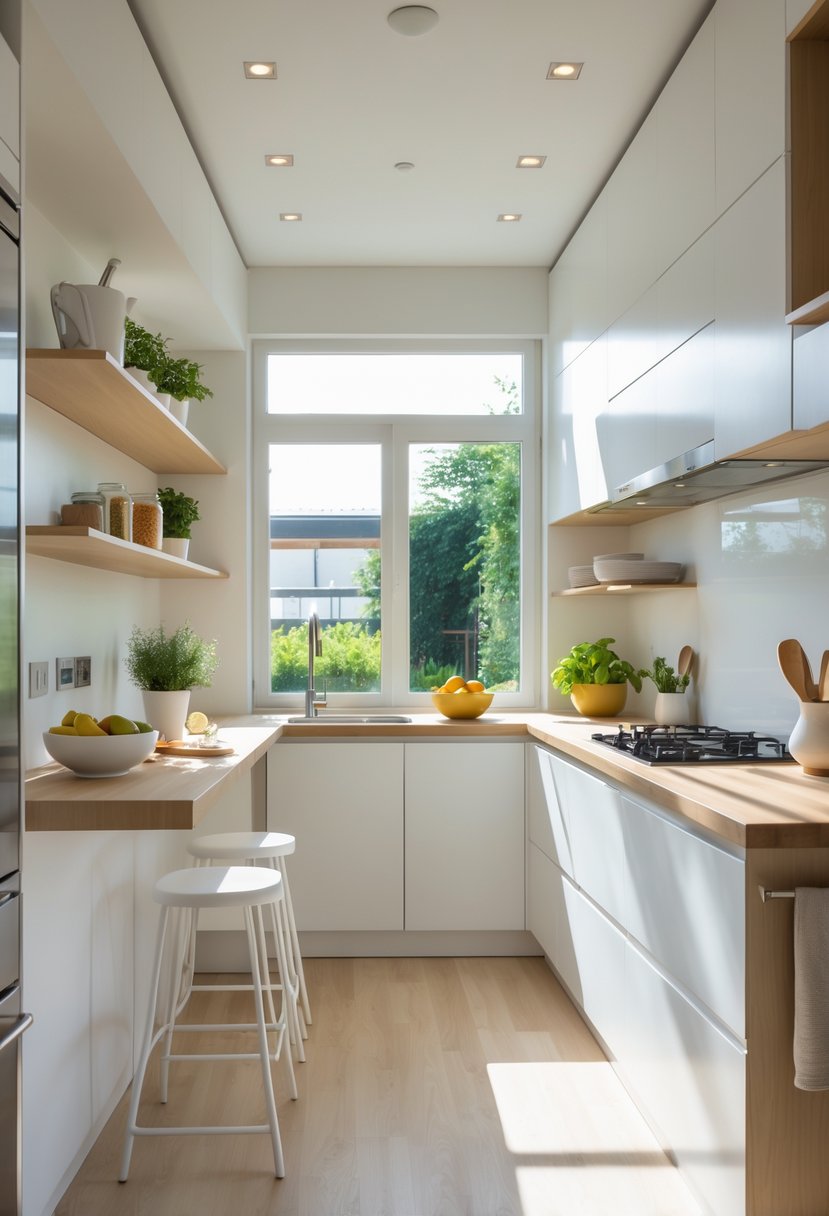
This kind of setup is all about breaking down barriers—literally and figuratively. You get more sunlight, and there’s a natural flow between rooms, so nobody’s stuck alone in the kitchen. Compact islands, pull-out counters, and vertical storage are solid picks—they add style and function without making things feel crowded.
Keeping things simple and organized is the secret sauce. An open kitchen in a small home ends up being both practical and, honestly, a lot more welcoming. With the right layout, you can turn even the tiniest space into a spot that works for cooking, eating, and hanging out—all without feeling boxed in.
Key Principles of Open Kitchen Design for Small Homes:
Open kitchen layouts in small homes are really about squeezing every bit of function out of limited space, while still looking good. You want storage, sure, but you also want the kitchen to feel open, not packed. The right transitions, colors, and layout can totally change how big the space feels.
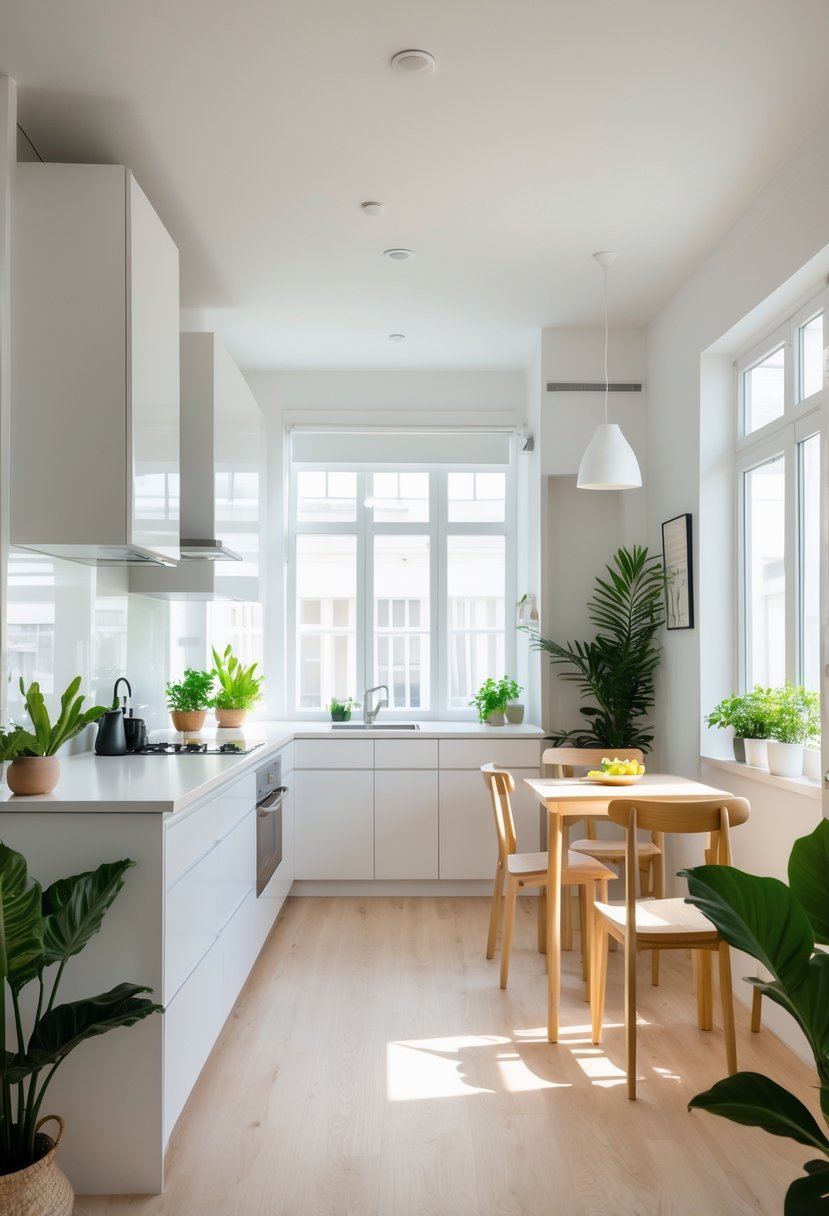
Benefits of Open Kitchen Layouts in Compact Spaces:
Ditching walls makes a small home feel way less boxed in. More light, better views—it just feels bigger. Plus, with everything more connected, it’s easier to chat, multitask, or keep an eye on kids (or the TV).
Space-saving tricks like slim islands or floating shelves give you more room to work and stash things, but don’t eat up precious square footage. The open plan also means you can move furniture around to fit whatever’s going on that day. Basically, you get a space that actually works for real life.
Planning for Seamless Transitions and Flow:
Transitions matter. If you can keep the same flooring rolling from kitchen to living room, it ties everything together. Rugs, lamps, or smart furniture choices can help mark out “zones” without breaking up the space.
Layouts like single-wall or galley kitchens are usually your best bet for easy movement. Islands can double as prep stations and casual dining spots, acting as gentle dividers. Keeping finishes and hardware consistent across the open area keeps things feeling intentional, not random.
Choosing the Right Color Palette:
Sticking to neutrals—think whites, creams, soft grays—helps bounce light around and keeps the kitchen from feeling cluttered. If you use the same or similar shades for cabinets, walls, and shelves, the whole thing feels unified.
A few pops of matte black or muted wood tones can add some interest without making things busy. Natural materials like wood or stone on counters keep things warm, not sterile. If the colors flow from kitchen into the living area, the space just feels bigger and more put-together.
Maximizing Storage and Efficiency:
Making the most of a small kitchen is all about smart storage and not letting stuff pile up. The right furniture and appliances can help you stay organized without feeling boxed in.
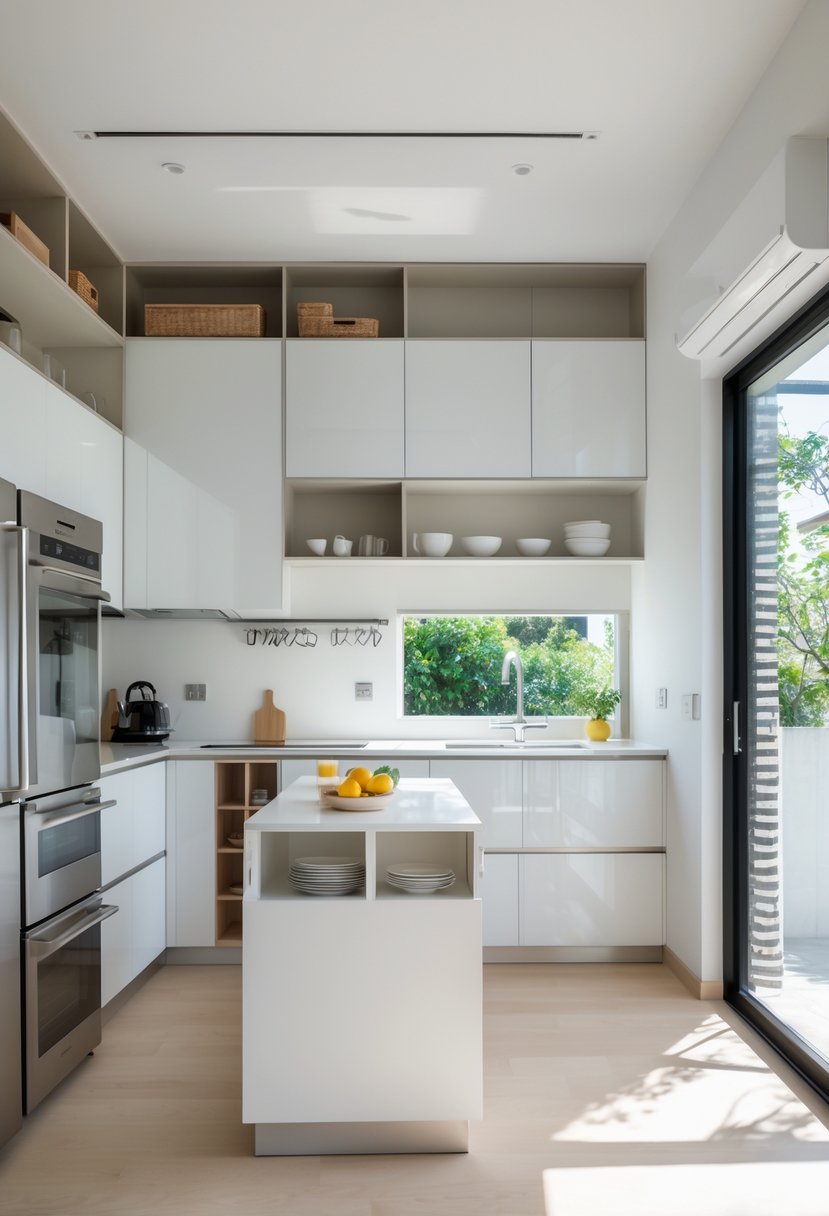
Innovative Storage Solutions for Small Kitchens:
Pull-out drawers and built-in organizers are game-changers. Deep drawers swallow up pots, pans, and even spices, so you’re not digging through cabinets. Hidden trash bins or sneaky compartments keep things off the counters.
Floating shelves are great for stuff you grab all the time—think mugs, spices, or bowls. You can keep things handy and still have open counters. Glass jars or clear containers on shelves look neat and make it easy to see what you’ve got.
Furniture that pulls double duty—like an island with drawers or shelves—makes every inch count. It’s all about blending storage and workspace so you’re not tripping over stuff.
Utilizing Vertical Storage:
Walls are your friends. Tall cabinets that go all the way up can hide away the things you don’t use every day. Adjustable shelves help you customize the setup for your own needs.
Magnetic knife strips, rails, and hooks on the walls keep your go-to tools close and free up drawers. You can even hang small pots or utensils, which is pretty handy.
High open shelves keep the kitchen feeling open but still give you space to stash things. If you need to, a step stool or pull-down rack makes those out-of-reach spots usable. Vertical storage really stretches what you can fit in without taking up floor space.
Smart Appliance Choices for Compact Spaces:
Small-space appliances are a must. Slim fridges, built-in dishwashers, or combo microwave-ovens fit into tight spots and leave you with more storage.
Appliances with smart features—voice controls, precise temps, even built-in cameras—can make cooking easier, especially when space is at a premium. Fold-down or retractable gadgets are great for keeping things tidy.
If you can get appliances that do more than one thing, you’ll have less clutter and more open space to work with.
Incorporating Multi-Functional Furniture:
Furniture that can do more than one job is a lifesaver. Foldable tables can pop up when you need them and disappear when you don’t.
Stackable or nesting chairs tuck away under counters or against the wall, so you’re not tripping over them. Some furniture even combines storage with seating or prep space, which is just smart.
A kitchen island on wheels? Super handy. You can move it around to open up space or create a quick cooking or social zone.
When every piece of furniture serves a purpose (or two), it really helps keep clutter in check.
Design Features That Enhance Openness:
If you want your small kitchen to feel open, you’ve got to be picky about layout and materials. Islands, lighting, and clever storage can all work together to make the space feel bigger and more usable.
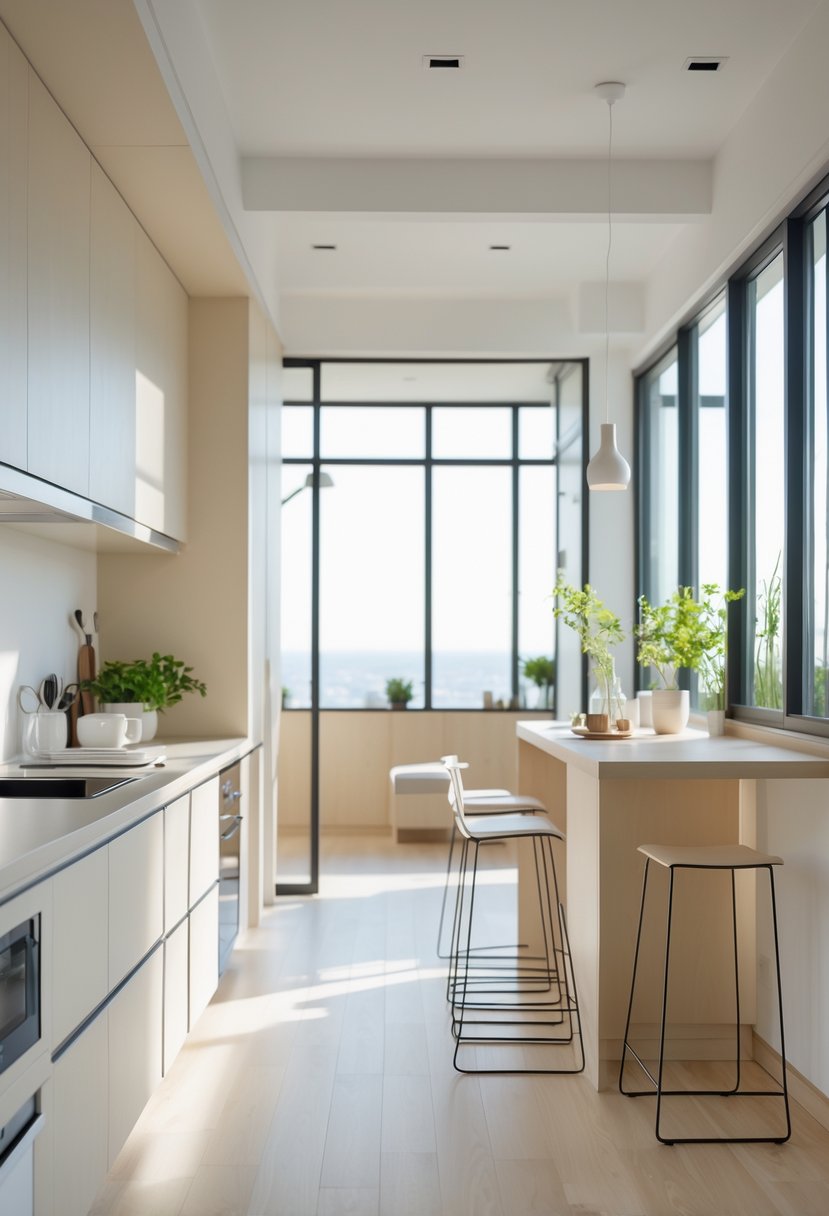
Selecting and Positioning Kitchen Islands:
With small kitchens, the island should be compact and do a little bit of everything. A skinny island adds counter space and storage without making things feel tight. Islands with a breakfast bar are awesome for seating but still keep the flow open.
Try to place the island parallel to your main counters or facing the living area for a smoother vibe. If it’s on wheels, even better—you can move it around as needed. And for counters, solid surface countertops like quartz or granite look sharp and last.
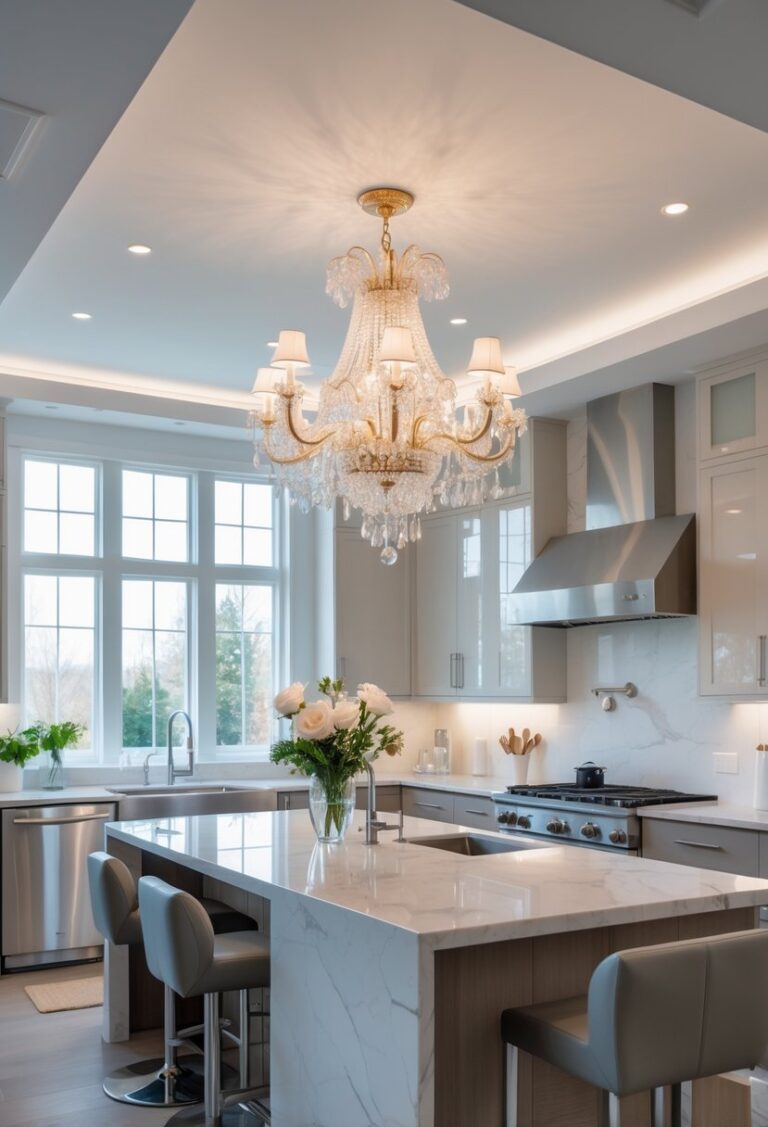
Don’t forget lighting—pendant lights above the island brighten things up and act as a visual break between kitchen and living space.
Embracing Natural Light and Reflective Surfaces:
Letting in as much natural light as possible is a total game-changer. Setting the kitchen near big windows or adding glass doors lets sunlight pour in. Light-colored walls and cabinets only boost that effect.
Reflective surfaces—think mirrored backsplashes or glossy cabinet fronts—bounce the light around, making things feel bigger. Stainless steel appliances add some shine and keep things modern without visual clutter. Under-cabinet LEDs are subtle but make a big difference for workspace lighting.
If you’ve got a window, hanging a planter or two nearby adds some life and depth without blocking the light.
Using Open Shelving for a Spacious Feel:
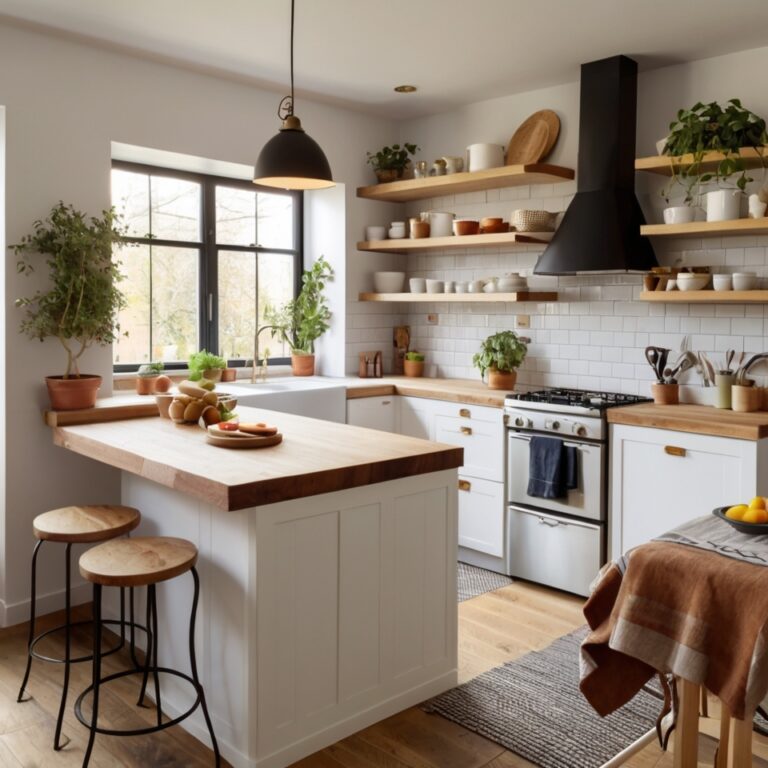
Open shelves can take the place of heavy cabinets and keep the kitchen feeling open. Mix up the heights and show off a few favorite dishes, some cookbooks, or a plant. Natural wood with black brackets? Always looks good.
Putting shelves up high or over counters keeps storage available but doesn’t block sightlines. Hooks under shelves are a sneaky way to keep mugs or utensils handy. A strip of LED lights underneath can make things pop and help you see what’s where.
Open shelving is a chance to show a little personality and keep things accessible, without closing in the space.
Personalizing and Updating Your Small Open Kitchen:
Making your small open kitchen your own is half the fun. Small tweaks—whether it’s a style update or a mini remodel—can make your kitchen feel both more comfortable and more “you.” The trick is to keep the open vibe while getting the most out of every inch.
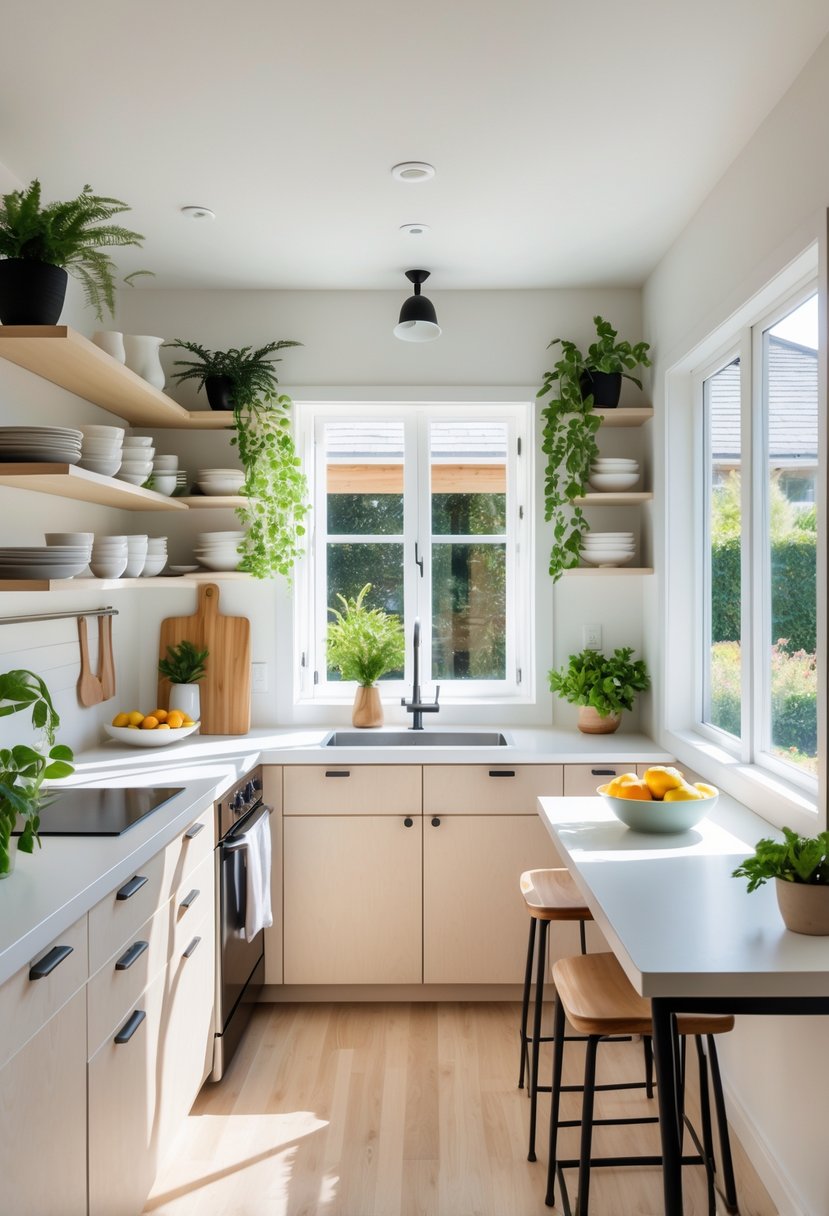
Modern Styling Ideas for Small Open Kitchens:
Modern small kitchens usually go for clean lines, neutral colors, and sleek surfaces. White, gray, or beige cabinets with shiny finishes help keep things light. Floating shelves or glass-front cabinets can make the space feel more open and less cluttered.
A galley kitchen layout is a solid choice, with everything in reach and no wasted steps. A minimalist range hood can be a cool focal point without taking over the room. Stainless or matte finishes are always a safe bet for a modern edge.
If you can, go for compact appliances and multipurpose pieces like a slim island or breakfast bar. Rounded corners on counters or tables keep things flowing and help avoid that “tight squeeze” feeling.
Remodel Tips and Small Updates That Make a Difference:
You don’t have to gut the kitchen to make it work better. Cabinets that go all the way up give you more storage and keep counters clear. Pull-out pantry drawers and corner shelves help you use every little bit of space.
Swapping cabinet handles or adding under-cabinet lights can refresh the look fast. If you’re up for it, replacing upper cabinets with open shelves makes things easier to grab and lets you show off your favorite stuff.
A dark accent wall behind shelves or a modern range hood adds contrast and can actually make the space feel bigger. When you update, try to keep colors flowing from kitchen to living room—it helps everything feel connected.
Frequently Asked Questions:
Got questions? Here’s some quick advice on budgets, layouts, squeezing in more space, islands, storage, and keeping things open between the kitchen and living room.
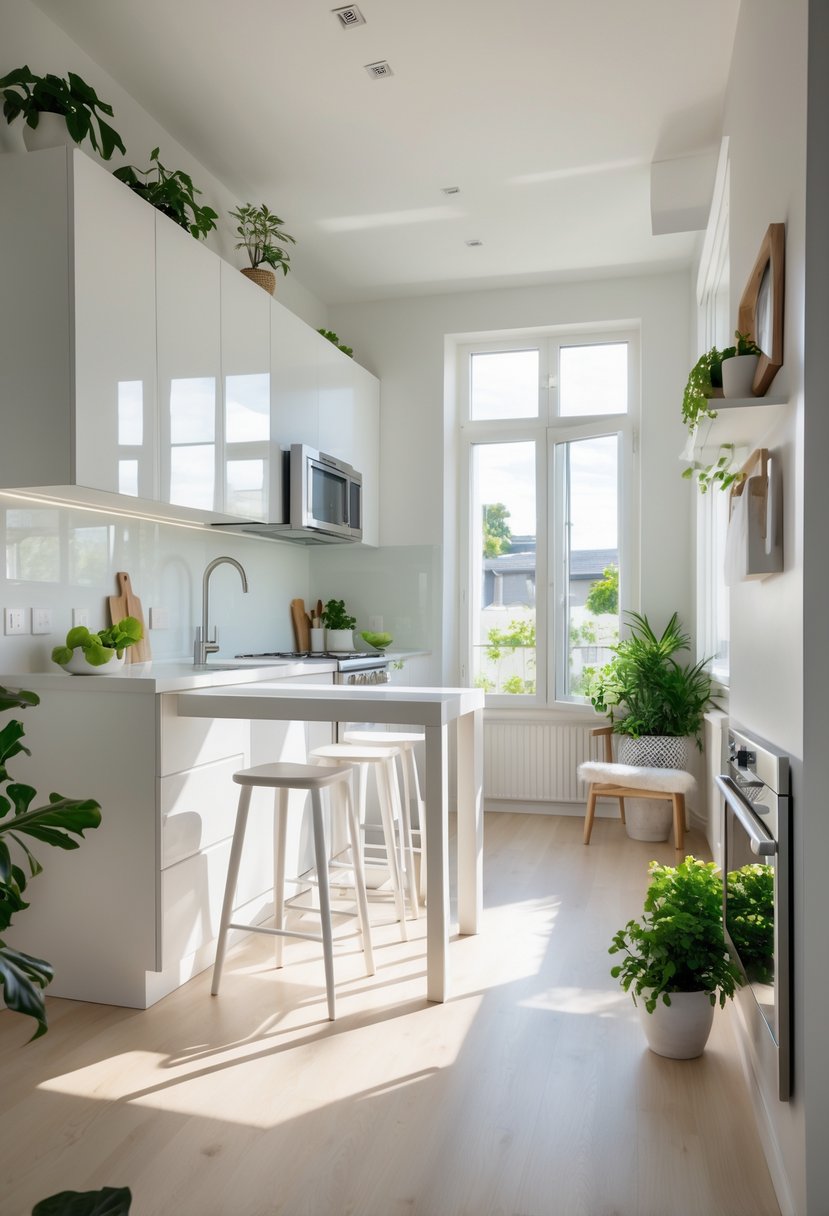
How can I design an open kitchen in a small space on a limited budget?
Stick with cosmetic upgrades like a fresh coat of paint, swapping out lights, or updating cabinet hardware. Open shelves with reclaimed wood are cheap and add some personality.
If you can, avoid moving plumbing or knocking down walls—it gets expensive fast. Peel-and-stick backsplashes, compact seating with storage, and other small tweaks can totally change the feel without breaking the bank.
What are some effective open kitchen layouts for homes with limited space?
Single-wall and galley layouts are your best friends in a narrow space. They keep things streamlined and connected without blocking sightlines.
A skinny island or breakfast bar can add workspace and seating without making things feel tight. If possible, have the kitchen open up to the living room for better flow and a more open feel.
Which design strategies maximize space in a small open plan kitchen living room?
Go for light-colored, slim cabinets to keep things bright. Let the flooring and colors flow from kitchen to living room so everything feels like one space.
Vertical storage—like shelves up high—frees up the floor. Under-cabinet lighting and minimal hardware help keep things open and uncluttered.
What are the top considerations when including an island in a small open kitchen?
Keep the island narrow or open underneath so it doesn’t feel bulky. Make sure it’s useful for more than one thing—prep, dining, storage, whatever you need.
Leave enough space to walk around it comfortably. Rolling islands or fold-down breakfast bars are great if you want options in a tight space.
How can I optimize storage in my small open kitchen layout?
Try mixing open shelves with some upper cabinets—frosted glass doors can help keep things airy without putting everything on display. Honestly, hooks under shelves and a couple of pull-out drawers can make a big difference when it comes to keeping stuff organized.
If you can squeeze in a slim shelf above the sink or over a doorway, that’s a sneaky spot for things you don’t use every day. Oh, and don’t forget about lighting—LED strips under shelves aren’t just practical, they actually make the whole setup look pretty sharp.
What are some creative design tips for combining living spaces with an open kitchen in a small home?
Try matching finishes or hardware between the kitchen and living area—just enough for a sense of flow, but don’t stress if it’s not perfect. Rugs, lighting, and how you arrange your furniture can do a lot to carve out different zones, even when there aren’t any walls.
Honestly, flexible furniture is a lifesaver; pieces that double as both seating and tables help everything feel connected (and save precious space). If you ever want a bit of separation, lightweight curtains or sliding panels can give you that privacy without locking anything in permanently.