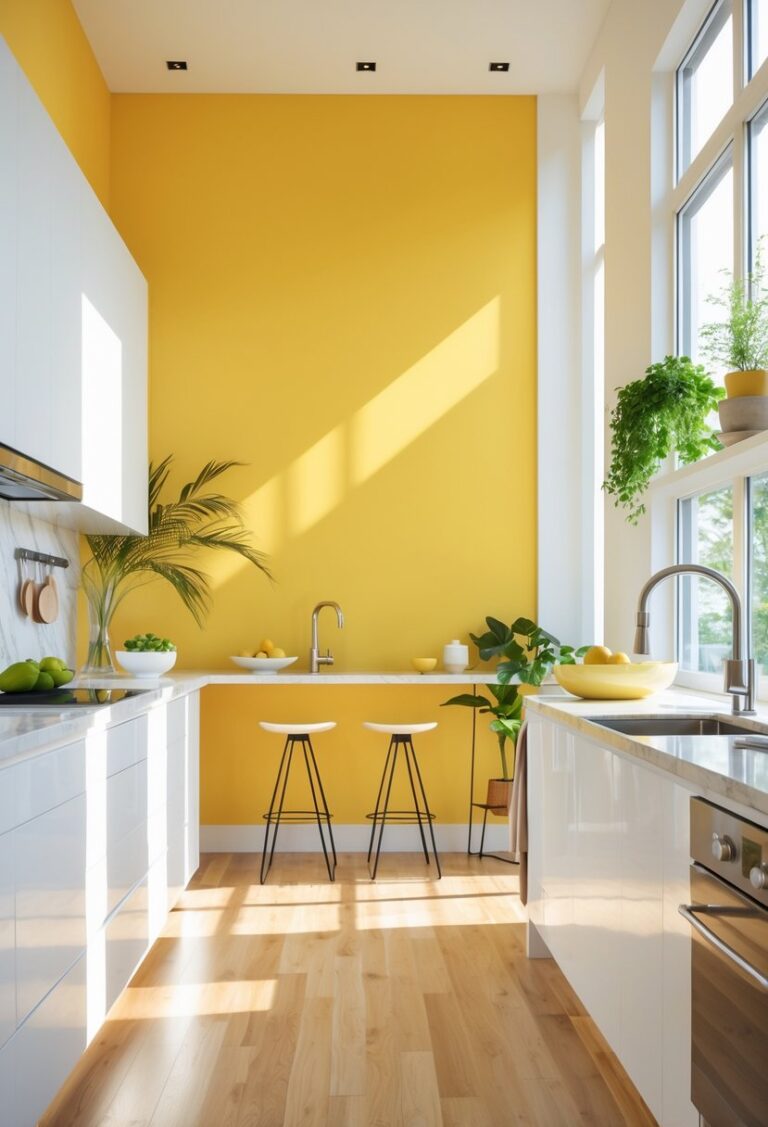
Space-Savvy & Stylish: Narrow Kitchen Pass-Through Ideas for Small Apartments
Honestly, a narrow kitchen pass-through might seem like a hassle at first, but it’s actually an opportunity to squeeze in more function and personality—no major reno required. With a little creativity, you can transform a tight cutout into a handy breakfast bar, bonus storage, or a spot for your favorite finds using renter-friendly, no-drill tricks that fit small apartments.
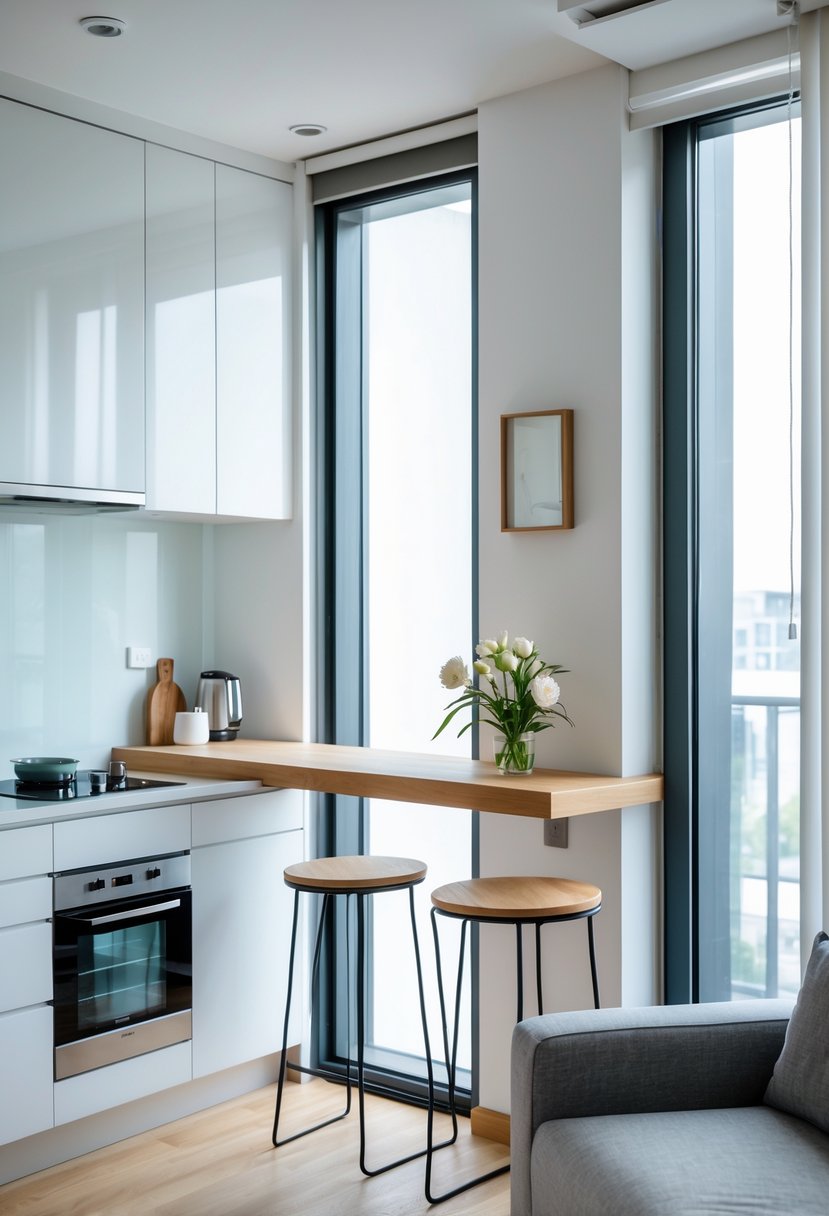
This post is all about why narrow pass-throughs can work in your favor, simple ways to save space, and easy tweaks to personalize the opening (without risking your deposit). You’ll find ideas for lighting, temporary shelving, trim, peel-and-stick accents, sneaky under-counter storage, and even a few privacy fixes that make every inch count.
Understanding the Narrow Kitchen Pass-Through:
Let’s face it: a narrow pass-through can open up the view, add a serving spot, and keep those pesky structural walls right where they should be. It’s often a lifesaver in tight layouts and gives you options—a framed window, a mini bar, or just a simple cutout.
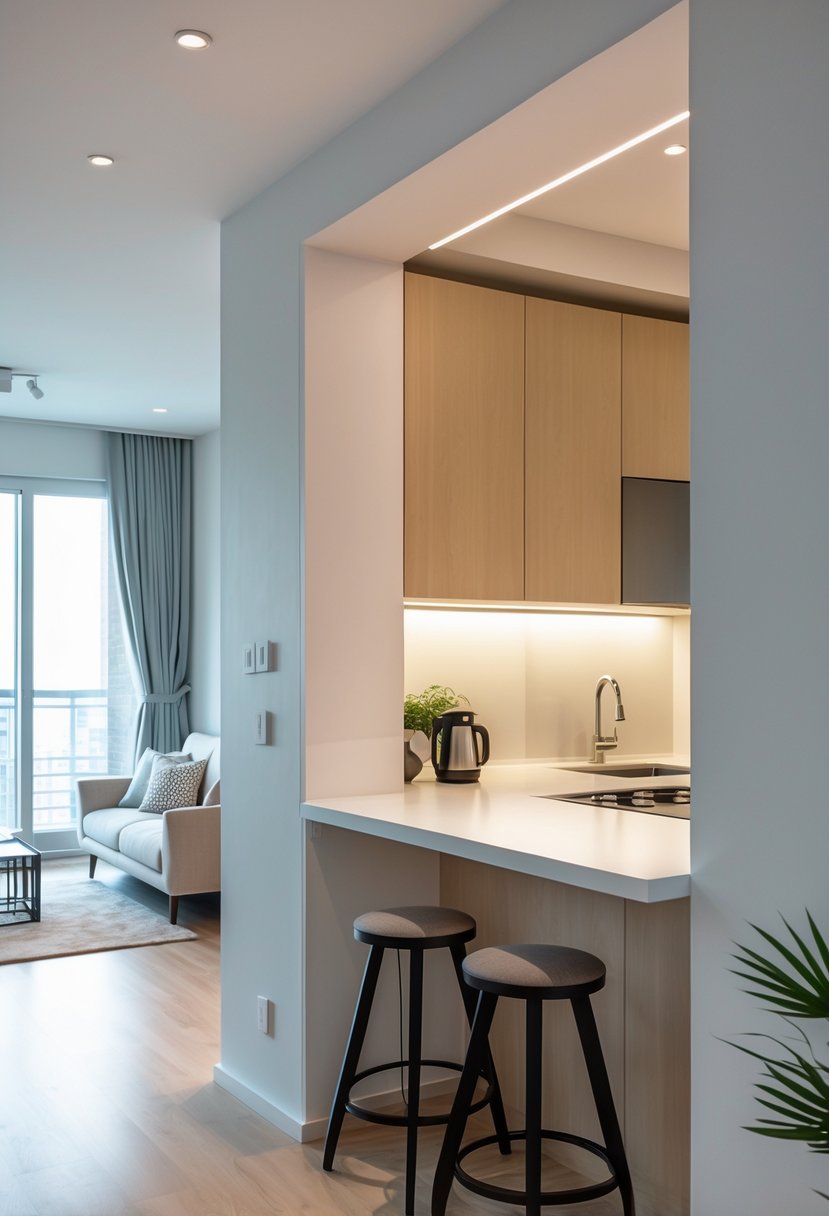
What Is a Kitchen Pass-Through?
Think of a kitchen pass-through as a small opening in the wall that links your kitchen to the next room. Sometimes it’s just a rectangle, sometimes it’s framed out, or maybe there’s a skinny shelf inside.
You’ll spot these a lot in apartments with galley kitchens or those older layouts where knocking out a wall is just not in the cards. The pass-through lets you hand off plates or drinks—no sledgehammer required—and keeps the rooms visually connected.
Most narrow pass-throughs run about 2–4 feet wide, though honestly, it depends on what your wall can handle. Depth is usually just enough for a ledge or a little overhang—enough for a couple of stools or a snack tray. If you’re planning changes, double-check your electrical, trim, and support so nothing catches you off guard.
Benefits in Apartment Settings:
A slim pass-through brings in light and opens up the view, but you don’t have to give up wall storage or stability. Keep your upper cabinets and still let natural light flow from one room to the next. It’s a sneaky way to make a small apartment feel bigger, especially if you’re stuck with a galley kitchen.
Use the opening as a serving hatch, a breakfast bar, or just a place to set food during parties. It’s also handy if you want to keep an eye on kids or guests while you’re cooking. And since you’re not tearing out a whole wall, you’ll usually spend less and avoid permit headaches.
Common Types of Pass-Throughs:
Framed Cutout: A clean opening with wood or metal trim. It looks finished and works with pretty much any style. Trim gives it a little polish without making it bulky.
Counter Overhang: Just a narrow ledge that pokes into the living area—great for a stool or a spot to serve drinks. You’ll see this a lot in open-plan conversions.
Glass or Shelved Hatch: Glass shelves or panels across the opening keep things bright and open, but you still get a spot for display. This is perfect if you want light but also a bit of separation.
Other options? Try bi-fold shutters or sliding windows for added privacy or weather control, especially if your pass-through faces outside. Just pick a style that works with your kitchen layout and the wall’s limits.
Smart Design Ideas for Narrow Kitchen Pass-Throughs:
Make that pass-through work for you: add extra counter space, clever storage, or a visual screen that lets light in. Pay attention to depth, materials, and how you mount things so it feels intentional and stands up to daily life.
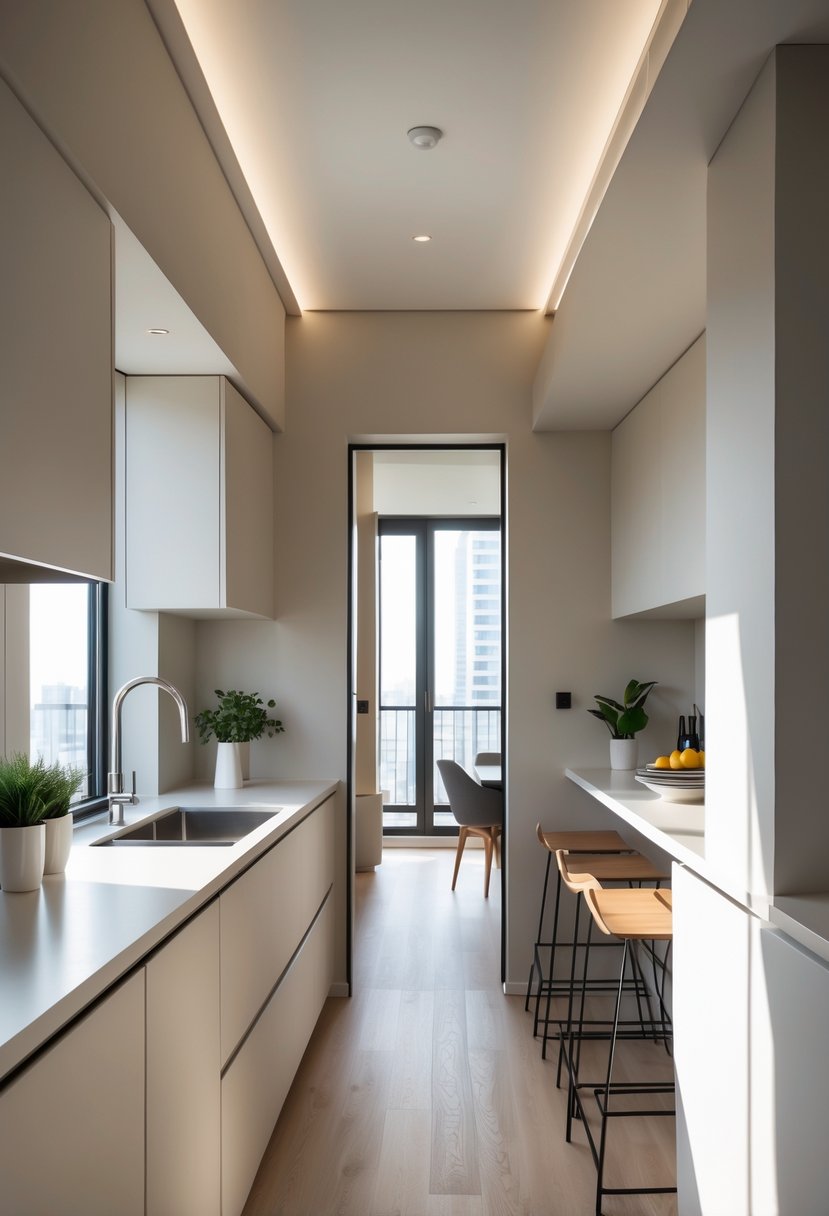
Breakfast Bar and Bar Seating Upgrades:
If you want a breakfast bar, extend the ledge to about 12–16 inches deep. That’s enough for a plate, coffee, even your laptop—without cramping your kitchen. Go for something sturdy like quartz or sealed butcher block so you don’t have to baby it.
Pick slim bar stools with low backs that tuck under when not in use. Make sure there’s enough clearance for knees (at least 6 inches is good). If you’re tight on space, try armless or stackable stools. Adding a couple of USB outlets under the ledge is a nice touch for charging devices. And a slim footrail? Surprisingly comfy.
Open Shelving and Floating Shelf Solutions:
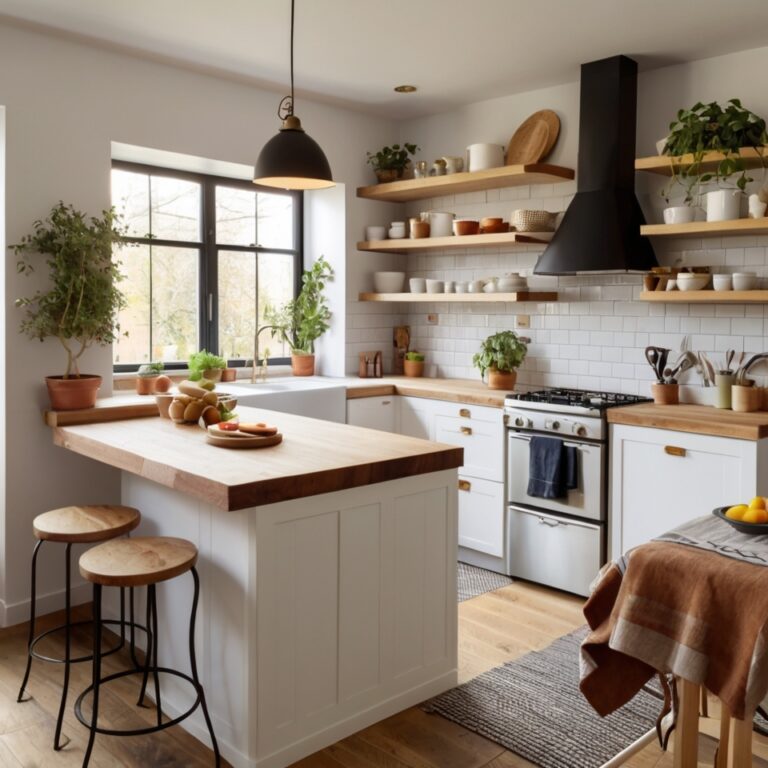
Install shallow floating shelves (6–8 inches deep) inside or just above the pass-through for glasses, plants, or cookbooks. Floating shelves keep the view open but still give you storage; use hidden metal brackets for strength, especially on narrow walls.
Try to match shelf material to your counters or trim so it feels cohesive. Keep heavier stuff in the kitchen—use these shelves for lighter, decorative things. Tempered glass shelves are great if you want to maximize the light. Just make sure shelves are anchored well so they don’t droop over time.
Sliding Panels and Decorative Screens:
If you want to hide kitchen mess fast, add a sliding panel or decorative screen. Lightweight wood or MDF on a top-mounted track works, and you don’t need extra wall space beside the pass-through. Soft-close hardware is worth it—no loud slams.
For something more open, go with a perforated or laser-cut screen that blurs the view but still lets light through. Mount it on a pivot or sliding track. Painting it a bold color can make the pass-through pop, and just double-check it clears the counter when you move it.
Maximizing Space, Style, and Function:
The best pass-throughs give you usable surface, look like they belong, and don’t make cooking awkward. Focus on a counter you’ll actually use, trim that connects both rooms, and lighting or ventilation that’s more than just for show.
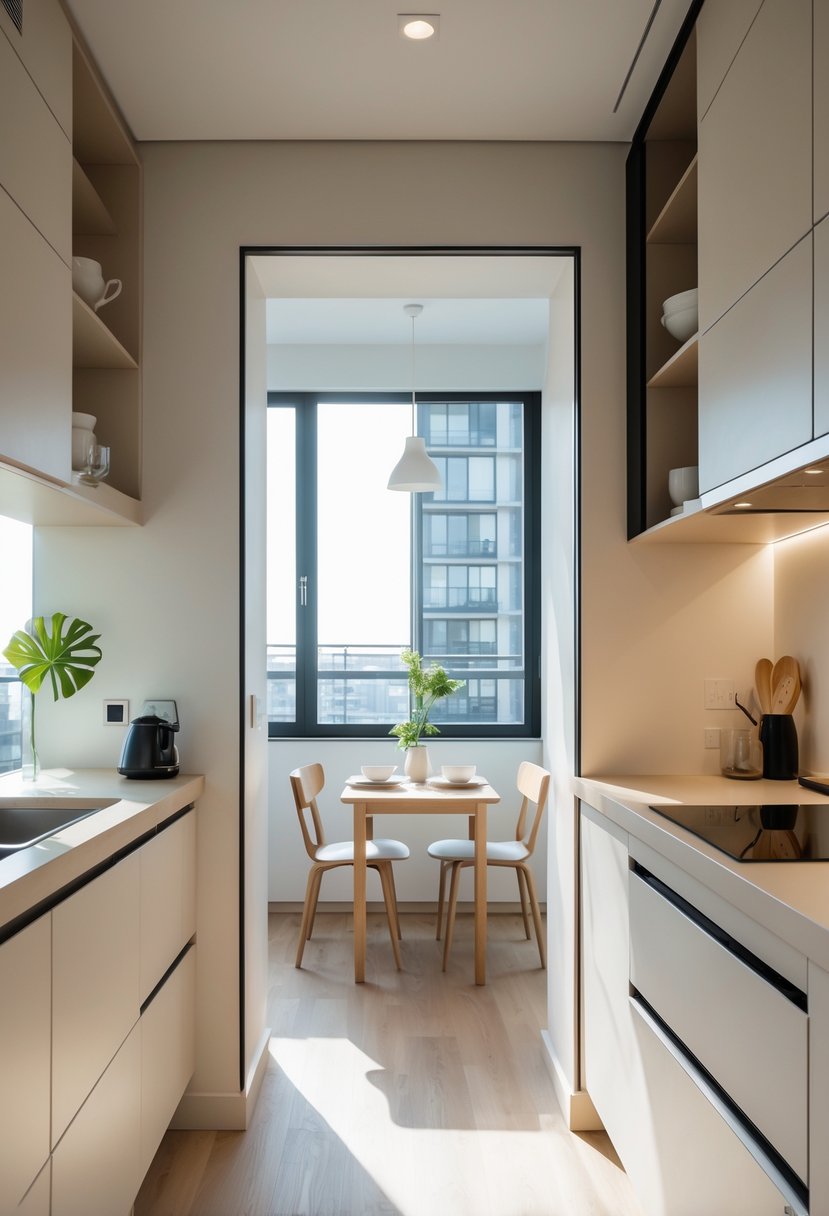
Creative Countertop Choices:
Pick a countertop that suits your style and holds up to use. A slim marble counter looks fancy and keeps the opening light, but go for honed or leathered finishes to hide scratches—polished marble can show wear fast. If you’re worried about weight or budget, engineered quartz mimics marble but is less fussy.
Think about how you’ll use the counter. For eating or working, extend it to 12–16 inches deep and leave 24–30 inches of knee space for a stool. If it’s just for serving or prep, 10–12 inches is enough. Waterfall edges look modern, but a simple eased edge is classic and easy to clean.
Mount the counter to studs or use brackets rated for the weight. If you’re adding open shelves below, stick to matching materials—otherwise it can look a bit thrown together.
Decorative Trim and Framing Details:
Trim makes a pass-through look like it was always meant to be there. A simple 2–3 inch casing frames the opening and works with most apartment styles. Want a little more? Add a picture rail or beadboard inside the opening.
Match trim color to your other woodwork for a seamless look. White trim brightens things up and hides minor wall flaws. For contrast, try a darker trim that ties into your cabinet hardware or an accent wall. Maybe even add a small crown or boxed beam as a header if you want some extra oomph.
If you’re craving more storage, sneak thin floating shelves onto the lower edge of the trim for salt, tiny plants, or mugs—handy without cluttering the main counter.
Light, Ventilation, and Task Lighting:
Lighting’s a game-changer. Install task lighting under the kitchen side of the pass-through so you can actually see what you’re doing. LED puck lights or a slim linear fixture do the trick and won’t heat things up.
If you want seating, pendant lights over the counter look great. Space them about 24–30 inches apart and hang them 30–34 inches above the counter—keeps sightlines open.
Ventilation matters if you cook a lot. Extend your range hood ducting if you can, and make sure it actually vents past the pass-through. If ducting’s not possible, a beefy recirculating hood with charcoal filters can help, but keep it close to the cooktop to cut down on smoke and smells.
Personalization, Storage, and Renter-Friendly Tips:
Lean into removable finishes, stash storage wherever you can, and keep bigger changes reversible or cleared with your landlord. Temporary trim, swappable hardware, and slim storage are your friends in a pass-through.
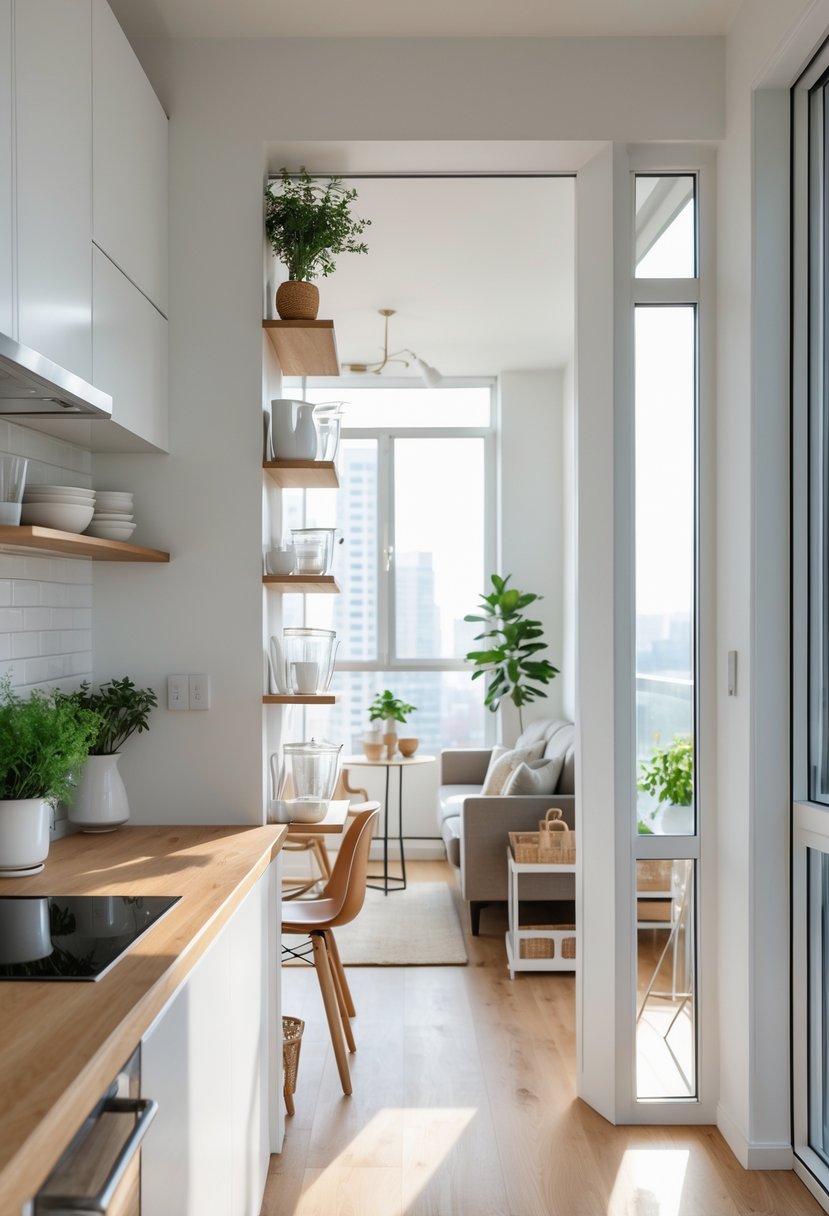
Removable Enhancements for Renters:
You can make a big impact without committing to anything permanent. Try peel-and-stick wallpaper on the sill or back wall for a pop of color or pattern. Self-adhesive PVC or foam trim can fake custom molding—pull it off later with minimal fuss.
Swap cabinet knobs or faucets for something you like (just stash the originals to switch back when you move). Battery-powered LED strip lights under the pass-through lip add task lighting—no wiring, no problem. For privacy or just a little flair, pop in a tension-rod curtain or a no-drill cafe shutter inside the frame.
Take photos of the original setup and hang onto receipts for anything removable. It’ll save you headaches with your deposit or if you need landlord sign-off.
Custom Cabinetry and Clever Storage:
If you get the green light, slim custom cabinetry under the pass-through is a game-changer. A shallow roll-out drawer or a narrow pull-out pantry (6–10 inches deep) can hold spices, oils, or baking sheets without blocking the walkway. Or, have a contractor add a fold-down counter on brackets—like a mini island for extra prep space.
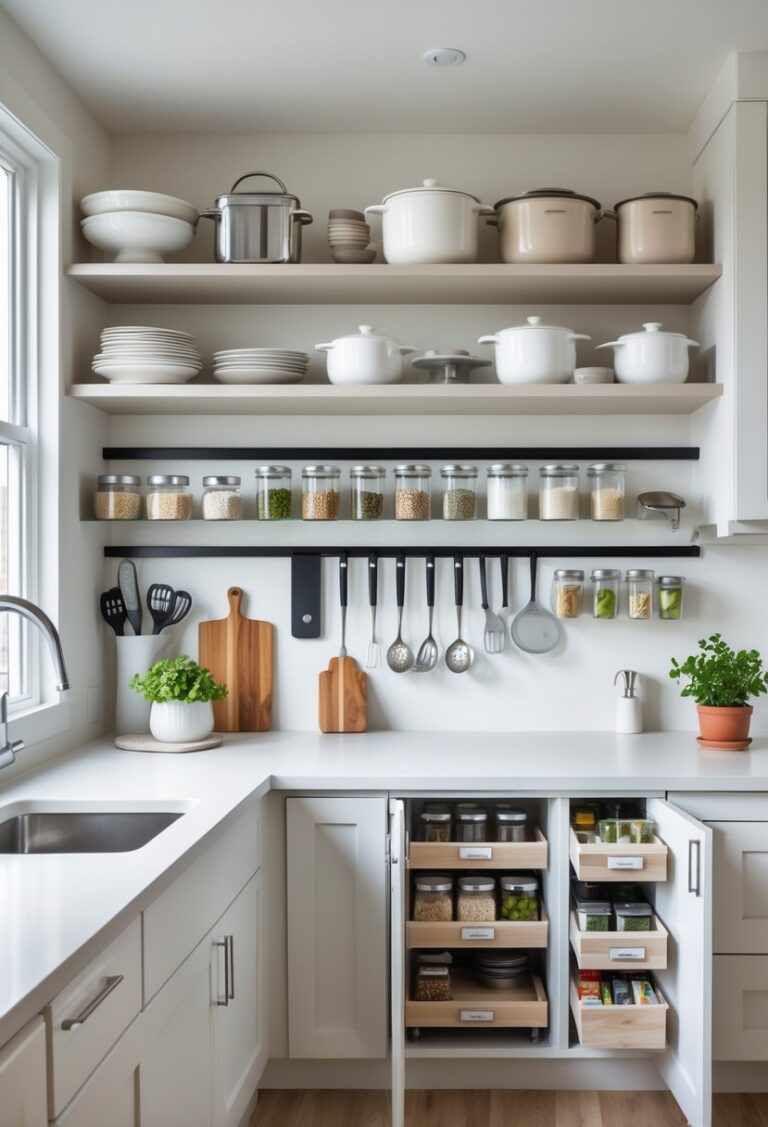
If custom cabinets are a no-go, use a slim rolling cart that fits the opening. Look for carts with locking wheels and shallow depth so stools still fit. Stackable bins and labeled baskets help keep things sorted: prep, coffee, dishes, whatever. Mount a magnetic knife strip or stick-on utensil rail inside the pass-through for vertical storage that frees up counter space.
Small Apartment Remodeling Considerations:
Unless you own the place, it’s smart to treat any remodel as temporary. Thinking about tweaking a kitchen pass-through? Get everything in writing—especially who’s on the hook to put it back later. Something like a clamp-on countertop extension is a safe bet; you’re not exactly busting out a wall, just giving yourself a bit more surface.
Want to go bigger, maybe add a breakfast bar or a built-in island under the pass-through? That’s a conversation for your landlord. Maybe they’ll split the cost, or you might just have to promise to undo it when you move. For anything involving plumbing or wiring, don’t mess around—hire licensed trades and keep your permits handy. Saves you headaches with codes and, honestly, your deposit too.
Frequently Asked Questions:
Below, you’ll find practical answers for making a narrow apartment kitchen work. There are ideas for squeezing in more counter space, storage, lighting, and improving visual flow—all without tearing the place apart.

How can a pass-through window be designed to enhance small apartment kitchens?
Clamp-on or extendable countertops are a lifesaver—they can add a foot or so of space for coffee or breakfast, and you don’t need to drill a thing. Go for stools that slide completely under the bar so you’re not tripping over them.
Battery-powered LED strip lights under the sill? Game changer. Warm white (2700–3000K) looks cozy and the adhesive means you can peel them off when you leave—no fuss.
If you want the pass-through to feel intentional, frame it up with peel-and-stick trim or even some removable wallpaper. It’s a small touch, but it makes the space pop—and you won’t get in trouble for it.
What are some innovative decorating ideas for a kitchen pass-through?
The sill is prime real estate. Try a couple of small potted herbs, a stack of cookbooks, maybe a tray for keys or mail. Just keep it light so you can clear it off fast if you’re serving food.
Floating shelves that don’t need drilling (or a tension rod shelf) can turn the opening into a mini display for spices, mugs, or plants. Sticking to matching containers and a simple color scheme keeps it from looking messy.
If you want to hide clutter or just need a little privacy, a lightweight fabric cafe curtain on a tension rod does the trick. Pick something neutral or with a soft pattern that fits your living room vibe.
Which layouts optimize the efficiency of a narrow kitchen with a pass-through?
Galley layouts work well—if the pass-through is opposite your main prep spot, you can just slide plates across instead of carrying them around. Keep your go-to tools near the pass-through so you’re not hunting for things.
A slim rolling cart under the pass-through counter is handy for extra storage—think small appliances or pantry overflow. Lock the wheels so it stays put, and just roll it out when you need to grab something.
Try breaking your kitchen into zones: prepping by the sink, cooking by the stove, serving at the pass-through. It sounds simple, but having a system cuts down on steps and makes cooking in a tight space way less chaotic.
What materials and styles are best for creating an interior pass-through window in a modern apartment?
If you’re after something durable but not permanent, peel-and-stick faux wood or stone makes a surprisingly good choice for the sill and trim. They shrug off stains and, honestly, peel off pretty cleanly when it’s time to move out.
For the bar top, lightweight plywood or prefinished laminate with a matte finish looks sleek and modern—and, let’s face it, isn’t going to sag if you clamp it on. Try to match the color to your kitchen cabinets so things don’t clash visually.
Go for minimal hardware and stools with slim profiles, maybe in metal or wood. It’s just easier on the eyes and keeps the area feeling open. Bulky or overly fancy pieces? They tend to make the space feel cramped, so probably best to steer clear.