Kitchen Feng Shui Clean-Up: 5 Surprisingly Toxic Items to Remove for Better Energy
You cook, gather, and live in your kitchen—so yeah, its energy really does matter. Feng shui warns that certain things can stall good chi, crank up tension, and just make the whole space feel off. The three most toxic kitchen items? Sharp knives left out, broken or unused stuff, and overflowing trash—try swapping them for tucked-away tools, fixing or ditching damaged things, and a tidy waste routine to bring the vibe back up.
This post digs into why those objects mess with kitchen feng shui, gives you super simple swaps, and tosses in a few tips for keeping things brighter and less stressful. You’ll spot sneaky energy drains and get some quick, practical fixes to help your kitchen flow and feel more peaceful—without a ton of effort.
Understanding Toxic Energy in the Feng Shui Kitchen:
Toxic items in the kitchen can really block good chi, trap stale energy, and make things tense when you just want a spot for nourishment and prosperity. Coming up: how these things mess with the vibe, how to spot stuck energy, and why keeping good energy flowing actually matters at home.
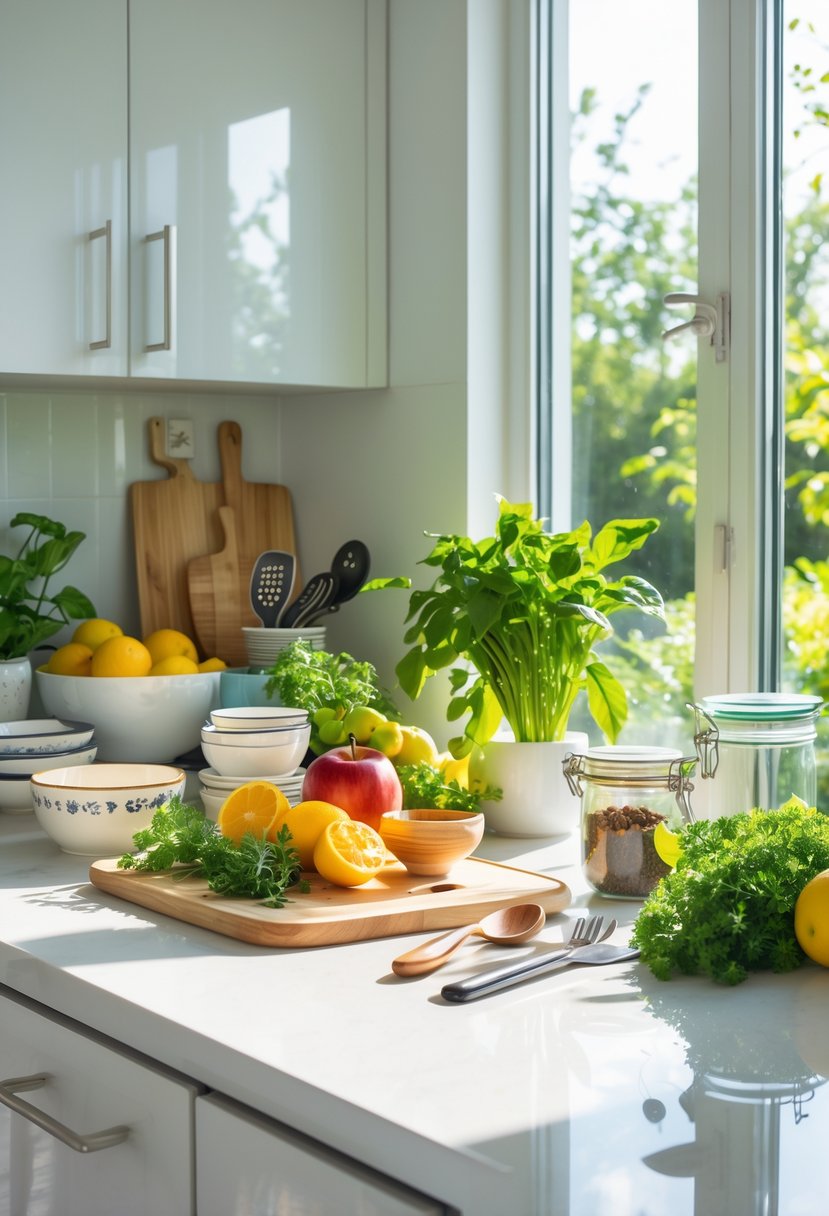
How Toxic Items Disrupt Chi Flow?
Sharp stuff, broken things, and cluttered electronics all act like roadblocks for chi. Knives left out or glass tables with harsh corners send out “cutting” energy—no one wants that. That layout just interrupts positive flow through the kitchen and dining space.
Old, cracked mirrors or dead plants? They scatter and dull chi, almost like they’re reflecting decay back at you. Stacks of unused gadgets just collect dust and signal a lack of movement—basically, they’re an open invitation for stuck energy and a slow-moving home.
Honestly, small tweaks make a difference. Put knives in a block or drawer, swap out broken mirrors, toss dead plants, and recycle those ancient electronics. It’s not magic, but it does lift that weird heaviness and lets the good stuff back in.
Recognizing Negative and Stagnant Energy:
Negative energy in the kitchen shows up as tension, low motivation, or a weird uptick in little accidents. Maybe you just don’t want to cook, or you notice food spoiling faster than usual. These are classic signs that chi’s not moving right.
Stagnant energy hangs out where things never get used. Expired groceries, old candles, unplugged appliances—they all pile up and weigh down the space. Air feels thick, light gets blocked, and the whole room seems sort of stuck. That’s not great for mood or abundance, honestly.
Visual clues help: dust on stuff you never touch, tired old decor, or a kitchen layout that blocks sunlight and air. Clear out those things, keep your counters open, and you’ll notice the energy pick up.
The Importance of Positive Energy Flow:
Positive energy means better health, appetite, and family vibes. In feng shui, the kitchen ties to prosperity and well-being, so letting chi move freely actually helps people eat better and feel more connected. A bright, breezy kitchen is kind of underrated.
Some practical things: keep the stove clean and working, crack a window for fresh air, and pick living plants that can survive indoors. Warm light and smart storage go a long way toward keeping clutter from creeping back in.
When chi flows, the kitchen feels safe, active, and even a little inspiring. That’s when you get more opportunities for good habits and smoother routines. It’s really about those simple swaps and a bit of upkeep—nothing wild, just steady progress.
The 3 Most Toxic Feng Shui Kitchen Items to Avoid:
Some kitchen items just drain energy and aren’t great for your health. They can leach chemicals, sprinkle microplastics, or just make the room feel tired. Swapping them out brings back safety and a lighter, clearer vibe.

Toxic Nonstick Cookware: Teflon, PTFE, and PFAS
Nonstick pans (think Teflon, PTFE) can let off fumes if you crank the heat too high. Those fumes aren’t just annoying—they can irritate your lungs and eyes, and there’s real concern about “forever chemicals” (PFAS) hanging around in your body and the environment.
Nonstick coatings also scratch and flake, sending tiny bits into your food. Want a safer swap? Try stainless steel, cast iron, or ceramic-coated pans. Cast iron is naturally nonstick if you season it, and there’s zero PFAS. If you’re ready to ditch old nonstick, check your local recycling—some centers take coated pans.
Plastic Food Containers and Utensils: BPA, Phthalates, and Microplastics
Plastic containers and utensils—especially the older, hard ones—can leach BPA and phthalates, especially when heated or scratched. Those chemicals act like hormones, and there’s a growing pile of research linking them to health issues. Microwaving or dishwashing plastic just ups the risk.
Plastics also shed microplastics, and nobody really wants that in their dinner. Glass, stainless steel, and food-grade silicone are better bets. Swap out warped plastic cutting boards and utensils, and try not to reheat food in plastic. “BPA-free” is good, but honestly, non-plastic is even better.
Dead or Dying Plants: Blocking Abundance and Growth
Sad, wilted, or brown plants just drag the energy down. In Feng Shui, dead plants are a big nope—they invite dust, sometimes pests, and just make the kitchen look neglected. It’s not exactly inspiring.
Trade out dead plants for healthy, easy-going greenery with rounded leaves—jade or pothos are solid picks. If you have to toss a plant, compost it or just get rid of it quickly. Fresh plants clean the air and send a way better message about growth and vitality.
Recommended Feng Shui Swaps for a Healthier Kitchen:
Go for materials that don’t off-gas or leach junk, keep food in safe containers, and add a living plant for better energy and air. These swaps cut down on chemical exposure and fit right in with Feng Shui’s ideas of balance and nourishment.
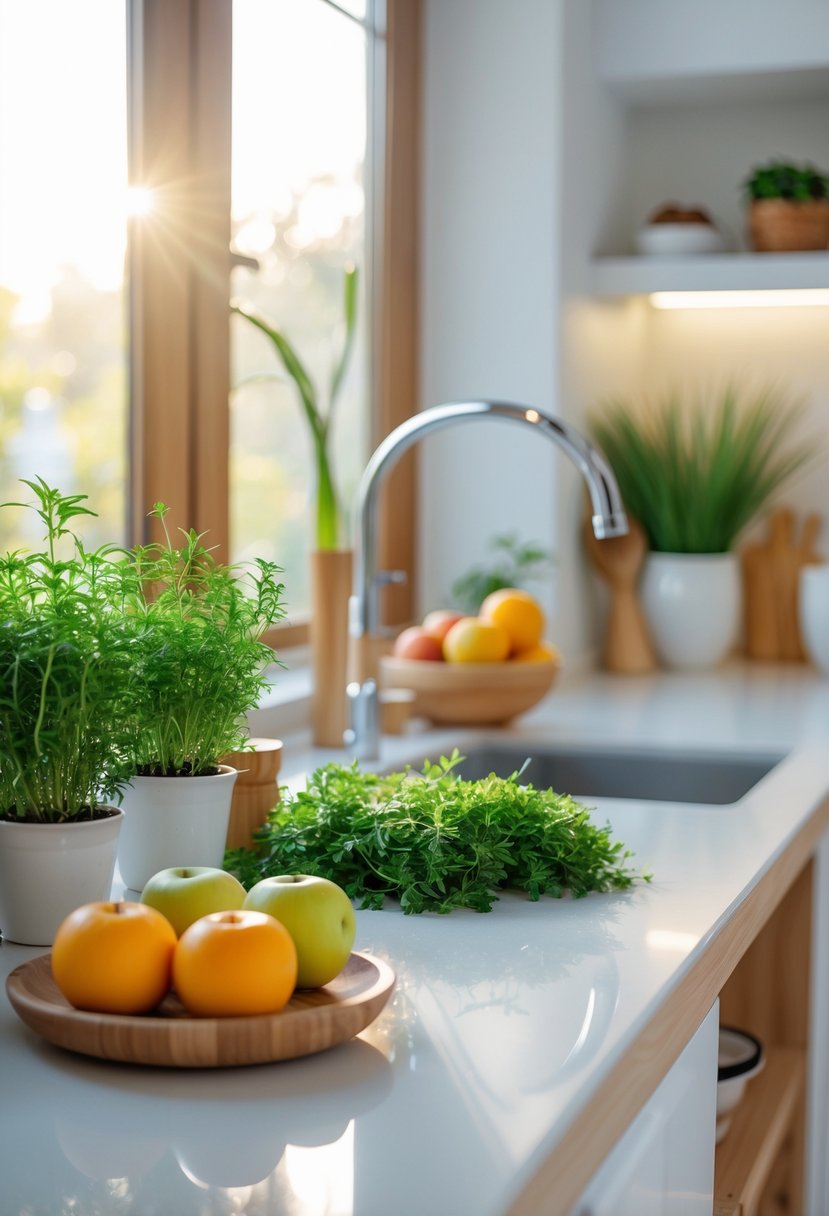
Safer Cookware Alternatives: Cast Iron, Stainless Steel, and Ceramic
Cast iron is a workhorse—durable, heats evenly, and if you keep it seasoned, it’s naturally nonstick with zero PFAS or PFOA. It even adds a bit of iron to your food, which some people like. Acidic foods can strip the seasoning, though, so just re-season if needed.
Stainless steel is great for boiling, braising, and high-heat cooking. Look for 18/10 or 18/8 grades—they won’t rust or leach anything weird. Fully clad or tri-ply bases mean fewer hot spots and even heating.
Ceramic or fully glazed ceramic cookware skips the synthetic coatings. Just double-check for lead-free, food-safe glazes. Avoid ceramic-coated pans with sketchy labels—they might still have PTFE. And skip aluminum foil on acidic foods; stainless or ceramic is safer there.
Healthier Food Storage Solutions: Glass, Stainless Steel, and Silicone
Glass containers with tight lids are awesome for leftovers and meal prep. They don’t stain or hold odors, and you can pop them in the microwave or oven (if they’re tempered borosilicate, even better).
Stainless steel containers are handy for lunches and dry goods. They’re light, tough, and don’t hang on to smells or flavors. Way better than single-use plastics.
Food-grade silicone is super versatile for lids, baking mats, and reusable bags. It handles heat and cold, and you don’t have to worry about BPA or phthalates. Just check for “food-grade” and avoid cheap stuff with fillers. Don’t store oily or acidic foods in low-quality silicone for long. And if you’re wrapping food, glass or stainless beats foil for anything acidic.
Bringing Life and Energy: Living Plants and the Jade Plant
Bringing in living plants actually improves air and brings in that wood energy Feng Shui loves. Pick low-maintenance plants that can handle humidity and not much sun. Herbs like basil, mint, and rosemary are practical and look good.
The jade plant is almost a Feng Shui cliché for prosperity, but hey, it works. It likes bright light and not too much water. Park it on a sunny sill or a safe shelf, but not right next to the stove.
One thing—don’t put essential oil diffusers right by your food prep. The scents can settle on counters and bug people with sensitive noses. If you love a diffuser, stick it in a corner away from the action and pick gentle, food-safe oils.
Maintaining Positive Kitchen Feng Shui Long Term:
Keep surfaces mostly clear, toss broken stuff, and pick materials that feel calming. Little habits and a few seasonal check-ins make a big difference for energy, health, and just making the kitchen a place you actually want to be.
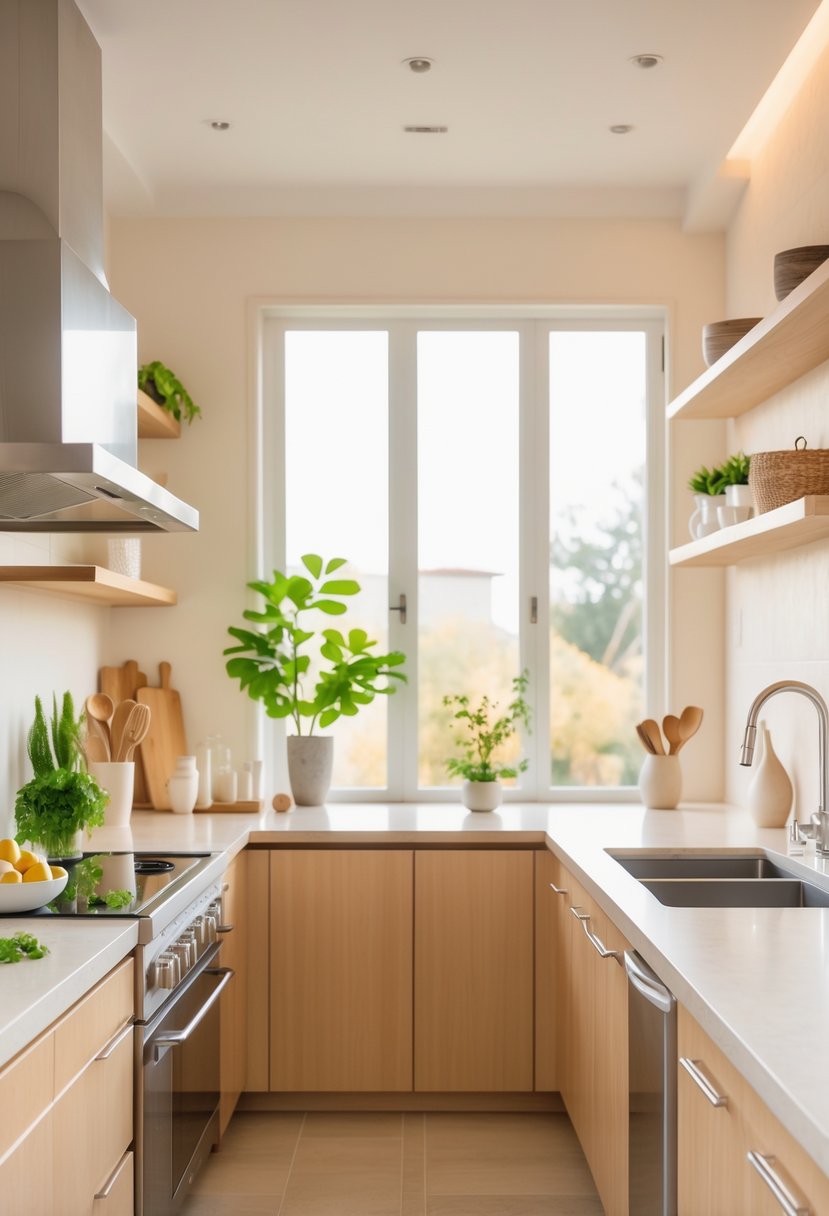
Routine Decluttering and Removing Broken Items:
Clear countertops of random appliances and single-use gadgets. More open space makes cooking easier and keeps energy from getting stuck. Keep daily things—spoons, oil, fruit—within reach, and stash the rest in cabinets.
Go through drawers and cabinets every couple of months. Toss expired food, donate extras, and recycle worn-out containers. Fix or get rid of broken cookware, chipped dishes, and cracked utensils—damaged stuff just drags the whole place down.
Set up simple bins: one for donating, one for trash, one for things to fix. Label shelves so everything has a spot. A little order cuts stress and keeps feng shui working for you, not against you.
Strategies for Sustaining Positive Chi:
Empty trash and recycling before they pile up. Overflowing bins just invite stuck chi and can even mess with other areas, like career or health, if you’re into feng shui mapping.
Keep the stove and sink clean—they’re the heart of kitchen energy. Wipe spills right away and fix leaks. If your stove faces your sink, put a wooden cutting board or a small plant between them to soften the fire-water clash. It’s a classic trick.
Try this: do a five-minute tidy at night and a bigger check once a month. Use natural light when you can, and open windows now and then to freshen the air and the energy. Burned-out bulbs? Swap them fast to keep the place bright and inviting.
Integrating Safe, Harmonious Materials:
Go for rounded-leaf plants like jade or pothos instead of anything spiky. There’s just something about those soft shapes—they liven up a space without that harsh, “cutting” vibe you get from thorns, and they’re a solid choice for better feng shui.
Stick with storage and surfaces in warm, natural materials. Think wood cabinets, ceramic dishes, cotton linens. Too much metal or mirrored stuff right by the stove? Eh, it can feel a bit cold or harsh. If you do need stainless steel, try to balance it out with some wood or cozy textiles—makes the space feel less sharp, more inviting.
Knives and sharp tools? Tuck them away in a drawer. For walls or accent pieces, soft, warm colors can really lift the mood. And if something’s broken, don’t let it linger—swap it out for something sturdy and useful. It’s a small thing, but it keeps the kitchen feeling harmonious and, honestly, just nicer to spend time in.
Frequently Asked Questions:
Here’s where you’ll find some real answers about kitchen items that mess with good energy, straightforward ways to fix kitchen feng shui, and which everyday utensils could use an upgrade. No fluff—just specific stuff to swap or simple things to do.
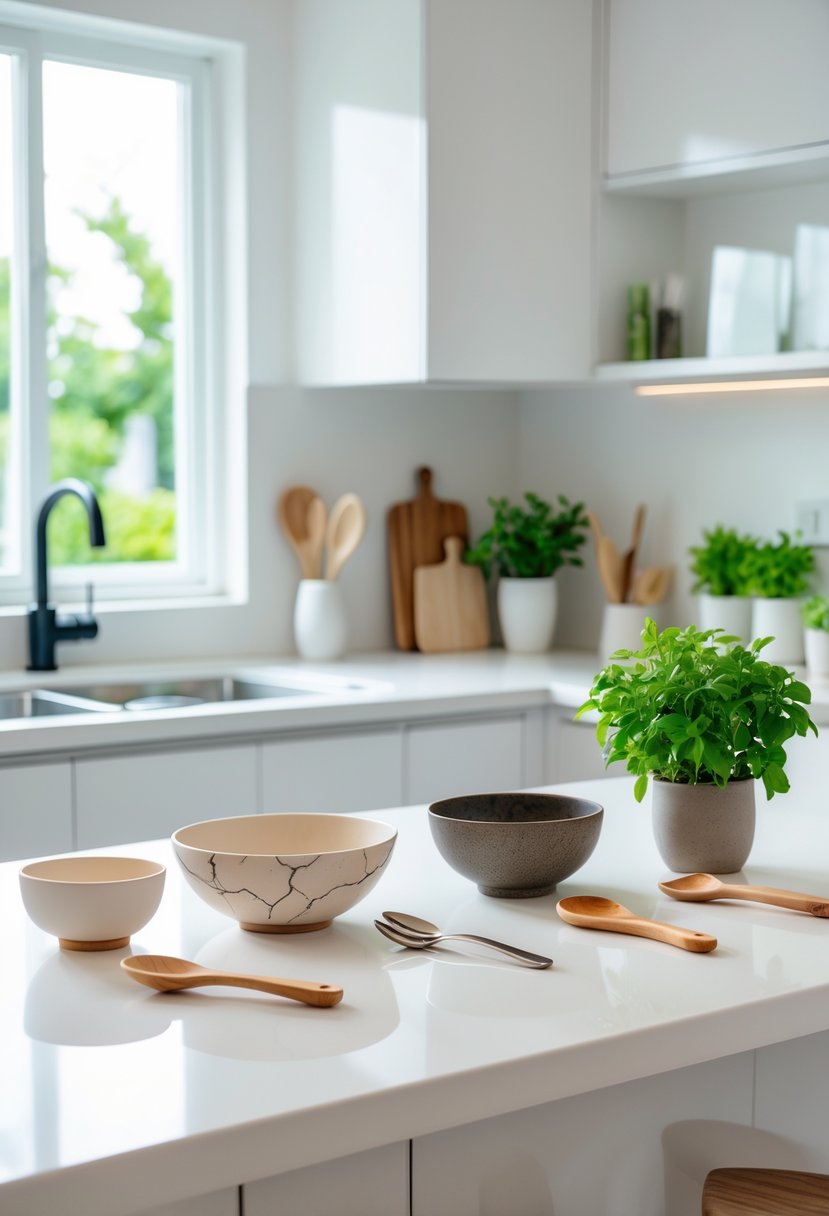
What kitchen items are considered to bring bad luck according to Feng Shui?
Leaving knives out on the counter? That’s a classic source of “cutting” energy—some say it can even stir up arguments. Broken pots, chipped bowls, and dried flowers just sit there, holding onto stale vibes that block energy flow.
Don’t forget about things piled up on top of cabinets or trash bins that are always overflowing. That kind of clutter drags things down and, apparently, can even bring on stress or headaches. Who needs that?
How can I improve the Feng Shui of my kitchen?
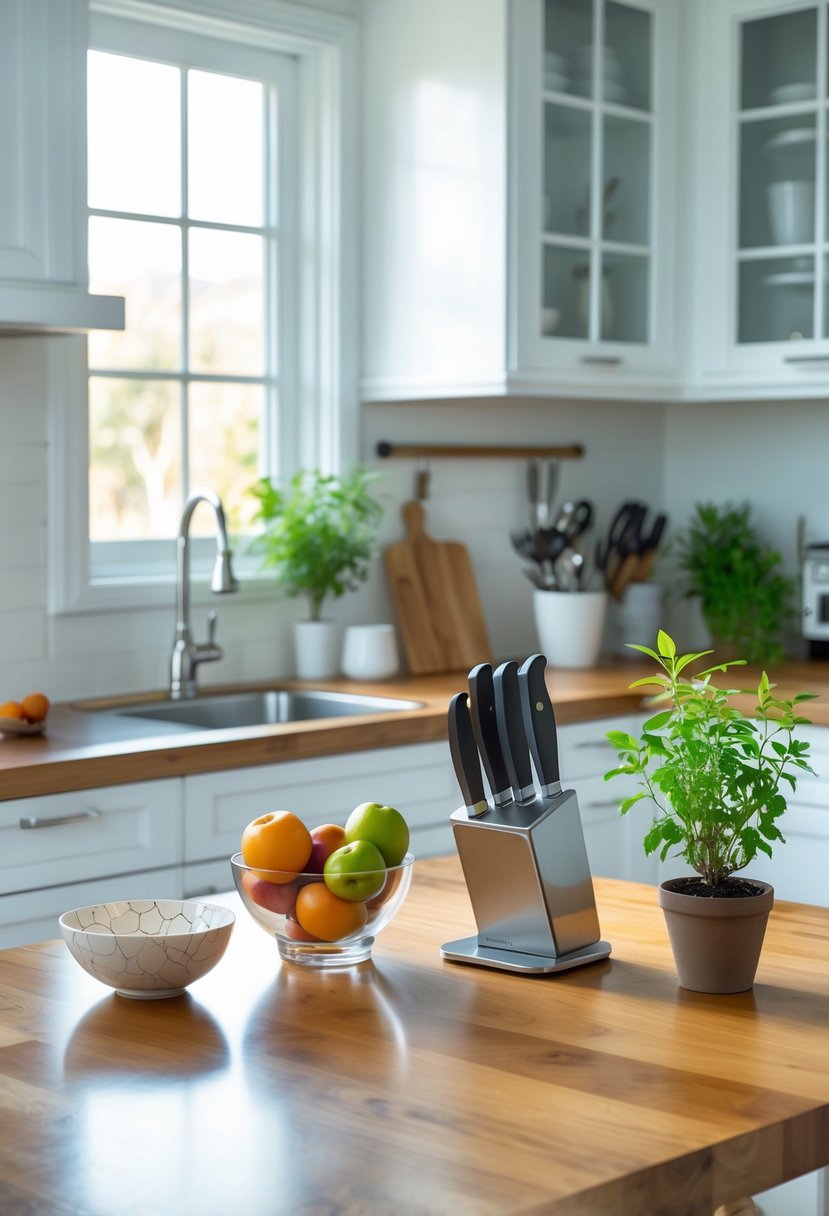
First off, stash knives in a drawer or closed cabinet so they’re out of sight and out of mind. Countertops look and feel better when they aren’t covered in random appliances or bottles of vitamins—try to keep only what you use daily out in the open.
Take out trash and recycling before it starts to pile up. If something’s broken, either fix it or let it go. Clean those awkward spots above the cabinets, and maybe bring in a round-leaf plant like jade for a little boost of fresh, gentle energy. It’s all about making the space feel alive and easy to be in.
Which common kitchen utensils negatively affect a home’s energy?
Knife blocks sitting out on the counter and those prickly, spiky plants—yeah, they tend to get a bad rap. Knives and other sharp tools on display can apparently stir up a sense of tension or even make the space feel a bit harsh. Who wants that in their kitchen?
Then there are the old, busted, or just plain forgotten gadgets cluttering up drawers. That kind of neglect doesn’t exactly help the vibe. Maybe it’s time to swap them out or fix what you can. Honestly, opting for softer shapes and maybe some leafy, round-edged plants could make things feel a lot more balanced. Worth a shot, right?