Your Perfect Blend: How to Mix Modern Boho & Mid-Century Modern Style (Without the Clash)
Here’s how you can pull off a space that feels both relaxed and intentional, mixing modern boho warmth with mid-century modern structure. Start with clean-lined mid-century furniture as your base, then bring in boho elements—think textiles, plants, and layered rugs—to add warmth and a bit of personality.
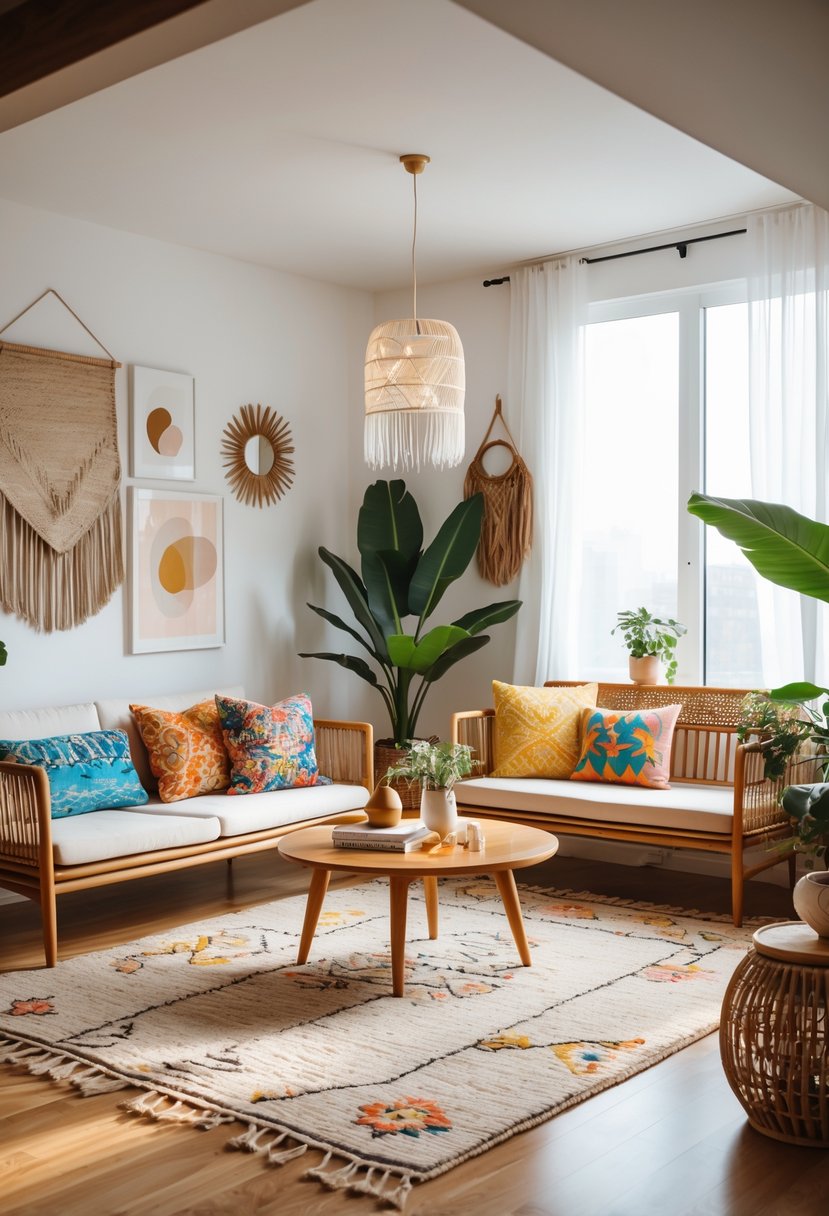
This guide covers the essentials: how to pick furniture, arrange a layout that actually works, and make choices around color, texture, and decor that keep the look feeling balanced. Expect some real-world tips for pulling this off throughout your home, plus honest answers to common questions about mixing these two styles.
Core Principles of Modern Boho & Mid-Century Modern Fusion:
It’s all about pairing mid-century modern’s clean shapes and function with boho decor’s layered textures and global accents. The trick? Stick to a controlled palette, use natural materials, and balance structured furniture with more relaxed accessories.
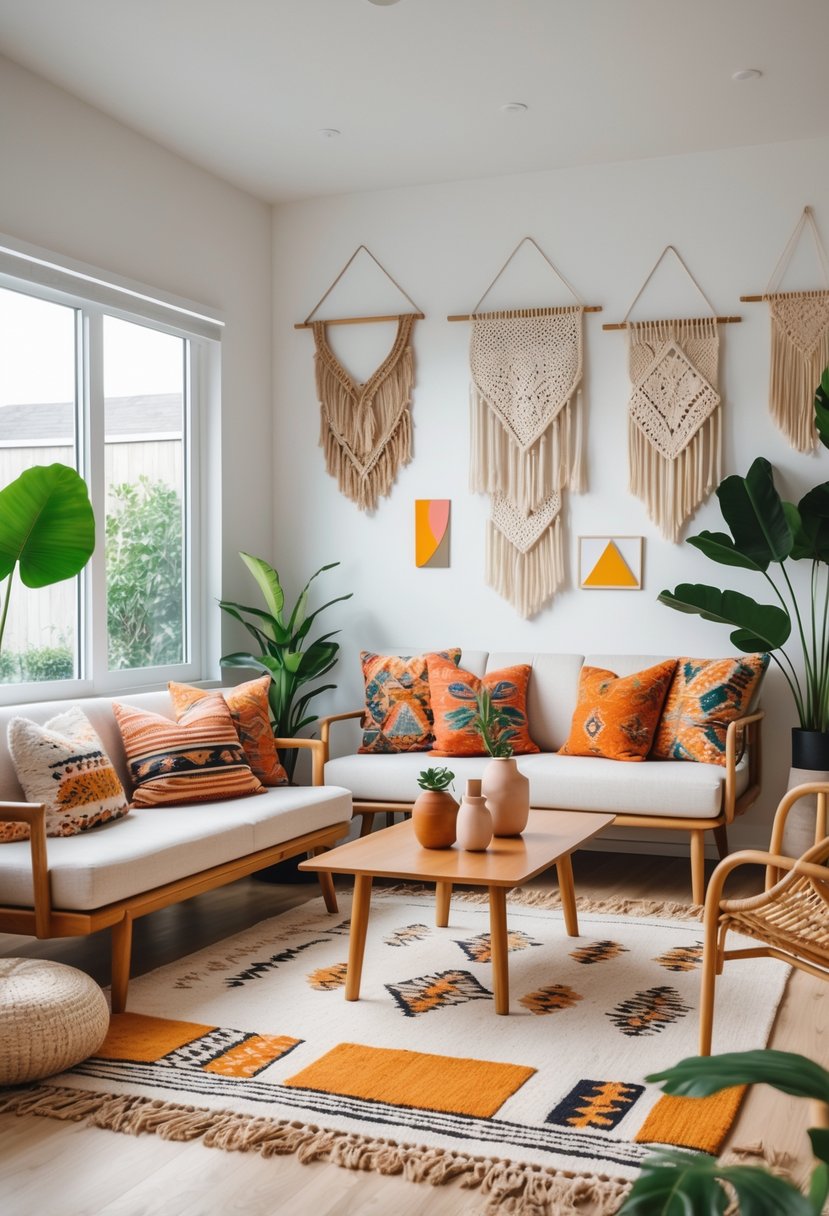
Understanding Boho and Mid-Century Modern Aesthetics:
These styles have different priorities: mid-century modern is all about clean lines, tapered legs, and intentional form. Think low sofas, teak sideboards, geometric lighting—these pieces really ground a room.
Boho, on the other hand, leans into layered textiles, plants, woven rugs, and art that feels collected. Macramé, rattan, patterned pillows—they bring that handmade, cozy vibe that plays off the mid-century precision.
So, how do you combine them? Keep mid-century pieces as the bones, then layer in boho details for softness. Picture a teak credenza and Eames chairs, softened by a kilim rug and hanging greenery. It’s a balancing act, but it works.
Key Elements That Define Each Style:
Mid-century modern must-haves:
- Clean lines, simple shapes.
- Wood (especially teak, walnut) and some metal.
- Functional pieces that show off their craftsmanship.
Boho decor staples:
- Layered rugs, throws, tapestries.
- Natural fibers: jute, rattan, cotton, macramé.
- Eclectic art, plants, and objects from travels.
If you want the blend to work, let one style take the lead in each room. Usually, mid-century modern leads in furniture and layout. Boho takes over in texture, color pops, and decorative touches. That way, things feel intentional—not chaotic.
The Art of Mixing Hard and Soft Features:
Mid-century modern brings the hard stuff: angular tables, statement lighting, sleek shelving. These keep things feeling crisp and organized.
Boho softens it up: layered rugs, poufs, woven baskets, all the cozy throw pillows. That’s where the room starts to feel lived-in and inviting.
Try pairing a strong mid-century piece with several boho accents. Maybe a sculptural teak sofa, a pile of textured rugs, and a macramé wall hanging. Stick to a neutral base and two accent colors so it doesn’t get overwhelming.
Building the Foundation: Furniture & Layout:
Start with a clear plan that sets the room’s scale and function. Choose a strong mid-century anchor, layer in textured boho pieces, and arrange seating so sightlines stay open and you can actually move around.
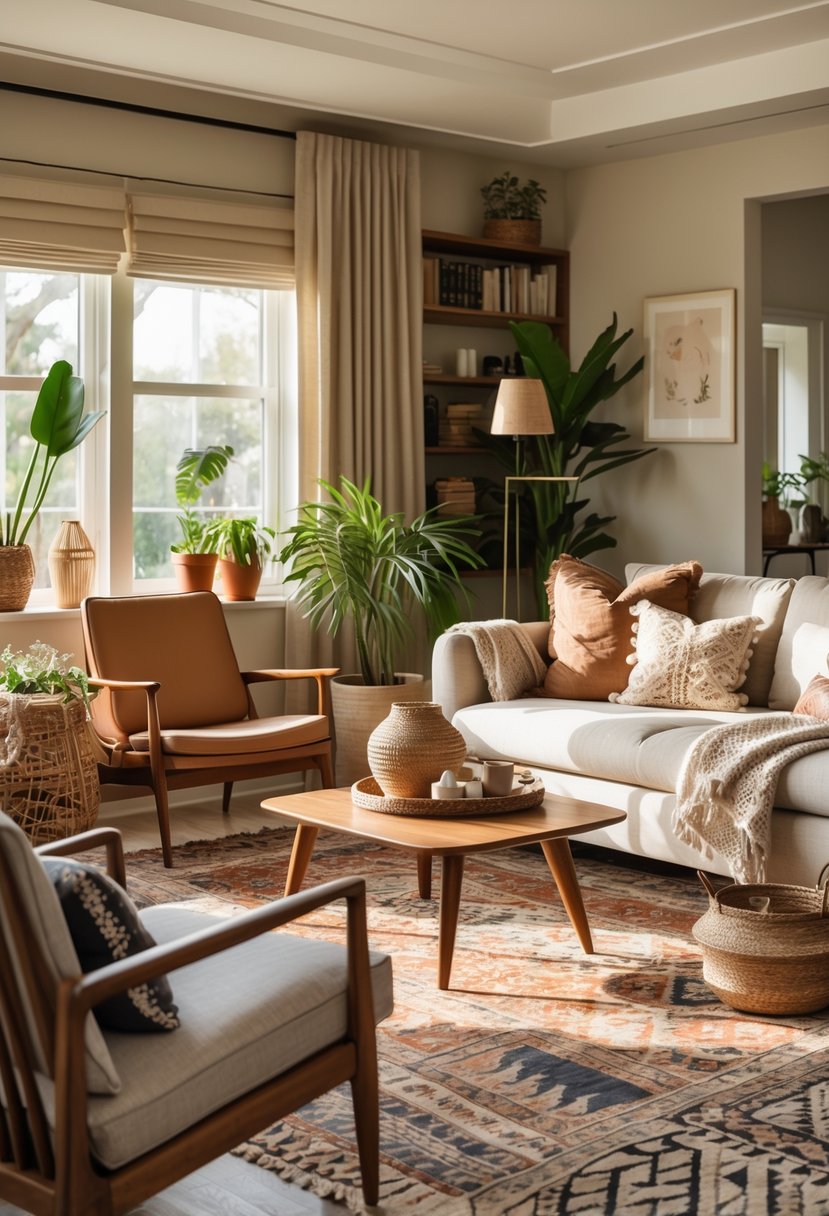
Choosing Signature Mid-Century Pieces:
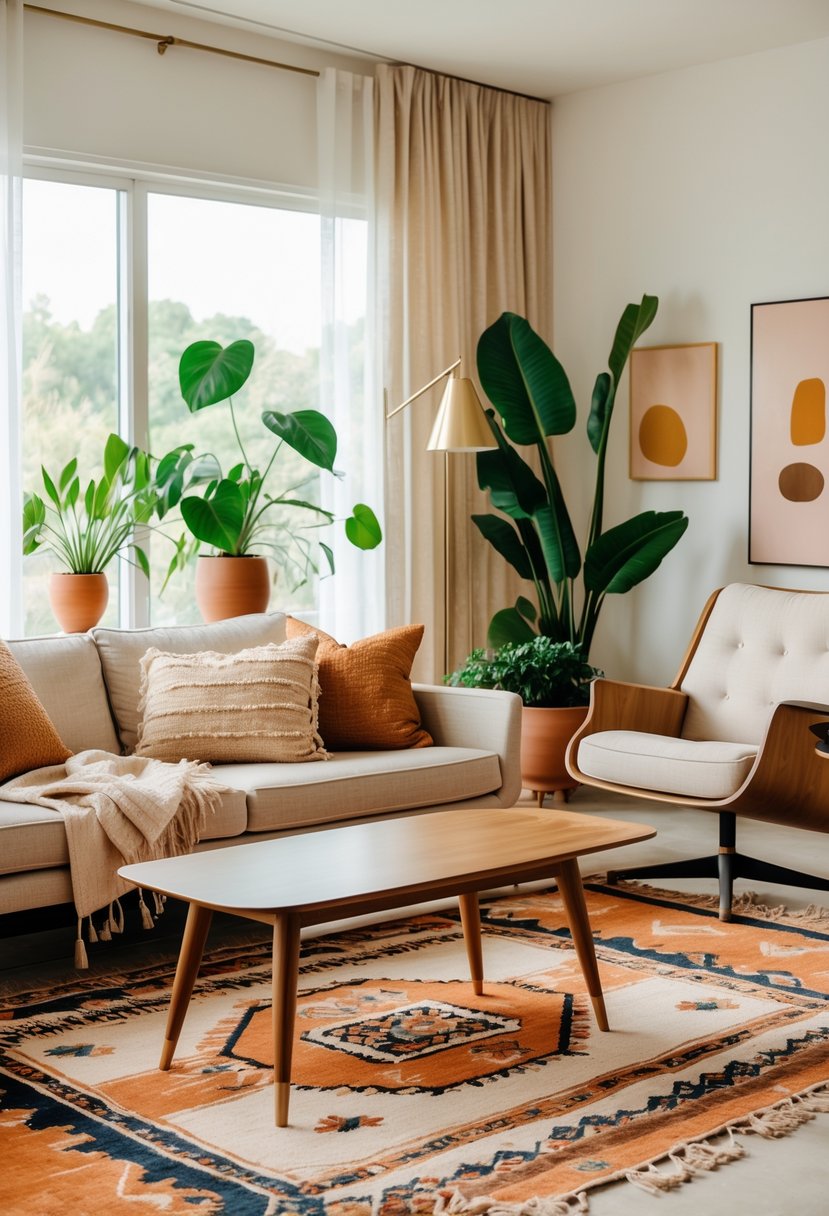
Honestly, just pick one or two mid-century modern pieces as your anchors. A low-profile mid-century sofa with tapered wooden legs is a safe bet. Go for a neutral fabric—gray, beige, muted green—so it doesn’t compete with the boho stuff.
Add a wood coffee table or sideboard with clean lines, in warm teak or walnut. Lighting’s important too: an arc floor lamp or globe pendant in brass keeps it retro. If you can find a vintage lounge chair or credenza, even better—it adds soul.
Keep things in proportion. Don’t go for a giant sofa that swallows the room. You want furniture that’s functional and visually light, so organic textures and layers have space to shine.
Incorporating Boho-Inspired Furniture:
Now, layer in some boho for texture and warmth, but don’t overdo it. A rattan chair or woven pouf adds organic contrast next to smooth wood furniture.
Try a leather ottoman or kilim rug for earthy tones and extra texture. Macramé wall hangings, carved side tables, mixed-pattern pillows—these details make it feel collected, not sterile. Stick to natural materials like jute, rattan, wool, and leather for that real boho vibe.
Mix up the shapes—curvy boho pieces look great with the straighter mid-century lines. And don’t go wild with patterns; pick a couple of focal points so the space doesn’t get too busy.
Balancing Layout and Spatial Flow:
Arrange things so conversation is easy and movement isn’t awkward. Put the mid-century sofa facing your main feature—TV, fireplace, big window—with a coffee table within reach.
Layer your seating: main sofa in the center, maybe a rattan chair angled in, and a leather ottoman that can double as a seat or footrest. Leave at least 18 inches between coffee table and sofa for legs, and 30–36 inches for walkways. (Trust me, you’ll notice if you skip this.)
Use rugs to carve out zones. A big neutral rug grounds the mid-century vibe, then toss in a smaller patterned rug or runner for a touch of boho. Group your accessories on trays or in baskets so things look intentional, not random.
Color, Texture, and Decor Details:
This part’s about picking colors, layering textiles, choosing wall art, and adding natural touches that make a modern boho + mid-century room feel like home. We’ll get into color picks, how to layer, wall treatments, and where to stash plants and woven pieces.
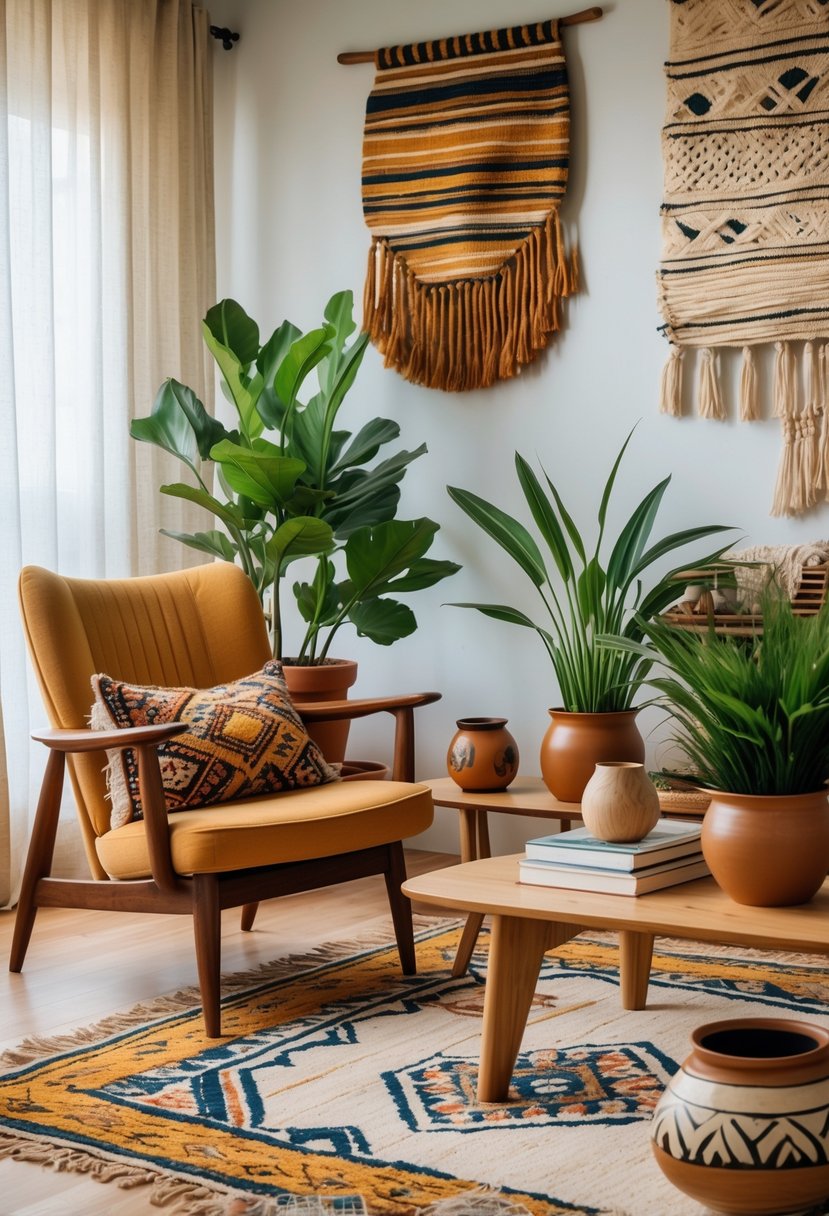
Crafting the Ideal Color Palette:
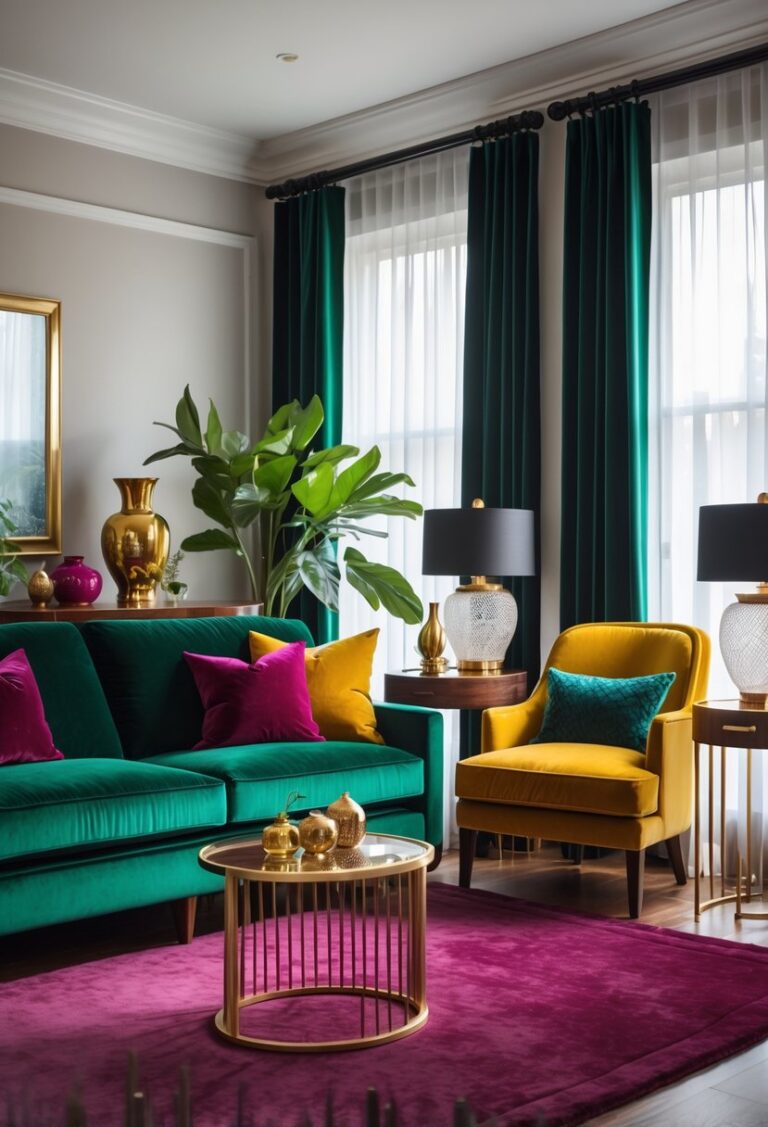
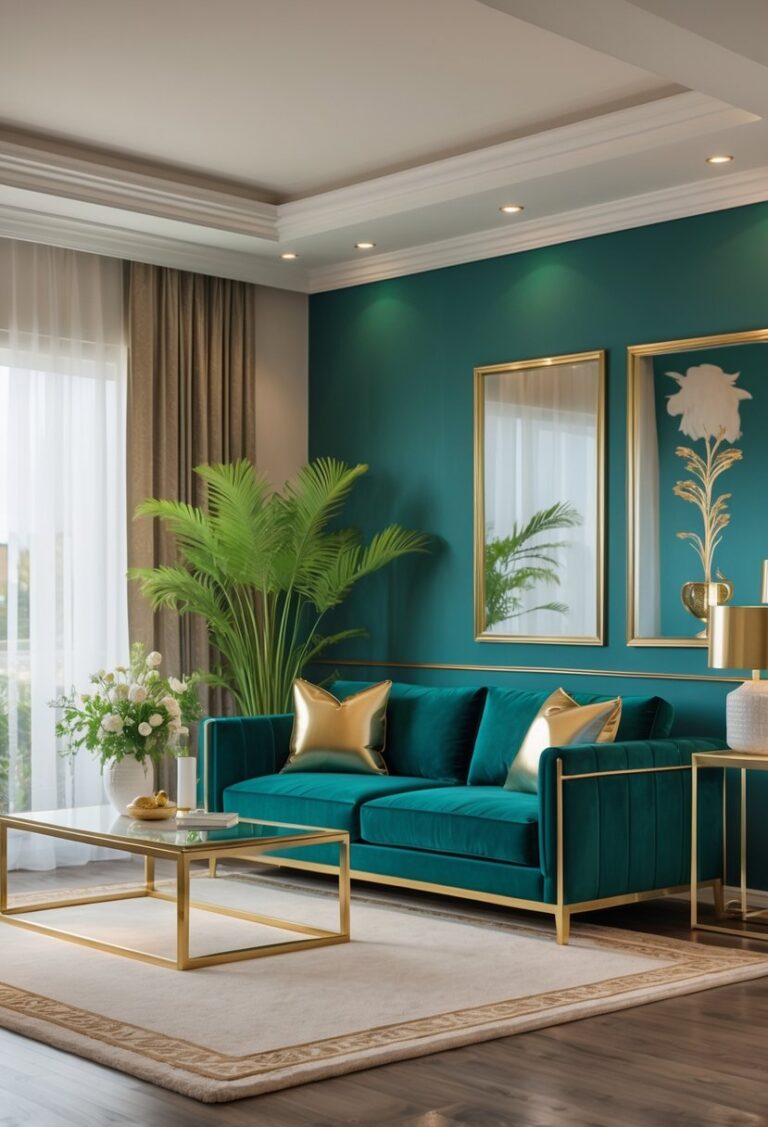
Start with a mid-century base: warm wood, neutrals like gray, beige, or soft olive for your big pieces. Then add earthy tones—terracotta, mustard, rust—to warm things up and tie in the boho. For pops, jewel tones (emerald, deep teal, sapphire) work best in small doses: maybe an armchair, some pillows, or art.
Don’t overdo bold colors—two or three accents are enough. Try this: one neutral anchor, two earthy midtones, one jewel accent. For paint, matte or eggshell finishes keep things grounded and modern.
Layering Textiles and Rugs for Depth:
Layer rugs for depth: start with a big, neutral jute or sisal rug, then add a patterned Persian or kilim runner near the seating. This sets up zones and mixes boho pattern with mid-century simplicity. Keep the largest rug under your main furniture to tie it all together.
Mix up your textiles—solid mid-century cushions, patterned boho pillows, and a textured throw. Three to five throw pillows per seating area is plenty: one solid, one patterned, one textured (maybe macramé or woven). Vintage textiles are perfect for accents—drape a tapestry over an arm, toss in a woven pouf for extra seating.
Wall Hangings and Gallery Arrangements:
Balance mid-century lines with boho wall art by mixing framed prints and tactile pieces. A gallery wall of 3–7 frames works: try mid-century graphics, a small woven tapestry, maybe a line-art portrait. Keep the frames similar—black or warm wood—so it doesn’t get messy.
Macramé wall hangings or a large tapestry can anchor the wall above your sofa. Add woven baskets or shelves nearby for some 3D interest. Hang everything along a horizontal line (centered over furniture) and give each piece a little space to breathe.
Natural Materials and Greenery in Design:
Go for natural materials: wood furniture, leather ottomans, rattan chairs, woven jute baskets. Place them where they balance the room—wood side tables by the sofa, a leather pouf near the coffee table, rattan in a reading nook. Baskets are great for storage or tossing extra throws.
Bring in plants at different heights: a fiddle leaf fig or rubber tree for height, pothos or succulents on shelves, and hanging planters for softer lines. Plants not only add color, they tie into the earthy palette. Keep pots simple—terracotta, matte ceramic, or woven—to fit the vibe.
Achieving Harmony Across Your Home:
Here’s how you can carry the look through your whole place: mix warm mid-century wood, layer in boho textiles, and keep a consistent color thread from room to room. Focus on strong furniture anchors, let the flow work in open spaces, and don’t be afraid to mix vintage finds with personal touches. That’s where it really starts to feel like you.
Room-by-Room Blending Strategies:
In the living room, you might want to anchor the space with a classic mid-century sofa or maybe a teak credenza if that’s more your vibe. Toss in some boho flavor with a textured rug, a macramé wall hanging, and a jumble of throw pillows in earthy colors like terracotta or mustard. Personally, I like keeping the furniture low-slung—it just fits those mid-century lines so well.
For the bedroom, a walnut or teak bed frame sets the tone, but it doesn’t have to feel stiff. Layer on woven blankets, maybe add a rattan bench at the foot, and you’ve got that soft, inviting thing going. Shiplap walls painted warm white or a dusty sage? Always feels like a safe bet for cozy, but not too busy.
When it comes to the kitchen, I’d keep the cabinets simple—nothing too fussy—and bring in boho warmth with open wooden shelving, a couple of clay planters, and some patterned dish towels. In the dining area, try a mid-century table but mix up the dining chairs, and maybe throw down a jute runner for a little texture.
Bathrooms and offices are where function really matters, so let those mid-century fixtures do their thing. Then sneak in boho texture—think baskets, hanging plants, or woven storage. Plants are an easy win for repeating green tones throughout the whole house, honestly.
Maintaining Cohesion in Open Layouts:
Open layouts can get chaotic fast, so it’s worth sticking to a color palette that carries you from one zone to the next. Pick three main colors—a wood tone, some kind of neutral, and an accent—and keep them moving through each space. Otherwise, it’s too easy for a boho mid-century modern living room to feel like two different worlds.
Rugs are your friend for carving out areas: maybe a geometric one for the mid-century corner, then layer a Moroccan rug where you want more boho energy. And if you can, line up the furniture so the sightlines make sense from one spot to another.
Lighting pulls everything together. Brass or matte black pendants over the dining and living spots echo that mid-century vibe. I find it helps to keep plant types and pots consistent too—it just makes the greenery feel intentional rather than random.
Personalization with Accessories and Vintage Finds:
Honestly, a few vintage statement pieces can carry the whole look—a teak credenza, maybe an Eames-style chair, or a brass floor lamp. Let those set the mood and scale, and then layer in your personal stuff around them.
Mix up handcrafted textiles: hand-dyed throws, kilim cushions, a little macramé here and there. It’s all about adding boho texture without fighting the clean lines of the furniture. For smaller accessories, I’d group them on trays or shelves—otherwise, things get cluttered real quick.
If you’re into collecting, try curating by color or material. A shelf full of ceramic vases in earthy shades? Looks pulled together. And if you’re proud of your vintage finds, label or photograph where they came from—it makes everything feel more intentional, less like a flea market accident.
Frequently Asked Questions:
If you’re trying to figure out how to blend boho and mid-century modern, these are the basics: layout, which boho elements actually play nice with mid-century stuff, and how to nail down a color scheme that doesn’t make your eyes hurt.
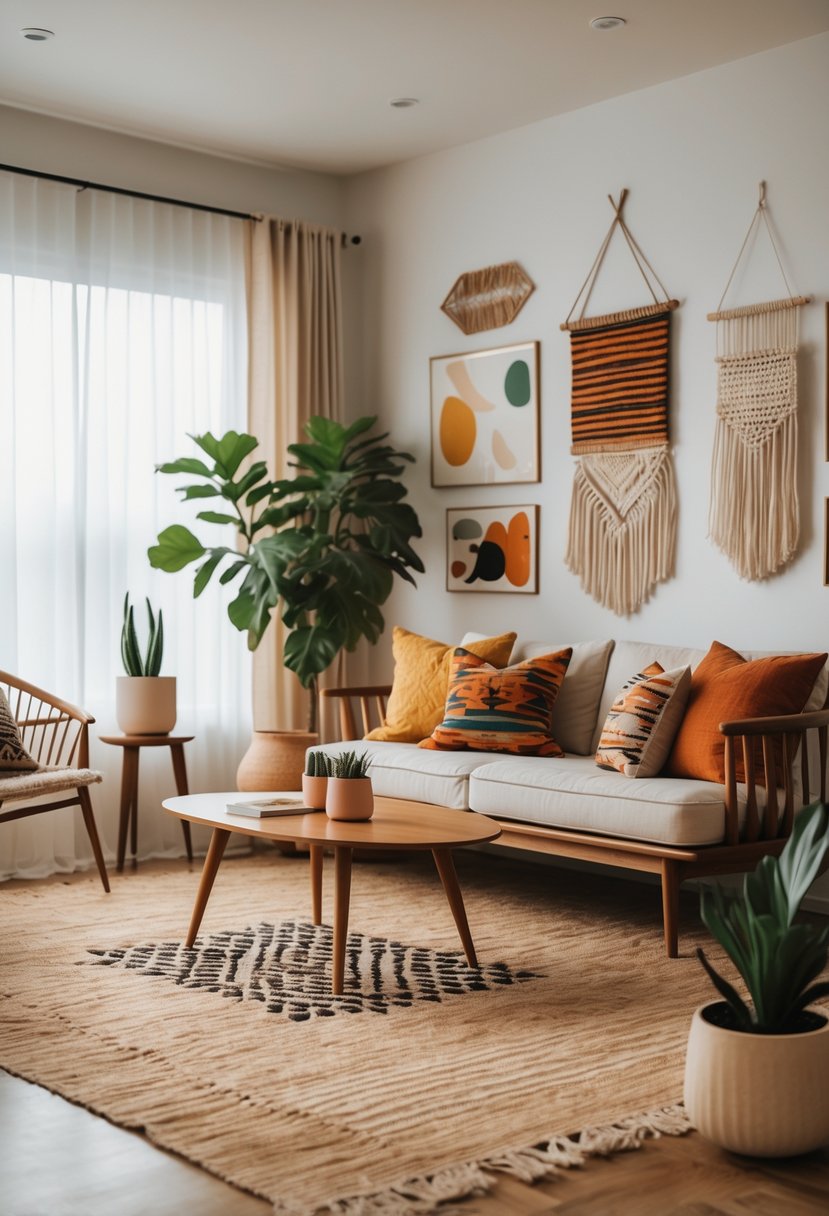
How can I effectively combine boho and mid-century modern aesthetics in my home decor?
Start with mid-century modern furniture as your foundation—think low-profile sofas, tapered legs, and those classic teak or walnut woods. Use those as your anchors and try to keep the room’s sightlines and zones pretty clear.
Then, layer in boho touches for warmth and texture. Woven rugs, a macramé wall hanging, and a handful of patterned throw pillows go a long way. I’d say keep the boho accessories intentional—one or two bold pieces per seating area is usually enough.
Don’t forget about scale. If you have slim-legged chairs, maybe balance them with a chunkier woven ottoman or a pouf. Leaving some breathing room around the furniture keeps that mid-century simplicity from getting lost.
What are the essential elements of boho chic that complement mid-century modern design?
Natural textiles and textures are a great match for mid-century wood. Jute rugs, linen throws, leather poufs, and wicker baskets all add tactile interest without overwhelming those clean lines.
Handmade and global accents bring in personality. Look for ceramics, vintage kilims, or woven wall art—stuff that echoes mid-century geometric patterns, but don’t go overboard. A few coordinated pieces are plenty; otherwise, it just feels busy.
Plants and organic shapes do wonders. Tall leafy plants and hanging planters near a mid-century shelf or console table really help blend the styles and make the space feel alive.
What color palettes work well when merging boho and mid-century modern styles?
Start with a neutral base—think warm whites, soft beiges, or maybe a light grey if that’s your thing. These shades really let mid-century wood details shine, and honestly, they give all those boho textiles some breathing room to do their thing without it turning into a circus.
Layer in accent colors that feel grounded and a little lived-in: mustard, terracotta, olive green, deep teal—those kinds of hues. Toss them onto pillows, a rug, maybe just one chair you love. That way, you get some personality and focal points, but it doesn’t end up looking chaotic.
Skip the super bright stuff for the most part. If you’re itching to use a bold color, keep it contained—like a piece of art, a quirky lamp, or just a throw. That way, you hang onto that crisp mid-century vibe, but still sneak in a bit of boho energy. Balance is everything, right?