Minimalist Bedroom Design Ideas for a Calm, Clutter-Free Retreat
So, you want a minimalist bedroom? Honestly, it’s all about dialing back to what you actually need for rest—no more, no less. A calm space comes from ditching the clutter, picking out simple furniture, and sticking with neutral colors that are easy on the eyes. This style isn’t about empty rooms; it’s just about removing the stuff that gets in the way of a good night’s sleep.
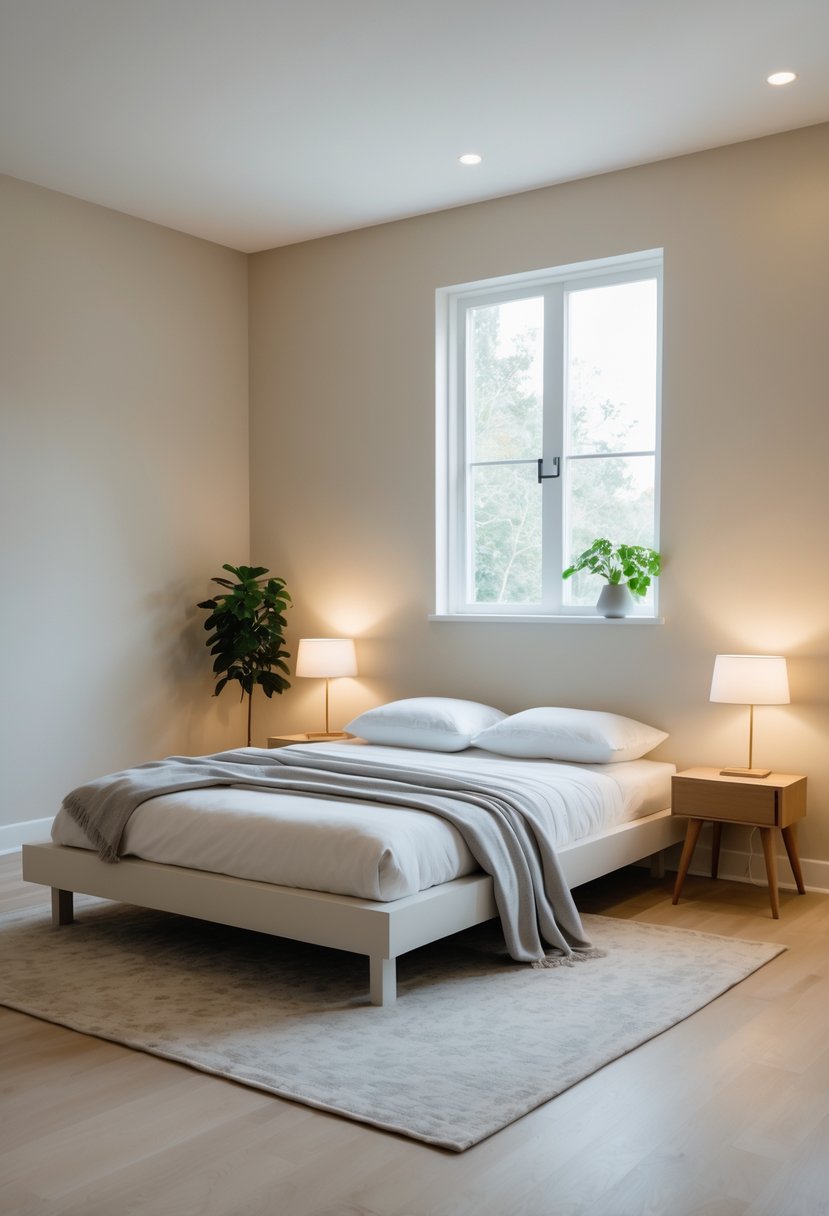
You’ll usually see clean lines and natural materials in minimalist bedrooms, which just makes everything feel fresher. Built-in storage? Yes, please. Soft throws or a cozy rug? Absolutely, but not too many. When you cut out the extras, suddenly your bedroom feels like a little retreat—quiet, calm, and just a bit more peaceful.
Core Principles of Minimalist Bedroom Design:
At its core, minimalist bedroom design is about simplicity and order. The goal? Make your bedroom a peaceful retreat—a space that feels calm, not chaotic. Every choice, from furniture to decor, is about keeping things serene and distraction-free.
Benefits of a Clutter-Free Space:
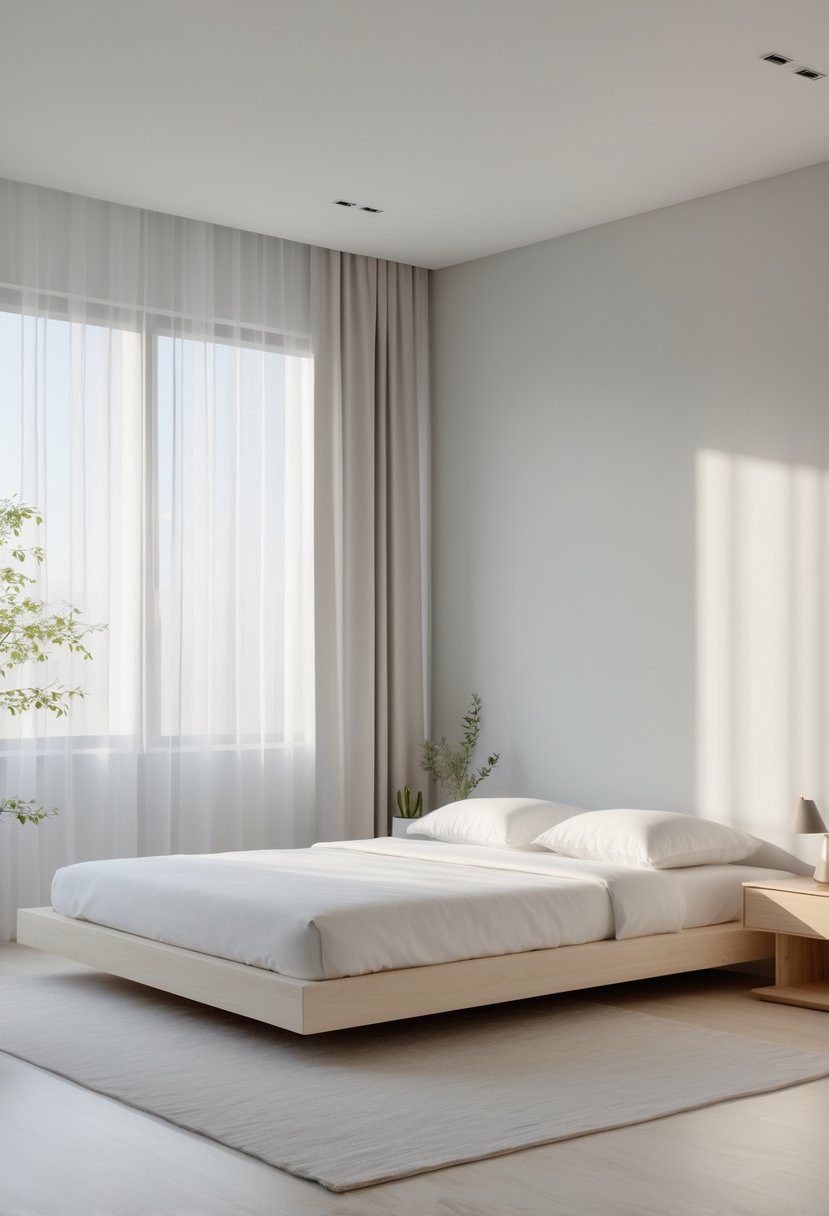
A clutter-free bedroom just feels better—there’s less visual noise, so your mind can actually relax. When you remove the random stuff, it’s way easier to keep things tidy, too. It’s not just about looks; it really does help you focus on rest.
Minimalist bedrooms stick to the essentials. Multi-purpose furniture—think bed frames with drawers or nightstands that double as storage—keeps the mess at bay. With fewer knickknacks and more open space, the room feels balanced and a little more breathable.
Honestly, the sense of calm you get from this kind of setup is hard to beat. It’s like giving your brain a break. Plus, better airflow and more natural light? That’s just a bonus.
The Role of Negative Space:
Negative space, or empty space (yeah, it sounds fancy), is a big deal in minimalist design. It lets your eyes rest and really makes the important things pop. When you don’t cram every inch with stuff, the room actually feels bigger. That breathing room is so much easier on the senses. It’s tempting to fill every corner, but leaving some space open is what makes the “less is more” vibe work.
Establishing a Serene Atmosphere:
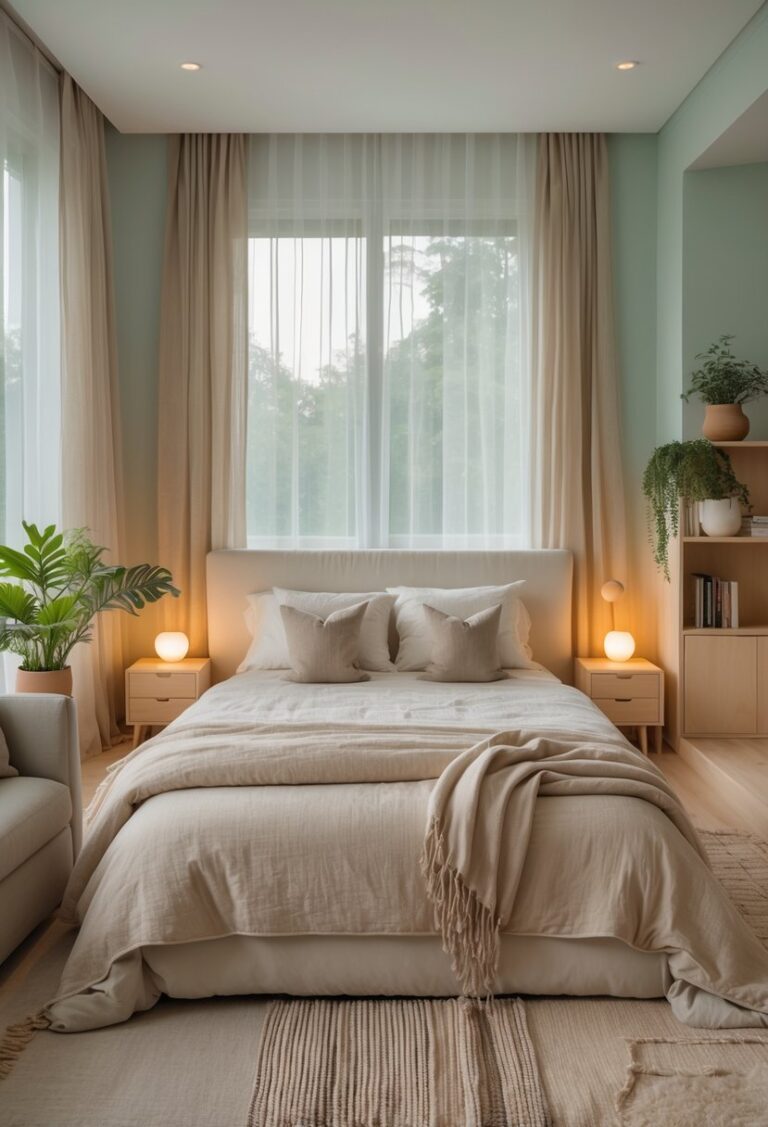
If you’re after serenity, stick to calm colors, soft textures, and gentle lighting. Neutrals—whites, beiges, muted earth tones—set a peaceful mood and keep things from feeling busy.
Layering in soft lighting (maybe a lamp here, a sconce there) adds warmth but doesn’t crowd the room. Natural touches like wood or cotton make it cozy without going overboard.
Furniture with clean lines keeps the look uncluttered. A single plant or a piece of simple art? That’s usually enough. The goal is a bedroom that feels like a real escape.
Color Palettes and Materials for a Calm Space:
Getting the colors and materials right is half the battle for a relaxing bedroom. It’s all about neutral tones, soft textures, and natural elements—basically, things that make you want to flop down and unwind.
Building with a Neutral Color Palette:
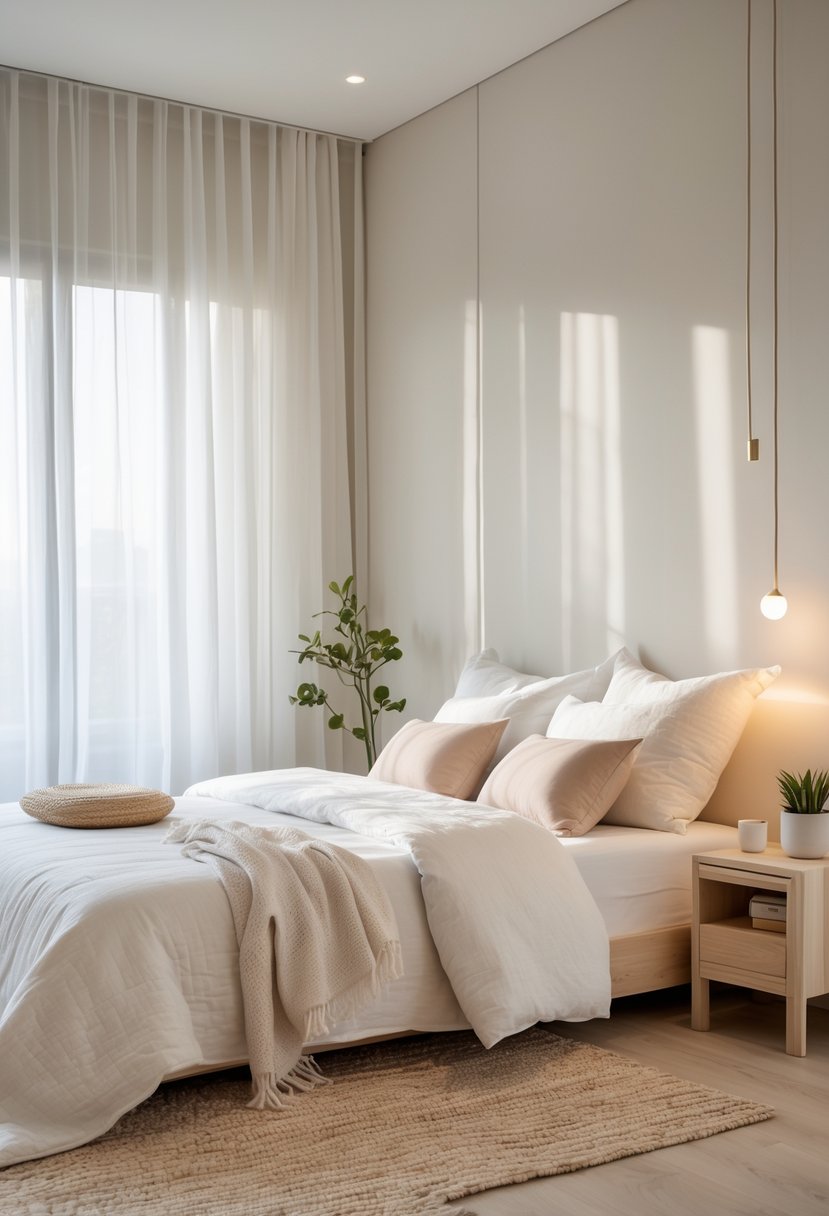
Neutrals are the backbone of a calm minimalist bedroom. Warm ivory, soft beige, greige—these shades bounce light around and make the space feel open. If you’re a fan of grays or taupes, a monochrome look adds depth without getting busy. Walls, bedding, and furniture in these tones keep things unified. Pairing whites with earthy shades avoids that stark, cold look. Somehow, it just makes the room feel bigger and more restful.
Incorporating Subtle Texture and Natural Materials:
Texture keeps things interesting, so you don’t end up with a room that feels sterile. Linen bedding, cotton throws, or a chunky wool rug—these add a cozy layer without breaking the minimalist vibe. A bit of real wood or a woven basket here and there brings in some warmth. Natural textures just make the place feel grounded. The trick is to use them in moderation, so you get that blend of function and style.
Layering Soft Neutrals and Warm Tones:
Mixing up soft neutrals with warmer tones adds a little extra comfort. Maybe your walls are pale beige, but your bedding’s a touch deeper, or you throw in a cream or rose-blush accent. It’s subtle but makes a difference. A few black or charcoal details can help anchor the space, too. This way, the color scheme stays balanced and you can tweak the mood whenever you feel like it.
Furniture Essentials and Functional Layout:
Minimalist bedrooms are all about smart furniture choices—pieces that do their job without hogging space or attention. Clean lines, clever storage, and a layout that just works. The bed’s the star, but everything else should quietly support it.
Choosing Low-Profile and Clean-Lined Furniture:
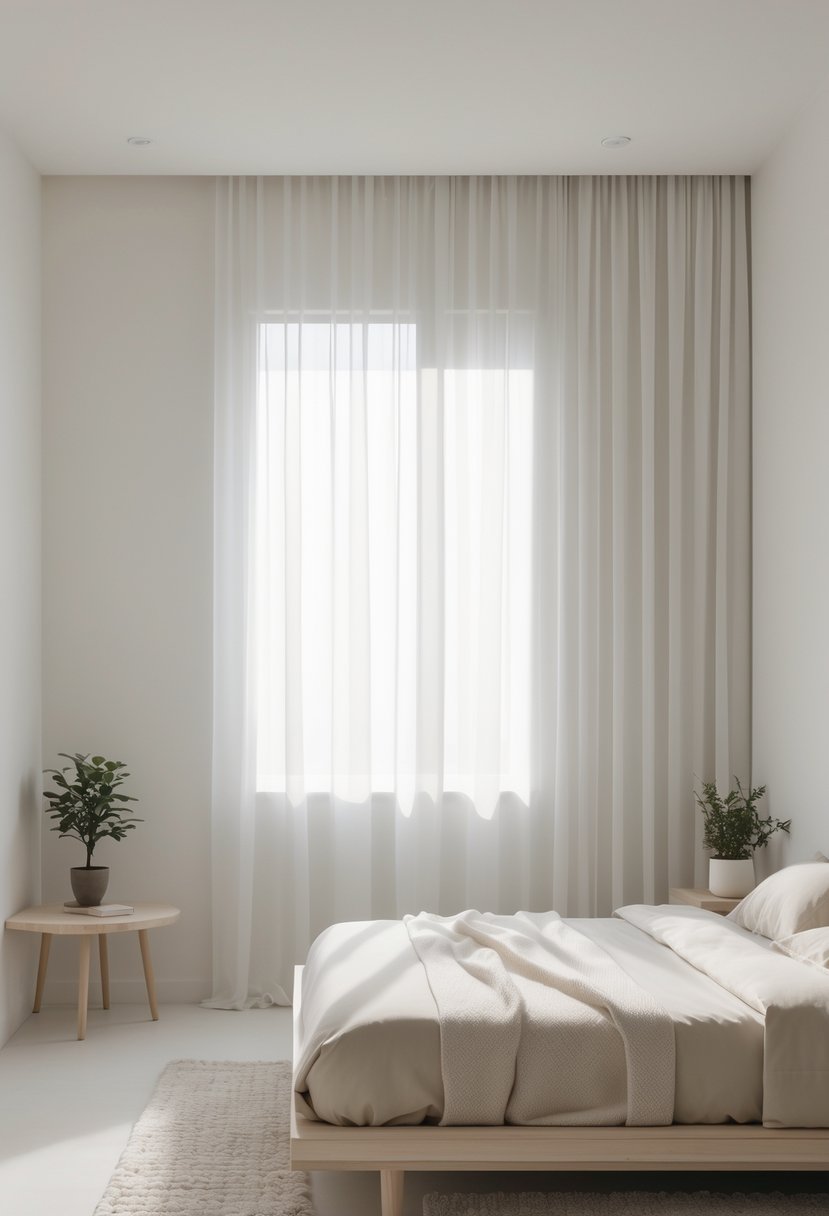
Low-profile furniture helps keep the room feeling open. Platform beds with simple frames are perfect—they sit low and don’t add bulk. You get that airy, uncluttered look right away. Natural wood or subtle wood accents warm things up, but the design should stay simple. Skip anything too ornate. If you want a statement bed, just keep it sleek—no need for fancy details.
Smart Storage Solutions and Multi-Functional Pieces:
Hidden storage is a lifesaver. Built-in closets, under-bed drawers—these keep your stuff out of sight. Floating shelves or nightstands? Great for freeing up floor space. Multi-use furniture, like a storage ottoman or a fold-out desk, does double duty without crowding the room. Even lighting can be built in—think wall-mounted lamps that keep your nightstand clear.
Nightstand and Dresser Selection for Minimalism:
Nightstands should be small and simple—just enough room for a lamp and maybe a book. Floating options or slim side tables help the space feel open. Avoid anything chunky that’ll make the room feel cramped. Dressers should stick with clean lines and neutral colors. Built-in or sleek wooden designs fit right in. Go for smooth fronts and minimal hardware—nobody needs a bunch of fussy drawer pulls. Keeping the tops clear really helps, too.
Making the Bed a Focal Point:
The bed is the anchor, so pick a streamlined platform bed or something sculptural but simple. Soft, neutral bedding makes it pop without being loud. If you want a statement piece, keep it bold but not busy. Wall-mounted lamps focus attention on the bed and save space. And honestly, just keeping the bedding neat goes a long way toward a calm vibe.
Enhancing Serenity with Light, Decor, and Plants:
If you want a calm bedroom, don’t overlook light, decor, and a bit of greenery. Soft daylight opens up the space, and just a couple of well-chosen art pieces or plants can make it feel alive but not crowded.
Maximizing Natural Light and Lighting Design:
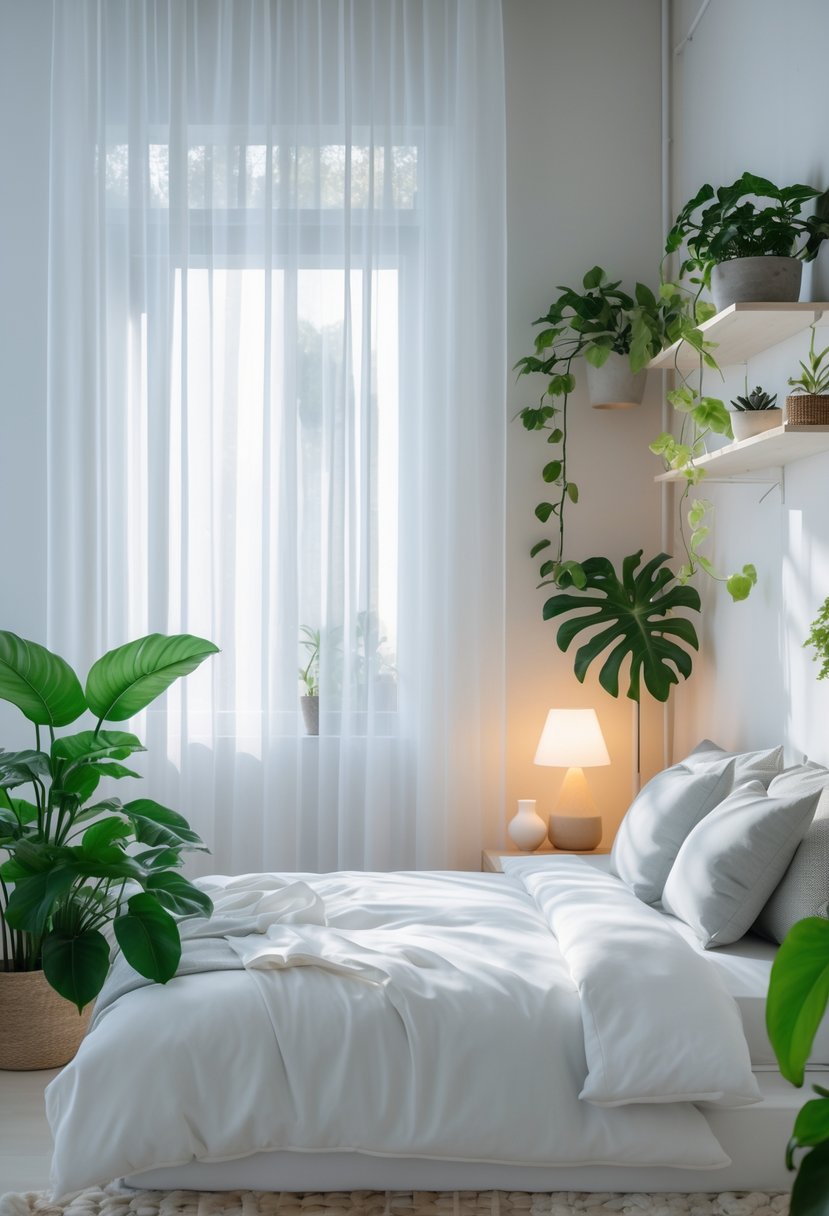
Natural light is a total game-changer. If you’ve got big windows or a skylight, keep them uncovered or use sheer curtains—let the sunshine in, but keep things private. Placing your bed or chair near the window makes the most of it.
For evenings, go with soft, adjustable lighting. Pendant lights or wall sconces with warm bulbs keep things cozy. If you’re into smart lighting, you can tweak the brightness or color depending on your mood. Overhead lights that are too harsh? Just skip ’em.
Minimalist Decor and Art for Calmness:
Decor should be simple—maybe one or two pieces of art, like abstract prints or something geometric. That’s enough to give the room character without making it feel busy. A textured wall hanging or two can add some interest, but keep surfaces clear except for what you actually use. Stick to decor in neutral or monochrome shades, and if you want a little color, use it sparingly—maybe a pillow or a tiny piece of art.
Finishing Touches: Indoor Plants and Subtle Accents:
Plants are a breath of fresh air—literally. Go for something easy like pothos, succulents, or snake plants. Near a window or on a nightstand, they add life without taking over. A textured throw or a single accent pillow can round things out, adding softness without clutter. It’s all about balance—just enough to feel inviting, but never crowded.
Frequently Asked Questions:
Minimalist bedroom design is really just about clean lines, practical furniture, and a calming color palette. You want open, clutter-free spaces, with smart storage and lighting that helps set a peaceful mood.
What are the essential elements of a minimalist bedroom design?
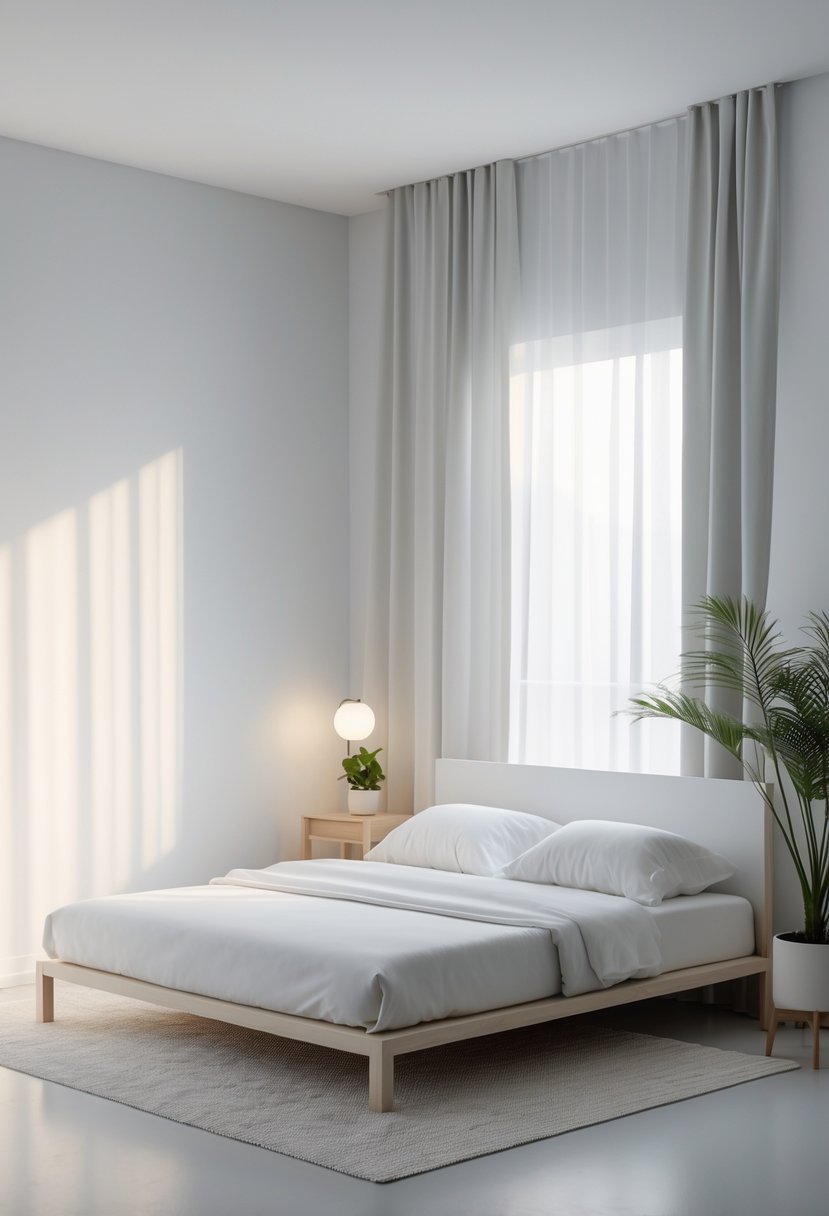
You’ll want simple furniture with sleek lines—platform beds, unadorned nightstands. Stick with neutral colors, keep surfaces clear, and use hidden storage to cut down on clutter. Only keep what you actually use or love.
How can one incorporate color into a minimalist bedroom without compromising the aesthetic?
A neutral base—whites, beiges, soft grays—keeps things calm. Add a pop of color here and there, like on a pillow or a piece of art. Layering different textures in similar shades adds depth, so it never feels flat.
What lighting choices best complement a serene and minimalist bedroom space?
Soft, adjustable lighting is the way to go. Wall sconces or pendant lights keep things off your surfaces and out of the way. Natural light is always best, but if you need more, choose fixtures that highlight the room without being glaring.
What is the role of texture in creating a warm and minimalist bedroom environment?
Texture is your friend—it keeps a minimalist room from feeling cold. Natural materials like wood, linen, and cotton add just enough variation. If you mix textures in the same color family, you get warmth without the clutter.
How does one balance functionality with simplicity in a minimalist bedroom layout?
Go for furniture that hides storage—beds with drawers, ottomans that open up. Everything should have a job, and you should be able to move around easily. Place things with intention, so it feels open but still works for your daily routine.
What are some budget-friendly tips for achieving a minimalist bedroom design?
Start by getting rid of stuff you don’t really use—donate it, or maybe even sell a few things if you’re up for it. A fresh coat of neutral paint can make a big difference without breaking the bank. When it comes to furniture, honestly, simpler is better, and pieces that pull double duty are a win. If you’re handy, try making your own organizers or put up some floating shelves; they’re surprisingly affordable and actually kind of fun to set up.