Sunny Living Room Lighting Ideas to Instantly Brighten a Dark Space
A dark living room can feel a bit gloomy and, honestly, not the most welcoming. But you don’t need a full renovation to turn things around—some lighting tweaks can work wonders. Mixing different light sources—think overhead, task, and accent—really helps brighten dark spaces and makes everything feel a whole lot cozier.
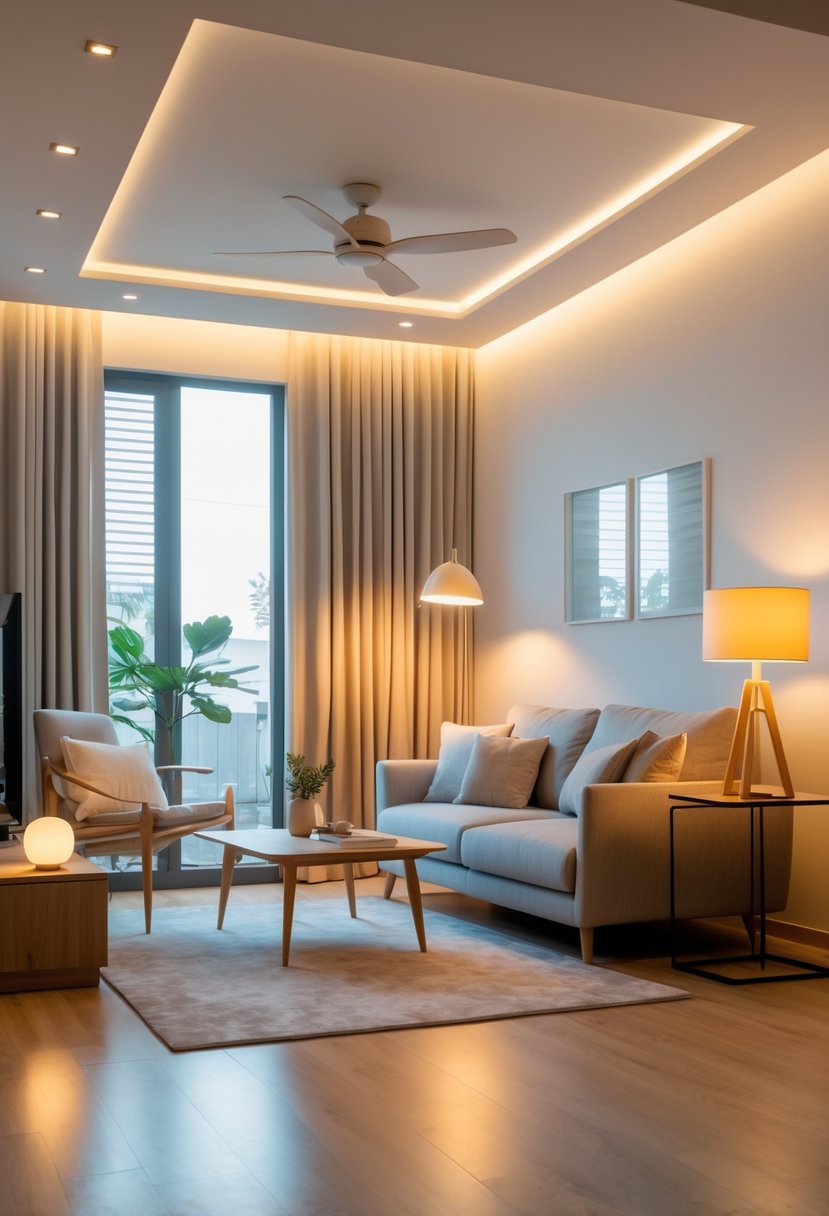
If your place doesn’t get much natural light, mirrors and light-colored walls are your friends. They bounce light around and keep things from feeling too cave-like. LED strips, shiny finishes, and just getting rid of clutter can also make a surprising difference—no need to bring in the contractors.
A few smart lighting choices, paired with design tricks that help light flow, can totally transform a dark living room. This guide is packed with practical, doable tips to make your space feel lighter and a lot more inviting.
Understanding the Challenges of Lighting Dark Living Rooms:
Lighting a dark living room isn’t just about throwing in more lamps. You’ve got to figure out what’s making it so dim in the first place, take a good look at what you already have, and consider how natural light (or the lack of it) plays into everything. These details really shape what’ll actually work to brighten things up.
Common Causes of Dark Living Rooms:
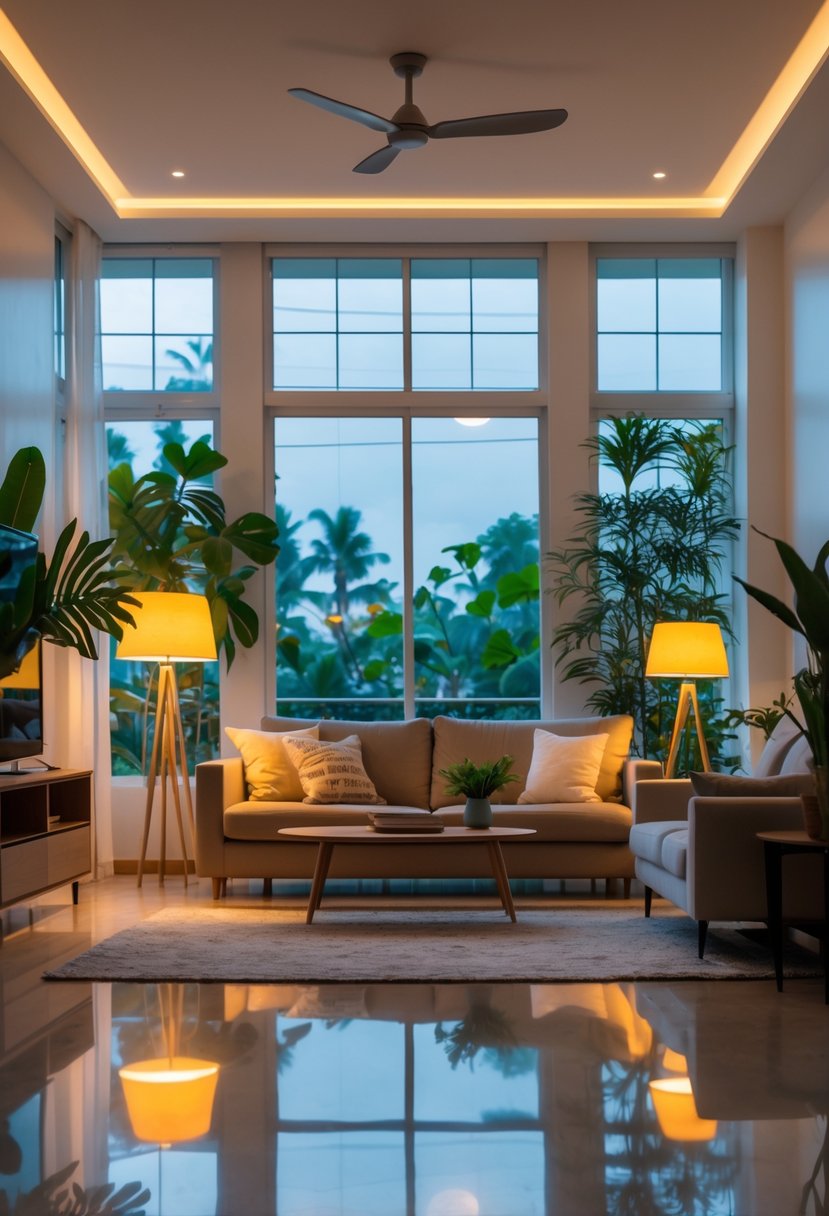
Why do some living rooms just seem to swallow light? Often, it’s small or badly placed windows, or maybe something outside is blocking the sun. Older homes or north-facing spaces are usually the worst offenders for this.
Dark wall paint and heavy curtains don’t help—they just soak up whatever light you do get. Sometimes, even just how the furniture’s arranged can make corners feel extra shadowy. And if you’re relying on one sad overhead bulb? Forget it; you’ll get weird shadows and lots of dark patches.
Pinpointing the culprit matters. If you’ve got tiny windows, you’ll probably need more artificial light. If it’s the curtains, maybe it’s time to swap them out for something lighter.
Assessing Your Current Lighting Situation:
Before you buy anything new, take a walk around and actually notice how your living room is lit. A lot of dark living rooms just have a single overhead fixture, which is usually not enough and can make the place feel harsh. Check for unlit corners or spots where you always wish it was brighter. Think about your bulbs, too—are they warm and cozy, or just kind of dull? Sometimes, those soft lights are nice but just don’t cut it on their own.
A solid lighting setup layers ambient, task, and accent lighting. Figuring out what’s missing or just not working helps you build a plan that actually makes the space feel good to be in.
The Importance of Natural Light:
Natural light is a game-changer. If you’re lucky enough to have big windows, your living room probably already feels open. But if you’re stuck with a space that barely gets any sun, it can feel a bit boxed in. North-facing rooms are especially tricky since they get the least sunlight. So, you’ll lean more on artificial lights to keep things bright.
You can boost natural light by ditching heavy curtains, adding mirrors, or—if you’re feeling ambitious—putting in a skylight. But mostly, just knowing how much sun you get helps you figure out how much extra lighting you’ll need.
Layered Lighting Strategies for Maximum Brightness:
If you want a brighter living room, you’ve got to mix things up—different types of lighting, that is. Each one does something a little different: some fill the space, some highlight cool features, and others just help you get things done.
Ambient Lighting for Overall Illumination:
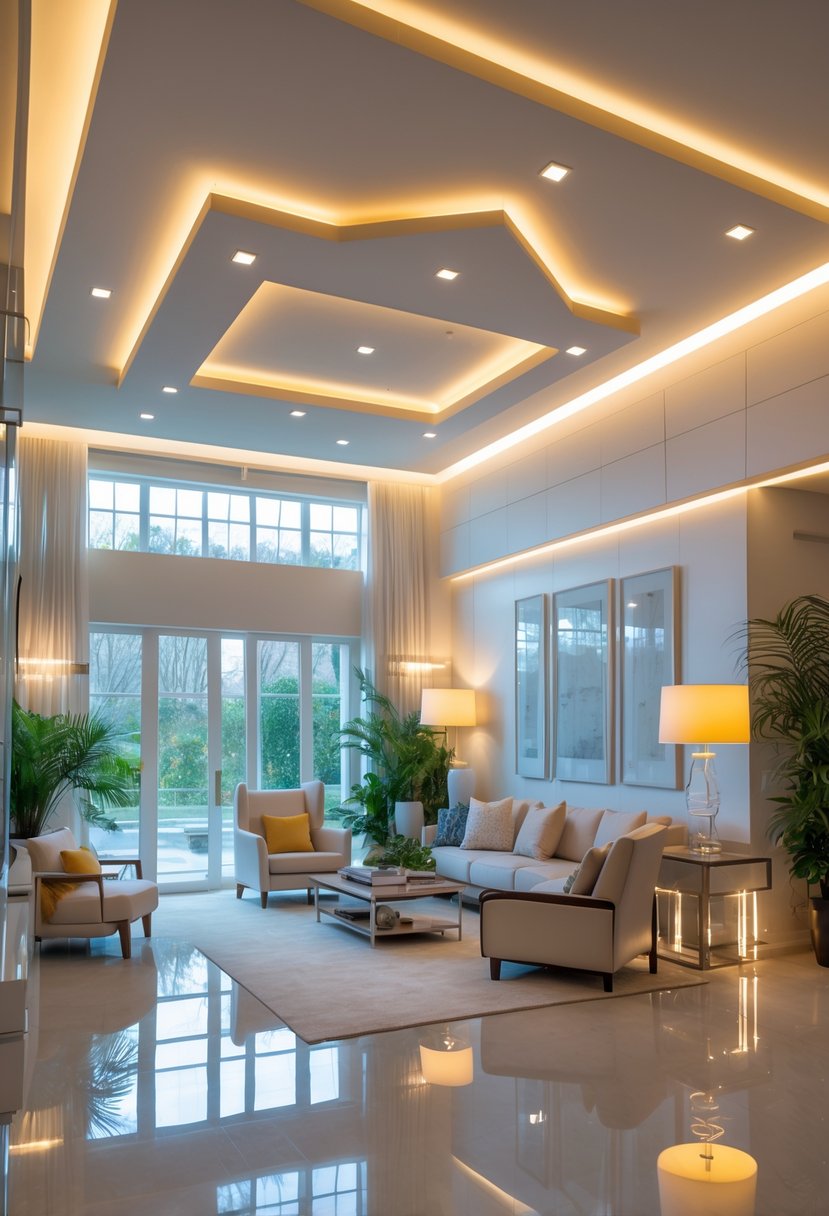
Ambient lighting is your baseline—the stuff that lights up the whole room. It should be strong enough to keep things from feeling gloomy, but not so bright it’s like you’re in a hospital. Ceiling fixtures like recessed lights or flush mounts are pretty standard.
Warm white bulbs (in the 2700K-3000K range) are usually a safe bet if you want things to feel welcoming. Dimmers? Definitely worth it. They let you tweak the vibe depending on what you’re doing. In darker rooms, spreading out several light sources helps avoid those dreaded dark corners. Get this layer right, and everything else falls into place—it just feels better.
Accent Lighting for Visual Interest:
Accent lighting is where you can have a little fun. It’s all about drawing attention to cool stuff—art, plants, or maybe that funky wall texture you love. Wall sconces, track lights, or spotlights all work here. In a darker space, accent lights add a little sparkle and keep things from feeling flat. Adjustable fixtures are nice since you can switch things up whenever you feel like it.
Accent lights usually give off a softer, warmer glow than task lights, so they add style without being too in-your-face. When you layer them in, the room just feels more dynamic.
Task Lighting for Functionality:
Task lighting is all about getting stuff done—reading, working, whatever. Desk lamps, floor lamps with bendy arms, or under-cabinet lights are the MVPs here. If your living room is already dark, task lights are a lifesaver for your eyes. They’re often a bit cooler in tone (3500K-4000K) to help you focus.
Stick them near where you sit or work. Adjustable heads and dimmers are a plus, so you can point and tweak the light as needed. This layer is super practical but still fits into the overall look.
Essential Living Room Lighting Fixtures:
Getting the right mix of fixtures is everything. You want a blend of ambient, task, and accent lights that actually fit your room—not just whatever was on sale. The style and size matter, but so does how much light they put out.
Recessed Lighting and Downlights:
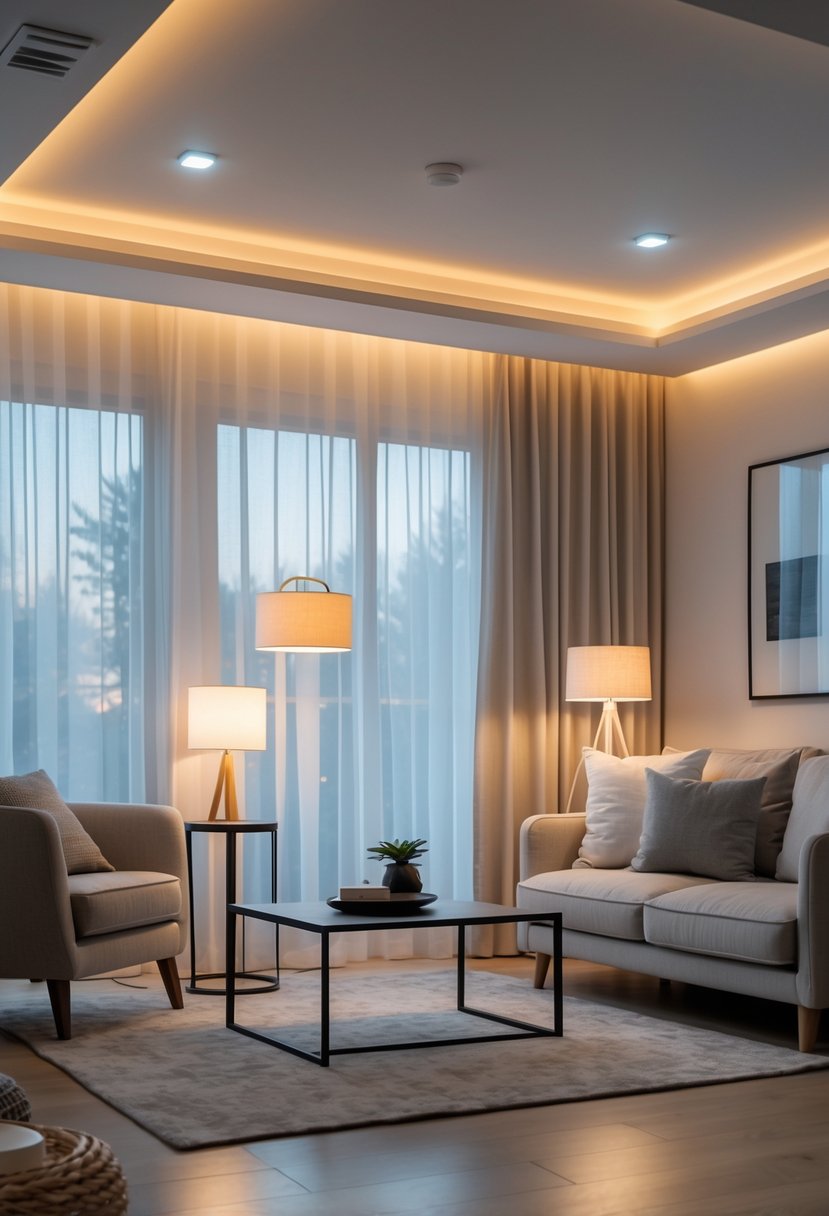
Recessed lighting (aka downlights) is perfect if you want something subtle that doesn’t eat up headroom. They’re tucked into the ceiling and give you even, all-over light, which is great for low ceilings. You can aim them at walls or corners to chase away shadows. Just don’t rely on them alone, or things can get a bit flat. LED versions are efficient and let you pick your brightness or color temp.
Floor Lamps and Table Lamps:
Floor and table lamps are the workhorses of living room lighting. Floor lamps are awesome next to a reading chair or sofa, while table lamps are perfect for end tables or consoles. There’s a style for everyone, honestly. Adjustable shades or dimmers are a nice touch. Warm bulbs make the space feel snug, but if you’re battling a really dark room, don’t be afraid to go brighter.
Chandeliers and Ceiling Lights:
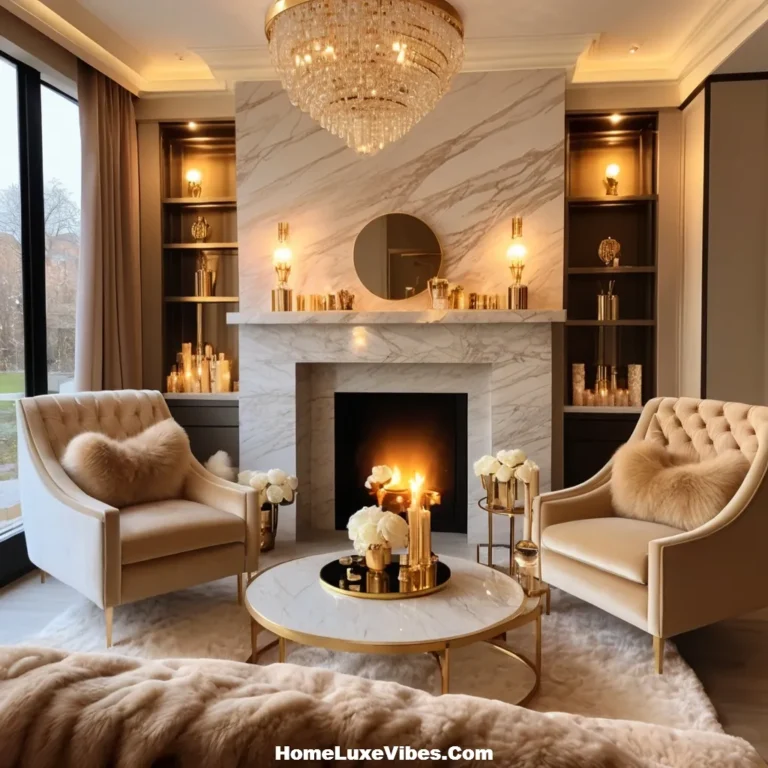
Want a statement? Chandeliers or bold ceiling lights can be both your main light and a design highlight. Chandeliers especially work well in bigger living rooms and spread light around nicely if you pick the right one. Modern ceiling lights—like flush mounts or semi-flush—fit most spaces and give good coverage if they have multiple bulbs. Just watch the scale: too big and it overwhelms, too small and it’s pointless.
Wall Sconces and Spotlights:
Wall sconces are super versatile and don’t take up any floor space. They can be ambient or used to highlight art or architecture. Plug-in versions are great if you’re not into rewiring. Spotlights let you aim light exactly where you want—perfect for a reading nook or to show off a collection. Both options help break up shadows and keep the room looking bright.
Creative Techniques and Modern Solutions to Brighten Dark Spaces:
Sometimes, you’ve got to get a little creative to beat the gloom. Mixing in flexible lighting, reflective surfaces, and smart controls can make a huge difference. These tricks don’t just add light—they help you play with mood and highlight what you love about your space.
LED Strip Lighting for Versatile Accents:
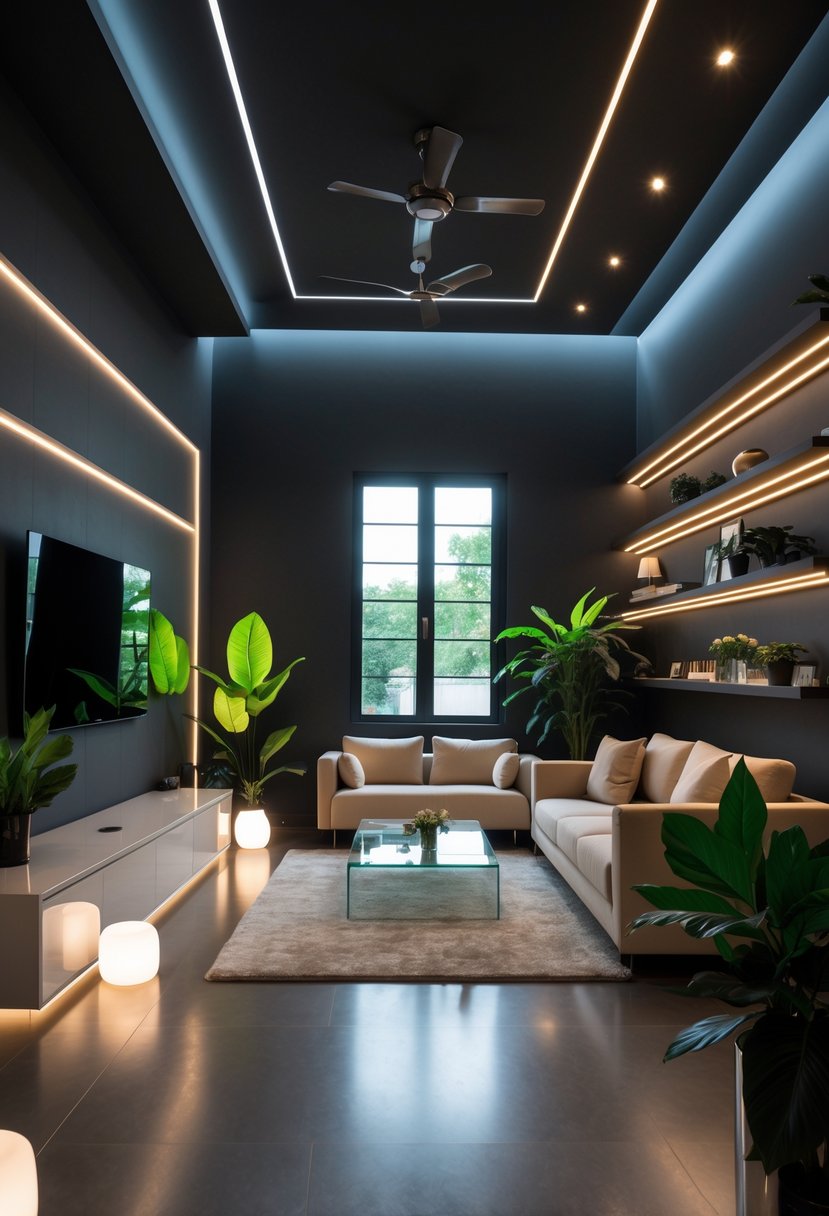
LED strips are kind of a secret weapon. They’re thin, bendy, and can be tucked under shelves, behind the TV, or along the ceiling. The effect? A soft, even glow that doesn’t scream “look at me,” but still brightens things up. You can pick the color and brightness to match your mood or the time of day. Plus, they’re energy savers and last ages. Hide them for a sleek look and let the light do the talking.
Using Reflective Surfaces and Wall Mirrors:
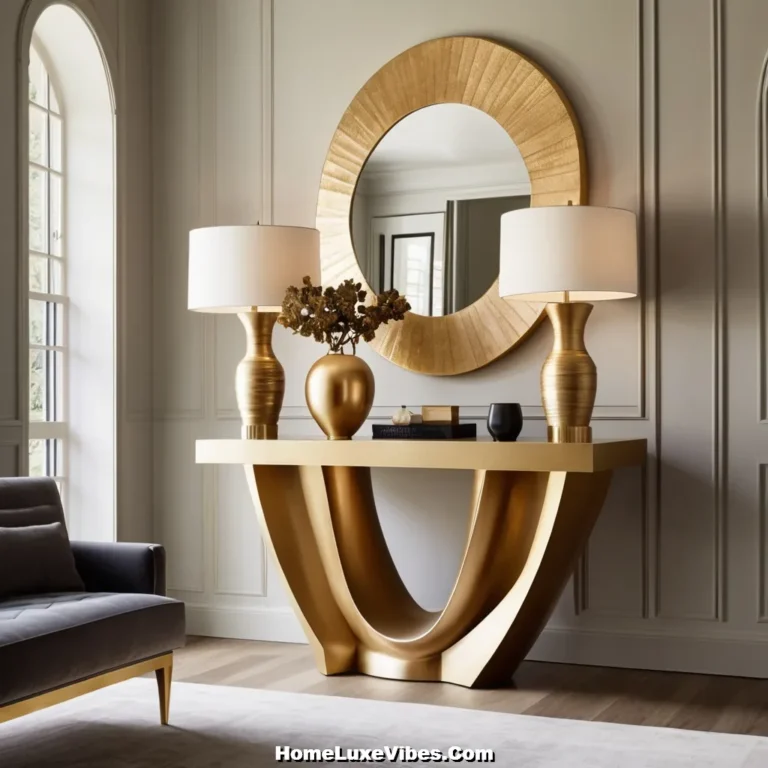
Mirrors and shiny stuff are classic tricks for a reason—they bounce light all over the place. A big mirror across from a window can make your room feel twice as bright. Glossy furniture or metallic accents help, too. Pale, slightly shiny wall paint also helps reflect light. You’re not adding new light, but you’re making the most of what you’ve got.
Leveraging Dimmer Switches for Mood Lighting:
Dimmers are underrated. They let you fine-tune how bright (or mellow) things feel, so you’re not stuck with “full blast” or “way too dim.” Perfect for dark rooms where you want options. Using dimmers with all your layers—overhead, lamps, accents—makes it easy to set the mood. Plus, they help bulbs last longer and save some energy.
Frequently Asked Questions:
Lighting can totally change how a living room feels. The right fixtures, placement, and a couple of tricks can make even the darkest room feel open and inviting—no sun required.
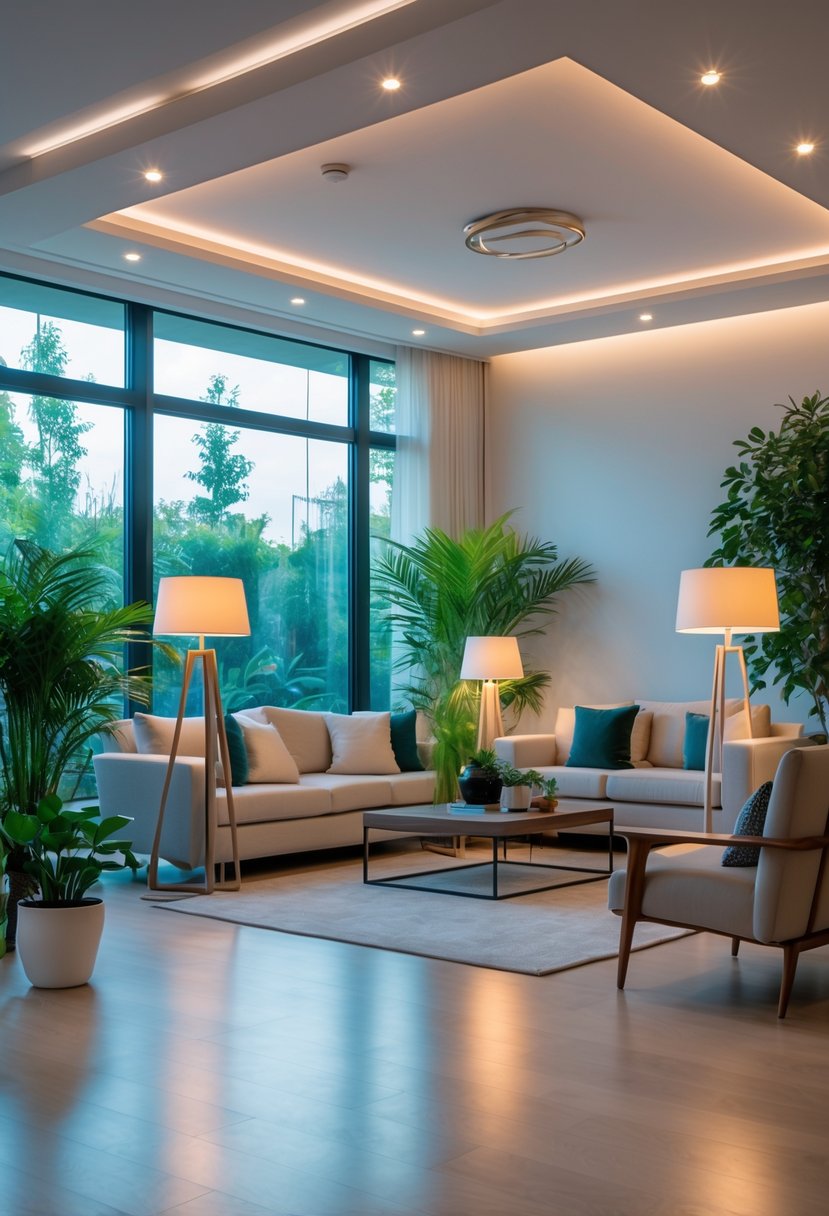
What are the best types of light fixtures to enhance illumination in a dark living room?
Layering’s where it’s at. Combine ceiling lights, floor lamps, and table lamps to get light everywhere you need it. Dimmable LEDs and wall sconces give you control, so you’re not stuck with one harsh option.
Look for fixtures with shiny surfaces or upward-facing shades—they help bounce light around. And honestly, skip those single super-bright fixtures; they just make weird shadows.
How can one use LED lights effectively to brighten a small, dark living area?
LED strips under shelves or behind your TV add a subtle glow that makes the space feel bigger. Go for LED bulbs with a daylight vibe (around 5000K) if you want that crisp, natural light.
Mix in LEDs for ambient, task, and accent lighting so you get both soft background light and focused brightness. They’re cool to the touch and energy-efficient, so you can put them almost anywhere.
Can you suggest ways to amplify natural lighting in a living room with limited windows?
Keep those windows sparkling and swap heavy drapes for sheer curtains to let in as much light as possible. Mirrors across from windows bounce sunlight deeper into the room. Clear furniture and open shelving won’t block the flow.
Pale walls and glossy finishes help reflect whatever light you get. And, honestly, just clearing out clutter goes a long way—less stuff means fewer shadows and more room for light to move around.
What lighting techniques can be used to create the illusion of a lighter and larger living space?
Try mixing up your light sources—putting them at various heights keeps those pesky dark corners at bay. Wall sconces and uplights can trick the eye, making the walls stretch upward and the room feel more open.
Bulbs that come close to natural daylight? Always a good idea. They just make everything feel a bit brighter, and honestly, who doesn’t want that? Playing around with layers—ambient, task, accent lighting—adds some depth and keeps the room from looking flat or, worse, cramped.
Which lighting solutions are recommended for a living room that lacks sufficient natural light?
If your living room’s a bit gloomy, go for strong overhead lights with a wide beam—something that actually reaches all the corners. Floor and table lamps with bendy arms are lifesavers too; you can aim the light exactly where you want it.
LED strips tucked out of sight are a neat trick for extra brightness, and they don’t add clutter. Lighter colors on your walls and furniture help bounce the light around, making the whole place feel a little more cheerful.
Could you provide before and after examples of living rooms transformed with better lighting?
So, picture this: a gloomy living room with just one sad overhead bulb. It’s not exactly cozy, right? Someone decided to shake things up by adding layered lighting—think recessed LEDs, a couple of floor lamps, and even some wall sconces tossed in for good measure. Throw in a few mirrors and a lighter paint color, and suddenly the whole place feels way bigger. It’s kind of wild how much difference that makes.
In another case, there was a tiny living room that always felt a bit cramped. They put LED strip lights under the shelves (which is honestly genius), and ditched the heavy curtains for something sheer. Daylight actually gets in now, and the whole vibe is just warmer—not bad for a few simple tweaks.