Your Kitchen’s Missing Link: How to Build a Dreamy Pass-Through Bar Cart Nook in One Weekend
Ever stared at a skinny wall or that awkward pass-through and thought, “What am I supposed to do with this?” Well, it turns out you can turn it into a surprisingly handy and stylish spot that connects your kitchen with the rest of your home. A kitchen pass-through bar cart nook is basically a sweet little zone for serving drinks, stashing essentials, and keeping the conversation rolling between rooms—without having to knock down any walls.
It saves space, gives you bonus storage, and sets up a welcoming spot for serving—making both daily life and entertaining less of a hassle. Below, you’ll find layout tips, must-have features, some styling inspiration, and a few practical tricks to help you build a nook that fits your space and budget (and maybe your personality, too).
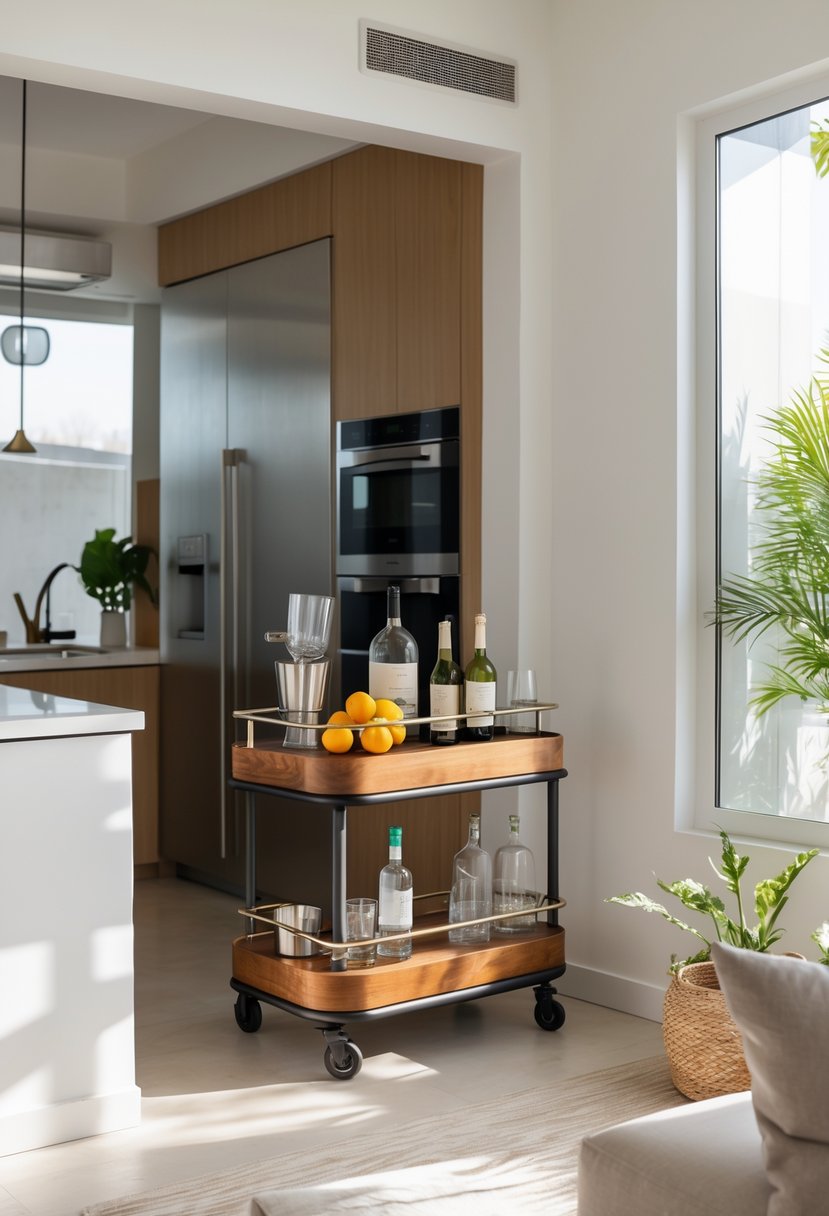
Let’s get into picking the right spot, choosing materials, what features actually matter, and some super quick fixes for storage or lighting—so you can start planning without second-guessing everything.
Fundamentals of a Kitchen Pass-Through Bar Cart Nook:
So, what’s the big deal with a Kitchen Pass-Through Bar Cart Nook? Basically, it turns that underused wall into a practical service point and a social little hangout. You get a pass-through counter, a compact bar area, and open sightlines—which really helps the flow between your kitchen and wherever people are actually sitting.
Defining the Kitchen Pass-Through Bar Cart Nook:
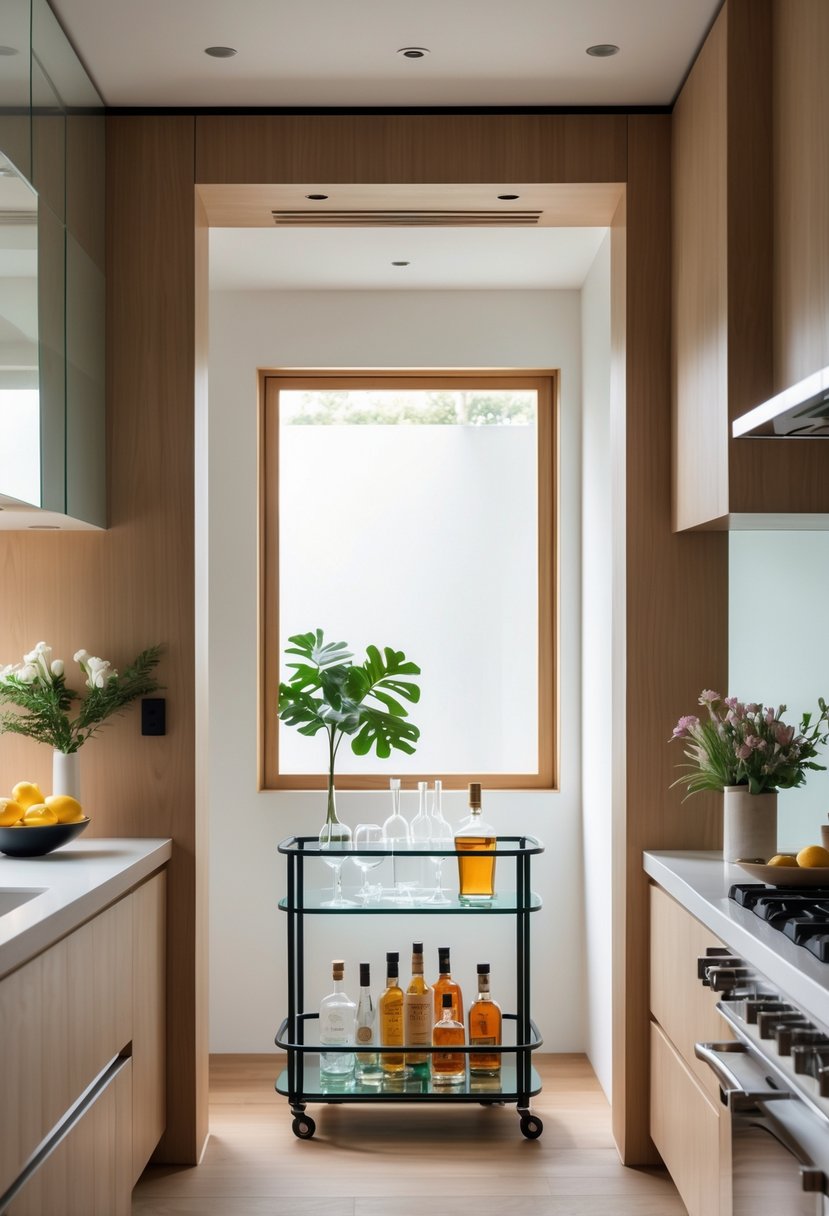
This nook is usually a small built-in or semi-built setup right around your kitchen pass-through. There’s often a narrow counter (think service ledge), plus a spot for a bar cart or some open shelving. The opening might be framed out with a finished counter-height shelf, or sometimes a slightly lower ledge for prepping drinks.
What’s nice is, it keeps your main kitchen “work triangle” intact but gives you a second spot for drinks or snacks—perfect if you don’t have room for a full island or big bar. People often use floating shelves, a slim base cabinet, or a rolling cart to stash glassware, bottles, and all those little tools you never know where to put.
Key Benefits and Space Optimization:
The magic here is reclaiming wasted wall space without tearing anything down. The pass-through counter acts as a direct transfer zone for food and drinks, so you’re not making a million trips through doorways. Plus, it frees up your main kitchen counters for actual cooking.
If your kitchen’s on the small side, the nook can make both rooms feel bigger by opening up sightlines and letting in more light. Targeted storage—like vertical shelves or a skinny cart—keeps counters clear. You can even add a seat or two on the other side for a laid-back bar vibe, without needing to cram bar stools into your kitchen itself.
Core Elements and Layout Considerations:
You’ll want a pass-through counter at 36″ for standard prep or 42″ if you want true bar height, a sturdy ledge for trays, and easy-to-reach storage for glassware and mixers. Good lighting is key—think a little pendant or under-shelf LEDs to make the nook pop and keep things practical.
Layout depends on traffic flow and how wide your opening is. If it’s 30–36″ wide, it’s a one-person operation; 48″ or more, and you can actually have two people working in there. Removable bar carts are handy for flexibility, and don’t forget to put outlets nearby for blenders or whatever gadgets you use. Go for spill-resistant materials—quartz, sealed wood, or tile are all solid bets for the pass-through.
Essential Features and Must-Have Elements:
This nook really needs a tough counter for mixing and serving, comfy seating for guests, clever storage for bottles and glassware, and layered lighting for both tasks and ambiance. Each piece should actually fit your pass-through and make serving between rooms a breeze.
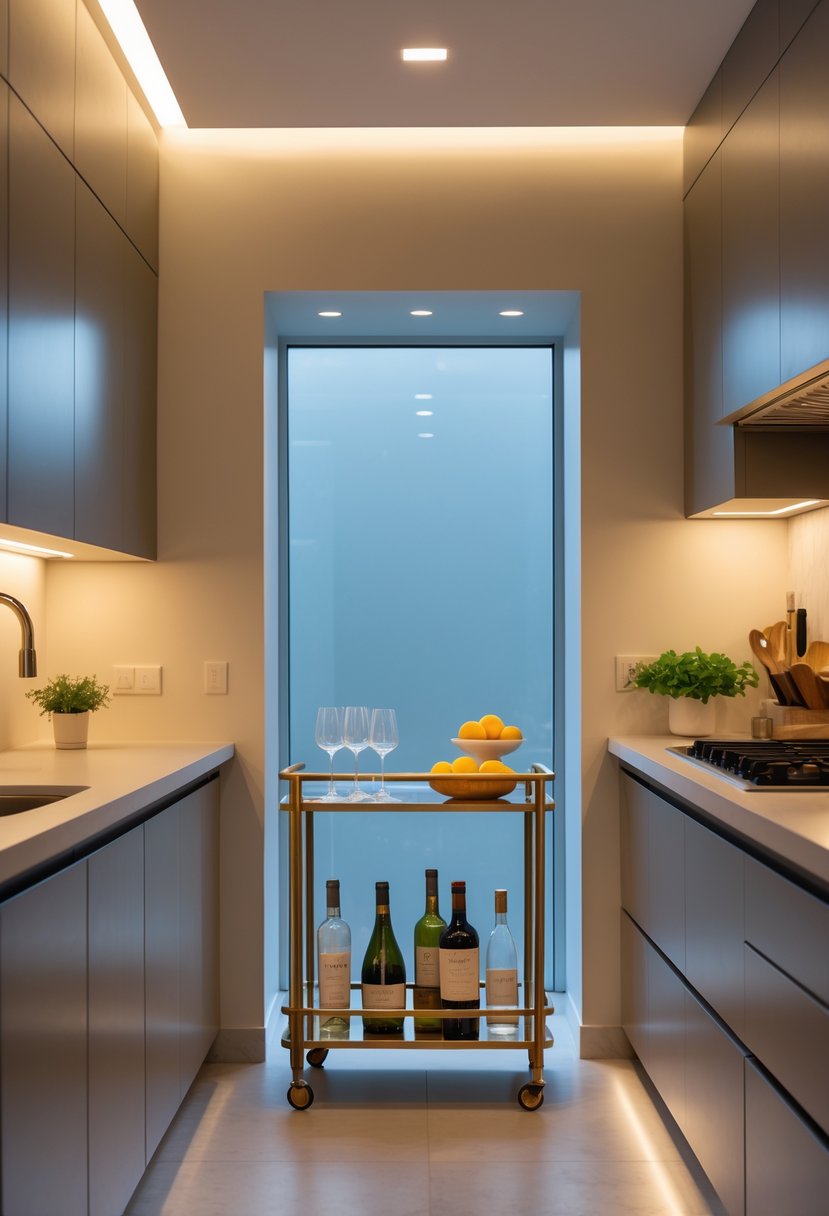
Optimal Counter Space and Surfaces:
The counter’s gotta be at least 24–30″ deep to make room for a shaker, cutting board, and a couple of bottles—otherwise, you’re juggling. Quartz, solid-core laminate, or sealed wood are all good for resisting stains and cleaning up after inevitable spills. A little overhang (say, 8–12″) on the seating side makes it comfortable to pull up a stool and not bang your knees.
If your pass-through opens right into the kitchen, aim for a 36″ counter height, or try a two-level setup: 36″ for prep, 42″ for bar seating. A small built-in tray or recessed spot for dirty glasses helps keep things tidy—nobody wants to stare at a pile of used glassware.
Seating Options and Bar Stools:
Pick stools that actually match your counter height: 24″ seats for 36″ counters, 30″ for 42″. Stools with backs are comfier if people linger; armless ones squeeze into tight spots. Figure on 24–30″ of space per stool so everyone’s not elbowing each other.
Material-wise, metal or wood frames last. Padded seats are a nice touch if you host a lot. If space is tight, stools that tuck all the way under the counter—or swivel—make it easier to get in and out without making everyone else stand up.
Storage Solutions: Shelving, Racks, and Drawers
Mix it up: floating shelves or open shelving above the pass-through are great for showing off glassware and bottles you actually use. A small wine rack—either horizontal or a skinny vertical one—under the counter keeps bottles handy but not in the way. Divided drawers are perfect for bar tools, corkscrews, and napkins.
Stemware hangers under a shelf save cabinet space and keep delicate glasses safe. If you’ve got kids or just want to be careful, at least one drawer or cabinet should lock for liquor bottles. Labeling shelves or using clear bins makes party setup way less stressful.
Lighting for Ambiance and Function:
Go for layers: a pendant over the counter gives you focused light for mixing drinks and reading labels. Adjustable pendants are smart—they won’t block the view through the pass-through. LED strips under shelves or the counter’s edge help glassware glow at night.
Dimmer switches let you switch from bright prep mode to a relaxed, low-light vibe for evenings. If your pass-through is wide, sconces on each side can balance things out. Warm LED bulbs (2700–3000K) keep everything looking cozy and flattering—nobody wants harsh lighting at cocktail hour.
Design Inspirations and Customization:
Here are some ways to make a pass-through bar cart nook actually work for daily meals, casual drinks, and storage. It’s about seating, built-ins, lighting, and materials that make sense for real homes—not just magazine spreads.
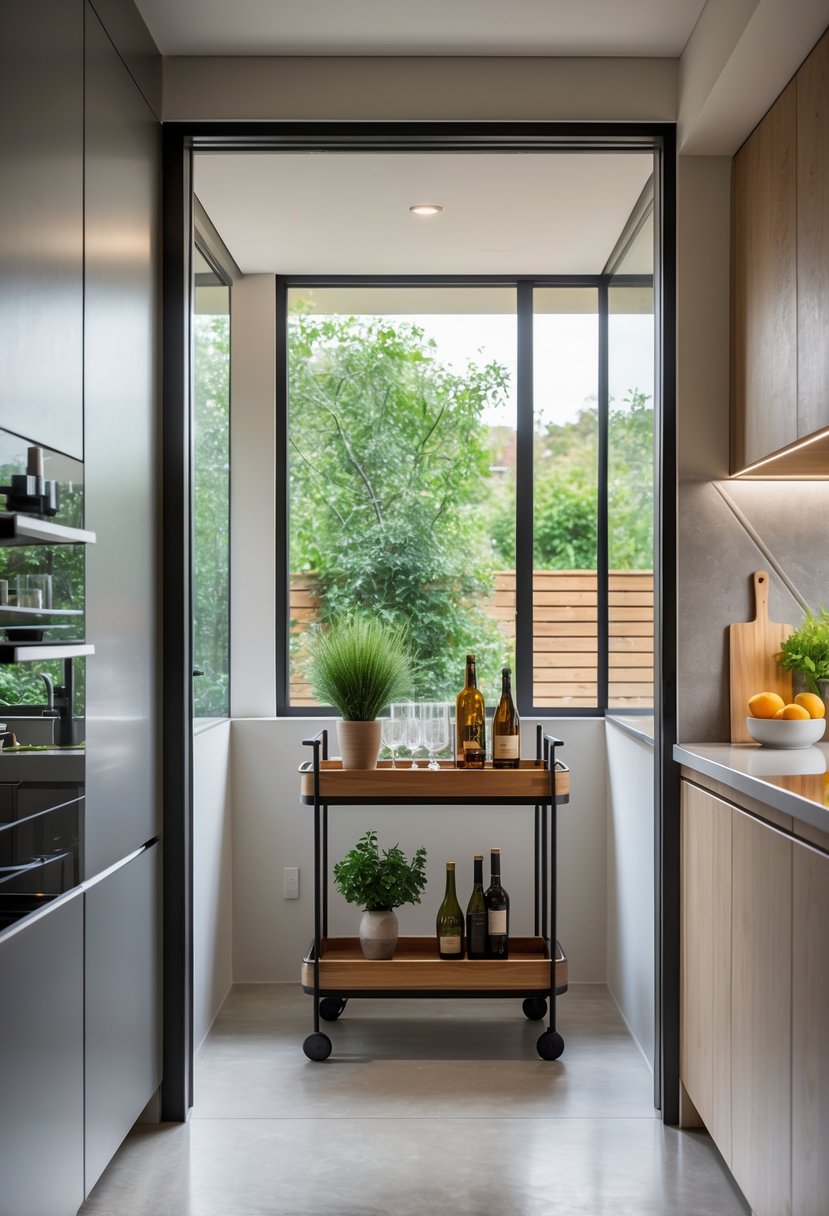
Breakfast Bar and Morning Nook Transformations:
Turn a pass-through into a breakfast bar by pushing the counter out 12–18″ into the living side for seating. Go for 24–30″ deep overhangs for stools, and stash drawers or open shelves underneath for coffee pods, napkins, and placemats. LED strips under the lip give a soft morning glow, and a small pendant over the stools adds light where you need it.
Stick with easy-clean surfaces like quartz or sealed butcher block. Two stools with backs are nice if you linger over breakfast, or pick armless stools to tuck away. A narrow spice rack or mug hooks on the kitchen side keeps things organized but out of sight.
Styling a Bay Window or Window Seat Bar Nook:
If you’ve got a bay window, try turning it into a social pass-through by letting the seat double as bar seating. Measure your window depth (18–24″ is usable), then build a cushioned seat and a counter extension at the same height as the pass-through for drinks and snacks.
Low-profile stools that slide under the counter help keep things open. Hidden storage in the bench is a smart spot for trays, coasters, or seasonal stuff. Go for layered window treatments—Roman shades for light control, sheers for a soft look. Use a thin, tough material like laminate or stone for the tabletop so it shrugs off spills.
Choosing Materials and Color Schemes:
Pick materials that can handle food and drinks and don’t clash with the rest of your house. Quartz counters are stain-resistant, hardwood is cozy but needs sealing. For cabinet faces, painted MDF or real wood works—either match your kitchen or go bold with a contrasting color.
Limit your palette to two main colors and one accent. Maybe warm oak counters, off-white cabinets, and a navy blue pop on the trim. Brushed metal or matte black hardware keeps things feeling pulled together. A textured backsplash or beadboard facing the living room adds some interest.
Think about finishes: matte hides fingerprints, gloss shows every smudge. For cushions, pick stain-resistant fabric you can actually wash—life happens.
Practical Tips and Smart Solutions:
Here are some quick, real-world fixes for lighting, storage, and shelving so your pass-through bar cart nook actually works in a busy kitchen. The focus? Save space, see what you’re doing, and keep things where you can find them.
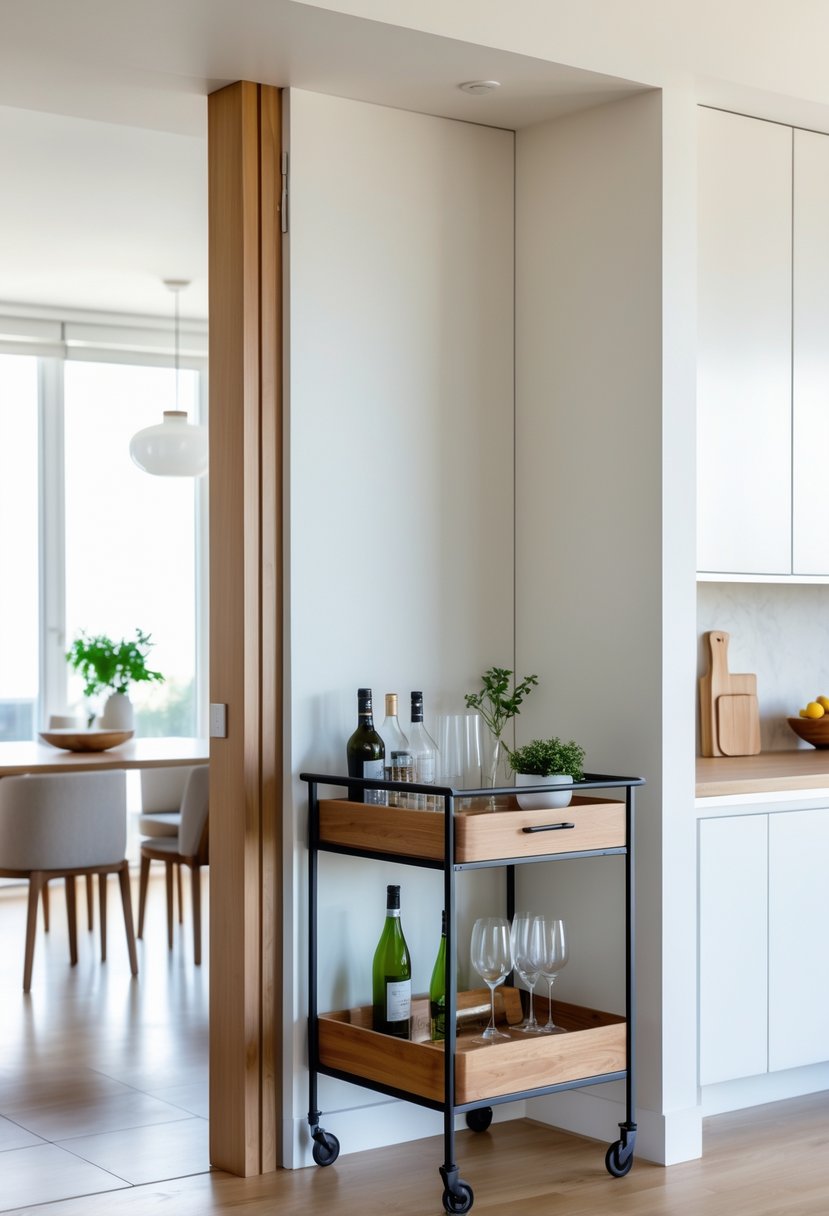
Lighting and Display Enhancements:
Try adding LED strip lights under shelves and along the pass-through sill—they’ll brighten up work areas and make your glassware sparkle. Warm white (2700–3000K) is cozy, while neutral white (3500K) makes it easier to see what you’re mixing. Dimmable drivers let you change the vibe from day to night.
Mount small puck lights inside cabinets to spotlight bottle labels, and a slim pendant above the cart for task lighting. Frosted lenses help keep glare down when the light hits glass. For display, a mirrored back panel or shiny metal tray can bounce light around and make the nook feel bigger than it is.
Maximizing Storage in Small Spaces:
Start by thinking about what you actually use every day—those things should land on the easiest-to-reach shelf. Glassware? Tuck it in a protected zone so it doesn’t get bumped. Specialty bottles can hang out up high, since you’re not grabbing them constantly. Don’t forget to use vertical space: slip a slim wine rack under the counter, and hang stemware racks beneath floating shelves to keep your counters a bit less crowded.
If you’ve got one of those skinny 12–15 inch cabinets, a roll-out tray for mixers and tools is surprisingly handy. For syrups and garnishes, labeled bins just make life easier (no more mystery bottles). Magnetic strips inside a pass-through frame are a clever way to corral bar tools. And honestly, fold-down or sliding fronts? They’re a lifesaver for hiding the mess in a hurry.
Creative Uses for Open and Floating Shelving:
Floating shelves are pretty great when you anchor them to studs and leave enough space for your tallest bottle—maybe add a couple of inches just in case. Mixing open shelves with a single closed cabinet is smart: you get to show off your favorites but stash the not-so-pretty stuff. I’d keep the things you grab often on the lower shelves and save the top spots for backup bottles or decor.
LED strip lights under each shelf add a nice glow and actually help you see what’s there (no more squinting at glassware). When styling, odd numbers just look better for some reason—group things in threes or fives, and use trays or boxes to keep clutter at bay. Open shelving is a balancing act: keep it light and organized, but don’t stress too much about perfection. If it’s within easy reach, you’re already winning.
Frequently Asked Questions:
Here’s where we get into the nuts and bolts—practical design options, how to plan your layout, and a straightforward DIY approach for turning that pass-through into a legit bar cart nook. We’ll talk materials, seating, storage, measurements, tools, and the basics of building it out or retrofitting what you have.
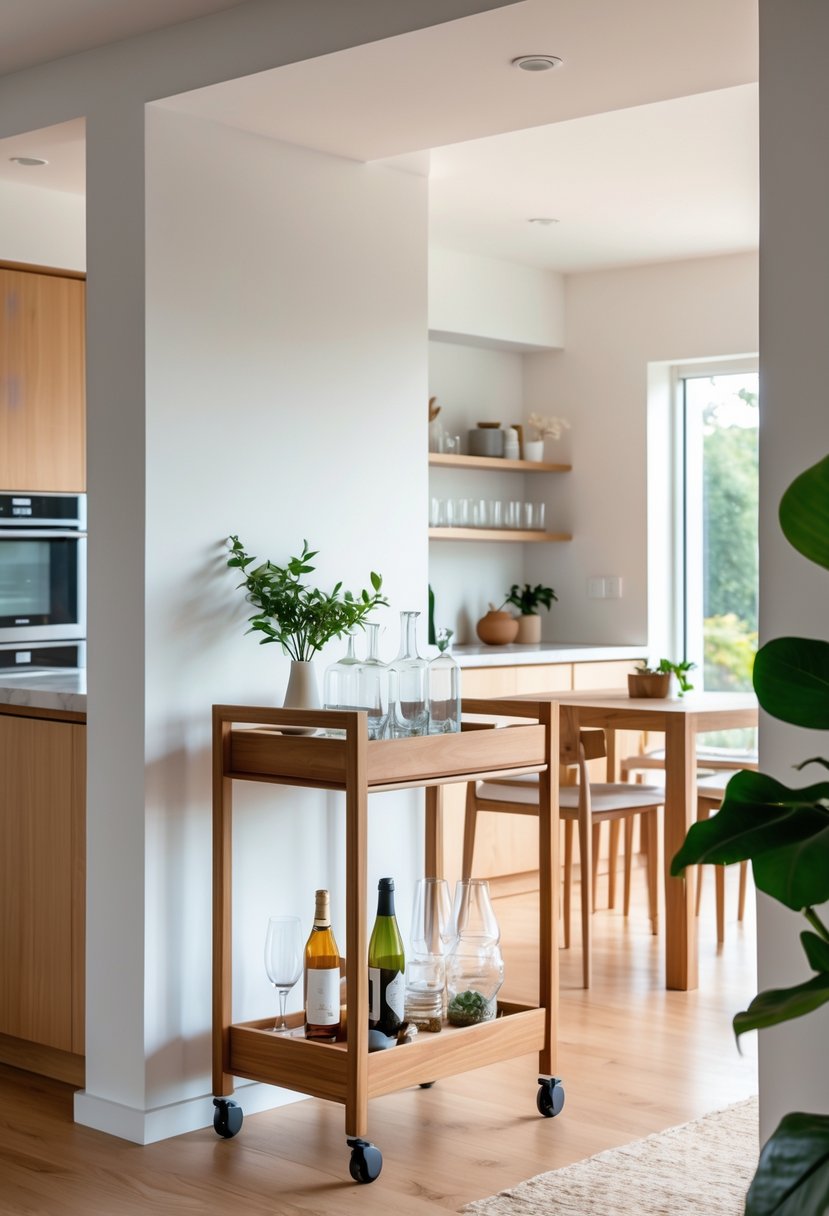
What are stylish design ideas for a kitchen pass-through bar cart nook?
Pick a durable counter surface—quartz or granite won’t let you down if you’re worried about spills, and they look sharp. If you want stools, go for a thin overhang (8–12 inches); for a cart-style setup, keeping it flush works fine.
Open shelving or slim cubbies under the pass-through make a lot of sense for bottles and glassware. Toss in a few hooks for bar tools and rails for hanging stemware—saves space, keeps everything in sight.
Lighting’s a big deal. Maybe you’re into small pendant lights for a bit of drama, or under-counter LED strips for something softer. For metal accents, brass, matte black, or brushed nickel usually play nicely with most kitchen hardware.
If your nook is narrow, a 24-inch-wide bar cart that you can move around is honestly a game changer. Park it in the pass-through or just roll it out of the way when you need space.
How do you plan the layout for a kitchen pass-through bar cart nook?
First off, measure everything—width, depth, height. Watch out for trim, outlets, or switches that might mess with your plans.
Think about how you’ll use the space. Will people be sitting on the living side, or is it just for serving? For seating, plan on at least 24–26 inches of width per person and 12–15 inches for knees under the counter.
Figure out what storage you actually need: bottles, glassware, maybe ice or a mini fridge, and a spot to prep drinks. A prep shelf should be about 12–18 inches deep, while display shelves can be shallower—6–12 inches does the trick.
If you’re adding a heavier countertop or making the opening bigger, make sure the wall can handle it. Double-check if it’s load-bearing before you start cutting or widening anything—seriously, don’t skip that step.
What steps are involved in a DIY kitchen pass-through bar cart nook project?
Start by sketching out your idea—dimensions, a rough materials list, and maybe some notes on the vibe you want. Think about what kind of countertop you like, how big the shelves should be, whether you want stools, and what sort of lighting might actually work in your space.
Next, take off any trim and try out the new countertop or cart to see how it fits. If you’re going with a fixed shelf or counter, you’ll need to put together a basic support system—cleats or brackets into the studs usually does the trick.
Once you’ve got your countertop material cut and finished (if you’re even doing that part), seal up the edges so you don’t end up with water damage later. Now’s the time to pop in shelves, hooks, or even sneak in a slim fridge or wine cooler if you’re feeling fancy.
Lighting and hardware come last. Double-check that stools actually fit and you can reach everything without gymnastics. Secure anything that wobbles, run a bead of caulk where it’s needed, and stand back—maybe it’s not perfect, but it’s yours.