Japandi vs. Scandinavian: Your Easy Guide to Spot the Difference & Blend Them Beautifully
You know you’re drawn to clean, calm spaces, but maybe you’re not totally clear on what actually separates Japandi from Scandinavian—or how to mix them without ending up with a muddled look. Japandi takes Japanese wabi-sabi and Scandinavian warmth, mashing them into this calm, functional style. Scandinavian is more about bright, cozy simplicity. If you know the difference, you can actually pick and blend with intention, not just guesswork.
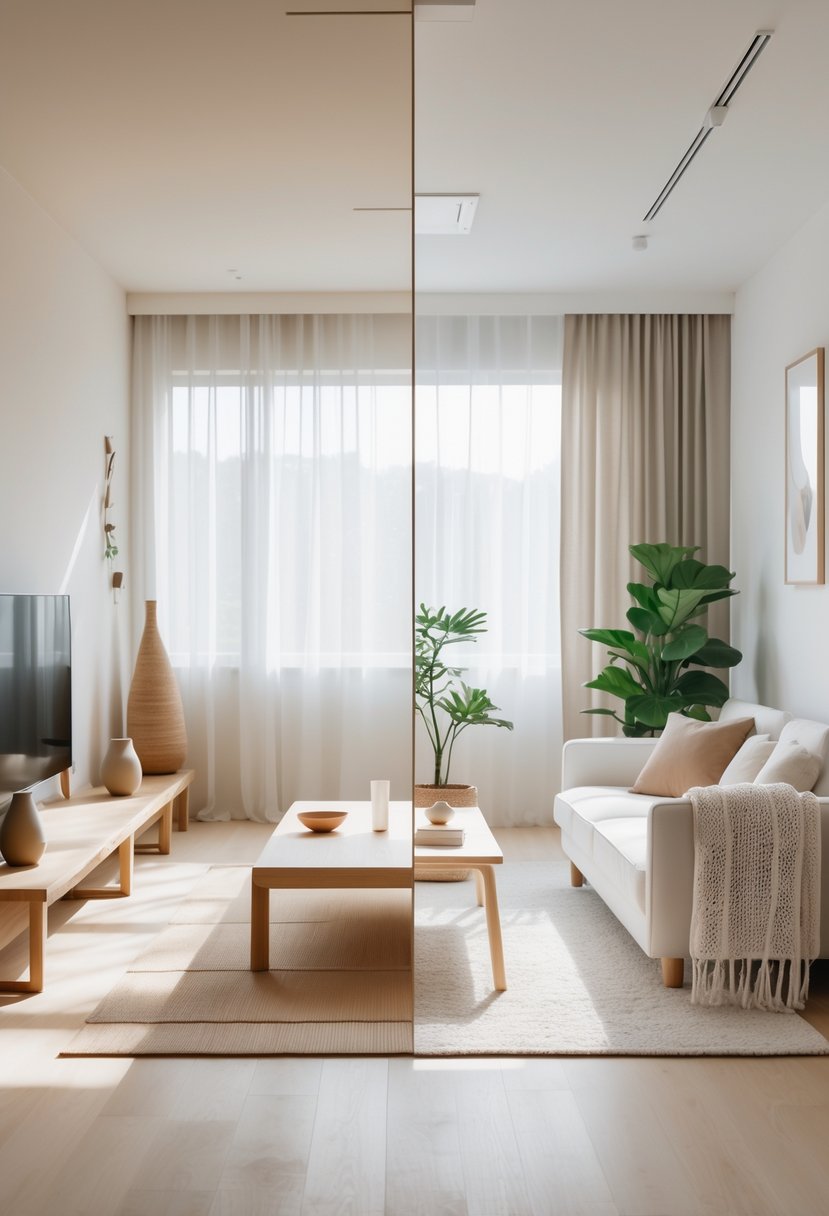
Let’s break down some practical signs—color, materials, shapes—that help you spot which is which, and then, honestly, some easy ways to blend them so your place feels balanced and not like a Pinterest experiment gone wrong. Check out the signature elements and blending tips below; they’ll help you make choices that actually fit your home and your habits, not just a mood board.
Japandi vs. Scandinavian: Key Differences:
Both styles love simplicity, natural materials, and uncluttered spaces. But the reasons behind those choices—and how they use color, light, texture, and furniture—are pretty different once you look closer.
Core Philosophies: Hygge and Wabi-Sabi:
Scandinavian design is all about hygge: warmth, comfort, and social ease. The vibe is bright and inviting, with layers like throws, rugs, and soft lighting that nudge you to relax or hang out. Function’s a big deal—stuff is practical, sometimes multi-purpose, and definitely not just for show.
Japandi leans into wabi-sabi and Japanese minimalism. It’s about quiet, imperfect beauty and doing things with intention. You pick things for restraint and craftsmanship, and honestly, the empty space matters as much as the stuff itself. The result? Meditative, pared-back, and you don’t feel like you’re drowning in “stuff.”
Color Palettes and Lighting:
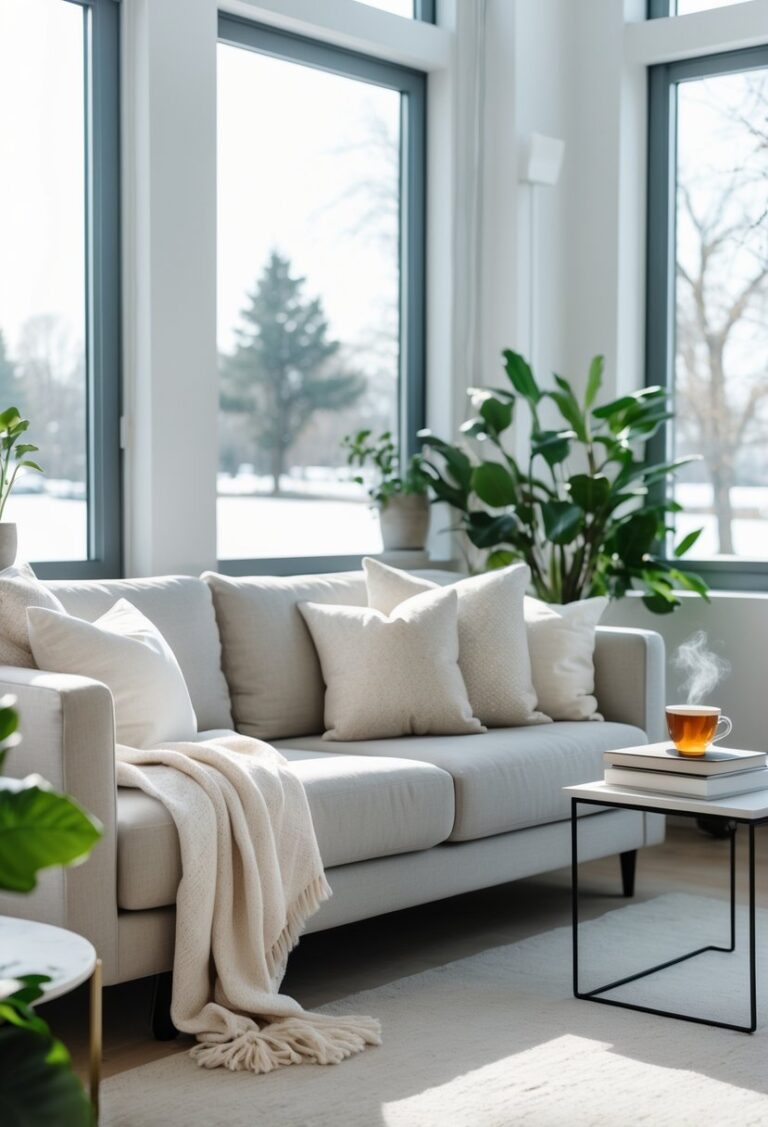
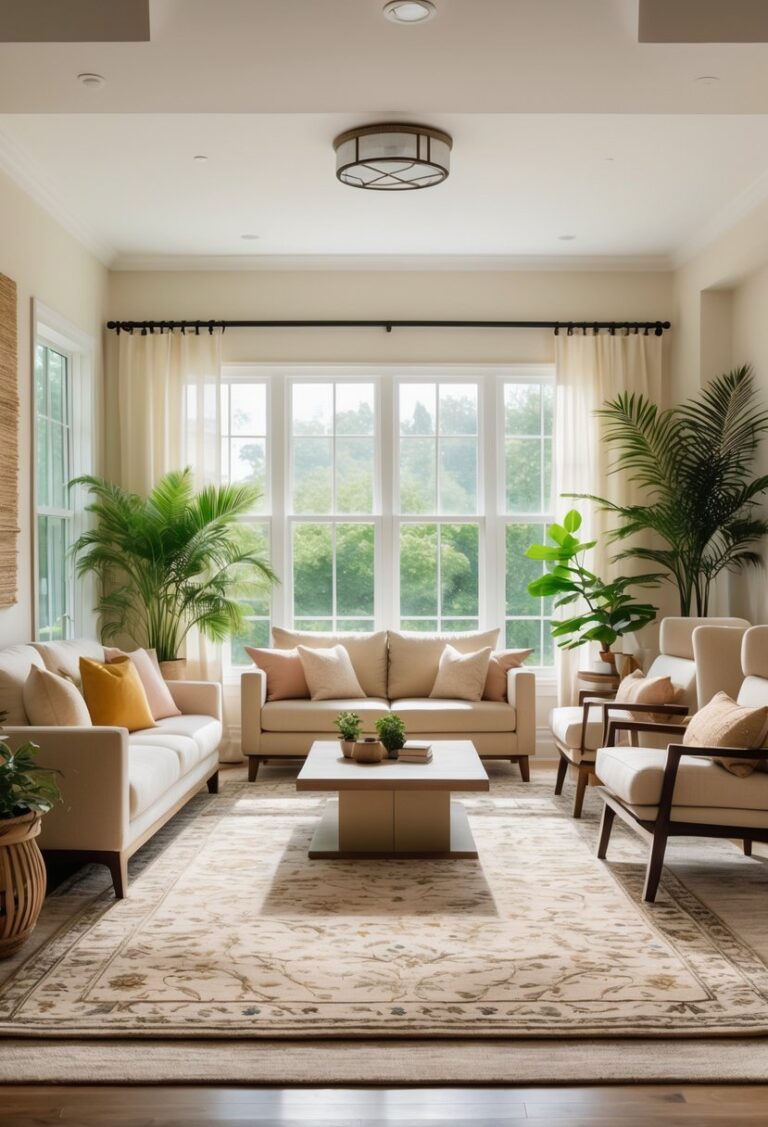
Scandinavian color palettes are usually light neutrals—white, pale grey, soft pastels. These shades bounce around natural light, making rooms feel bigger. Lighting is open and layered: big windows, sheer curtains, and lamps that give off a soft, even glow when it gets dark.
Japandi goes warmer and earthier: think beige, warm cream, muted greens, and some charcoal or walnut for contrast. It’s not afraid of deeper, natural colors. Lighting is more about calm than brightness—indirect light, paper lanterns, and even some shadows to keep things tranquil instead of spotlighted.
Materials and Textures:
Scandinavian design likes its woods light—ash, pine, beech. Textiles are soft and layered: wool, linen, faux fur, all for that tactile warmth. Surfaces tend to be smooth, maybe a bit rustic, just enough to feel lived-in but never messy.
Japandi plays with light and dark: maybe oak floors and walnut furniture. It loves raw textures—bamboo, rattan, unpolished stone, hand-thrown ceramics. The focus is on authenticity and subtle flaws; texture is about calm and craft, not just plush comfort.
Furniture Styles and Space Utilization:
Scandinavian furniture is comfy and functional. Sofas are cushioned, chairs are often rounded, and storage is built-in to keep things tidy but handy. Seating is arranged for easy conversation—nothing too stiff or formal.
Japandi furniture is lower, more streamlined, and a bit sculptural. You’ll see simple wooden tables, understated platform sofas, maybe a single ceramic vase as a statement. The layout leaves lots of negative space, so every object has room to breathe and the eye can rest.
Signature Elements of Japandi and Scandinavian Interiors:
Both styles love natural materials, calm colors, and simple shapes, but they use wood, stone, textiles, and plants in their own ways to create either a bright, cozy feel or a grounded, quiet one.
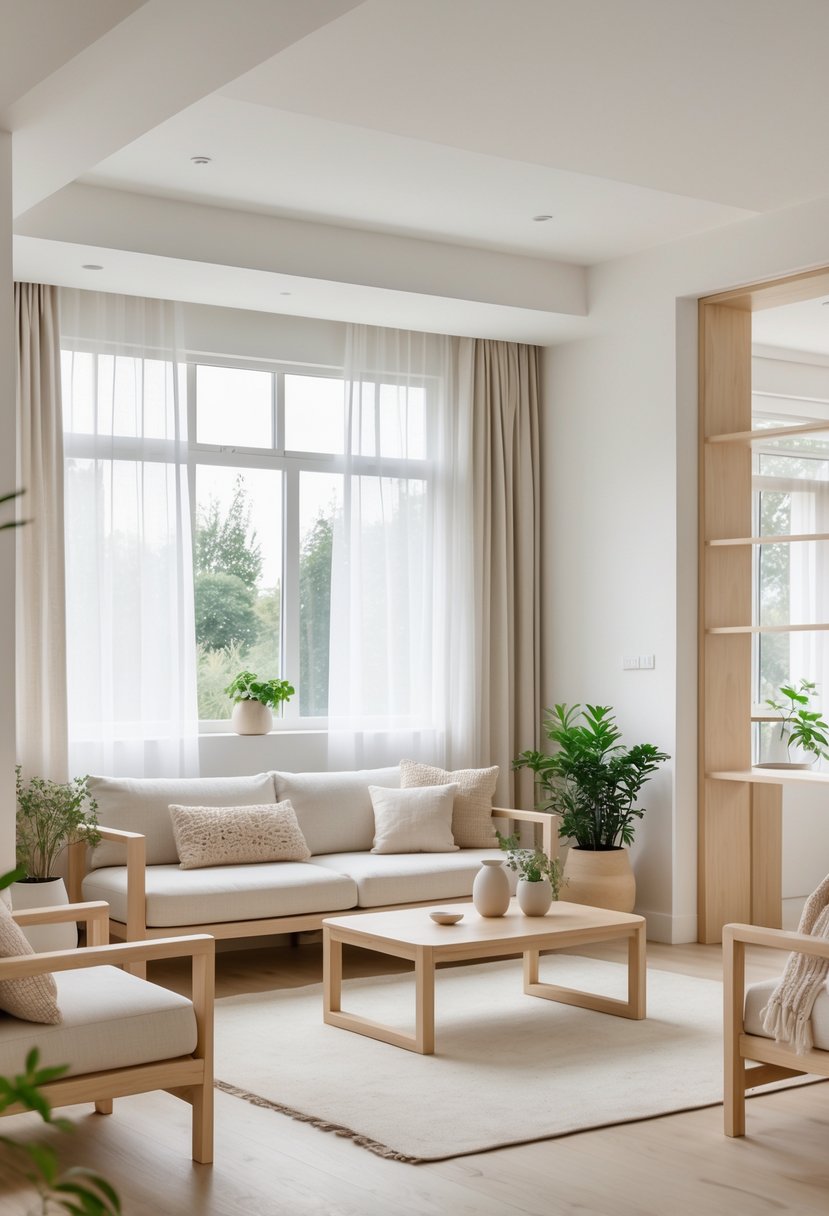
Natural Materials: Wood, Stone, and Bamboo
Japandi mixes light oak and dark woods with bamboo and natural stone. You’ll see low-profile oak or ash furniture, bamboo screens, and raw stone on countertops or accent walls. Finishes usually stay matte or just lightly oiled—let the grain and age show through.
Scandinavian rooms stick to pale birch, pine, and bleached oak for that light-reflecting effect. Furniture is smooth, often rounded, and sometimes whitewashed. Stone pops up in hearths or tile, but not as much as in Japandi.
Neither style is big on glossy finishes or fake veneers. They go for durable, sustainable woods and local stone when they can, and might toss in some rattan or woven wood for a bit of organic texture.
Textures, Textiles, and Decor Accents:
Japandi goes for linen, cotton, and paper in earthy tones. Handmade ceramics, clay pieces, and simple pottery bring in that artisan vibe. Textures stay soft and subtle—raw finishes, linen cushions, and the occasional wool throw, but not too many layers.
Scandinavian design piles on the cozy: wool blankets, chunky knits, light rugs—these offset the pale floors. Patterns are simple, pastels are muted, and everything feels fresh but not fussy.
Both styles keep decor minimal and meaningful. Maybe a bonsai or a ceramic bowl in Japandi, or a clean vase or art print in Scandinavian. Texture and warmth come from the materials, not from clutter.
The Role of Plants and Indoor-Outdoor Harmony:
Japandi keeps plants simple: bonsai, bamboo pots, or minimal arrangements in unglazed clay or stone. Plants are placed deliberately—one in a corner, maybe next to a low table, just enough for balance without taking over.
Scandinavian rooms are livelier with plants—big leafy ones, simple pots, and sometimes hanging planters, usually near windows. The green stands out against all the pale wood and white walls, making the space feel more alive.
Both styles want a connection to the outdoors—lots of natural light, simple window dressings, and furniture arranged to catch a view of the garden or trees. Plants are living decor, not afterthoughts, and they’re arranged to support the room’s mood, not overwhelm it.
Blending Japandi and Scandinavian Styles Successfully:
If you’re trying to blend these two, aim for calm, functional rooms that mix Scandinavian brightness with Japandi’s earthy restraint. Stick with a limited palette, purposeful furniture, layered textures, and intentional empty space to keep things feeling balanced.
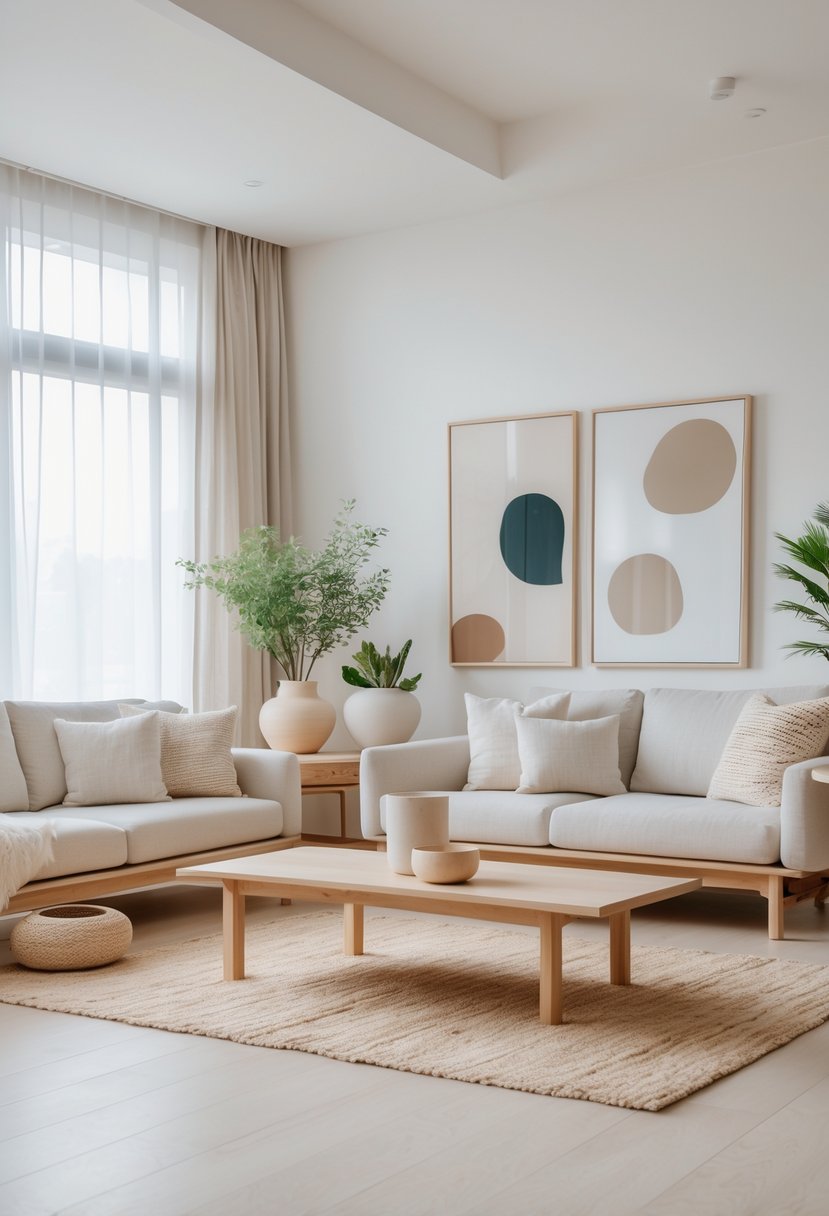
Achieving Balance: Minimalism with Warmth
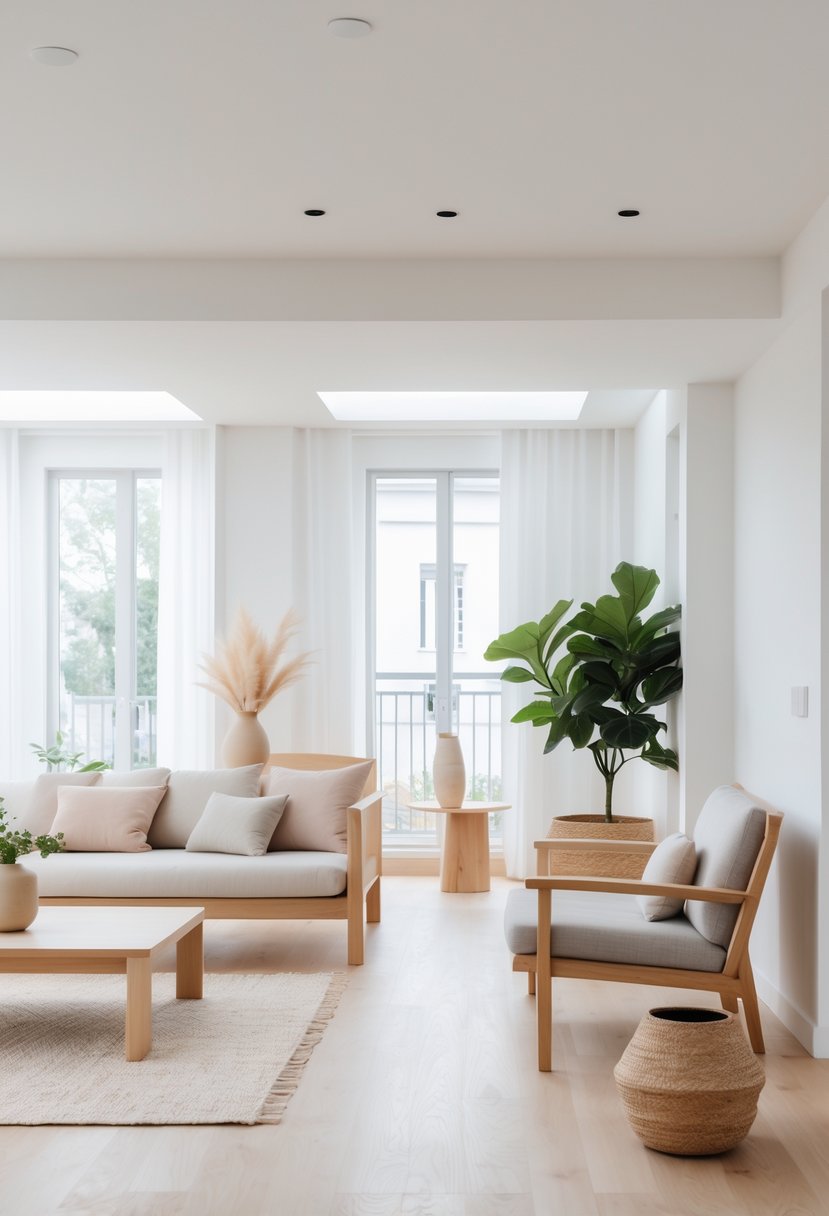
Keep layouts open and uncluttered, but don’t be afraid of warmth. Give each item some negative space so it feels intentional, not just plopped down. Go for quality over quantity—a simple sofa, a low wooden coffee table, maybe one special ceramic bowl beats a bunch of random knick-knacks.
Mix light colors and muted neutrals—soft greys, pale blues, beige, taupe—for a look that’s bright but not cold. Throw in some warm wood tones (oak, walnut) to bring in that Japandi vibe without losing the Nordic lightness. Linen and wool add coziness without making things look busy.
Lighting’s key. Let in as much daylight as you can with sheer curtains, then add warm lamps or rice-paper pendants for a layered, mellow glow. Keep furniture lines clean—no ornate stuff. That way, the space stays minimal but still feels welcoming.
Mixing Color Schemes and Contrasts:
Start with a restrained palette: whites, soft greys, pale blues from Scandinavian, then layer in muted neutrals and earthy browns from Japandi. Maybe taupe or beige on an accent wall, or charcoal in your textiles. Don’t go overboard—three main tones is plenty. For example: white walls, light-wood floors, a taupe sofa. One deep accent—charcoal cushions or a dark sideboard—anchors the space, and a few plants or natural fibers add a touch of green as a subtle fourth color.
Apply color in blocks: keep big pieces and walls light, use mid-tones for rugs and curtains, and save the deeper shades for small items or art. That way, you keep the Scandinavian airiness and the Japandi calm without clashing.
Practical Tips for Combining Furniture and Decor:
Pick furniture that’s functional, simple, and well-made. Mix in a few low Japanese-style pieces—platform beds, floor-level tables—with Scandinavian armchairs or minimalist storage. Go for multi-purpose pieces and smart storage to keep spaces open and tidy.
Stick to honest materials: matte ceramics, woven baskets, stoneware, solid wood. Decorate with just a few meaningful objects—maybe a handmade pot, a sculptural vase, or a woven throw. Don’t overload shelves; let a curated few speak for themselves and nod to Japandi’s love of authenticity.
Arrange furniture so it’s easy to move around, and leave some breathing room. Closed storage is good for daily clutter, while open shelves can show off artful pieces—balance practicality with restraint.
Personalizing Your Japandi-Scandi Home:
Add personal touches that reflect your real life, not just what’s trending. Artisanal pieces with a little imperfection bring in wabi-sabi—maybe a worn stool, a hand-thrown bowl, or a family blanket. It’s about making the space feel lived-in, not staged.
Use decor that works for you: trays for keys, nice-looking storage boxes, hooks that are visible but neat. Stick with textiles in soft greys, muted neutrals, or pale blues to tie personal pieces into the overall palette. Switch out a few objects seasonally to keep things fresh without adding clutter.
Keep scale and materials consistent from room to room. That way, the whole place feels connected—Scandinavian and Japanese influences both there, but still allowing your own style to come through.
The Appeal and Evolution of Japandi and Scandinavian Interiors:
Both styles are all about simple forms, natural materials, and a sense of calm. The real differences come out in the colors, furniture height, and how they treat flaws and warmth—subtle, but honestly, that’s what makes mixing them kind of interesting.

Cultural Influence and Lifestyle:
Scandinavian interiors really grew out of the Nordic way of life—those long, dark winters meant people craved bright, cozy rooms just to keep their spirits up. Designers leaned into light woods, soft throws, and simple, functional pieces, making homes practical but still inviting. It’s all about comfort and stuff you’ll actually use every day.
Japandi’s an interesting mashup: you get the pared-back calm of Japanese design mixed with Scandinavian warmth. Think low-slung furniture, handmade touches, and a kind of quiet acceptance that things don’t have to be perfect. There’s a wabi-sabi vibe—visible joins, slightly wonky ceramics, surfaces that just get better with age. It all adds up to a space that feels intentional but never fussy.
Both styles really echo the way people live. Scandinavian interiors lean toward family-friendly, easygoing spaces. Japandi’s more about slow rituals, quiet nooks, and choosing each object with care. Craftsmanship matters in both, but japandi tends to celebrate imperfection a bit more, almost like it’s a feature, not a flaw.
Timelessness and Modern Trends:
Scandinavian design just won’t quit—maybe because it’s so adaptable. The clean lines and soft neutrals fit pretty much anywhere. Lately, you’ll see more sustainable materials and pieces that do double duty, but the bright, airy vibe sticks around. There’s something about that mix of warmth and practicality that just works, whether you’ve got a big family or a tiny apartment.
Japandi’s having a moment too, probably thanks to the whole slow living trend. Its palette is earthier—muted browns, charcoal, taupe—so it feels deeper than Scandinavian pastels. Designers today are playing with textured stone, bamboo, and lots of linen, which keeps things calm but never boring. It’s modern, sure, but there’s a groundedness to it that’s hard to fake.
In both styles, it’s the materials and the way things are made that really count. When they’re blended, you get these light, practical spaces with just enough earthy color and handcrafted detail to keep things interesting. It’s a nice balance between what lasts and what feels fresh right now.
Frequently Asked Questions:
Here’s where we break down how Japandi and Scandinavian styles really differ—think color, furniture height, materials, and the overall mood. Plus, some thoughts on how Japandi connects to wabi-sabi, and a few tips if you’re trying to blend both without ending up with a visual mess.
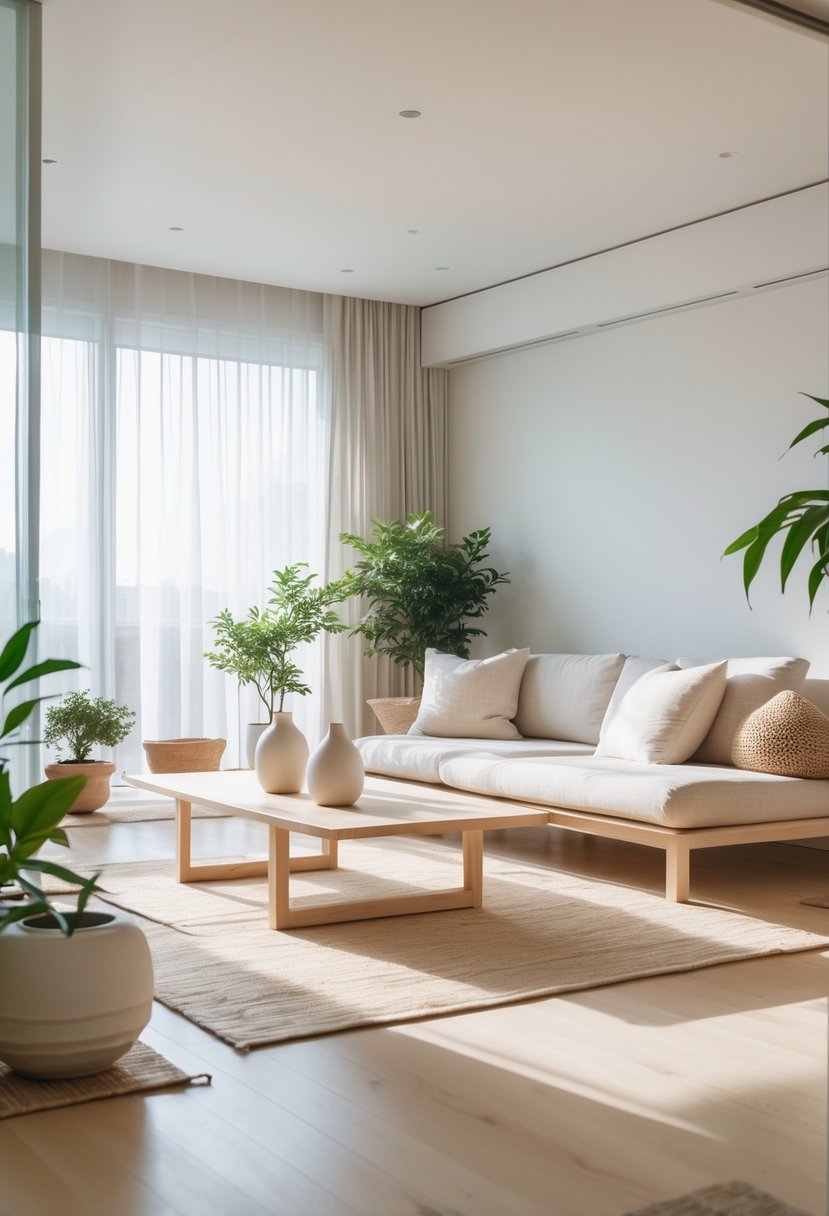
What are the core differences between Japandi and Scandinavian interior design aesthetics?
The biggest differences? Color and contrast. Scandinavian’s all about light—whites, pale grays, soft pastels—to make spaces brighter. Japandi leans into muted neutrals and richer earthy shades like taupe, charcoal, and warm browns. It’s a moodier vibe.
Furniture’s another divider. Scandinavian pieces usually sit at a practical, comfortable height with clean lines. Japandi goes lower, keeps things even simpler, and skips most of the extra decor to create a sense of calm and balance.
Material choices shift too. Scandinavian interiors use a lot of light wood (pine, ash), wool, and linen for that cozy feeling. Japandi brings in darker woods, stone, bamboo, and handmade ceramics—more texture, more rawness you can actually feel.
What characterizes the Japandi style in comparison to Wabi-Sabi?
Japandi borrows from wabi-sabi’s love of imperfection and natural materials, but it keeps things a bit more organized. You’ll see a few carefully chosen pieces instead of a bunch of obviously worn objects.
Wabi-sabi really leans into the beauty of things fading—visible wear, asymmetry, and quirky flaws. Japandi nods to those ideas but wraps them up in Scandinavian order, so everything still feels intentional and usable. It’s a balancing act, honestly.
What are some tips for maintaining a cohesive look when combining Japanese and Scandinavian design influences?
Honestly, it all starts with the colors. Stick to a tight palette of neutrals—think soft whites, gentle greys, maybe a hint of black or navy if you’re feeling bold. A couple of deeper accent tones here and there can help make the space feel grounded, but don’t overdo it. Calm is the goal.
When it comes to furniture, try mixing up heights and purposes. Maybe a low, almost floor-level Japanese coffee table next to a no-fuss Scandinavian sofa. The trick is to keep the lines clean and the shapes unfussy—nothing too ornate or busy. It’s about simplicity, not sameness.
Materials and textures deserve some love, too. Light wood floors or a big, soft area rug can make things feel cozy, while a bit of stone, a ceramic vase, or a woven bamboo tray can add just enough texture to keep it interesting. Accessories? Go minimal, but pick things that actually mean something to you. Otherwise, it just turns into clutter, and nobody wants that.