Your Peaceful Haven Awaits: 5 Japandi Budget Hacks for a Calm & Chic Home
You don’t need a big wallet to get that calm, stylish Japandi vibe at home. Swapping a few things out, hitting up thrift stores, and trying a little DIY can go a long way—think Scandinavian function meets Japanese wabi-sabi ease. Stick with neutral colors, natural materials, and just a handful of pieces you really like to get the Japandi look without breaking the bank.
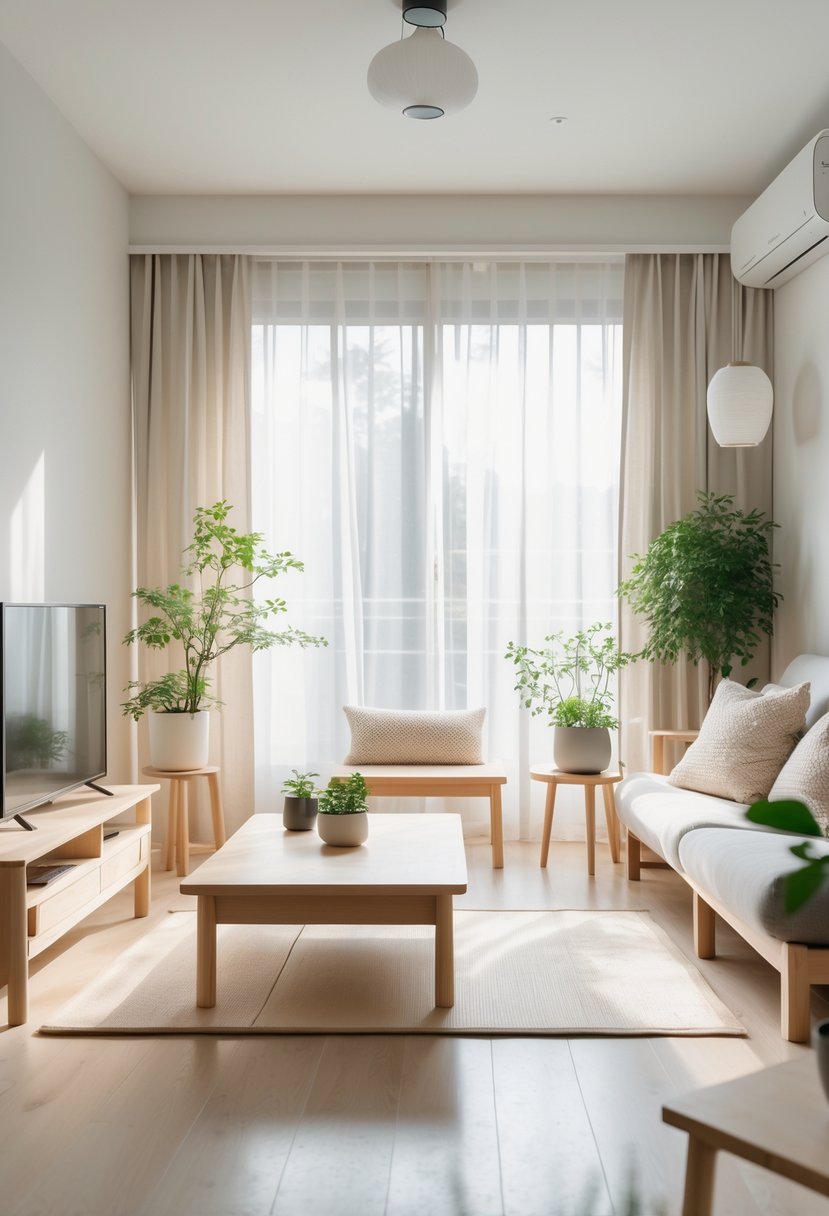
Here’s some stuff you can actually do—upcycling, IKEA tweaks, little lighting and storage changes—to bring in hygge warmth and minimalist balance anywhere. You’ll find practical, room-by-room ideas and five hacks that make the style feel real and lived-in, not just for Instagram.
Fundamentals Of Affordable Japandi Style:
Keep things simple: clean lines, natural materials, and just enough stuff to cover what you actually use. Neutral and earthy colors, smart storage, and a few “imperfect” pieces bring together the best of Scandinavian practicality and Japanese minimalism.
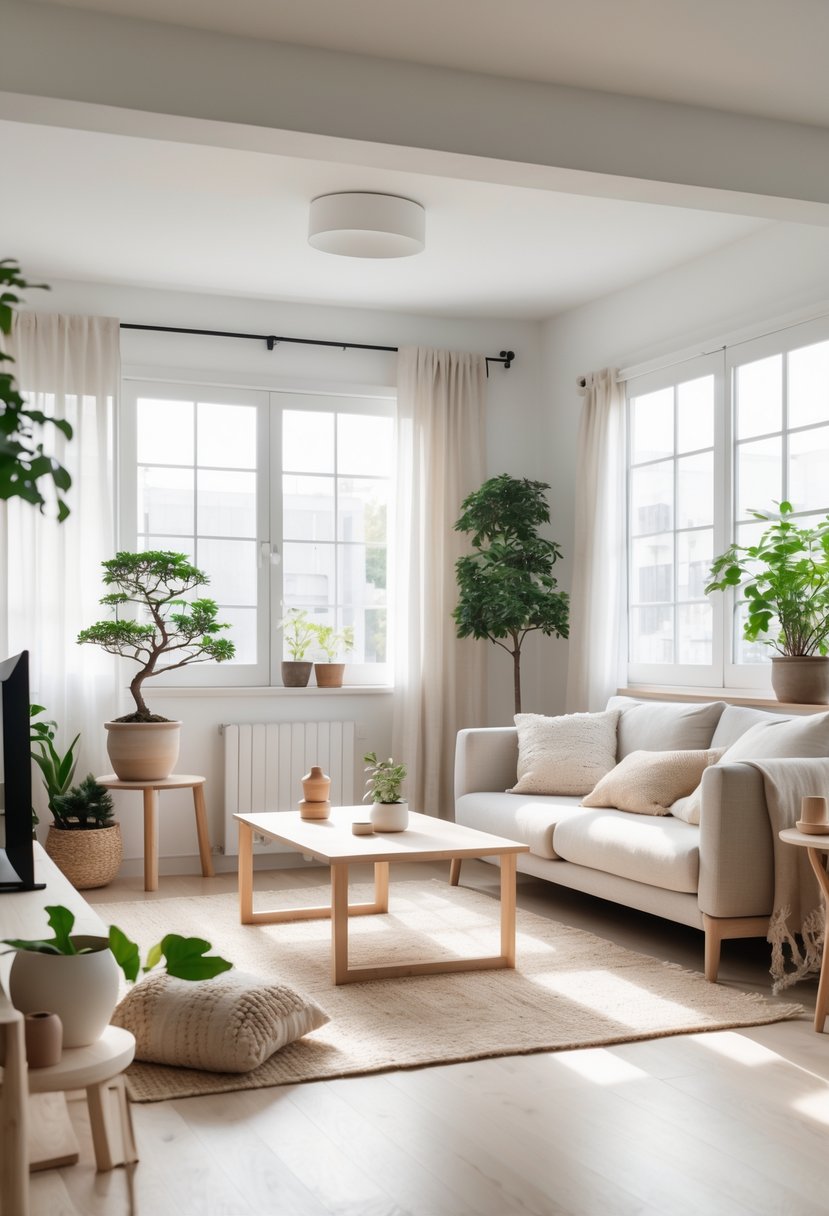
Embracing Minimalism And Decluttering:
Start by getting rid of whatever you don’t need or love. If it’s just taking up space, let it go. You’ll be surprised how much bigger a room feels with less stuff around.
Try the three-box method: keep, fix/repurpose, donate/sell. Sometimes a scratched table just needs a little touch-up, or a tired chair just wants new fabric. Those little flaws? They add character—very wabi-sabi.
Look for furniture with clean, low lines and built-in storage. Surfaces don’t need much—maybe a simple vase, a plant, that’s it. It’s all about keeping things calm and useful.
Choosing Neutral And Earthy Color Palettes:
Stick to neutral tones—off-white, soft grey, warm beige—for walls and main pieces. This keeps things peaceful and lets your wood or fabric details stand out.
Add in some earthy shades: muted greens, terracotta, ochre—just a hint here and there (a cushion, a rug, a shelf). Keep the contrast low for a cozy, unified look.
Natural materials—oak, teak, linen, clay—help the palette feel grounded. They add warmth without busy patterns. If you’re on a budget, paint or re-stain small pieces instead of buying new ones.
Balancing Scandinavian Functionality and Japanese Aesthetics:
Go for things that work hard: maybe a bench that stores shoes, or a slim table that doubles as a desk. In Japandi, function always comes first.
Mix that famous Scandinavian coziness—think soft throws, warm lamps—with Japanese restraint. One good lamp and a textured blanket usually beat a bunch of little ones and fussy patterns.
Let your wood and ceramics stand on their own. Don’t crowd them. A few well-chosen things, spaced out, feel timeless and keep your wallet happy too.
Incorporating Natural Materials and Textures:
Natural materials are your friend—warmth, subtle color, and just enough texture. Grab a few budget-friendly fibers and some simple wood or stone accents: soft linens, cotton, a jute rug, maybe a couple of rattan pieces. You don’t need a ton.
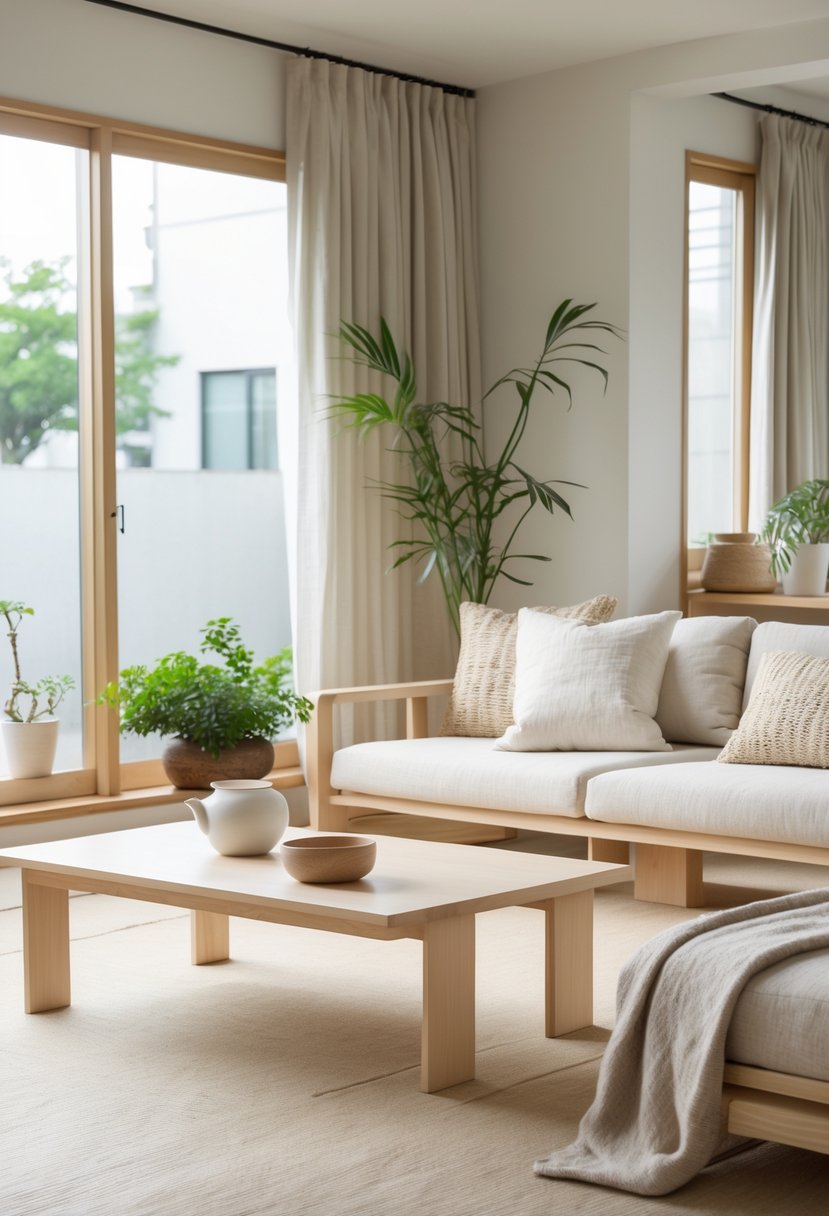
Affordable Natural Materials and Fabrics:
Linen and cotton are easy wins—breathable, affordable, and everywhere (curtains, pillow covers, bedding). Prewashed linen or blends save you from endless ironing, and cotton canvas is great for slipcovers or floor cushions. It’s tough and easy to clean.
For rugs, jute’s a classic—earthy, textured, and way cheaper than all-wool. If you want something soft, grab a small wool rug for the busy spots and use jute runners elsewhere. Always check the label: real fibers feel better and last longer than the fake stuff.
Integrating Wood, Rattan, and Stone Accents:
Anchor things with simple wood furniture in light, matte finishes—oak-look tables, thrifted shelves, whatever you can sand and oil yourself. Rattan or bamboo chairs, baskets, or lampshades add that breezy, organic texture without making things look cluttered.
For stone, small is smart: a soapstone tray, a river-stone planter, or a few slate coasters. Put stone next to wood—a bench with a stone vase, maybe. Less is more here; too many little things just get lost.
Laying the Foundation with Textiles: Linen, Cotton, and Wool
Start with neutrals—beige linen duvets, cotton sheets. Mix up the textures: smooth cotton covers, chunky wool throws, linen pillows. Keep colors muted so the feel comes from texture, not pattern.
Removable linen or cotton covers are practical—you can actually wash them. Wool blankets for winter are a must; they’re warm and heavy in a good way. Layering is key: cotton or linen base, jute rug, wool or knit throws on top. It’s the Japandi look, just cozier (and not expensive).
5 Budget Japandi Hacks: Scandinavian + Japanese DIY Tips:
Try some hands-on projects, get clever with storage, and pick a few solid pieces. Stick to natural materials, muted colors, and multifunctional items to keep things chill and useful—no need to splurge.
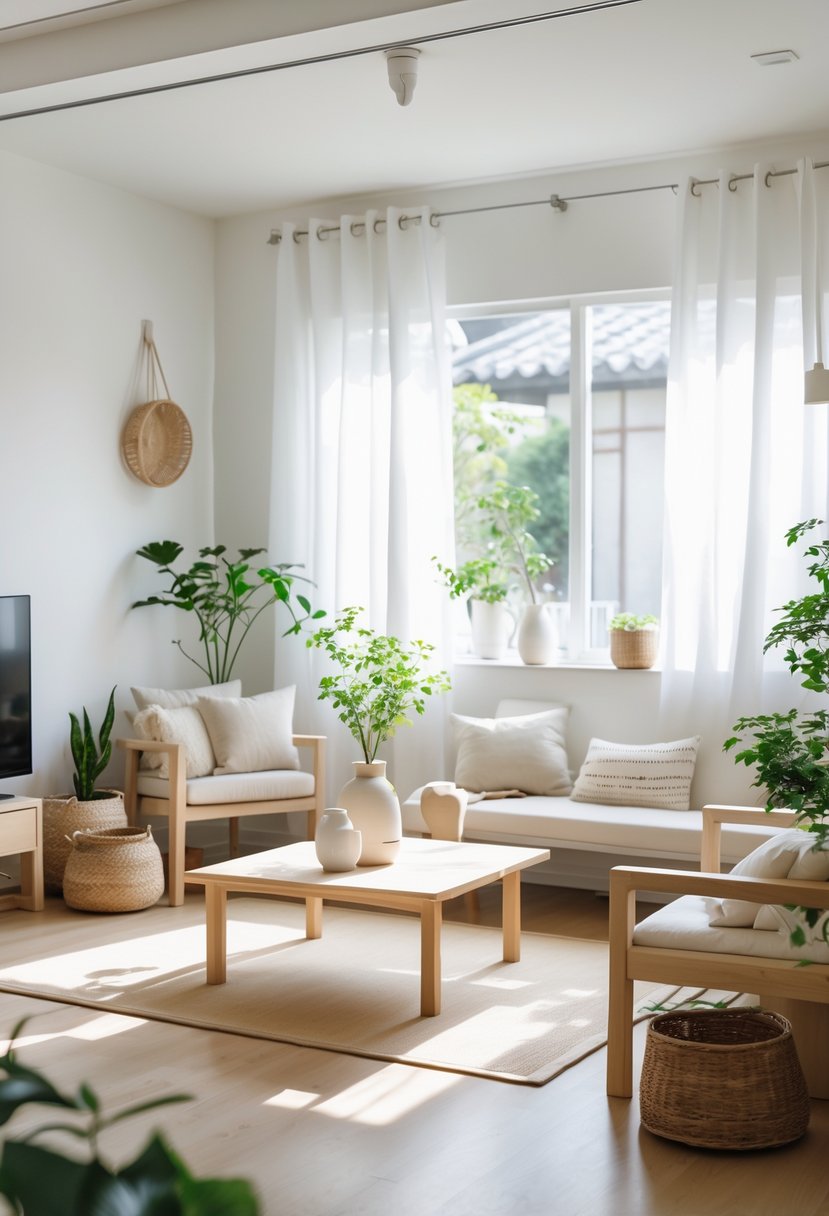
DIY and Upcycling for Personalized Japandi Decor:
Thrift a wooden table or sideboard, sand it down, and seal it with a matte finish. The wood grain pops and it fits the muted vibe—no pricey shopping required. Reupholster chairs with linen or hemp for a soft, neutral update that just gets better with age.
Old ladder lying around? Turn it into a towel rack or plant stand. Woven baskets are perfect for hiding clutter and adding texture. For art, grab a canvas and paint a single black line or wash of earthy color—minimalist, cheap, totally Japandi. Paper lanterns or a thrifted lamp with a warm LED bulb can fake that soft shoji-screen glow.
Tatami or bamboo mats work great for small seating zones or bathrooms. Repurpose ceramic bowls as catch-alls for keys and bits and bobs—keeps things tidy without fuss.
Maximizing Functionality with Multipurpose and Storage Solutions:
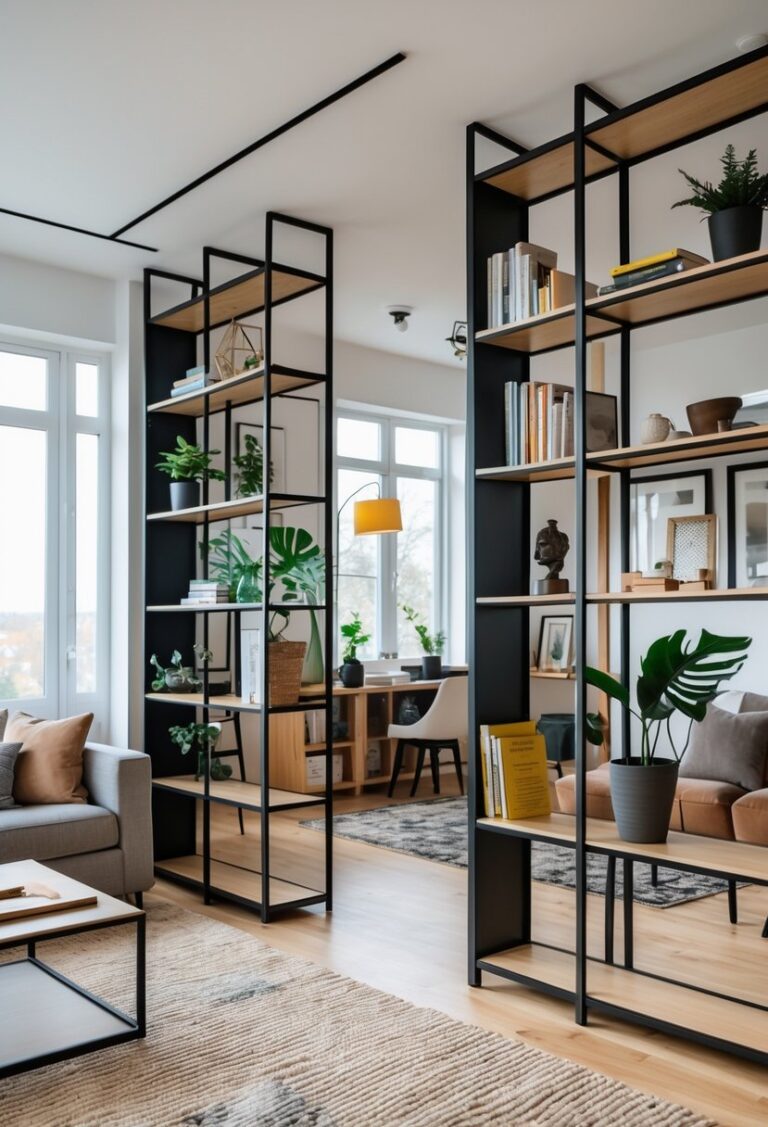
Look for furniture that pulls double duty: a bench as a coffee table, a storage ottoman for blankets. A narrow shelving unit can hold kitchen dishes and display a plant or bowl, so you’re not just stacking stuff everywhere.
Leave some walls bare—don’t overdo it with accessories. Shallow shelves above counters keep things handy but organized. Woven baskets corral all the little things while still looking good.
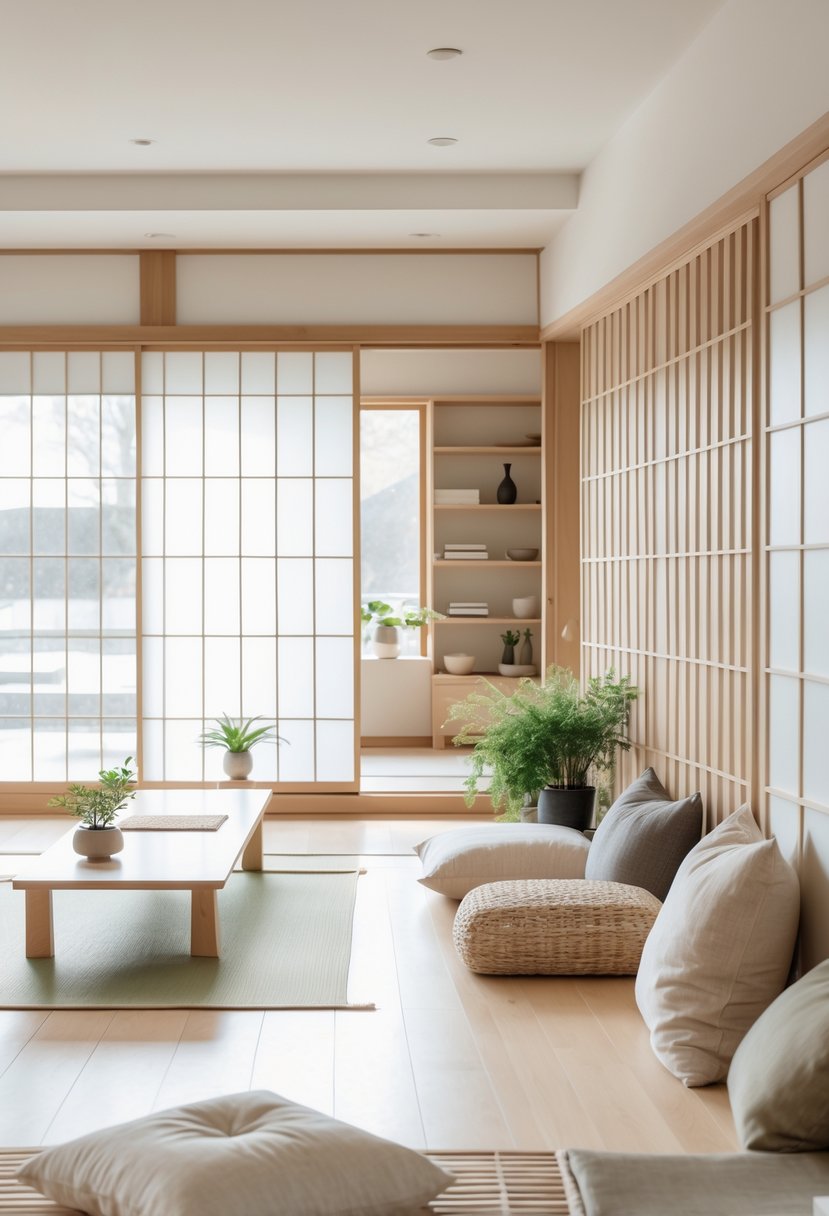
Sliding shoji-style panels or plain curtains can break up a small room without eating up space. Stackable trays, under-bed boxes, tall shelves—these all help you use what you’ve got. Just don’t crowd the room—pick pieces that earn their keep.
Curating Minimalist Art and Accessories:
Keep decor simple: one ceramic bowl, a framed line drawing, a paper lantern or pendant. Japandi’s all about “less but better.” Stick to soft greys, beiges, and charcoal so every piece feels intentional.
Hang art at eye level and leave space around it—negative space is your friend. Go for texture (baskets, tatami, bamboo mats) instead of lots of trinkets. Swap out cushions or throws with the seasons for a fresh feel—no new furniture needed.
One statement plant in a plain pot beats a crowd of little ones. Keep surfaces open—a dining table just needs a runner and a bowl or vase. This way, your rooms stay calm, useful, and definitely Japandi without the price tag.
Room-by-Room Budget Japandi Applications:
Stick with calm colors, bring in natural wood, and only keep what you use. Each space should balance clean lines and cozy textures, using thrifty swaps or repurposed finds to nail the Japandi vibe.

Japandi Living Room Essentials:
Try a low sofa or a thrifted wooden frame to center the room. Go for neutral upholstery—cream, beige, soft grey—and maybe one accent (charcoal, navy, indigo) for a little depth.
A single coffee table in light oak or teak works—if it’s secondhand, sand and oil it for a fresh look. Open shelves are great for a few ceramics, some books, and a plant. Don’t let clutter creep in.
With textiles, one wool throw and a linen cushion are enough to blend Scandinavian and Japanese style. Rugs? Keep them flatweave or sisal, neutral tones. Let things breathe so the room feels intentional—not overdone.
Japandi Bedroom Ideas:
Start with a low bed or platform to echo that grounded, Japanese vibe—keeps the sightlines calm and the mood a little more zen. Stick with plain cotton or linen bedding in off-white or warm beige; toss on a single cushion in indigo or charcoal for just enough contrast.
Declutter like you mean it: stash things in built-in or simple wooden boxes under the bed. Instead of a bulky nightstand, try a slim wooden shelf or even a stool—makes the whole room feel lighter.
Add some texture with a soft wool throw and a neutral flat rug by the bed. A pair of minimalist lamps or wall sconces give you soft lighting for reading, but nothing too harsh. Keep artwork understated—one framed print or a simple wall scroll is all you need for a space that feels balanced and restful.
Japandi Kitchen and Bathroom Strategies:
Go for storage you can actually see and use: open shelves or peg rails in light wood always look good. Stack up the everyday dishes in neutral ceramics or plain glass—keeps things cohesive. A wooden cutting board and bamboo utensils double as decor and daily tools.
In the bathroom, skip busy prints and pick plain towels in cream or charcoal. Trade plastic containers for glass jars to hold cotton pads and soap. If you’re up for it, refinish old cabinets with a natural wood stain or muted matte paint—gets you that wood look without dropping a ton of cash.
Pick surfaces that are easy to wipe down. Maybe add a little plant or a stone soap dish for a natural touch. Countertops? Keep them mostly clear—a single tray for daily stuff is enough to keep things feeling calm and intentional.
Optimizing Lighting and Natural Light:
If you can, ditch heavy curtains. Sheer linen panels or bamboo blinds work better for daylight, letting in light but still giving you privacy. Sometimes just moving a mirror across from a window can bounce light into those stubborn corners.
For nighttime, go with warm LED bulbs. Mix overhead lights with task lamps and floor lamps—try lamps with wooden or paper shades to soften the glow, which feels a lot more Japandi than anything too bright.
Plug-in lamps and dimmers are great for adjusting the mood. Think in layers: bright task lighting where you need it, soft ambient light for living or sleeping. A mix like that keeps things functional but still peaceful—kind of the whole point, right?
Frequently Asked Questions:
You can cut clutter, use cheap natural finishes, and swap out a few things to get a real Japandi vibe without blowing your budget. The FAQs below have some specific actions, materials, and wallet-friendly swaps you could pull off this weekend if you’re feeling motivated.
How can I incorporate minimalism into my home decor on a tight budget?
Honestly, just start by decluttering one room at a time. Keep what you use or love, and box up the rest for donation or storage—no need to overthink it.
Edit surfaces and shelves so each thing has some breathing room. That alone can make a space feel calmer and more put together.
Pick a few versatile pieces instead of a bunch of little things. A simple wooden bench or a neutral sofa does a lot more work than a pile of knickknacks.
Paint is your friend. A fresh coat in soft white, warm beige, or pale gray isn’t expensive and gives you a clean backdrop for everything else.
What are some cost-effective ways to add natural elements to my interior design?
Try plants you can propagate—pothos or spider plants are both easy and basically free after the first one. They add green, help the air, and just look good.
Refinish or sand down wood furniture you already have to bring out the grain. A little stain or clear oil can warm things up without buying anything new.
Collect small natural accents like driftwood, river stones, or interesting branches from a park. Clean them and pop them in a bowl or on a shelf for a bit of texture that costs nothing.
Swap out heavy patterned textiles for plain linen or cotton throws and neutral cushions. Secondhand stores are goldmines for affordable linens if you look around.
What affordable materials can be used to achieve a Japandi look in my home?
Light woods like pine, birch, or even oak-effect veneer bring in those warm, clean lines that just feel right for Japandi. Veneer’s usually easier on the wallet than solid wood, which is always a plus.
Natural-fiber textiles—think cotton, linen, or maybe a wool blend—set the tone for that soft, cozy vibe. Honestly, plain fabrics work best, and if you’re up for it, sewing your own cushion covers isn’t as hard as it sounds.
Matte ceramics and simple white or muted-glaze dishes lend a subtle, hand-crafted touch. Thrift stores are surprisingly good for this stuff, or check the discount aisles at home shops if you’re feeling lucky.
Paper screens, bamboo blinds, and basic rattan baskets give you that mix of Japanese and Scandinavian texture without breaking the bank. If you’re feeling crafty, you could even DIY a small screen with rice paper alternatives and some thin wood frames.