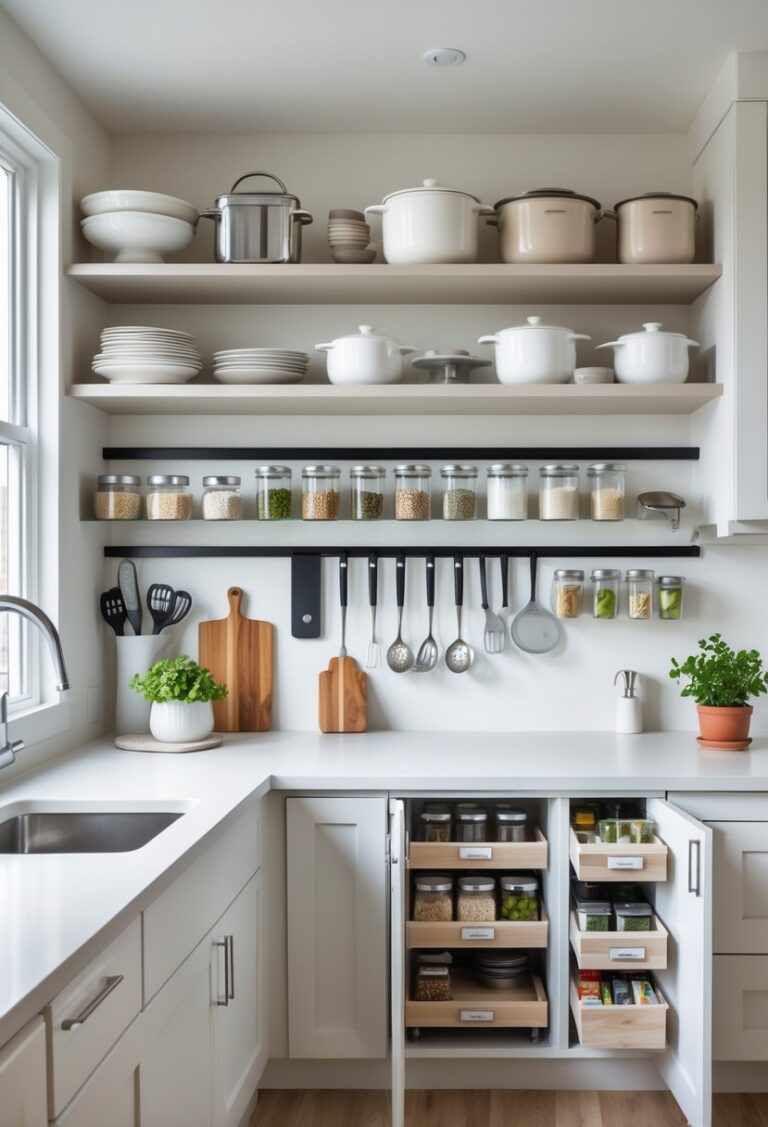
Refresh Your Space in a Week: Join Our 7-Day January Kitchen Declutter Challenge
If you’re tired of countertop chaos, you can actually reclaim usable kitchen space in just a week. All it really takes is focusing on one small area each day, using straightforward tricks like the four-box method and a 20-minute timer. It’s the little habit tweaks, not some massive overhaul, that help keep the kitchen organized long after the challenge is over.
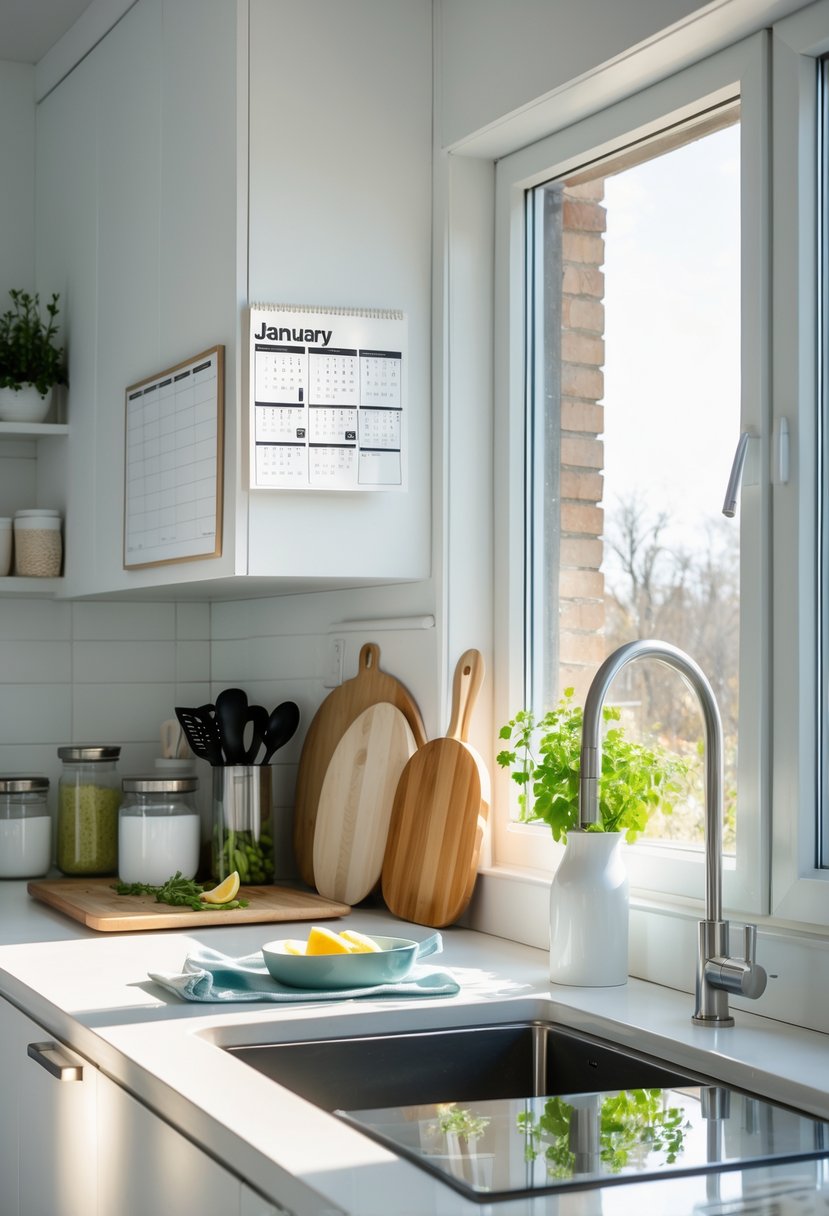
This post breaks down why a short daily plan works, how to get yourself set up (supplies, mindset, all that), and a practical day-by-day checklist you can actually stick to. There’s also a section on keeping your kitchen clutter-free after the week wraps up, plus answers to those little questions that always pop up.
Follow the plan and you’ll get each task done without feeling swamped. It’s about building those small habits so the kitchen stays tidy without you really thinking about it.
Understanding the 7-Day Kitchen Declutter Challenge:
This whole thing breaks the kitchen into bite-sized tasks and gives you a clear goal for each day. Short sessions, specific zones, and simple rules make progress feel real—like you’re actually getting somewhere, not just shuffling stuff around.
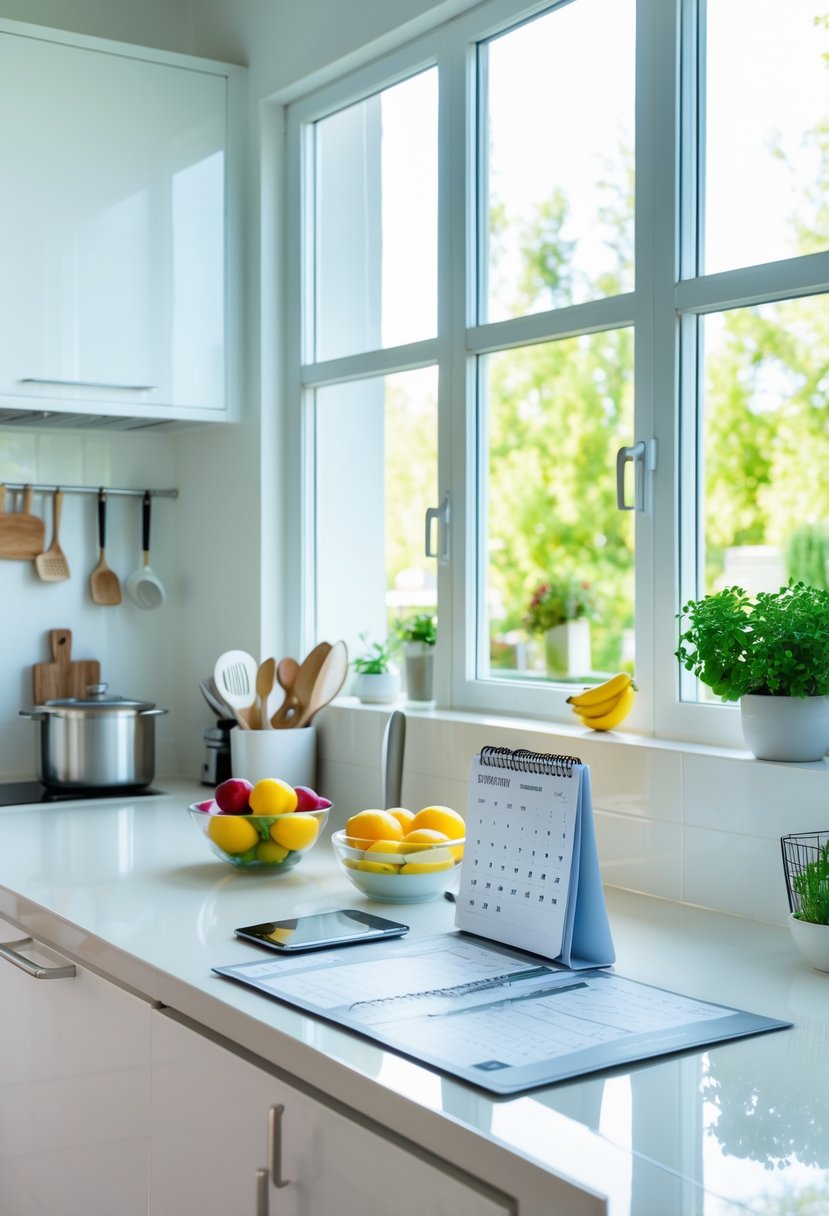
Why Short Declutter Challenges Work?
Short challenges are just more doable. If you promise yourself 15–30 minutes a day for a week, it feels manageable. You can wrap up a drawer or a shelf in a single go, and that little sense of “done” keeps you moving.
Those quick time blocks also help with decision fatigue. Instead of tackling the entire kitchen at once, you’re just making a few clear choices: keep, donate, trash, or store. The four-box method speeds things up and stops you from getting stuck.
Honestly, these short challenges fit into real life way better. You can squeeze in a session before coffee or after dinner. That steady habit? It’s what really sticks, way more than some marathon deep clean.
Benefits of a Clutter-Free Kitchen:
A clutter-free kitchen just saves you time. Fewer things on the counters means meal prep is quicker, cleaning isn’t such a drag, and you’re not hunting for lost spatulas. Cooking doesn’t stall out as often, either.
It’s also less stressful. Clear surfaces and labeled storage mean you don’t have to think so hard about where stuff goes. That little bit of calm can help you stick to meal planning or stay on top of dishes—at least most of the time.
Plus, a tidy kitchen cuts down on waste and saves money. When food is visible and containers match, you spot expired stuff faster. People who declutter tend to reuse, donate, or pass along what they don’t need instead of letting it pile up.
How Accountability and Consistency Drive Results?
Accountability makes a difference. Maybe you team up with a friend, post your progress, or just check things off a list. Seeing progress—publicly or just for yourself—keeps the habit going.
Consistency wins over intensity, honestly. Doing a little every day stops clutter from building up. The 7-day challenge is really about routine: hit one area, finish it, and move on tomorrow.
Simple rules help maintain it. Stuff like the one-in, one-out rule, labeled bins, and a donation bag nearby make it easier to keep things in check after the week’s up.
Preparation: Setting Up for a Successful Declutter
Before you start, gather your supplies, set some clear goals, and make a simple checklist. Knowing which organizers or cleaning products you’ll need saves time and keeps you from stalling out mid-task.

Gathering Essential Supplies and Organizers:
Start with the basics: heavy-duty trash bags, a box for donations, a bin for recycling, and a marker with labels. Cleaning stuff matters—an all-purpose spray, wipes, and a gentle degreaser for stovetops and counters are usually enough.
Grab organizers that fit the job: drawer dividers for utensils, a spice rack or lazy Susan for bottles, clear bins for pantry stuff, shelf risers for cans. A timer and a clipboard with your decluttering checklist help keep you on track.
If you can, clear off a big table or counter to sort things. Clear containers are handy for seeing what’s inside and avoiding future messes.
Defining Decluttering Goals and Timeline:
Pick actual, specific goals for the week, like “clear the counters and toss expired pantry stuff” or “reorganize one drawer each day.” Writing down exactly what you want helps you know when you’re done.
Be realistic with your time: 15–30 minutes a day is plenty for most kitchens. If yours is bigger, maybe block out 45 minutes on a weekend. Use that timer and don’t let yourself burn out.
Start with whatever spot annoys you most—it’s usually the messiest. That quick win makes the rest of the week feel way easier.
Creating Your Decluttering Checklist:
Make a short, actionable checklist with one job per day. For example: Day 1 — clear counters and clean appliances; Day 2 — sort pantry and toss old food; Day 3 — organize drawers and utensils; Day 4 — deep clean stove and filter.
Each item should have two steps: sort and store. Like, “Sort: remove duplicates. Store: put everyday stuff within easy reach.” Add checkboxes and a spot to jot down things to donate or replace.
Keep your checklist in sight—stick it on the fridge or keep it on a clipboard. Having it right there cuts down on decisions and pairs nicely with the four-box method.
The Four-Box Method Explained:
Set up four labeled boxes: Keep, Donate/Sell, Trash, and Relocate. Clear labels help you sort quickly without second-guessing. Keep them close to where you’re working.
Ask yourself, “Have I used this in the last year?” or “Does this even belong in the kitchen?” If yes, it’s a Keep. If not but it’s still useful, Donate/Sell. Broken? Trash. Belongs somewhere else? Relocate.
This method keeps things moving and works well with drawer dividers and shelf bins. Once you’re done, get the Donate/Sell and Trash boxes out of the kitchen so you don’t start pulling stuff back out.
Step-by-Step Guide: 7-Day Kitchen Declutter Plan
This plan splits the kitchen into zones and gives you a clear job for each day. The basics: sort fast, keep what you use every week, and label or store the rest so it’s not in the way.

Day 1: Countertops and High-Traffic Surfaces
Start by clearing off countertops, the island, and coffee station. Sort everything into four boxes: Trash, Donate/Sell, Store, Put Away. Tackle one surface at a time so you can see your progress.
Only keep what you use daily—coffee maker, hand soap, maybe a fruit bowl—on the counters. Move small appliances you barely use into a cabinet or pantry. Wipe down surfaces and make a note if any drawers or cabinets need attention later.
Keep your checklist short: clear, sort, relocate, wipe, replace one useful item. If your kitchen is shared, label zones so stuff doesn’t creep back onto the counters.
Day 2: Drawers and Small Cabinets
Empty one drawer or cabinet at a time and spread everything out on a towel or table. Put similar things together: utensils, snacks, wraps, small tools. Toss broken or duplicate stuff right away.
Use basic organizers—dividers, little bins, even folded cardboard—to keep things sorted. Rarely-used tools can go in a “store” box for special occasions. Label drawers so everyone knows where things go.
Stick to the “one-in, one-out” rule: if you buy a new utensil, get rid of an old one. Add each finished drawer to your checklist so you can see your progress add up.
Day 3: Pantry and Food Storage
Take everything off each pantry shelf and check expiration dates as you go. Group foods by type: cans, baking stuff, snacks, cereal. Toss expired things and pour half-empty packages into clear containers.
Shelf risers, baskets, and labels help keep things easy to spot. Put what you use most at eye level; stash the less-used stuff up high or down low. Match up lids and containers to avoid a mess.
Try a food-storage plan: rotate older stuff to the front, write dates on new packages. Got too many duplicates or bulk items? Move extras to donate or stick them in long-term storage.
Day 4: Cooking Tools, Utensils and Gadgets
Sort pots, pans, baking sheets, and gadgets by how often you use them. Test weird gadgets—if you haven’t touched it in a year, maybe it’s time to donate. Keep just the basics handy for daily cooking.
Group by function: prep tools in one drawer, measuring stuff together, baking tools in a bin. Nest pans and use dividers to save space. Specialty gadgets? Store them in a labeled box or on a shelf so your counters stay clear.
Make a mini checklist: test, group, store, label. If you’re missing organizers, add them to your shopping list so you can keep things tidy for the long haul.
Maintaining Your Clutter-Free Kitchen Beyond the Challenge:
Stick with a simple routine, give everything a “home,” and do small check-ins now and then to keep clutter from sneaking back in. A few practical systems and easy rules will keep your counters clear, cut down on visual mess, and make meal prep a whole lot smoother.

Developing Long-Term Decluttering Habits:
Honestly, two tiny daily habits make a bigger difference than you’d expect: a quick 5-minute reset at night and a fast check-in after grocery runs. That night reset? Just clear the counters, stash dishes where they belong, and swipe away any sticky spots—so things don’t sneak up on you by morning. When you get back from shopping, toss new groceries into labeled zones right away, which means old or expired stuff can’t just hang around forever.
Weekly routines help too. Try a 20-minute Sunday scan—look at pantry dates, tidy up the spice rack, and maybe pull out one thing to donate. Once a month, set aside half an hour (an hour if you’re feeling ambitious) to focus on a single cabinet or drawer. It’s sort of like stretching out a 7-day decluttering challenge into something sustainable, not just a one-off sprint.
Home Organization Systems for the Kitchen:
Zones make life easier: one for cooking, another for prep, storage, and cleaning. Keep cutting boards, oils, and your go-to spices close to the stove—no one wants to hunt for cumin mid-stir-fry. The gadgets you barely touch? Those can live up high or in a bin, labeled so you don’t forget they exist.
Clear, stackable containers for dry goods are a lifesaver, especially if you label them with what’s inside and when it goes bad. Shelf risers and drawer dividers help too—less visual mess, and you can actually find things. I like having a mini command center in the kitchen: a calendar, grocery list, maybe a box for donations. Keeps the chaos from spreading to the rest of the house, at least in theory.
Using the One-In, One-Out Rule:
Stick to one-in, one-out for gadgets, containers, and pantry stuff. Buy a new tool? Pick something similar to donate or recycle. When you’re stocking up on pantry staples, get rid of any duplicates or expired packages first.
If you’re keeping a few things aside to donate, jot a quick tally on the fridge so you don’t lose track. This habit really stops clutter from creeping back after a big declutter. Plus, it makes decisions less painful—you’re less likely to keep “just in case” stuff that ends up crowding your shelves.
Keeping Momentum with Future Decluttering Challenges:
Plan mini-challenges: a 7-day refresh every few months, or go big with a focused 30-day declutter in January. Short, specific tasks win—maybe day 1 is just countertops, day 2 is utensils, day 3 is the pantry, and so on. It’s a lot like that original 7-day challenge, but spread out so it doesn’t feel overwhelming.
Set a simple goal for each round, like clearing one shelf or donating five things. Snap before-and-after pics if that helps you see progress. Those tiny wins add up and honestly, it’s way easier to keep things tidy than to start from scratch every time.
Frequently Asked Questions:
Here’s where you’ll find straightforward answers about the week-long kitchen plan: what to do each day, where to grab free resources, and how to actually get started without overthinking it.

What are the steps involved in the 7-Day Kitchen Declutter Challenge?
Day 1: Go through all your food storage containers and lids—match them up, toss anything warped or missing a partner.
Day 2: Dump out the junk drawer, sort everything by category, and get rid of broken or never-used stuff. Small trays or dividers help keep things sorted.
Day 3: Sort your pots and pans by what you use and what’s still in good shape. Donate or sell the extras, and try storing lids vertically if you can.
Day 4: Organize the silverware and utensil drawer. Everyday stuff should be easy to grab; special-occasion tools can live elsewhere.
Day 5: Go through kitchen towels—separate hand towels from cleaning rags, toss anything too stained or worn, and give each type its own spot.
Day 6: Tackle the pantry. Check dates, group similar items, and keep the things you reach for most at eye level.
Day 7: Clean and put everything back. Wipe down shelves and drawers, label any new zones, and make piles for donations or trash if there’s anything left over.
Is there a no-cost version of the kitchen declutter plan available?
Absolutely. You can follow the same seven-day structure with just your own time and basic supplies—boxes or bags for sorting, a marker for labeling, and maybe a half hour to an hour each day.
Loads of decluttering blogs and organizers offer free printable checklists and weekly email challenges. No fancy tools needed—just daily prompts and a few solid tips to keep you going.
How do I start the decluttering process in my kitchen?
Honestly, the best way is to pick one small spot—maybe that chaotic Tupperware cabinet or just a random drawer. Set a timer for about 30 minutes so it doesn’t feel endless, then pull everything out and start sorting. Make piles: keep, donate, and, well, trash.
Try to keep it quick and not overthink every little thing. If you haven’t touched something in a year, or it’s broken and not worth fixing, it’s probably time to let it go. Just be a little ruthless—it gets easier as you go.