How to Decorate a Small Living Room Apartment on a Budget: Stylish Ideas That Actually Work
Decorating a small living room apartment on a budget comes down to clever choices—making the most of what you have while keeping things stylish and wallet-friendly. Small spaces really benefit from multipurpose furniture, sneaky storage tricks, and lighter colors that help everything feel a bit more open and breezy. If you focus on a few key pieces that do double duty and pick up affordable decor, you can turn a cramped living room into a spot that’s actually comfy and looks put together.

Going vertical with shelves or wall hooks will free up some precious floor space, and honestly, just moving your furniture around can make a surprising difference. Little touches—like a few throw pillows or a piece or two of affordable art—bring in personality without costing a fortune. With a bit of planning and a dash of creativity, decorating a small living room doesn’t have to be stressful or expensive.
Planning Your Budget-Friendly Living Room Transformation
Some upfront planning goes a long way when you’re trying to make the most of a small living room without blowing your budget. It’s all about knowing your space, figuring out what you can actually spend, and picking the updates that’ll make the biggest difference.

Assessing Your Space and Needs
Grab a tape measure and jot down the room’s dimensions—don’t forget doorways, windows, and outlets. Nothing’s worse than dragging home a couch that blocks your only source of sunlight. Think about what you really need out of the space. Is it mostly for unwinding, maybe working from home, or hosting a friend or two? That’ll steer your choices for furniture and decor.
Take a good look at what you already own. If something’s still in decent shape, hang onto it or give it a little refresh. No need to toss everything and start from scratch.
Setting a Realistic Decorating Budget
Figure out how much you can actually spend, and be honest. Breaking it down into chunks—like seating, lighting, storage, and accessories—makes it easier to keep track.
Here’s a simple way to organize your thoughts (and your wallet):
| Category | Estimated Cost | Priority Level |
|---|---|---|
| Furniture | $300 | High |
| Lighting | $100 | Medium |
| Decor | $50 | Low |
| Storage | $100 | Medium |
This way, you don’t accidentally splurge in one area and forget about the rest.
Prioritizing Essential Updates
Start with the basics—stuff that actually makes the room livable, like a sofa or better lighting. That’s your foundation. After that, look at things that can make the room feel bigger or brighter, like a fresh coat of light paint or a mirror or two. Tiny tweaks, big impact.
Hold off on the non-essentials until the end. Little decor bits are fun, but don’t let them eat up your budget before you’ve got the basics sorted. Going in this order helps make sure every dollar you spend actually counts.
Maximizing Space with Affordable Furniture Solutions
Smart furniture choices can really open up a small living room—and they don’t have to cost a fortune. When one piece does several jobs, you save space and cash. A thoughtful layout adds comfort and flow, while secondhand or upcycled finds bring in some personality and keep things affordable.
Selecting Multi-Functional Furniture
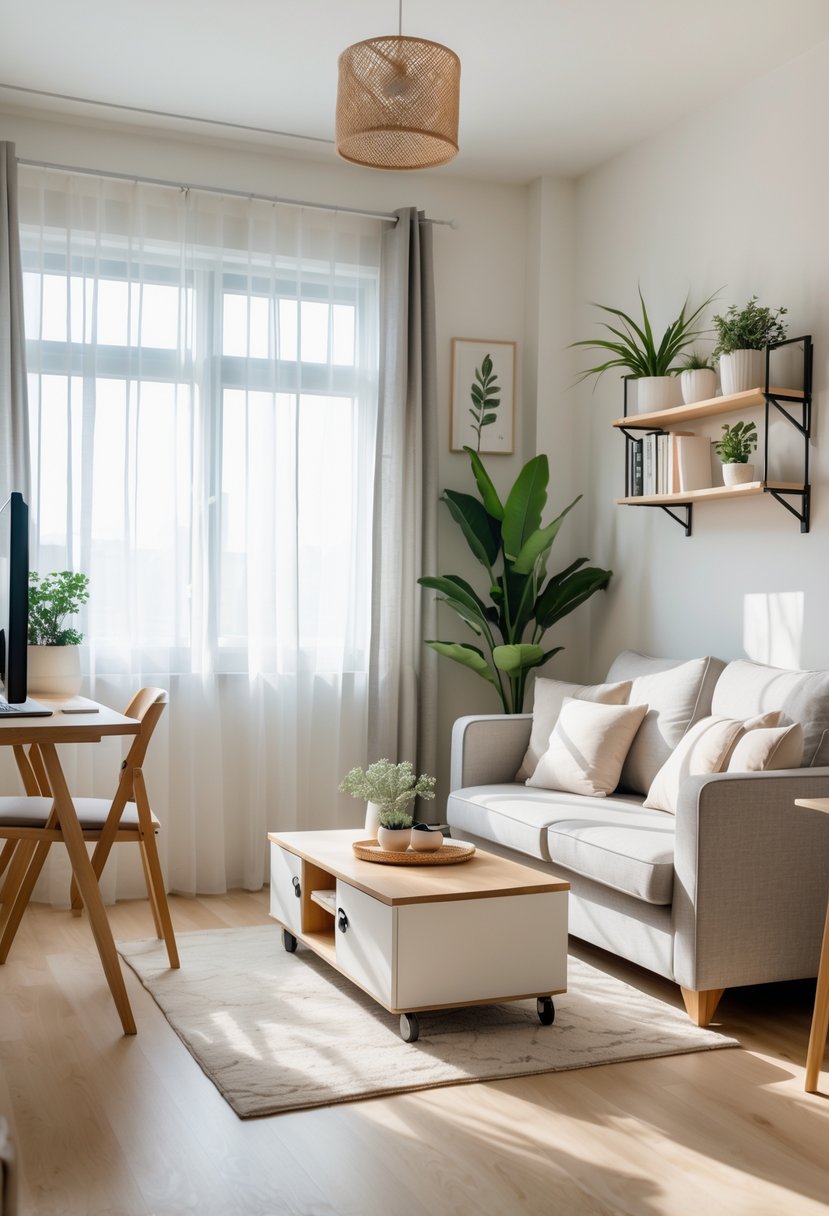
Furniture that pulls double (or triple) duty is a lifesaver in a small place. Think ottomans with storage, sofa beds, or nesting tables you can tuck away. These guys cut down on clutter and mean you don’t need as many separate pieces.
Look for things that stash your everyday stuff or switch up easily—a coffee table with drawers for remotes and books, or a wall-mounted drop-leaf desk that disappears when you’re done working. Pieces with hidden storage or flexible uses can make the room feel way more organized, and you don’t have to spend a ton.
Arranging Layouts for Small Spaces
How you arrange things really matters. Try pushing furniture against the walls (especially slim sofas or chairs) to free up the middle of the room. Using vertical space—like shelves or floating cabinets—gets stuff off the floor.
Face pieces toward each other to create a cozy vibe for chatting, but don’t block the windows. Keeping things light—like chairs with legs you can see through, or glass tables—makes the whole room look less crowded.
Sourcing Secondhand and Upcycled Pieces
Hunting for secondhand furniture can save you a bundle. Thrift shops, online listings, or even a neighbor’s garage sale might have just what you need. Solid wood stuff can usually be revived with a bit of paint or new fabric—way cheaper than buying new.
Upcycling’s also a good move. Give an old dresser a new life as a TV stand, or toss a cushion on a bench for extra seating. It’s eco-friendly, too. Mixing in secondhand or upcycled pieces means you get style, savings, and a little sustainability all in one go.
Creative Decor Ideas for Small Apartment Living Rooms
In small living rooms, every choice—colors, textures, wall art, lighting, a few plants—makes a difference. A little creativity can make the space feel inviting and functional without crowding things or breaking the bank.
Choosing the Right Colors and Textiles
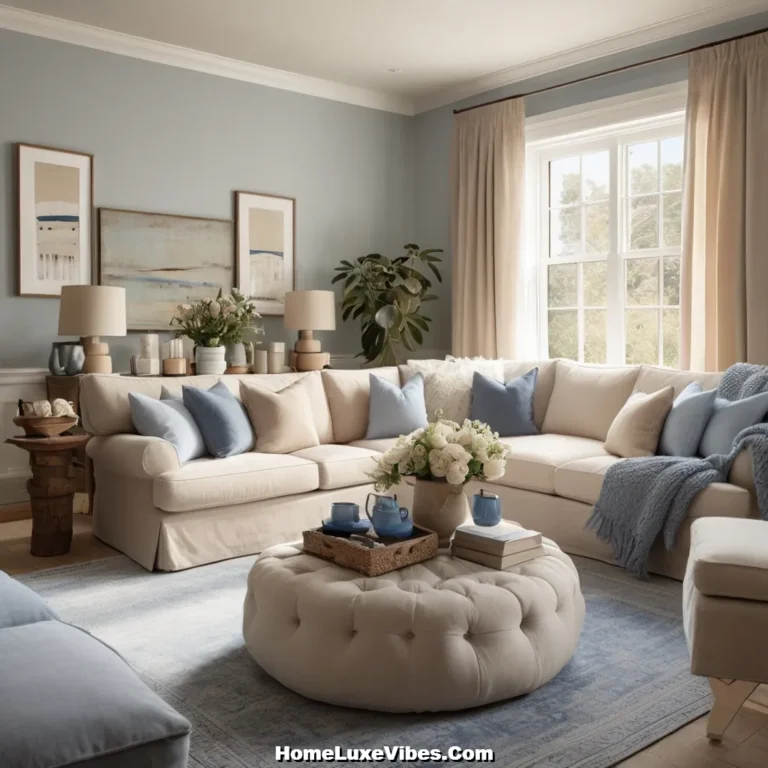
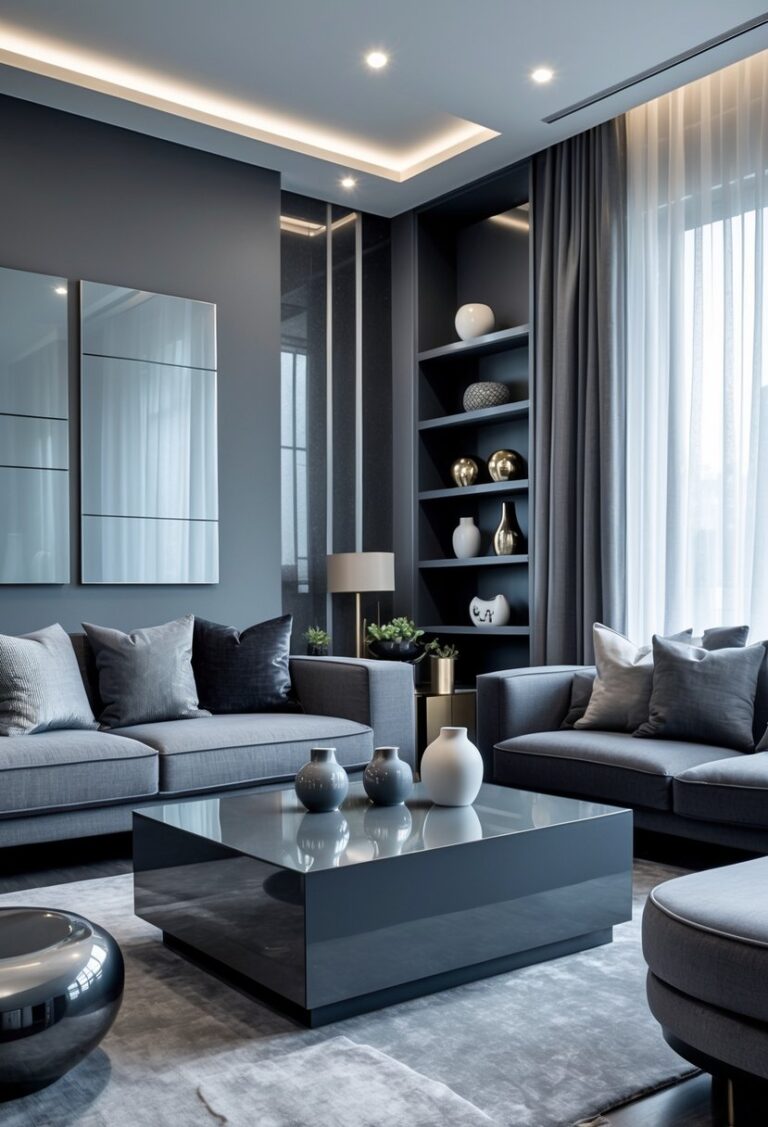
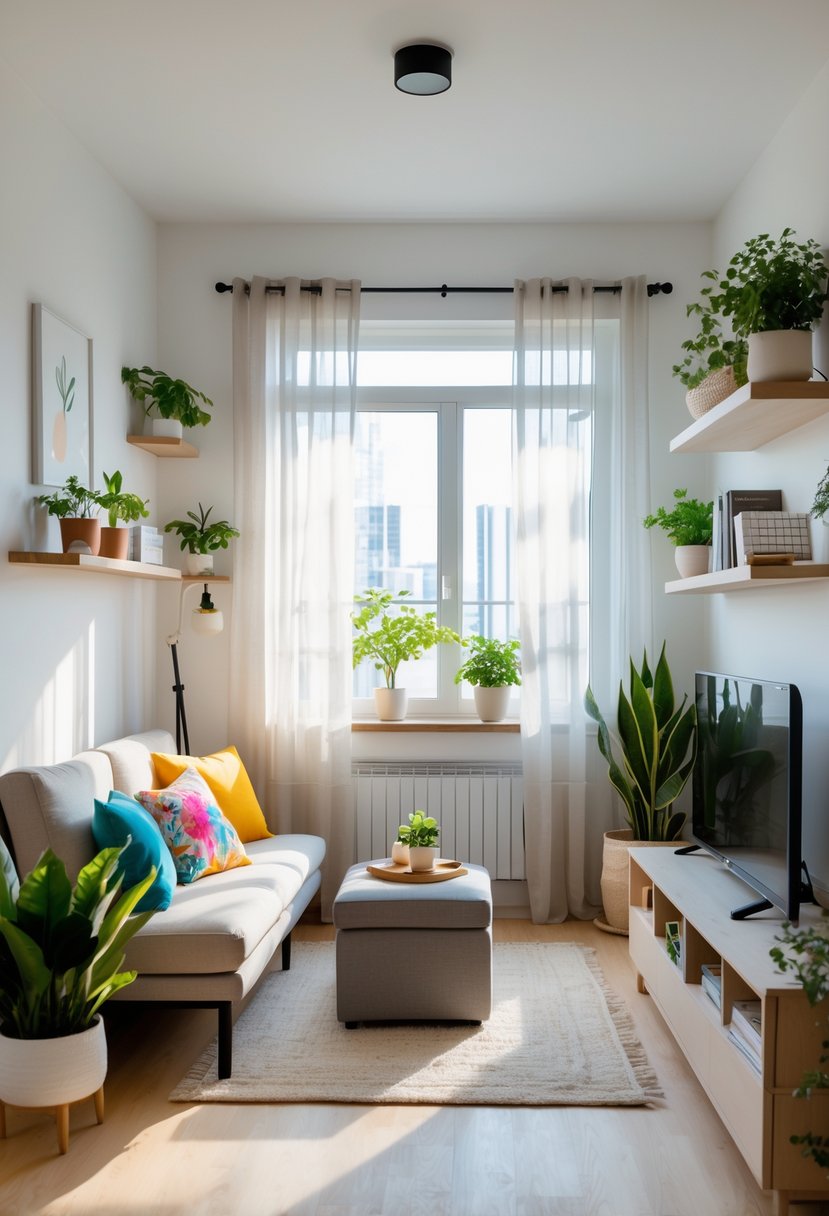
Light neutrals like white, beige, or soft gray help bounce light around and make things feel bigger. One or two accent colors in pillows or throws can keep things interesting, but too many bold shades can make it feel busy fast.
Go for thinner curtains or lightweight rugs—nothing too heavy. Small patterns work better than big, in-your-face prints. Soft fabrics like cotton or linen in cushions add comfort, and if you stick with a consistent color scheme, the whole room just flows together a little better.
Incorporating DIY Wall Art and Decor:
Don’t forget the walls—they’re prime real estate in a tiny apartment. DIY wall art can be super affordable and way more personal. Maybe frame some fabric scraps or print out a favorite quote—easy, cheap, and unique.
Floating shelves or wall hooks let you show off books, plants, or little finds without eating up floor space. You get storage and style, and it draws the eye up, making the room feel taller.
Mirrors are a classic trick. Pop one across from a window to bounce light around and “expand” the space. Even a basic mirror gets a facelift with a homemade frame or a fresh coat of paint.
Using Lighting to Enhance Coziness:
Layer your lighting—overhead, plus a lamp or two in the corners. It’s a lot less harsh than a single ceiling light, and you can tweak the mood depending on what you’re doing.
Warm bulbs make everything feel more inviting. LEDs are a good bet—they last ages and won’t jack up your electric bill.
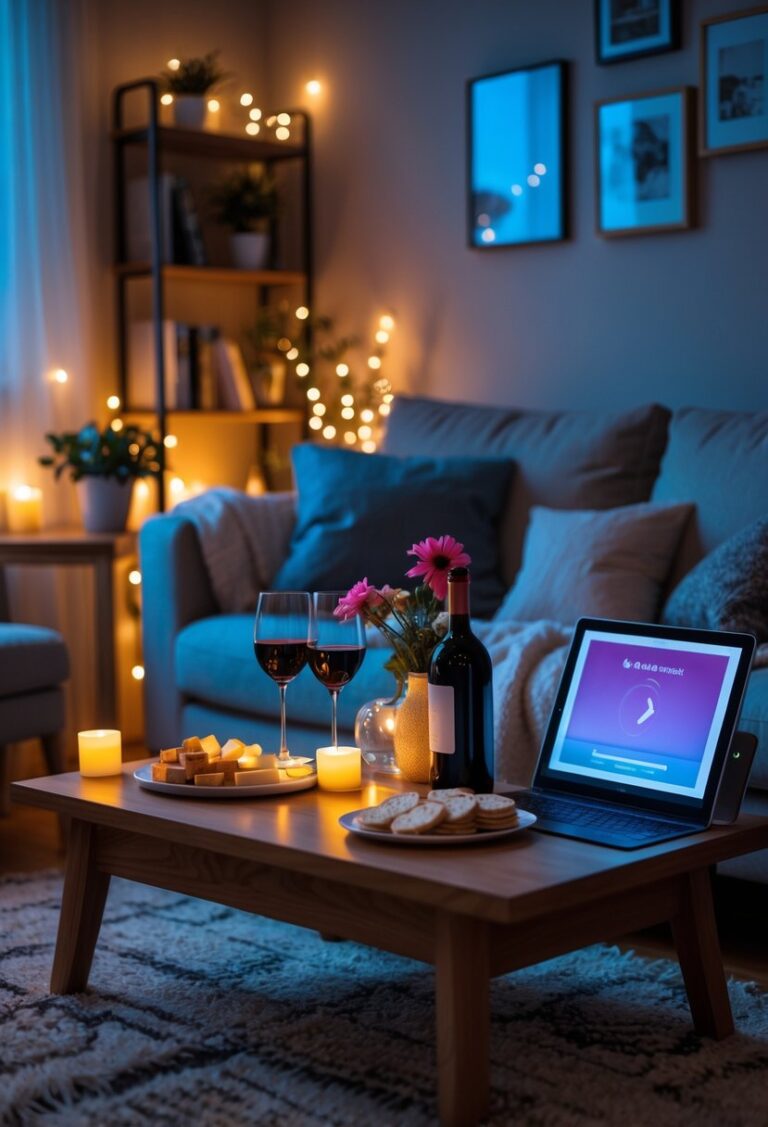
String lights or little battery lamps are fun, and you don’t need to mess with wiring. If you put a lamp near a mirror, you get even more light bouncing around—bonus!
Adding Plants and Natural Accents:
Plants really liven things up. Small pots on shelves or a hanging planter make use of that vertical space. Succulents or other low-maintenance options are perfect if you’re not much of a plant parent.
Mix in some natural stuff—wooden bowls, baskets, linen throws. These touches bring in texture and keep things from feeling too cold or stark. A bit of greenery with some organic accents pulls the whole look together. Plus, plants help with air quality, so it’s not just about looks.
Organizing and Personalizing on a Budget:
Getting a small living room organized and making it feel like yours doesn’t have to cost much. With smart storage, a few favorite items on display, and some habits to keep clutter down, you can make a big difference with small changes.
Smart Storage Solutions:
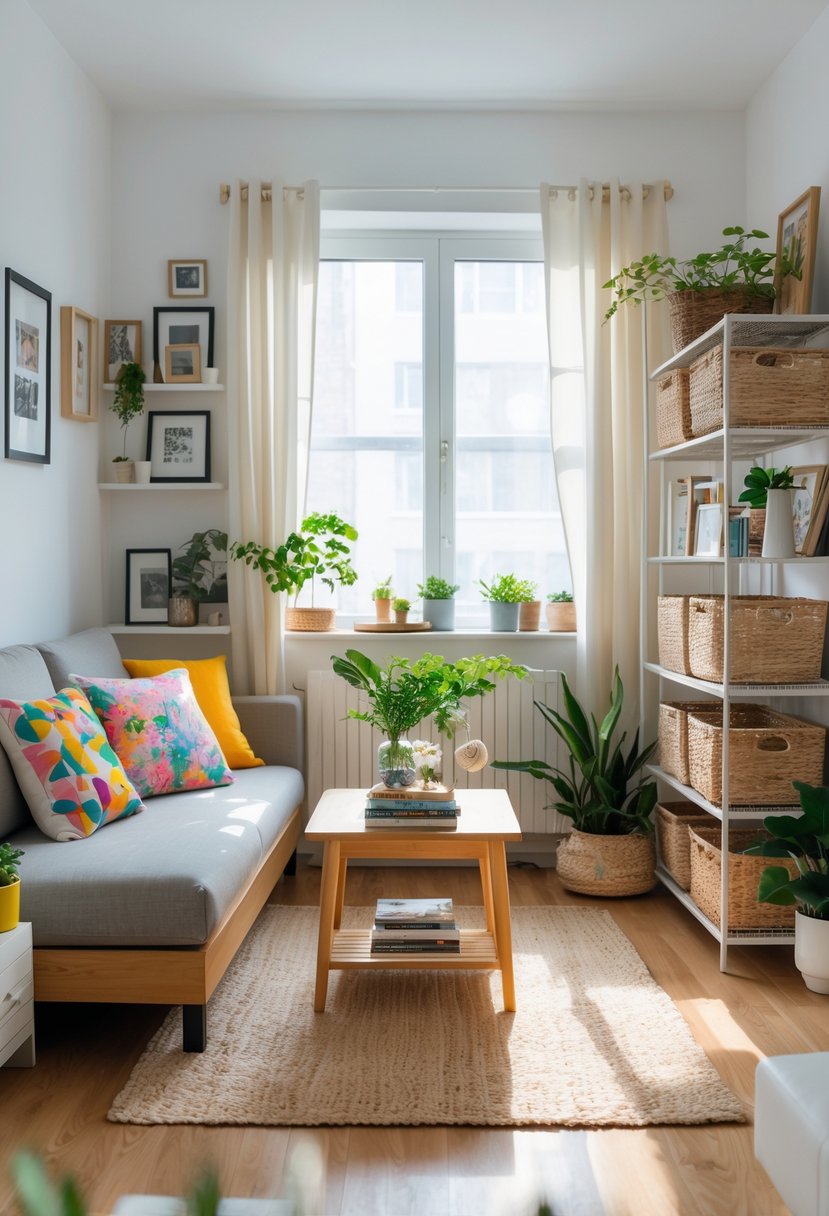
Multifunctional furniture is your best friend. Ottomans that hide stuff or coffee tables with storage underneath keep things out of sight. Use your walls, too—floating shelves or racks help organize without eating up floor space.
Clear bins or ones with labels make it easy to find little things when you need them. Baskets are a cheap fix for stashing blankets, magazines, or even toys. Toss some hooks near the door or behind it for coats, bags, or keys—super handy.
Displaying Personal Items Effectively:
Personal stuff like photos or souvenirs add a lot of character, but it’s easy for things to look messy. Grouping them on a shelf or creating a little gallery wall makes them feel intentional. Change things up with the seasons if you’re feeling bored—no need to buy new.
Matching frames help photos look pulled together. A couple of plants or handmade pieces warm things up. Use trays or boxes to corral collections, so surfaces don’t get too busy.
Maintaining a Clutter-Free Environment:
Staying tidy is mostly about habits. If everyone puts things back when they’re done, you’ll avoid the dreaded pile-up. Clear surfaces just make the room feel bigger, too.
Declutter regularly—maybe every few months. Ditch what you don’t use. Try to limit how much you keep out—just a few pillows or decorations per spot is enough. A quick tidy-up here and there keeps things feeling fresh without much effort.
Frequently Asked Questions:
Even a tiny living room can look good and work well if you pick the right furniture and layout. Entertainment setups matter, too—sometimes it’s just a matter of making the most of what you’ve got.

What are some cost-effective ways to style a small living room?
Honestly, multi-purpose furniture is a lifesaver when you’re short on space (and cash). Think a sofa bed or maybe a storage ottoman—super handy, and you don’t end up with a pile of random stuff everywhere. Want to change things up? Throw pillows or a cozy rug can totally shift the vibe, and they won’t empty your wallet.
If you’re up for a little DIY, painting the walls a light color can really open things up. It’s kind of amazing what a brighter shade can do. And if you’re into personal touches, framed prints or a few plants bring in some character without costing much. Oh, and don’t sleep on thrift stores or sales—sometimes you’ll stumble on something perfect for way less than you’d expect.
How can one arrange furniture in a small living space to maximize functionality?
Here’s a trick: push the bigger stuff up against the walls. It’s not rocket science, but it gives you more room to move around. Stick with furniture that actually fits the space—nobody wants to feel like they’re dodging tables every time they walk through. And if you can, set up the chairs or sofa so people actually want to sit and talk. Makes a difference.
Don’t ignore your walls, either. Vertical storage—like floating shelves or a tall cabinet—keeps things tidy and off the floor. It’s surprising how much more open the room can feel when surfaces aren’t buried under books or whatever else. If something feels off, just try rearranging until you get a good flow. Sometimes it takes a few tries, but you’ll know it when it works.
What are the best strategies for incorporating a television into a small living room design?
Mounting the TV on the wall is a real space-saver, and it keeps things feeling a bit more open. If you can, go for one of those slim, flat-screen models—nobody wants a clunky setup eating up precious room. Try to angle the TV opposite your seating so you’re not craning your neck every time you want to watch something.
Honestly, tucking the TV into built-in shelves or a media console with storage is a lifesaver for hiding those wild cords and keeping clutter at bay. And if you pick a TV with smart features, you might be able to skip a few extra boxes or cables—less mess, less stress.