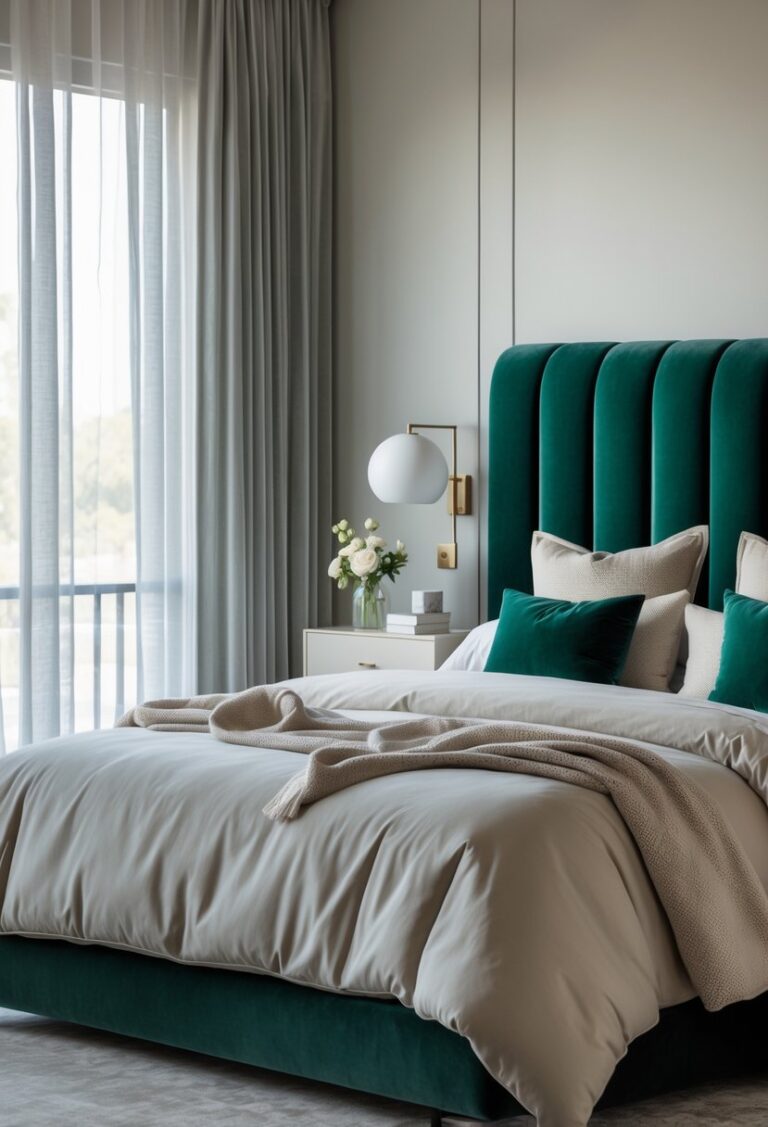
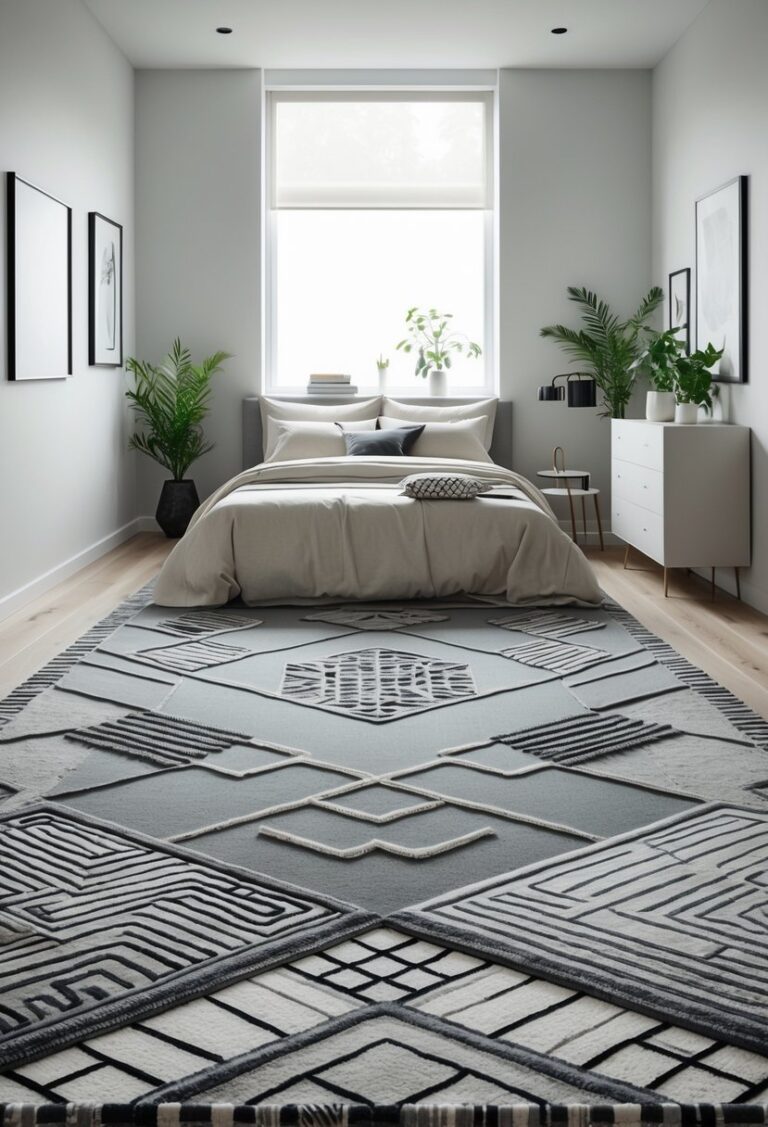
How to Choose Bedroom Colors for Better Sleep: Expert Tips for a Restful Space
Picking out bedroom colors isn’t just about looks—it can really affect how well you sleep. Blues, greens, and soft neutrals tend to set a calm, relaxing environment that lets your mind settle down. Cool, gentle tones are often tied to peace and comfort, so drifting off feels a bit easier.
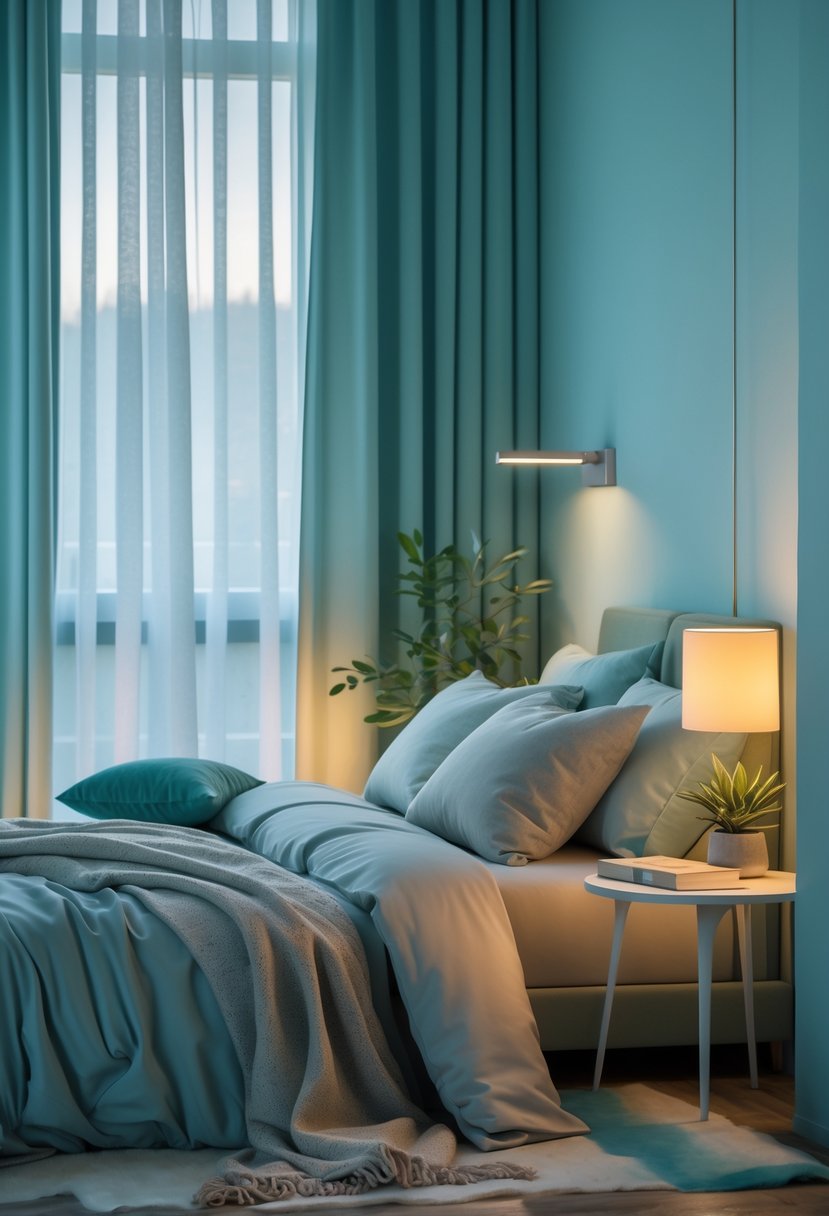
On the flip side, bold and warm shades—think reds or yellows—can make a room feel more energetic or even tense. Those colors might actually keep you awake, or just make it harder to chill out at night. And it’s not just about the color, but also how dark or bright it is. Deep shades sometimes feel heavy, while lighter ones invite calm.
If you get how color messes with your mood, you can choose bedroom hues that actually help you rest. It’s a pretty simple tweak, but it can make a real difference in your sleep routine—no huge renovations needed.
Why Bedroom Colors Matter for Sleep Quality:
Colors in your bedroom can either help you relax or make you feel on edge. Some shades calm your mind, others do the opposite. It’s worth thinking about how a color makes you feel before you splash it all over your walls.
The Science of Color and Sleep:
Colors mess with our emotions in ways that are both biological and cultural. Blues and greens, for instance, can slow your heart rate and lower blood pressure—science backs that up. That’s why they’re so good at reducing stress and helping you nod off.
Some research even links blue bedrooms to longer sleep. Maybe it’s because blue reminds us of calm places like the sky or the ocean. Red, on the other hand, can get your adrenaline pumping and your pulse racing—not exactly bedtime vibes.
How bright a color is matters, too. Softer, lighter shades are usually more relaxing than those deep, intense ones. So both the color and its shade play a role in how you sleep.
How Bedroom Color Influences Relaxation:
Your bedroom color really sets the scene for bedtime. If you want to relax, you need colors that help your mind let go. Soft blues and greens, for example, can take the edge off and make you feel safe—kind of like being outside on a nice day. Even simple neutrals like white or beige can quiet your thoughts.
But if you go for something like red, orange, or yellow, you might find yourself feeling more awake than you’d like. Those colors are a bit too lively for winding down. People generally feel more at ease in calmer shades, and that’s what leads to deeper, better sleep.
Common Myths About Colors and Sleep:
There’s this idea that black or really dark colors are great for sleep because they block out light, but honestly, they can just make a room feel gloomy or even a bit anxious. That’s not exactly restful. White gets a bad rap for being cold, but it actually helps keep your mind neutral—no big emotional swings, just a clean slate for sleep.
And while you might love a certain color, that doesn’t mean it’s good for sleep. If your favorite shade is super bright or warm, it could actually hype you up. It’s more important to pick something that feels calm, even if it’s not your number one favorite.
Best Colors for Better Sleep:
Calm, relaxing colors are your best bet for a good night’s sleep. Cool tones and muted shades can help take the edge off after a long day. The right color really can set the mood for a peaceful space.
Pale Blue and Its Calming Effects:
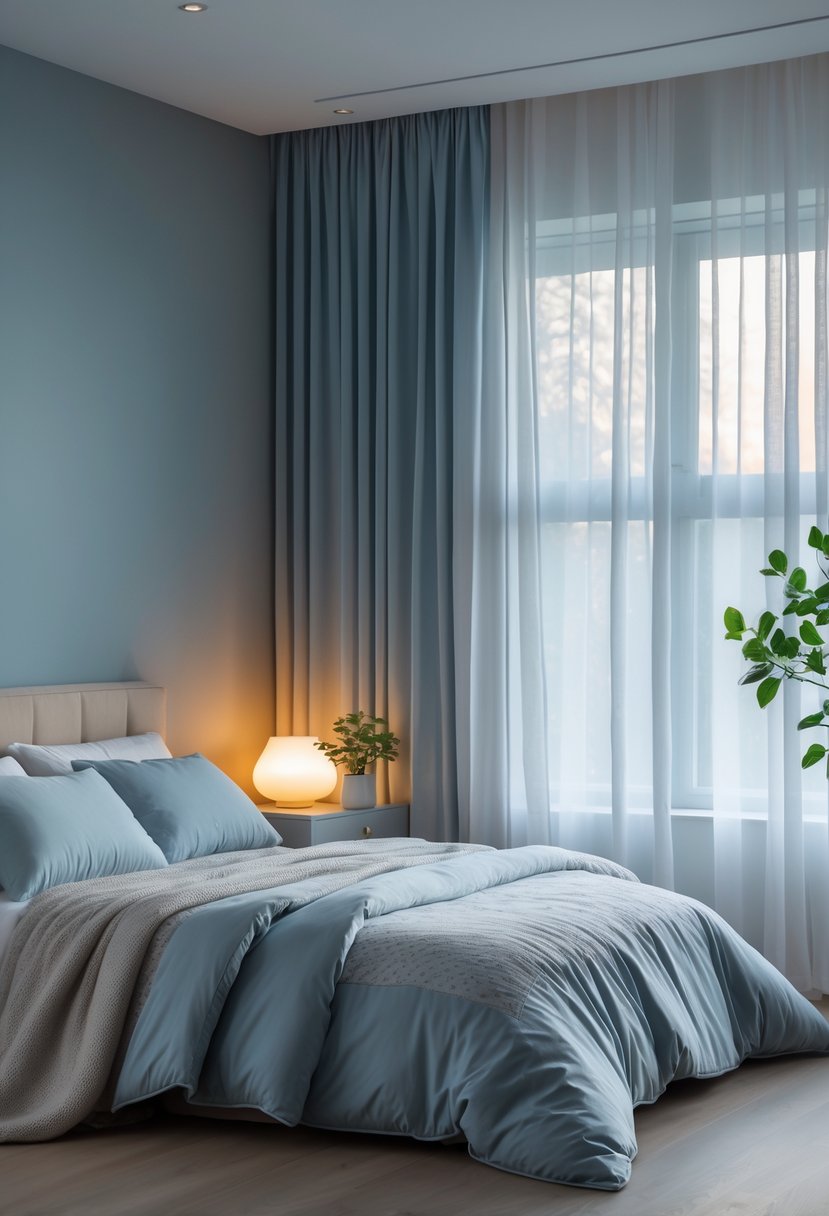
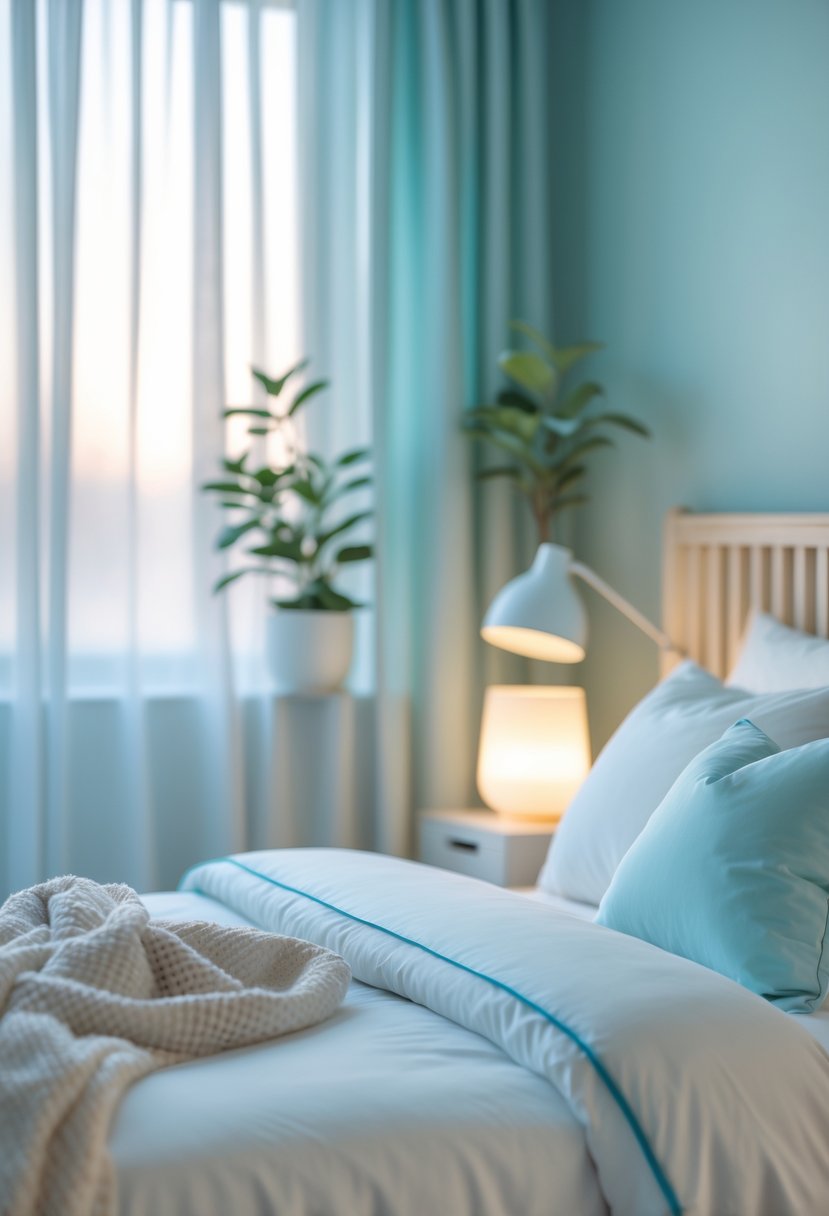
Pale blue is kind of the gold standard for soothing vibes. It’s like bringing the sky or a quiet lake right into your room—who wouldn’t want that? This color can slow your heart rate and ease tension, making it easier to drift off.
Unlike those deep, moody blues, pale blue keeps things light and breezy. It doesn’t drag your mood down, and it makes the whole room feel more open. Lots of folks with pale blue bedrooms say they sleep better and longer.
If you’re after that spa-like feel, this is a solid pick. Plus, pale blue looks great with white or soft grey accents, so you get that layered, cozy look without going overboard.
Sage Green for Natural Tranquility:
Sage green brings the outdoors in, but in a subtle way. It’s fresh but not too in-your-face—perfect for winding down. There’s something about this color that just quiets the mind. Maybe it’s that connection to nature, or maybe it’s just a nice break from all the usual bedroom colors. Sage green feels hopeful and balanced, and that’s exactly what you want at bedtime.
It pairs well with earthy tones like beige or warm browns, so you end up with a grounded, peaceful feeling. If you want something calming but not totally bland, sage green is a winner.
Pastel Hues and Soft Neutrals:
Pastels—think pale lavender or a soft peach—have a gentle touch. They add a bit of color without being too much. These shades can help you let go of the day and settle in. Soft neutrals like cream, light beige, or warm white keep things simple. They’re easy on the eyes and help you avoid that mental clutter that can keep you up.
These colors work with just about any bedroom style, and they make it easy to let other calming details (like cozy bedding or soft lighting) really shine.
How to Select the Right Bedroom Color Palette:
The colors you pick for your bedroom totally shape how the space feels. Ideally, you want shades that help you relax and sleep well—but they should also fit the room’s light, size, and your taste. Thoughtful color choices can make the room inviting without turning it into a snooze (in the boring way).
Matching Colors to Your Sleep Environment:
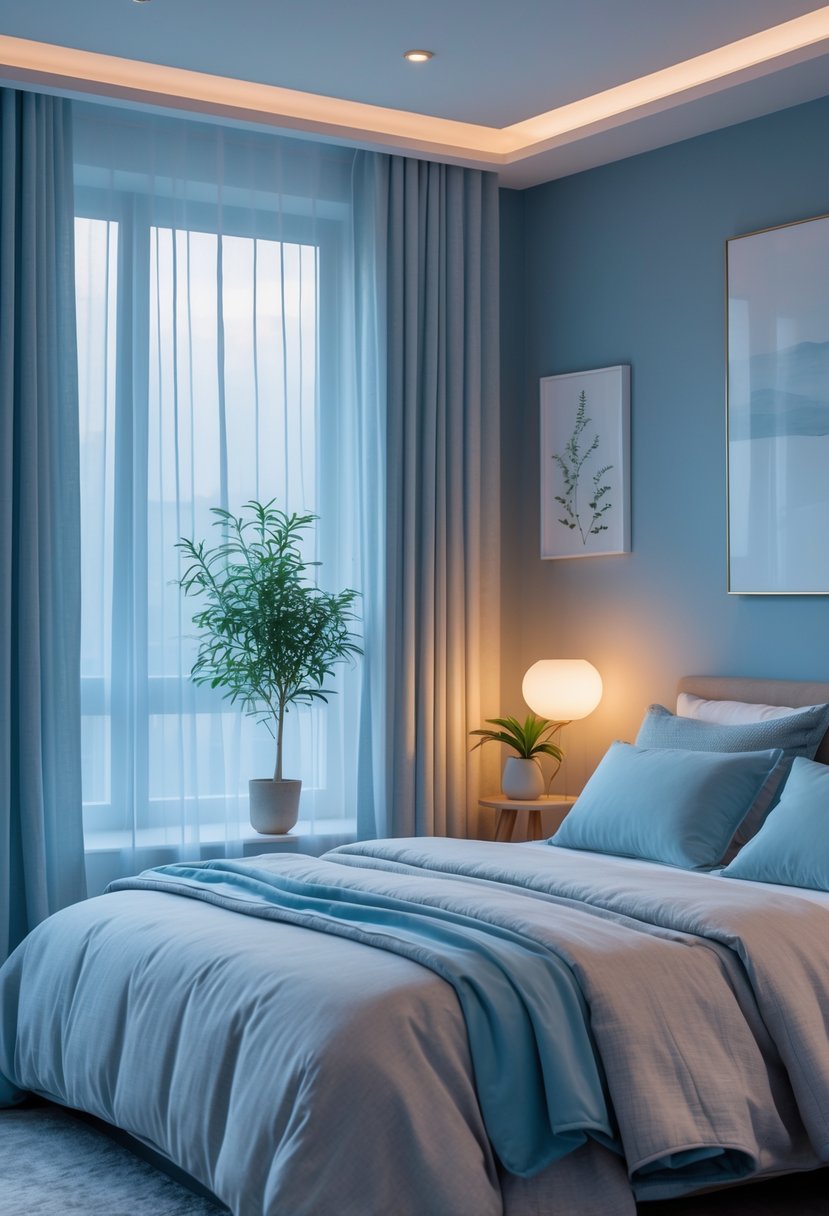
Bedroom colors should help you wind down, not wind you up. Soft, cool tones like light blues and greens are perfect for this—they naturally lower stress. These shades remind us of calm places, so they’re great for unwinding.
If your room’s on the darker side, go for lighter shades to keep it feeling open. Got a lot of natural light? You can get away with deeper hues like dusty blues or muted greens—they add coziness without being too much. Probably best to avoid those bold reds or oranges, though—they’re a bit too energizing for bedtime.
Try out paint swatches at different times of day to see how the color shifts. And matte or eggshell finishes help avoid glare, which keeps things restful. Restful space is the goal, after all.
Balancing Bedroom Aesthetics and Function:
A bedroom should look good and help you sleep—simple as that. The 60-30-10 rule is a handy trick: use 60% of one color on the walls, 30% for furniture and bedding, and 10% as little pops of accent color. Here’s a quick look:
| Percentage | Use | Example |
|---|---|---|
| 60% | Walls | Soft blue or light green |
| 30% | Furniture and bedding | Warm beige, taupe, or soft gray |
| 10% | Decor and accents | Muted yellow, blush, or deep navy |
This way, the room feels balanced but not bland. Adding in textures—like wood or cozy fabrics—keeps it from looking flat, even if you’re sticking to a simple palette.
If you already have furniture or bedding you love, let those guide your color choices. No need to start from scratch. When everything works together, the whole space just feels more peaceful.
Adapting Colors for Bedrooms Without Painting:
Can’t paint? No problem. You can still change up the vibe with bedding, rugs, curtains, or wall art. Just swapping out a comforter or a few throw pillows in calming colors can totally refresh the space.
Rugs and curtains are great for bringing in new tones, and they’re easy to change with the seasons or your mood. Even a painted nightstand or a colorful lamp can give you that pop of color without committing to a full paint job.
Lighting matters too. Warm bulbs or tinted lampshades can soften the whole look and make things feel cozier. These tweaks keep your bedroom soothing even if painting’s off the table. Soothing sleep is still within reach.
Bedroom Color Mistakes to Avoid:
Choosing the wrong colors can mess with your sleep by making the room feel busy or just off. It’s surprisingly easy to pick a shade that ends up feeling stressful, especially if it clashes with your lighting.
Overstimulating Colors:
Super bright colors like electric blue, neon green, or fire-engine red can actually wake you up instead of winding you down. They’re just too much for a space meant for rest.
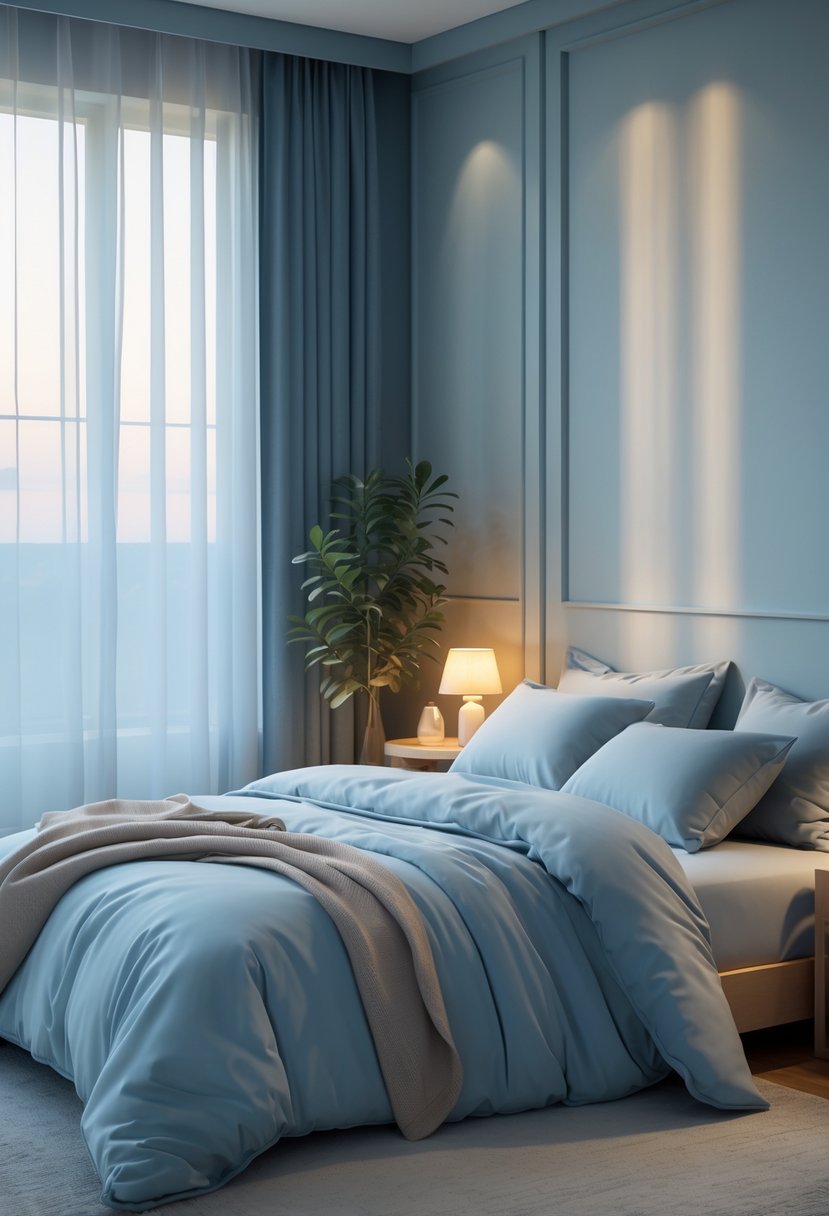
Designers usually say to save those for small accents, if you use them at all. Softer, muted shades—like dusty pink, sage green, or gentle blues—are way more sleep-friendly. Big, bold colors on the walls often lead to restless nights.
If a color feels “loud,” it probably is. Earthy or neutral tones with low saturation are much safer bets for a chill, restful vibe.
Ineffective Lighting and Color Pairings:
Lighting can make or break your color choice. Cool light (like daylight bulbs or bright LEDs) can make some colors look harsh or even jarring.
If you pair saturated colors with intense lighting, you might accidentally make your room feel more like a gym than a retreat. For example, bright blue walls under white LEDs can actually mess with your body’s melatonin production. Warmer bulbs (2700K-3000K) usually work better with soft or earthy colors.
And if your room doesn’t get much light, dark colors can end up feeling heavy or even a little claustrophobic. The trick is to match soft hues with soft light, and give yourself dimming options for bolder shades. That way, your bedroom always feels like a place to relax.
Frequently Asked Questions:
Getting your colors and lighting right can seriously improve your sleep. The right combos create an atmosphere that almost invites you to unwind.
What shades are recommended for a restful night’s sleep according to Feng Shui principles?
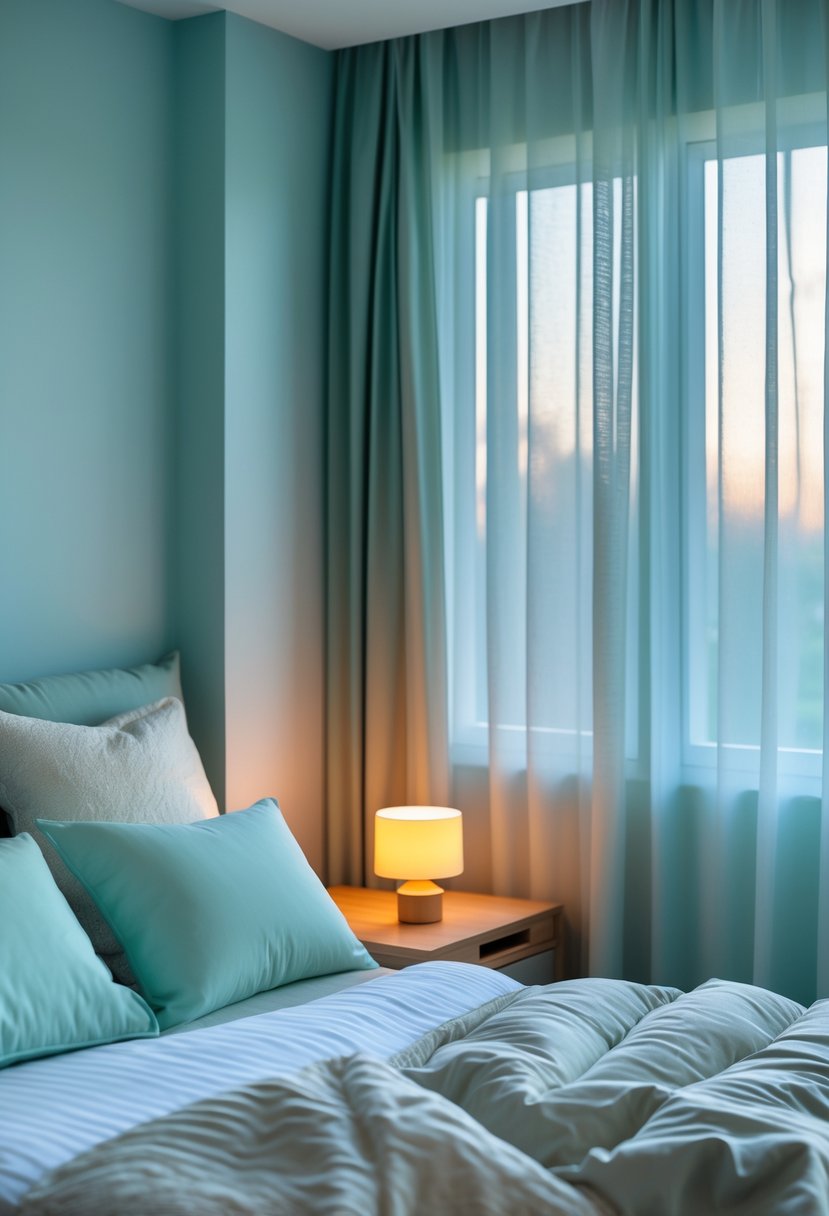
Feng Shui leans toward soft, natural colors—light blues, gentle greens, and earth tones. These are supposed to smooth out stress and keep the energy in your room calm. Steer clear of super bright or jarring shades—they just disrupt the vibe.
What are the top soothing colors that can alleviate anxiety in a bedroom setting?
Blue and green really are the classics for easing anxiety. Blue’s linked to calm and even lower heart rates, while green brings a sense of comfort from nature. Soft neutrals like pale gray or beige also help—they’re just quiet and easy on the mind.
How does the 60-30-10 color rule apply to creating a tranquil bedroom environment?
It’s simple: 60% of your bedroom is your main calming color (like a soft blue), 30% is a secondary shade that adds depth, and 10% is an accent color for a little personality. This keeps things interesting but still relaxing.
Which paint colors are considered most conducive to sleep for adults?
Light blue, soft green, and calm white are all top picks. They’re cool tones with shorter wavelengths, which help you relax. Darker shades can be a bit much, so stick with lighter or mid-tones for the best effect.
What luminosity or brightness level of lighting is best for promoting sleep in the bedroom?
Keep it low and warm before bed. Bright, harsh lighting can keep your brain alert and mess with sleep hormones. Dimmable lamps or bulbs with a soft yellow or orange glow are perfect for signaling that it’s time to wind down.
Are there specific colors that should be avoided in the bedroom to improve sleep quality?
You know, colors like red, bright orange, or those really bold yellows? They’re a bit too lively for a bedroom—tend to get your heart racing, which is the last thing you want when you’re trying to wind down. On the flip side, super dark shades like black or deep brown can sometimes feel a bit heavy, maybe even a little gloomy. If you ask me, it’s usually nicer to stick with lighter, more calming tones that make the room feel peaceful. Sleep’s hard enough to come by without your walls working against you.