After Holidays: Your Guide to a Fresh, Balanced Living Room (No Blank Slate Blues!)
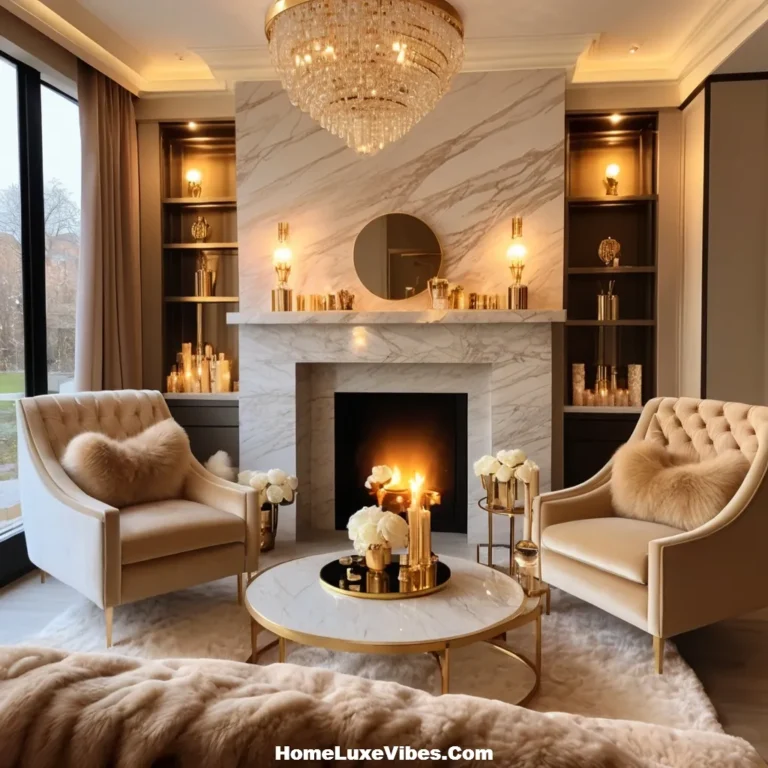
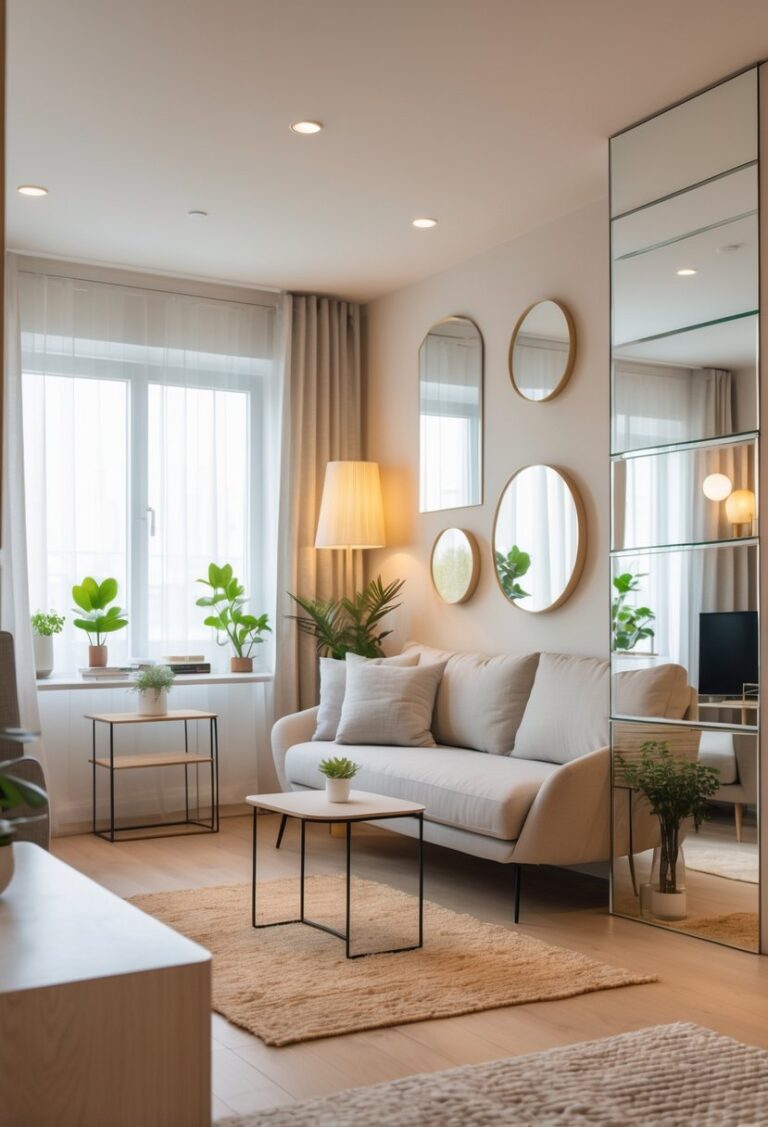
Once the holiday sparkle comes down, you don’t want your living room to feel oddly bare — this is the perfect time to rethink your living room layout ideas. Start by giving the space a good once-over: stash away the seasonal stuff, decide what actually belongs, and figure out where your eyes land first—those are your anchors. Shift around big pieces like the sofa or a standout rug to give the room a sense of purpose again, using proven how to arrange living room furniture principles, layer in some lighting and texture, and toss in a couple of plants or personal touches for warmth.
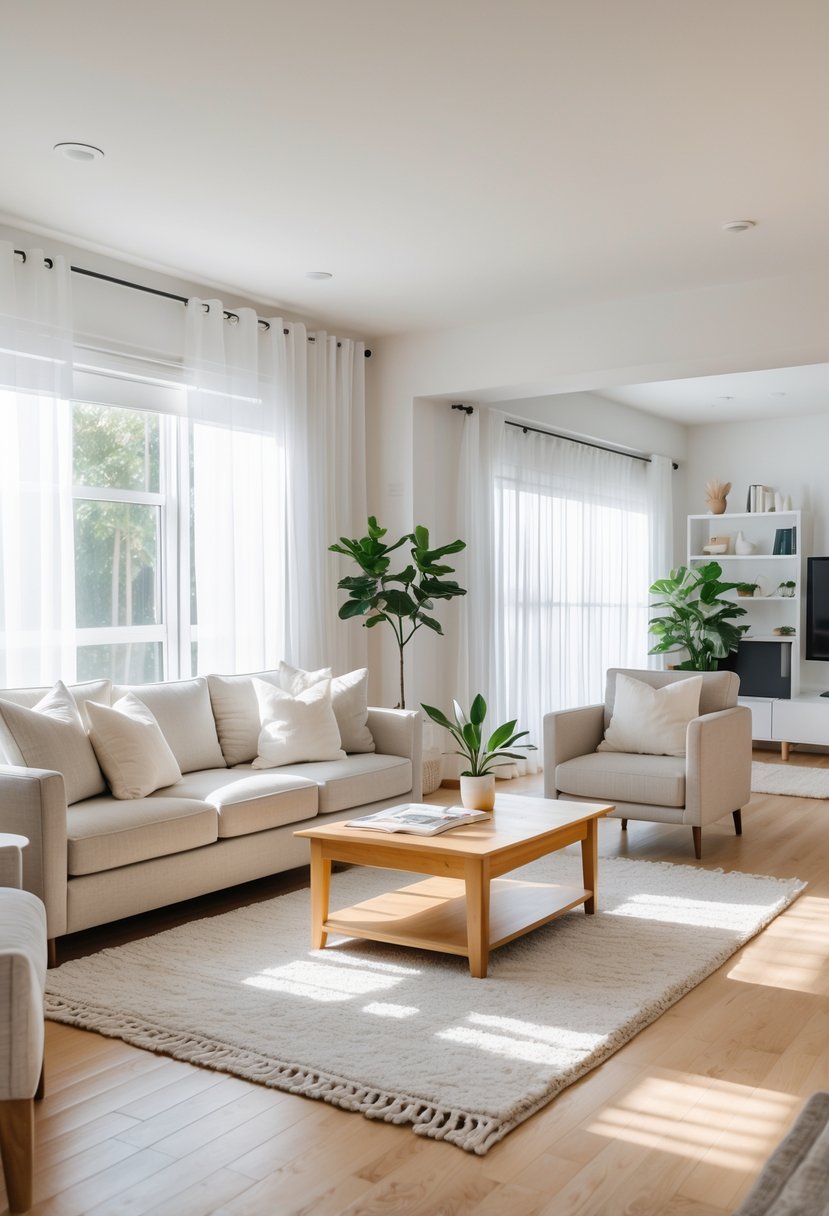
Let’s walk through a few easy steps to prep the space, move furniture for better flow, and add winter-friendly touches that don’t scream “holiday.” I’ll throw in some practical tips on lighting, textiles, and those finishing touches that make the room feel cozy but not cluttered.
Clearing Holiday Decor And Preparing Your Space:
First up: pack away the decorations, clear the clutter, and give everything a quick clean so the living room feels calm and ready for whatever winter throws at you. Store things neatly, declutter with a purpose, and give the place a short deep clean—future-you will thank you when it’s time to decorate again.
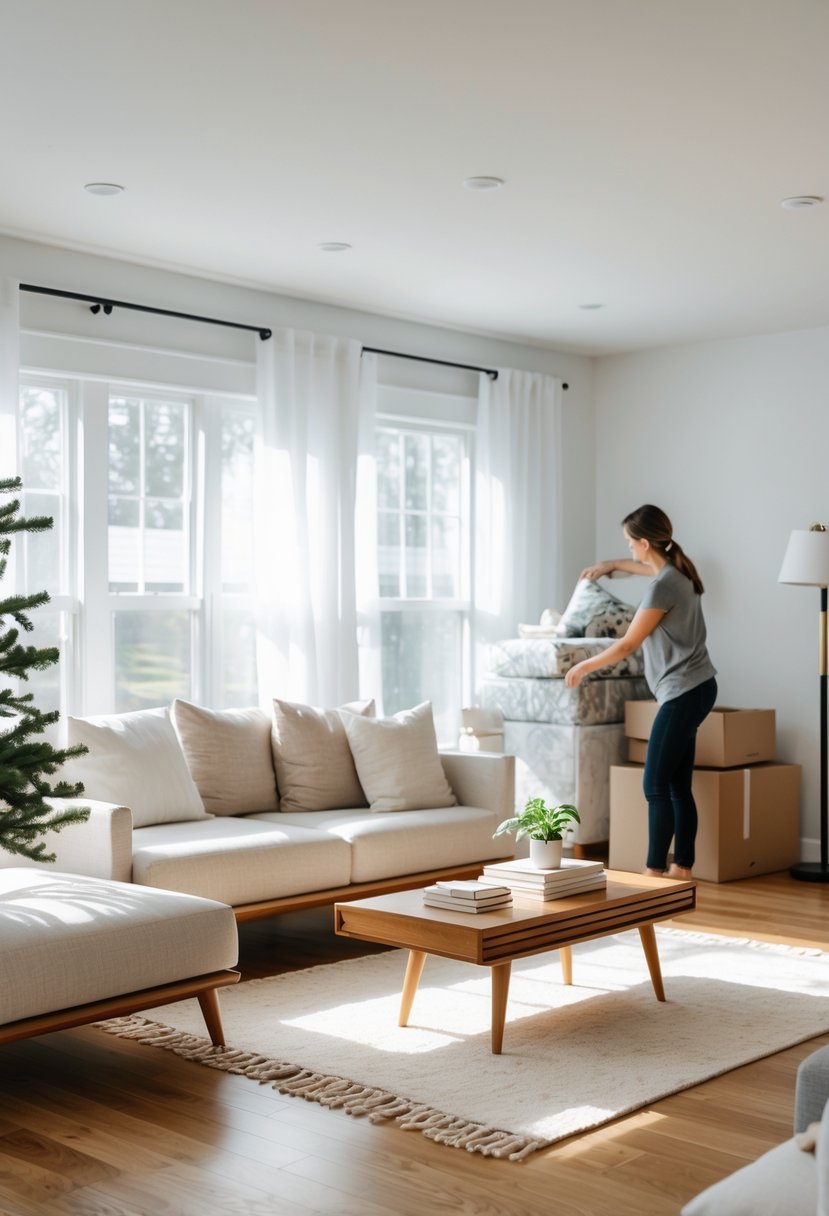
Efficiently Packing Away Christmas Items:
Sort everything by type and how fragile it is before you start packing. Clear bins work well for ornaments, small labeled boxes for lights, and sturdy boxes for things like wreaths. If you’ve got breakables, wrap them up in tissue or bubble wrap—egg cartons work surprisingly well for small stuff.
Label every container with the room and what’s inside, like “living room ornaments — red” or “mantel greenery.” Wind up your lights around cardboard or a reel (seriously, it saves so much time next year). Stash seasonal textiles—tree skirts, themed pillows—in breathable bags so they don’t get musty.
Put the stuff you’ll want first on top. Jot down what’s in each bin, either on the lid or in your phone. You’ll be glad you did when it’s time to swap things out again next season.
Decluttering and Organizing the Living Room:
Pull out anything that’s strictly “Christmas” and decide if it’s worth keeping, donating, or tossing. Start with obvious spots—mantel, coffee table, shelves—then check hiding places like ottomans and bookcases. It’s wild how fast the room feels lighter.
Group similar things together: books, blankets, candlesticks, greenery. Rethink where stuff lives—throws you actually use should be within reach, while off-season decor can disappear into a bin. Keep pathways open; if you can’t carry a tray of mugs through, it’s too crowded.
If your furniture got shuffled for the holidays, now’s the time to move it back (or try something new). Neutral pieces and a few winter greens help the space feel neither empty nor overdone.
Deep Cleaning For A Fresh Start:
Vacuum or sweep under and behind furniture—there’s always a stray ornament or pine needle lurking. Treat upholstery with a fabric-safe cleaner, and spot-clean any mysterious stains on rugs or cushions. Give throws a quick shake or steam if they stayed out all season.
Dust off shelves, frames, and the mantel before you put anything back. Wipe down lamps, switches, and remotes—somehow, they always get sticky. Clean the windows and mirrors to let in more light and make all those winter textures stand out.
Air out the room for 15–30 minutes to ditch any lingering scents from packed-up decor. It gives everything a reset and sets the stage for your next round of winter coziness.
Rearranging Layout And Revitalizing The Room:
Now’s your chance to move things around, open up the floor a bit, and swap out some textiles so the room feels fresh. The right furniture placement, clear walkways, and a good rug can totally shift the vibe.
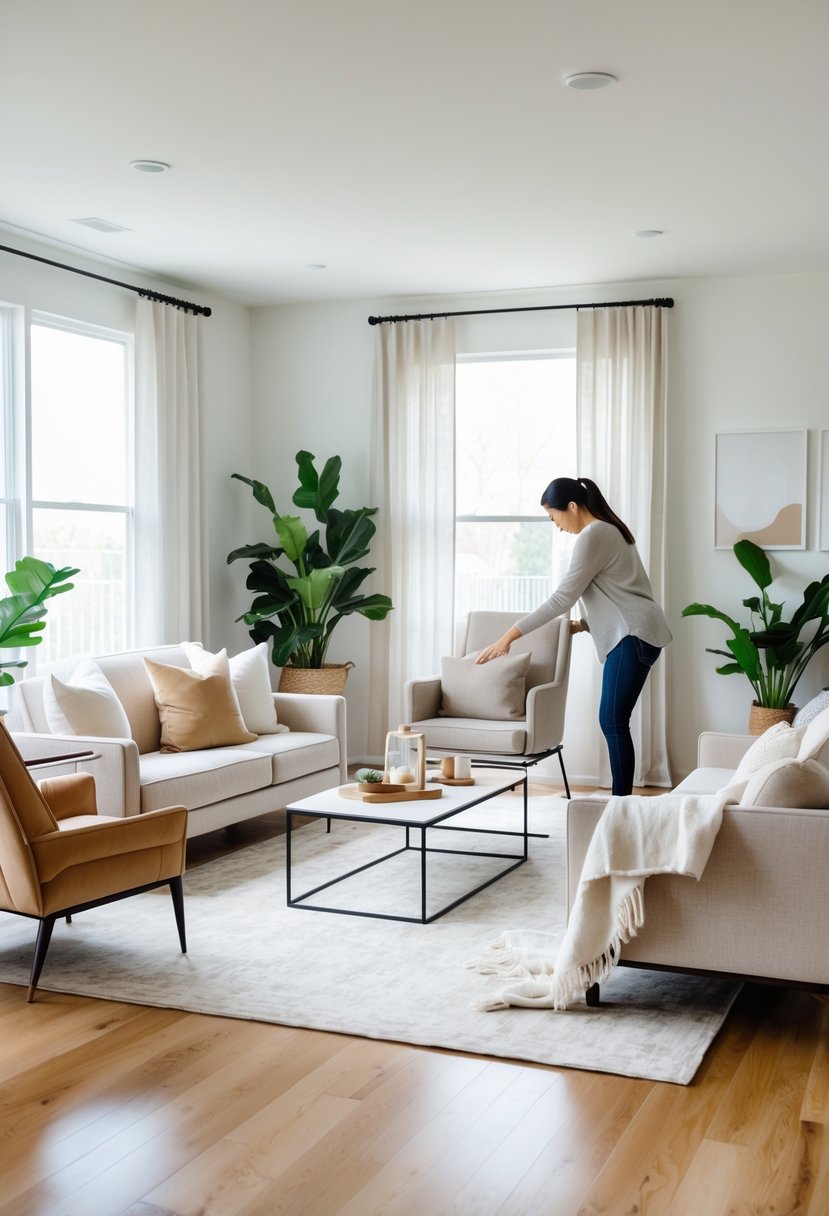
Reimagining Furniture Placement:
Pick your focal point—maybe it’s the fireplace, a big window, or the TV—and arrange seating to face it. Start with the biggest piece (usually the sofa), then layer in chairs and tables so people can chat without twisting awkwardly. Try to leave 24–36 inches between pieces so you’re not squeezing through gaps.
If your sofa’s been hugging the wall, pull it out by a foot or so for a softer, more inviting setup. Stick a narrow table behind it for lamps or a spot to drop your keys. Move heavier pieces like bookcases to a less central wall to lighten things up.
Think about multiuse pieces—an ottoman with storage instead of a coffee table, maybe? Don’t be afraid to live with a new layout for a day or two; you’ll notice what works (and what doesn’t) once you’re actually using the space.
Balancing Open Space And Functionality:
Clear the main walking paths first—nobody wants to dodge furniture just to sit down. But don’t leave the floor so empty it feels weird. Keep a comfy area in front of the seating for a coffee table or ottoman, and leave about 18–24 inches between seats and tables for easy movement.
If your living room does double-duty, carve out little zones—a reading nook with a lamp and table, a TV area, maybe a play corner with a storage basket. Use lighting or a skinny console to separate spaces without blocking the flow.
Make sure every seat has somewhere to set a drink and a light for reading. That’s the sweet spot: practical, comfortable, and not overcrowded.
Refreshing Area Rugs For Warmth:
Pick a rug that actually fits your seating area—at least the front legs of your sofa and chairs should sit on it. That way, everything feels pulled together and cozy.
Swap out any holiday-themed rugs for something neutral or textured. If your current rug is too small, layer a bigger neutral one underneath or just upgrade to a larger size. For busy areas, low-pile rugs that are easy to clean are a lifesaver.
Center the rug on your main seating area and line up the edges with your furniture. If you’re not ready to splurge on a new one, try rotating what you have or add a runner near the door to freshen things up and protect the floors.
Incorporating Winter Decor and Cozy Elements:
Focus on adding warmth, natural accents, and a handful of seasonal pieces that feel wintry (not Christmas-y). Go for cozy textiles and little bits of decor that bring in texture, light, and a calm palette—basically, make it somewhere you want to curl up.
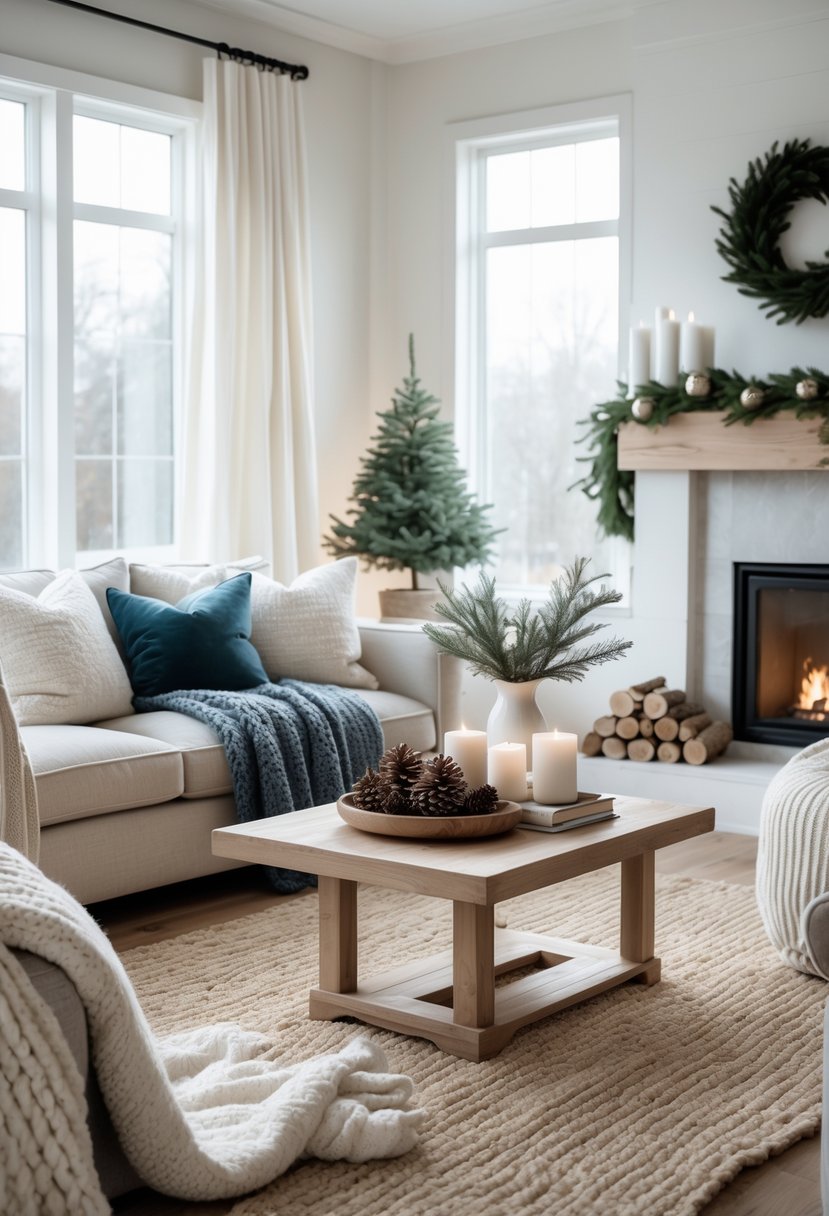
Selecting Throw Pillows And Layered Blankets:
Mix up your pillows—different textures and sizes keep it interesting. Maybe two medium neutrals per seat, then a smaller accent pillow with a pop of velvet or a subtle pattern. You want depth, not a pillow avalanche.
Toss blankets over the sofa arm or drape one across the back of a chair. A chunky knit on the sofa, a soft wool throw on the loveseat—mix it up. Stick to a tight color palette: warm gray, cream, deep navy, maybe a muted green, so it all feels cohesive.
Washable covers are a lifesaver, especially if you have pets or kids. Medium-fill inserts bounce back better. Switch up where things are placed every week or so to keep the look fresh.
Bringing In Cozy Textures And Wool Throws:
Go for touchable fabrics—wool throws, faux sheepskin, or anything that’s just begging you to sit down. Drape a thick wool throw over a chaise or toss a sheepskin on an armchair. Even a little sheepskin rug by the sofa can make chilly mornings better.
Don’t be afraid to mix it up: velvet pillows, chunky knits, woven wool lumbar cushions. That contrast keeps the room from feeling flat. For stuff that gets a lot of use, pick wool blends or nice faux fur that won’t get matted after a week.
Use texture to give purpose to different areas. A wool throw on a reading chair basically says, “come relax here.” When the weather warms, swap heavier blankets for lighter layers.
Choosing Natural Elements And Faux Greenery:
Bring in some nature that doesn’t scream “holiday.” Preserved eucalyptus, a bare wreath, or a vase of branches adds life without the Christmas vibe. Pinecones or a bowl of birch logs on the coffee table? Subtle, but it works.
Faux greenery is great if your room’s a bit dark. Go for realistic faux pine or eucalyptus—matte finishes look less plastic. Stick them in tall vases, lay them across the mantel, or weave a garland along a shelf.
Mind the scale: big branches in tall vases for high ceilings, smaller bunches for side tables. Don’t overdo it—one or two natural accents per room is plenty.
Integrating Winter Decorations For Seasonal Charm:
Pick a couple of wintery items that don’t feel like leftover Christmas. LED string lights in a glass jar or across a mantel add a soft glow. Metallic touches—brass trays, silver votives—reflect light and warm things up.
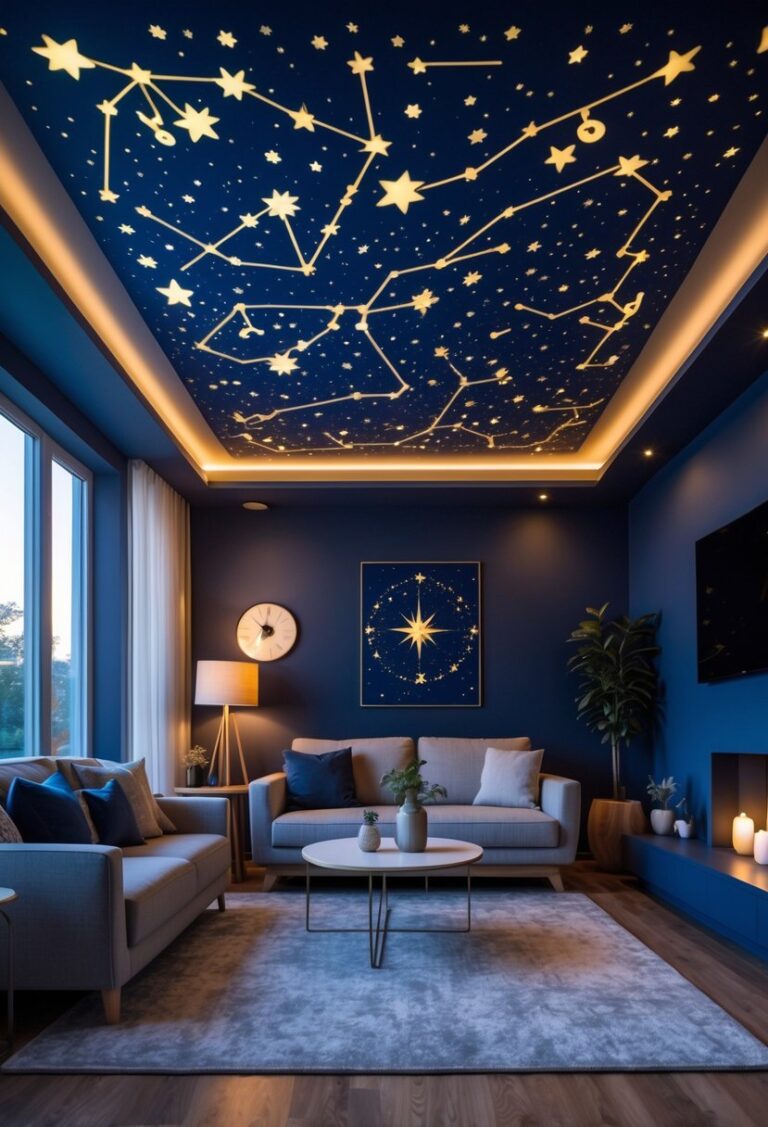
Lean into winter motifs: paper snowflakes in the window, a star-shaped LED on a shelf, or a cluster of white ceramic houses. Keep the colors cool and soft—whites, pale blues, warm neutrals—to keep things calm.
Don’t go overboard. Two to five small winter decorations, spaced out, is enough. Repurpose neutral pieces from your holiday box and keep anything super festive tucked away until next year.
Enhancing Ambiance With Lighting And Finishing Touches:
Lighting can make or break the mood. Focus on warm, layered light—think lamps, overheads, and little accent spots—so the room feels lived-in and peaceful after the holiday blitz. Even small tweaks, like swapping a bulb or moving a lamp, can totally change the vibe.
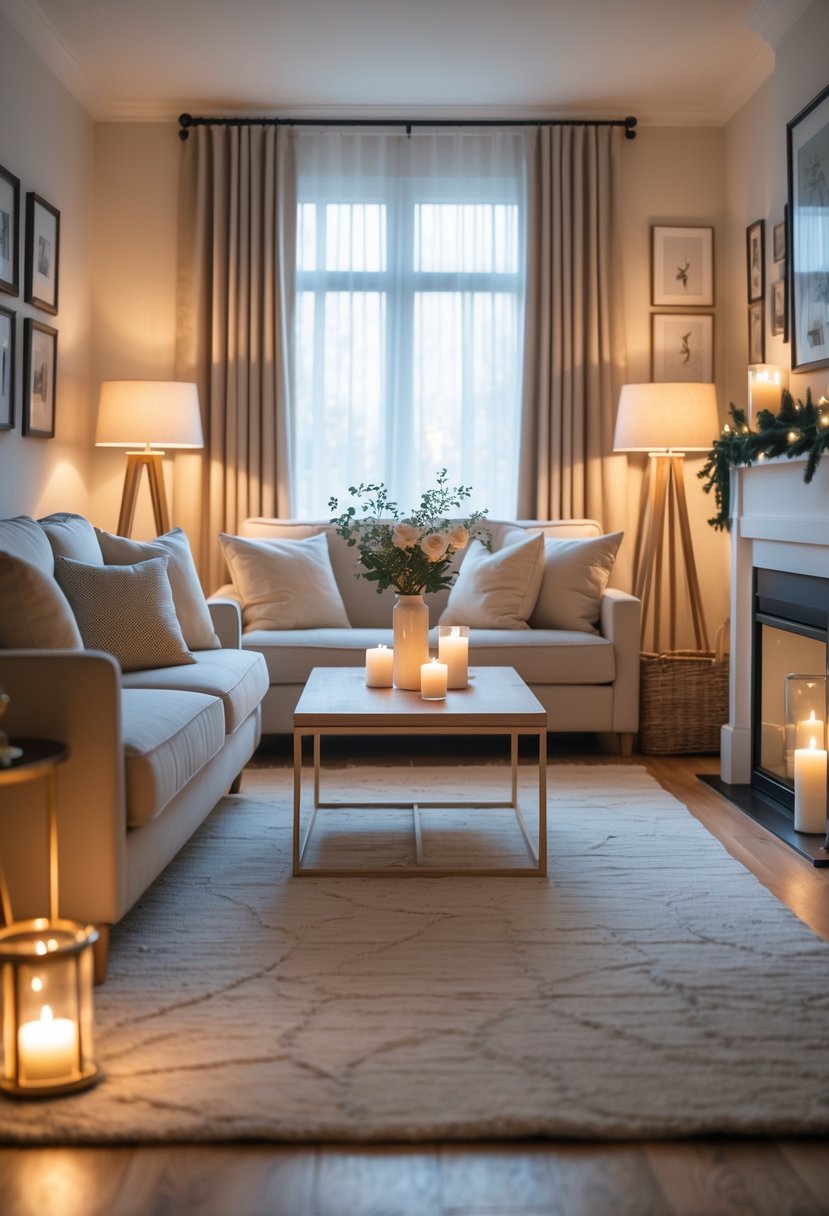
Layered Lighting For A Warm Atmosphere:
Try mixing three types: ambient (for overall glow), task (for reading or hobbies), and accent (to show off art or shelves). Maybe an overhead fixture or a big lamp for ambient, a floor lamp by the sofa for reading, and a couple of accent lights on bookcases or frames.
Pick bulbs in the 2700K–3000K range for a cozy color. If you can, add dimmers to a couple of circuits so you can dial it up or down. Odd numbers work well—three light sources in a seating area feels balanced but not crowded.
Utilizing Table Lamps And Wall Sconces:
Table lamps are a quick way to add light and atmosphere—especially when guided by modern living room lighting ideas. Set one on a side table by the sofa for reading, and another on a console by the door to welcome you in. Use shades that soften the light, and pick warm bulbs—nobody wants hospital lighting at home.
Wall sconces free up space and can frame a fireplace or TV. Go for models that throw light both up and down for softer layers. Hardwired sconces look clean, but plug-ins are great if you’re not ready for a big project. Try to match the sconce finish to your existing hardware for a pulled-together look.
Ambient Lighting To Combat Winter Darkness:
When daylight disappears early, ambient lighting really steps up. Try mixing ceiling fixtures, recessed cans, and maybe a big floor lamp or two to bump up the overall brightness. Keep the main light source on the softer side—harsh lighting just kills the cozy vibe, doesn’t it?
Honestly, smart bulbs or timers can be a game changer, syncing lights to your evening routine so you don’t have to flip switches all afternoon. Slipping some low accent strips behind the TV or under shelves helps with eye strain and keeps things warm and inviting, especially when it’s pitch black outside by 5pm.
Frequently Asked Questions:
This is where you’ll find actually useful, step-by-step answers for clearing out holiday clutter, moving furniture around, and picking colors, lighting, and focal points that give your living room a fresh start. The focus is on stuff you can do right away, not just theory.
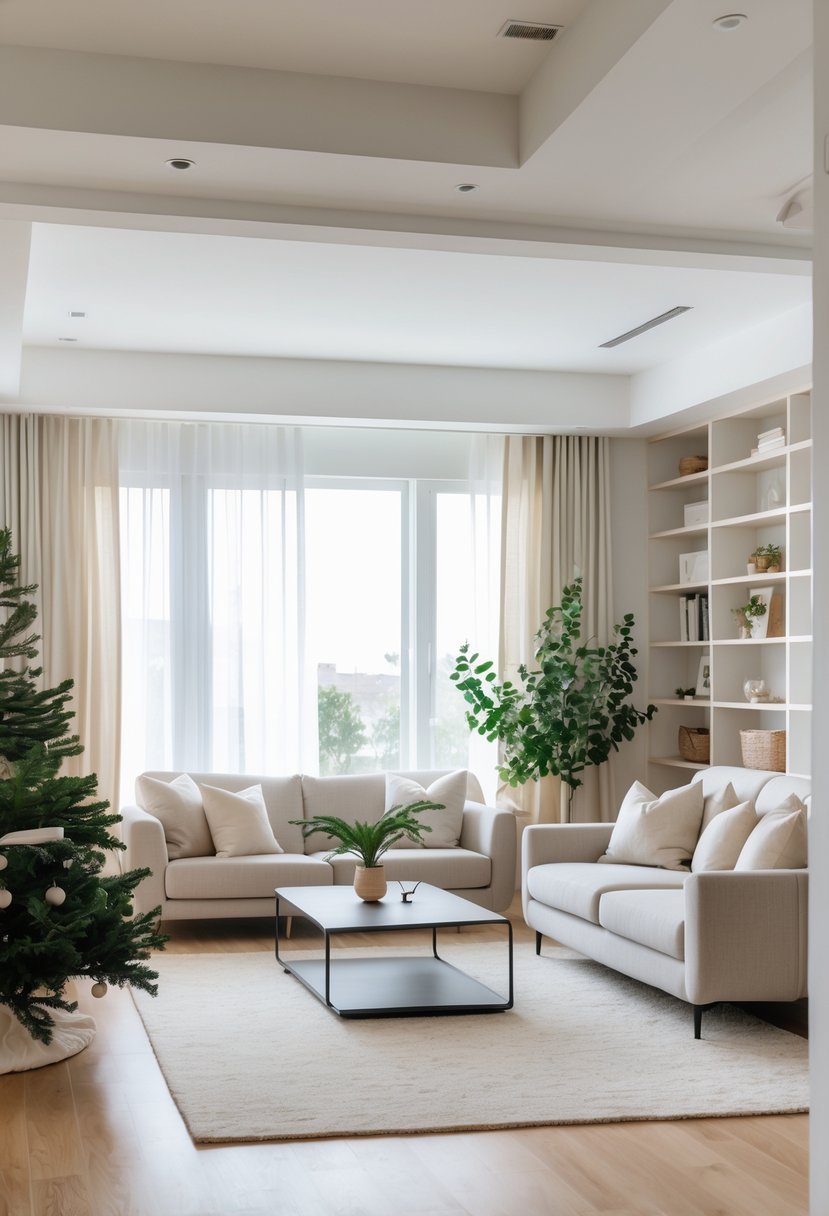
What are the best strategies for rearranging a living room post-holiday season?
First off, pull out all the seasonal stuff and sort what’s left—keep, donate, toss. Suddenly, you can see the room’s real size again. It’s kind of satisfying.
Measure your biggest pieces and sketch a quick floor plan (paper or an app, whatever’s handiest). This way, you’re not shoving the sofa around a dozen times for nothing, and you’ll keep walkways wide enough—30 to 36 inches is usually comfy.
Anchor your seating with a rug that fits all the front legs or at least the main group. If you’ve got space, try pulling the sofa off the wall a bit—it can make conversation zones feel more natural and the room less boxy.
Don’t go wild with endless layouts. Test one or two. Maybe angle an accent chair at 45 degrees, make sure the light actually reaches where you’ll be sitting, and see how it feels.
Which design principles should guide the redecoration of a living room after Christmas?
Try to balance out the room—mix bigger and smaller items across the space so it doesn’t feel lopsided. If all your heavy stuff is on one side, it just looks off.
Pick a simple color palette—two or three tones max—to swap out all those holiday reds and greens. Neutral throws and maybe a couple accent pillows can tie it together without much fuss.
Figure out your focal point, whether it’s the fireplace, TV, or a big piece of art, and aim your seating that way. Keep decor around it low and open so you don’t block the view or make things feel cramped.
Layer your lighting—overhead, task, accent. Warm bulbs make everything feel less sterile, and a floor or table lamp by a reading chair is always a good call.
How can I create a balanced living room layout without holiday decorations?
First off, try retracing the main walkways—from the doorway to your sofa, kitchen, or wherever people actually go. If you’re bumping into a coffee table or tripping over a rug, something’s gotta move.
Arrange furniture in little zones that make sense for how you live: maybe a spot for chatting, a cozy reading corner, or a place to binge-watch your favorite show. Every area should feel like it has a reason to exist, and honestly, a lamp or some kind of light makes a big difference.
Stash any leftover holiday stuff and random bits in bins, baskets, or a console with drawers. Even if you’re not a neat freak, it’s just easier to keep things from piling up. Plus, next time you want to swap out decor, you’ll know where everything is.
And hey, toss in a plant or a few fresh flowers if you want the place to feel alive. It’s a lot more inviting than leftover tinsel, right?