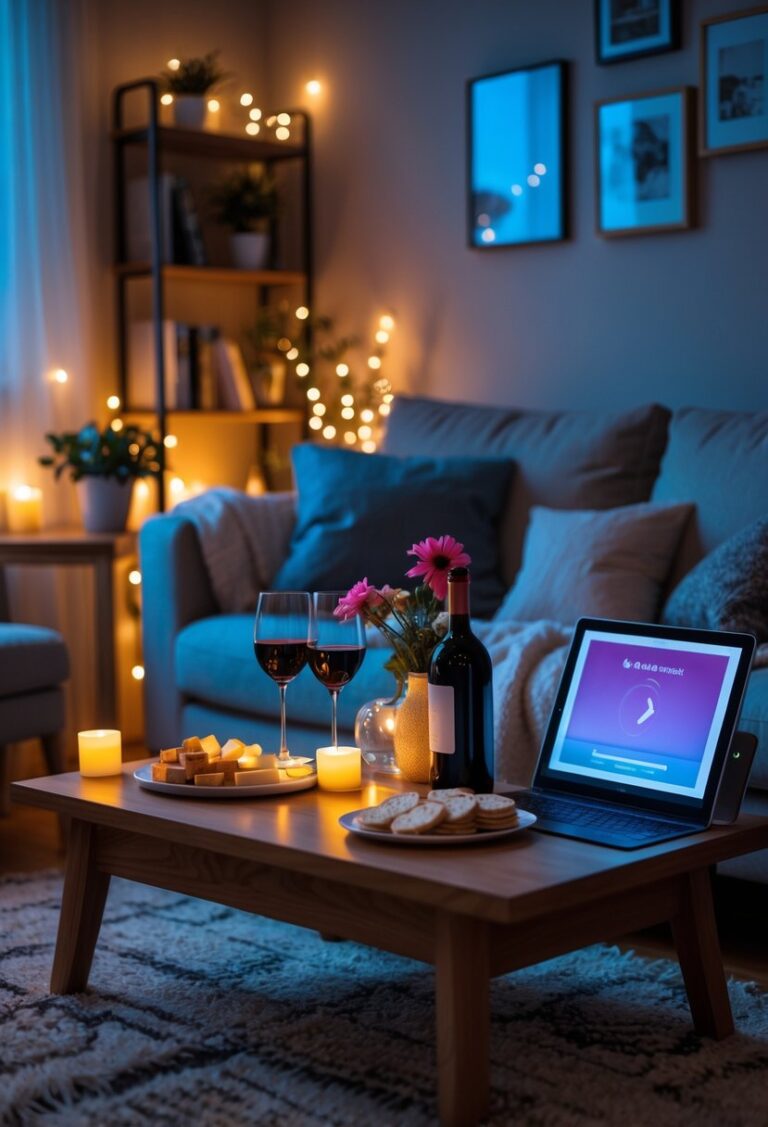
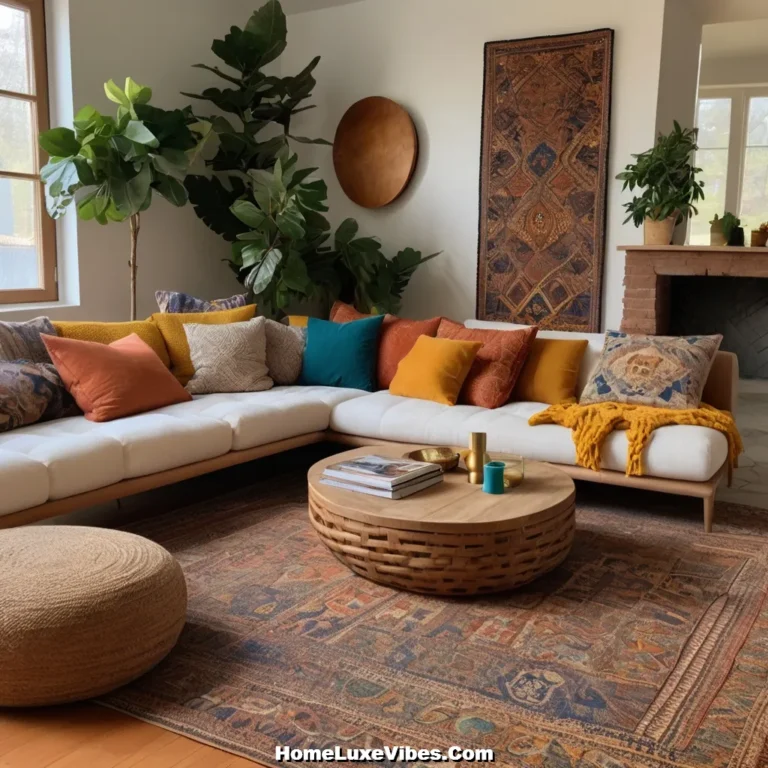
Your FunHaus Awaits: Joyful & Lived-In Living Room Ideas to Fall in Love With
So you want a living room that feels playful, but not like a kid’s playroom exploded. FunHaus is all about mixing bold stripes, sculptural shapes, and these carefully chosen color pops with chill neutrals—so it feels lively and stylish without tipping into chaos.
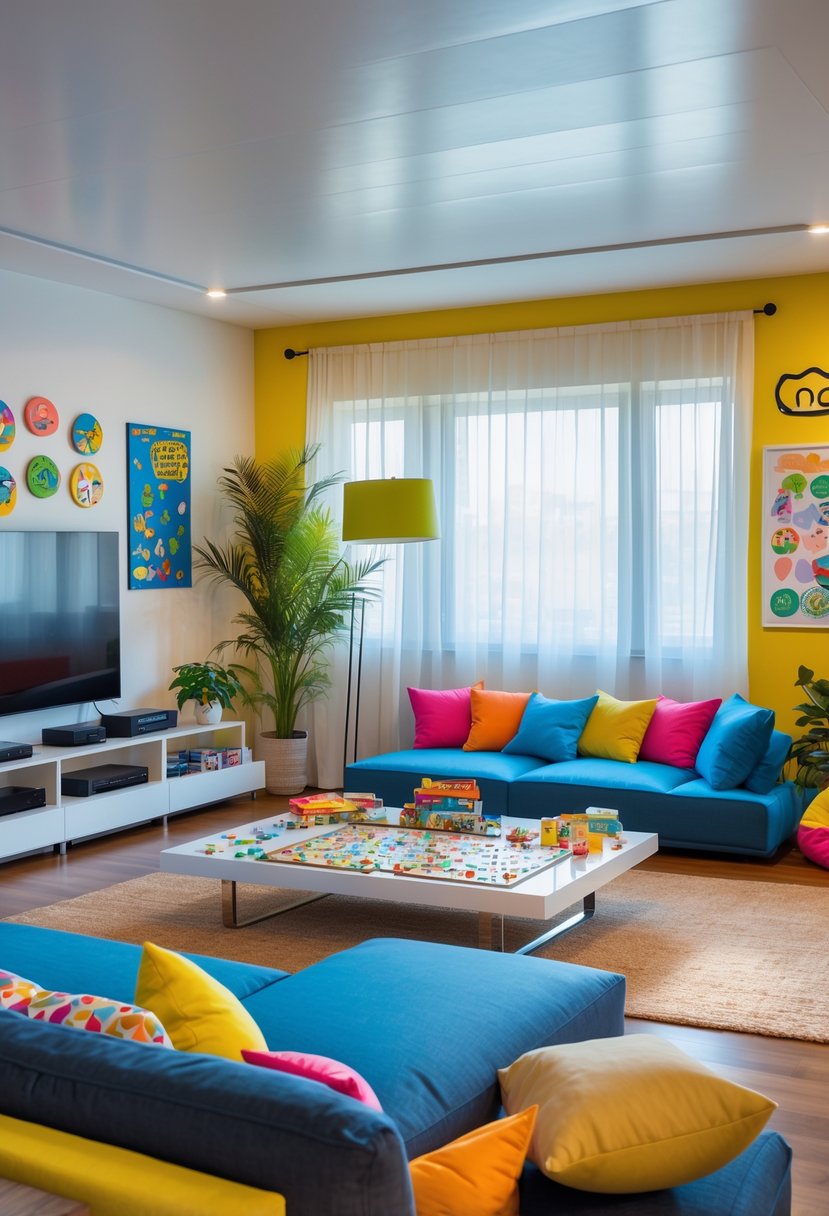
Try building your FunHaus living room from a neutral base, then add one or two bold pieces—maybe a striped rug, a curvy sofa, or a wild pendant light. That way, things look intentional and not just thrown together.
This post gets into how to define the FunHaus style, pick colors and textures, use sculptural furniture and theatrical lighting, and sprinkle in some practical decorating tips so your space stays fun but actually livable.
Defining FunHaus Living Room Style:
FunHaus living rooms lean on bold, playful elements set against calm, functional backgrounds. You’ll see sculptural furniture, graphic patterns, and bright little accents, but the big stuff stays neutral. The vibe is expressive, not overwhelming—like, you want to hang out there, not just look at it.
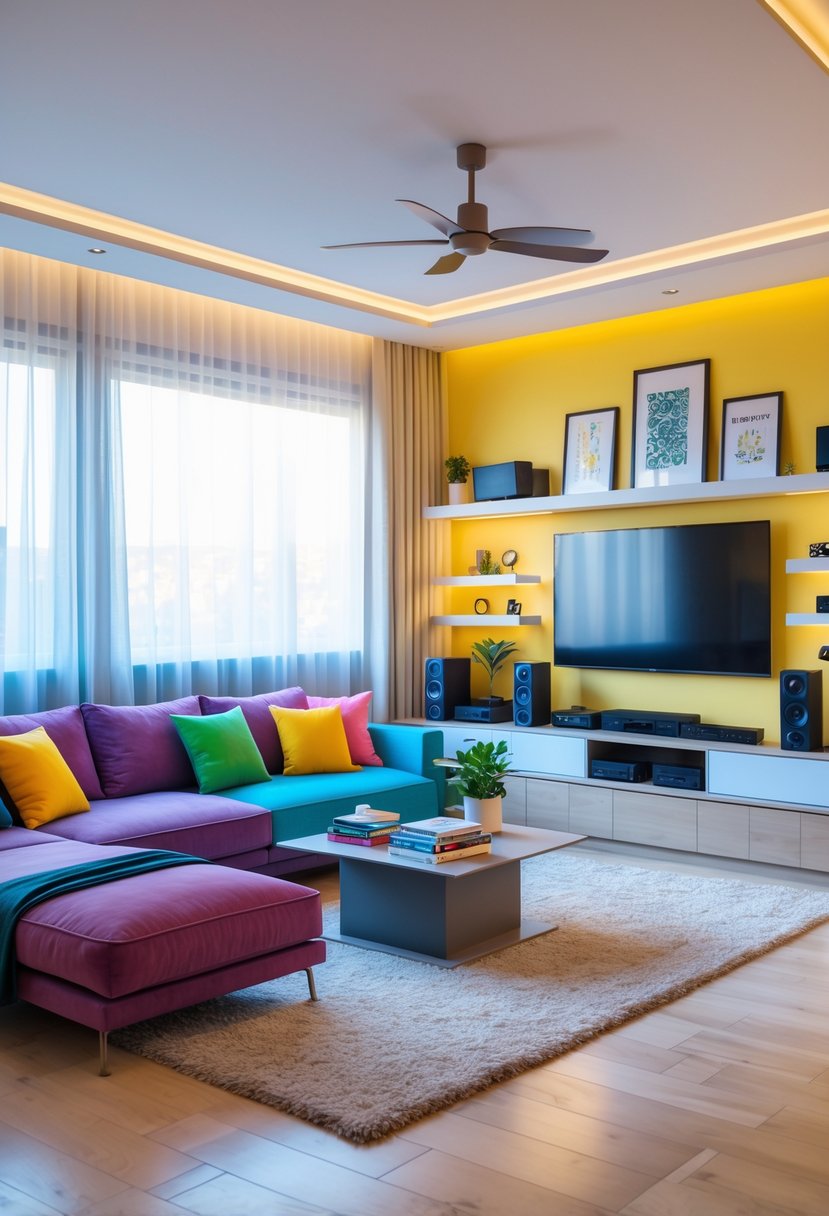
What Sets FunHaus Apart from Traditional Farmhouse?
Where farmhouse is all about rustic textures and soft, muted colors, FunHaus dials up the drama with playful shapes and color. Farmhouse usually means reclaimed wood, shiplap, and cozy linens. FunHaus swaps some of that for a curved sofa, fluted side tables, and maybe a harlequin or stripe pattern on a rug or pillow.
The difference is pretty clear in what you notice first. Farmhouse might highlight a simple mantel or a chunky wooden table. FunHaus? It’ll probably hit you with a wild lighting fixture or a huge patterned rug. You’ll still see painted wood and woven stuff, but now they’re more like the backup singers, not the stars.
Balancing Whimsy and Structure:
Don’t go overboard with the playful stuff—pick a few things that really pop. Maybe a sculptural chair, a statement chandelier, and a bold rug. Everything else? Keep it pretty chill with neutral walls, simple upholstery, and steady textures to give your eyes a break.
Stick to a clear color palette and repeat colors here and there so it feels pulled together. Like, coral pillows, a mint throw, and a couple of vases in those same tones. And don’t crowd the room with too many “look at me!” pieces. Comfort and function still matter—especially if you’ve got kids or pets or, you know, a life.
Integrating Farmhouse Aesthetic with Playful Accents:
Mixing farmhouse with FunHaus is honestly a sweet spot—warm and homey, but with a wink. Keep the farmhouse basics: wide-plank floors, neutral paint, open shelving. Then toss in a FunHaus surprise or two. Maybe a velvet accent chair with curves, a striped runner, or a fluted lamp sitting on an old wood table.
Textiles are the easy way in—try harlequin pillows or a striped rug on a plain linen sofa. And lighting? Major impact. Hang a globe chandelier over your farmhouse coffee table and see what happens. You get the comfort of farmhouse style, but with little moments of joy that feel intentional, not random.
Key Elements of FunHaus Living Room Design:
FunHaus rooms are all about a few bold choices: one sculptural furniture piece, patterned accents that grab attention, and lighting that’s basically art. You want each thing to stand out against a relaxed background, so it feels playful but not busy.
Sculptural and Unique Furniture:
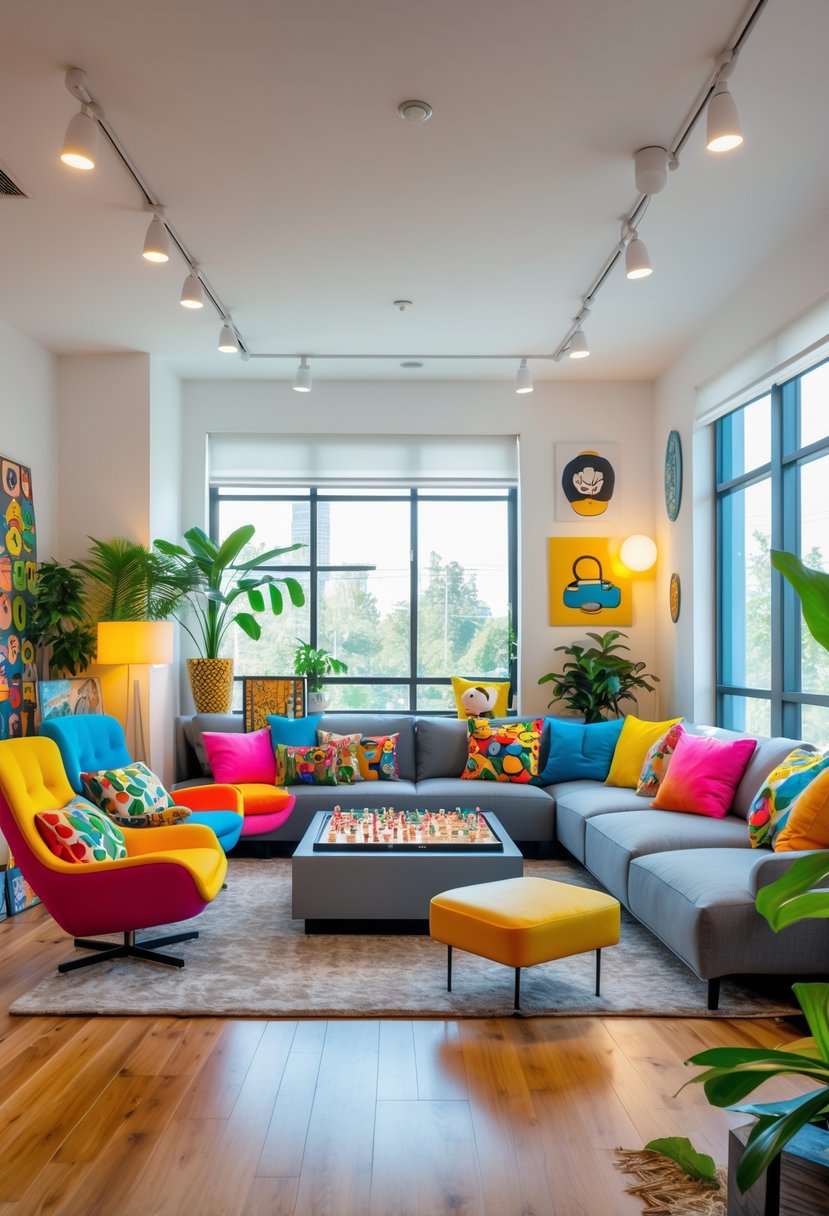
Pick one focal piece that has some attitude—like a curvy accent chair or a modern chesterfield with a quirky silhouette. A single curved sofa or a fluted wood coffee table can set the whole vibe.
Balance that with practical stuff: plush cushions on the sofa, a low wooden coffee table, and shelves or built-ins to hide the clutter. Keep the rest of the lines simple so that statement piece really shines.
Mix up your materials a bit. Velvet or leather on the sofa, matte wood for tables, and maybe a patterned rug to define the space. Accent chairs should be bold, but don’t let them block walkways—nobody wants to trip over your style.
Bold Patterns and Accent Walls:
Patterns are best in small doses. Try a patterned rug or harlequin pillows instead of going wild everywhere. An accent wall with stripes or funky wallpaper can add a ton of energy without making things feel cluttered.
Shiplap is a great neutral backdrop for all the bright stuff. Paint one shiplap wall a soft neutral and let your patterned textiles do the talking.
Put patterns where they’ll get noticed—behind the sofa, under the coffee table, or on throw pillows. Try to keep about 40% of the room neutral—walls, big furniture, or the floor—just to keep things from getting too wild.
Lighting as a Statement Feature:
Lighting should be a showstopper. Go for a globe chandelier or a cool pendant above your seating area—something with a bit of drama. Wall sconces next to built-ins or the sofa add another layer and a little bit of theater.
Pick fixtures that echo the shapes in your room. Rounded lamps if you’ve got curvy furniture, or something linear if you’ve got lots of stripes. Dimmers are your friend—bright for parties, soft for movie nights.
Don’t be afraid to mix it up: a statement chandelier over the coffee table, table lamps by your reading chair, sconces flanking a gallery wall. Layering light makes the whole room feel more interesting and cozy, without relying on just one big fixture.
Color Palettes, Textures, and Materials:
Here’s where you build your calm base, add some playful color, and pick wood and reclaimed pieces that actually work with FunHaus style. We’ll talk paint, fabrics, and where to sneak in natural materials for the most impact.
Curating a Neutral Color Foundation:
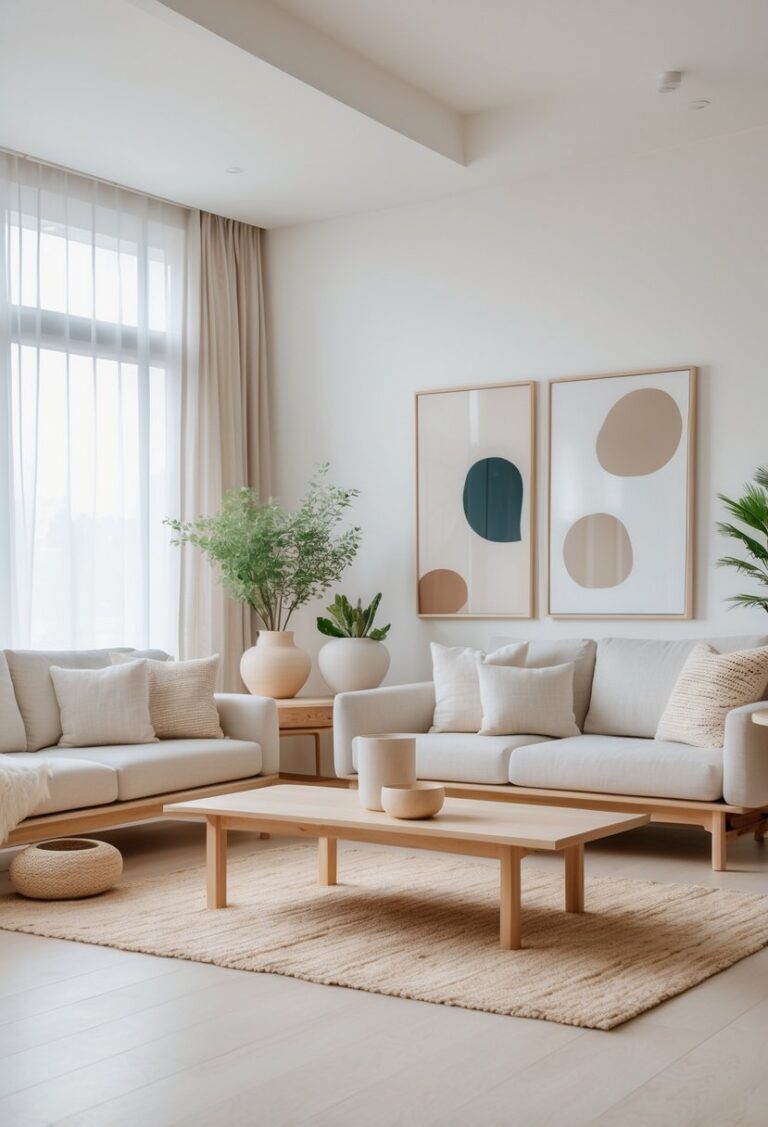
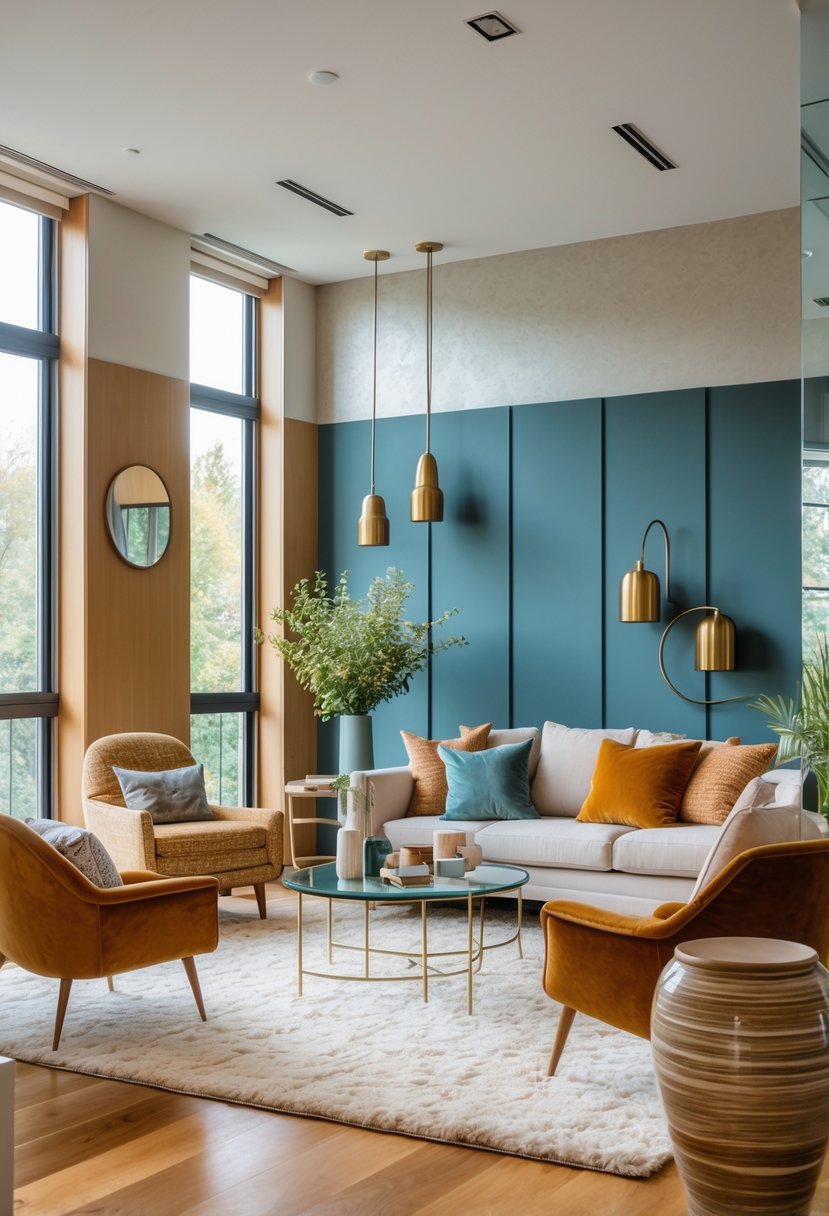
Start with a neutral palette for your walls and big furniture so your bold stuff can actually stand out. Warm whites, soft greiges, or light taupes are all solid for walls. Try a warm white near windows, maybe a greige on the shadier walls—sometimes those cold undertones can really mess things up.
Stick to neutral textiles for the big stuff—sofas, rugs, built-ins. Linen, cotton-linen blends, or tightly woven wool all work. Sheer curtains in off-white or cream keep things light, especially if you’ve got high ceilings or a stone fireplace.
Roughly 40% of what you see should stay neutral: walls, ceiling beams, or a big rug. This gives your patterned rug, harlequin pillows, or sculptural chair a chance to shine instead of getting lost in the noise.
Mixing Vibrant and Muted Tones:
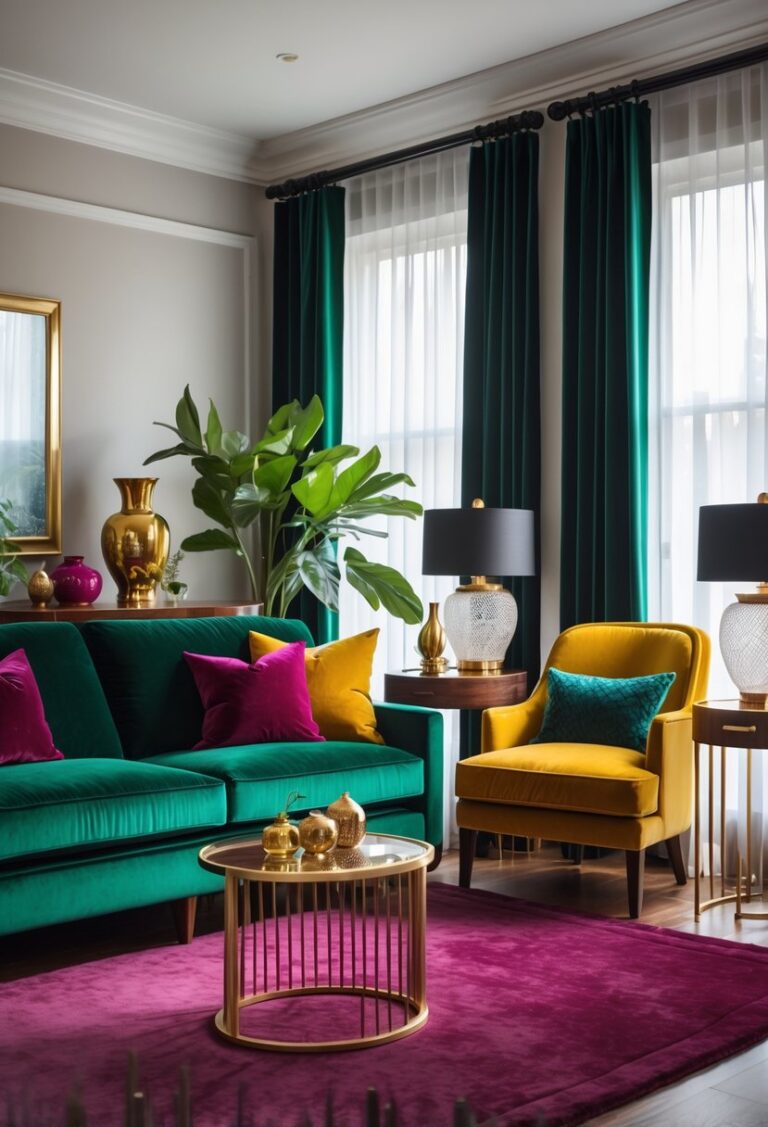
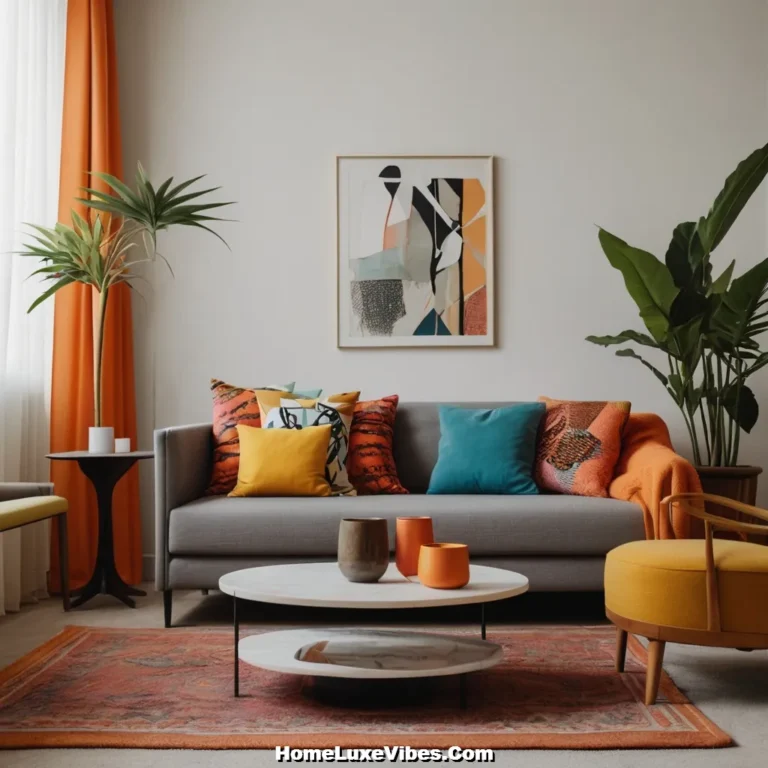
Add color with intention, not everywhere. Choose two main accents—a saturated coral or deep purple for a statement chair, maybe a muted mint or soft yellow for smaller things. Repeat these in pillows, throws, or maybe one accent wall.
Balance the loud stuff with muted tones. Pair a bright striped rug with velvet cushions in dusty pastels. Only one bold piece per sightline—like, don’t put the wild lamp right next to the wild table. Let each thing have its moment.
Layer in texture to tone down bold colors: boucle cushions, matte ceramics, and silk-blend throws can keep things from feeling too harsh. And honestly, test your swatches near the fireplace or under beams—the light changes everything.
Incorporating Natural Wood and Reclaimed Materials:
Bring in natural wood to ground all the color and pattern. A rustic coffee table in reclaimed wood can anchor your seating area without adding more pattern. Look for warm finishes—oak, walnut, or aged pine—so they play nice with both neutrals and brights.
Show off structure like beams or a vaulted ceiling by staining or whitewashing to match your base palette. Reclaimed wood shelves or a mantel above the stone fireplace add texture and a bit of history—makes the room feel like it’s got a story.
Use metals sparingly. Brass or matte black for lamps and fixtures works well with wood. If you’re renting, go for reclaimed-style furniture that’s freestanding—no need to commit to permanent changes just for a look.
Decorating Tips for an Inviting FunHaus Living Room:
Keep it grounded with clear anchor pieces, a limited color scheme, and spots for your eyes to rest. Use one sculptural furniture piece, patterned textiles, and a few accessories to make the room lively, not loud.
Layering Patterns and Textiles:
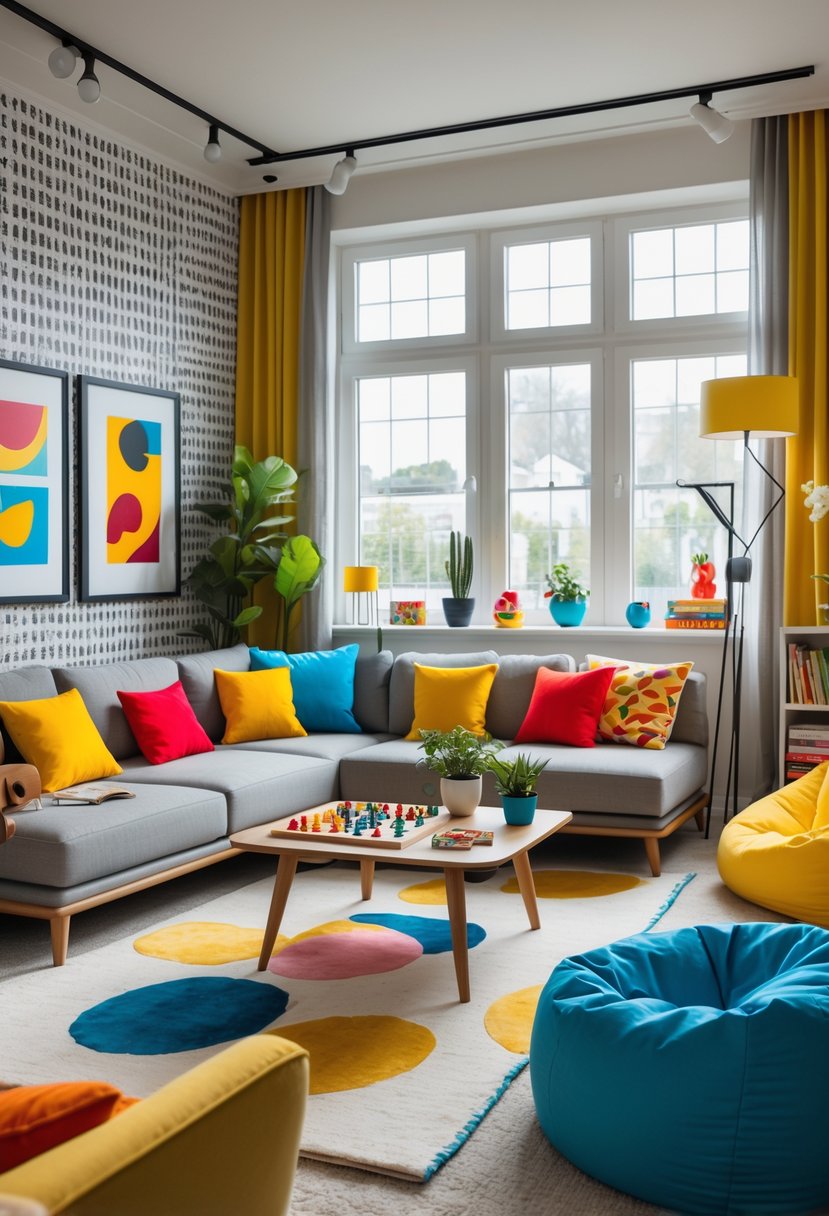
Start with a neutral sofa or a big, plain rug. Pick one bold pattern—harlequin, wide stripe, or geometric—for a rug or wallpaper, then add a smaller-scale pattern on pillows or a throw. Keep big patterns on big surfaces, small ones on accents. It’s a bit of a juggling act, honestly.
Mix up the textures for depth. Velvet cushion, woven throw, leather ottoman—don’t overthink it, just make sure things feel good. Stick to three main colors: one bold, one soft, one neutral. That way, your patterns don’t start fighting with each other.
Put patterned textiles where people actually hang out—sofa, armchair, window seat. Swap out pillows seasonally for a quick refresh. And, pro tip: get washable or removable covers if you’ve got kids, pets, or just a tendency to spill coffee.
Accessorizing with Farmhouse Decor:
There’s something inviting about mixing farmhouse pieces with those quirky FunHaus shapes—it just feels warmer, more lived in. Maybe grab a reclaimed-wood side table or a fluted pedestal; they really help anchor sculptural chairs or sofas. When it comes to farmhouse accents, I’d keep it unfussy: think a wooden tray, a stack of linen napkins, or maybe a ladder shelf for a bit of height.
Metal accents? Use them sparingly. Black iron or brushed brass looks great with playful silhouettes, but too much and it’s overkill. For lighting, a farmhouse sconce or a globe chandelier with simple lines does a nice job tying everything together. And hey, odd numbers just work—three vases, a single lamp, a stack of books. It’s a classic trick, but it never really gets old.
Honestly, farmhouse pieces should be practical, especially if you’ve got a busy household. Go for a sturdy wooden coffee table or slipcovers you can toss in the wash. I’d skip anything too frilly—these accents should mellow out the space, not fight with bold patterns or wild textiles.
Blending Indoor Plants and Greenery:
Plants are kind of magic for balancing color and texture, aren’t they? Tall ones like a Fiddle Leaf Fig or Kentia palm can make a corner feel taller, almost like you stretched the ceiling. Smaller plants—pothos, snake plant—work well on shelves or tables, breaking up busy patterns without much fuss.
When it comes to pots, stick to what feels right for the room: matte white, terracotta, maybe a soft pastel if you’re feeling adventurous. Mix up the heights—stands, stacked books, whatever you have—to keep things from looking too stiff. That way, you get these nice organic shapes that play off any sharp lines in your textiles.
Don’t forget about plant care, though. Low-light varieties are a lifesaver for rooms with tiny windows, and if you’re busy (who isn’t?), go easy on yourself with low-maintenance options. Group plants that like the same amount of water; it just makes life easier and keeps things looking tidy.
Frequently Asked Questions:
Here you’ll find straightforward tips for bringing a bit of Bauhaus into your living room—furniture picks, where to hang art, which colors to try. No fuss, just the good stuff.
How can I incorporate Bauhaus design principles in my living room decor?
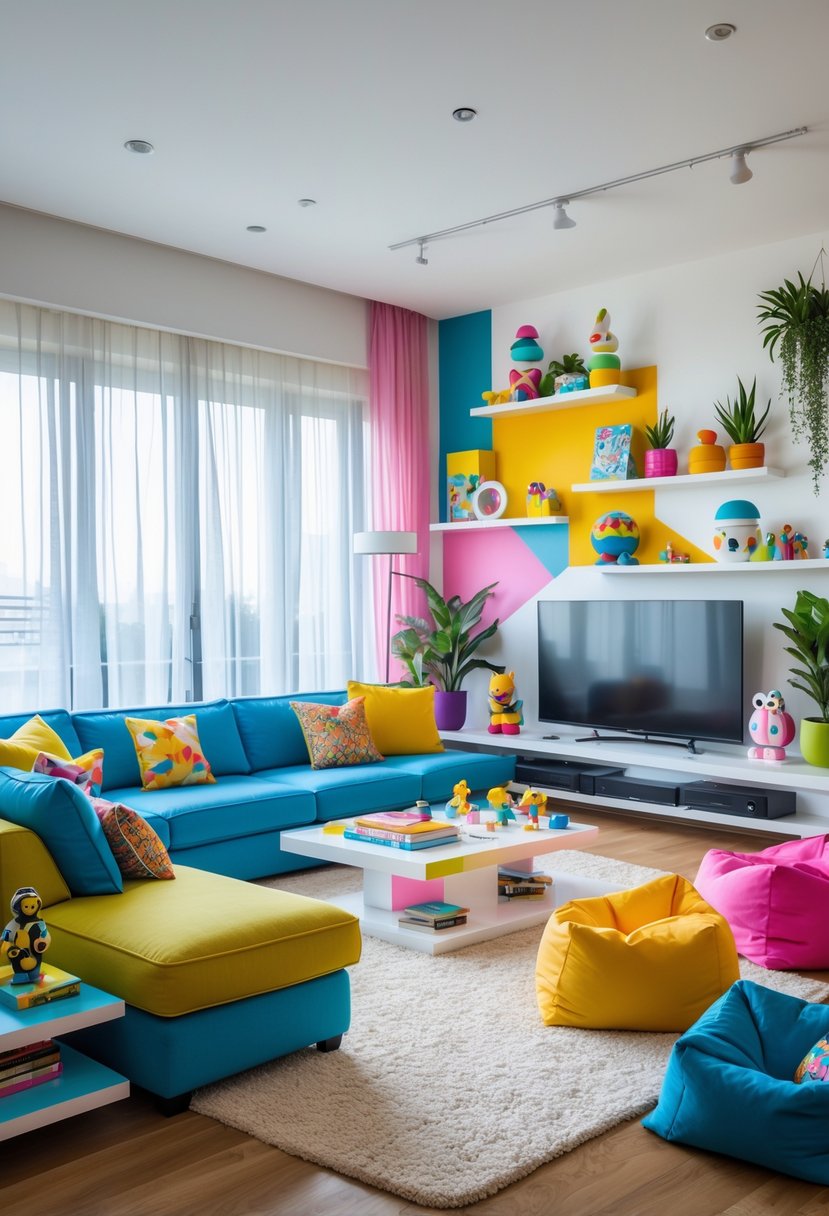
Stick with furniture that’s got clean, geometric shapes and functional lines. Metal, tubular steel, plain wood—those are your friends. A cantilever chair or a low, boxy sofa? Perfect.
Skip the extra ornamentation and focus on what works. Open shelving, modular storage, maybe a bench that doubles as a coffee table. It’s about utility, not clutter.
Let bold shapes breathe. Put a sculptural piece against a bare wall and keep the area around it simple—it’ll stand out more that way.
How can I add a Bauhaus-inspired art piece to enhance my living room aesthetics?
Look for art with basic shapes and crisp lines—circles, squares, strong diagonals. A print or canvas with big blocks of color fits right in.
Hang your artwork at eye level, maybe above the sofa or a console. Keep the surrounding decor minimal so the piece gets the attention it deserves.
Three-dimensional pieces, like metal wall sculptures or geometric shelves, can add some depth while sticking to that Bauhaus vibe of form meeting function. Why not give it a try?
What color schemes are best suited for a Bauhaus-themed living room?
Think primary colors—red, blue, yellow—alongside black, white, and gray, but don’t go overboard. A splash of one bold color, maybe on an accent wall or a standout chair, usually does the trick.
Big surfaces? Keep ’em neutral. White or light gray walls are classic, and then you can play with color on smaller stuff like rugs, cushions, or maybe a lamp that grabs your attention.
Honestly, mixing a single strong color with more muted shades feels right for balance. Imagine a navy sofa, a quiet gray rug, and just one yellow accent chair—enough contrast to keep things interesting, but it won’t shout at you every time you walk in.