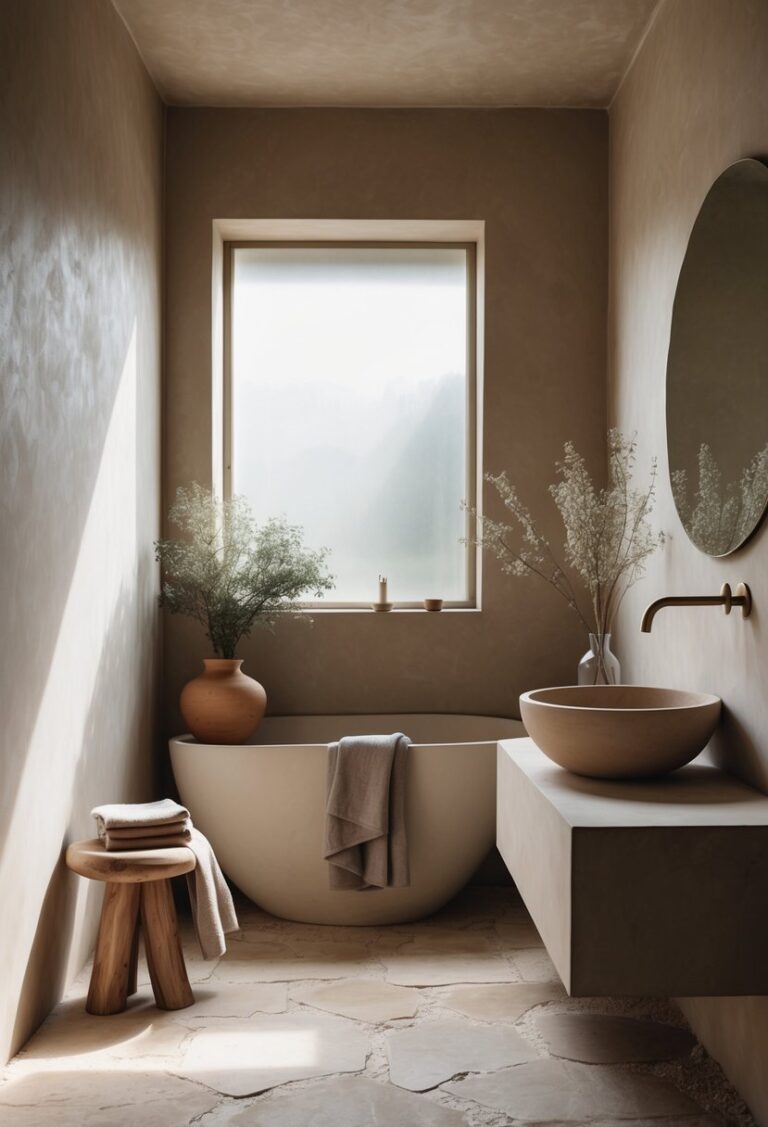
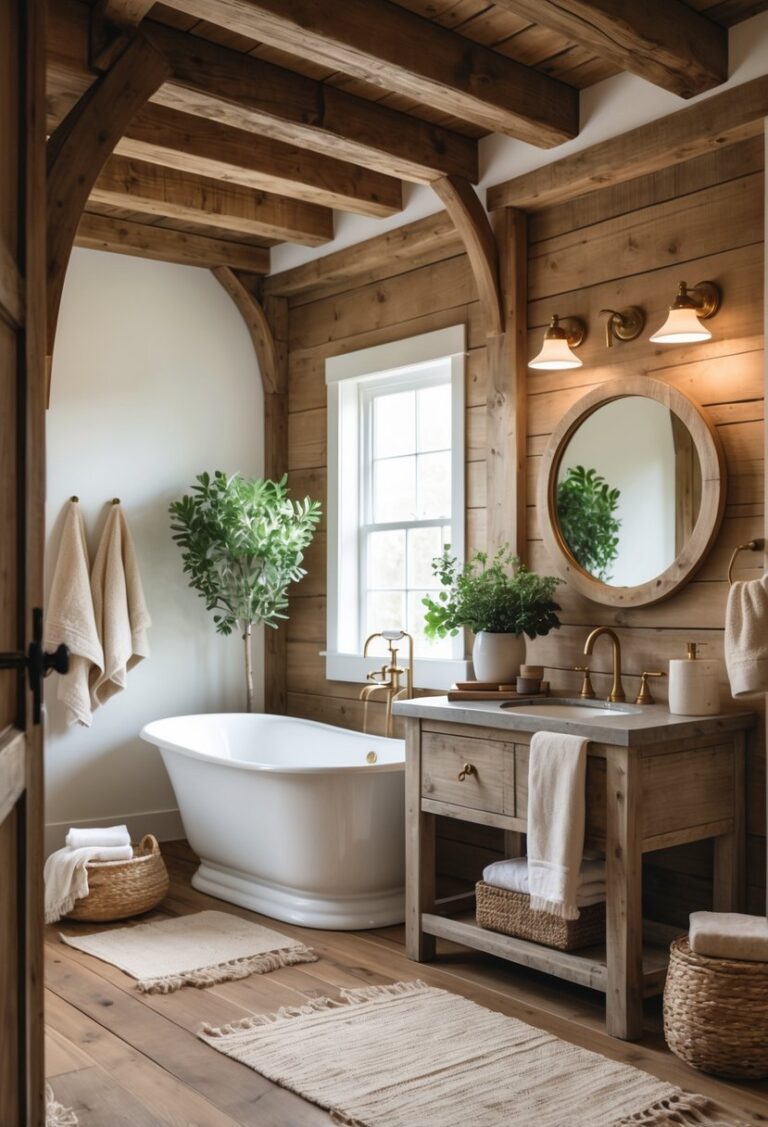
Beyond the Basics: 13+ Freestanding Tub Bathroom Ideas for a Spa-Worthy Escape
Looking for ways to make your bathroom somewhere you’ll actually want to hang out? This guide breaks down practical freestanding tub styles and layouts, so you can find something that fits your space, your vibe, and your comfort level.
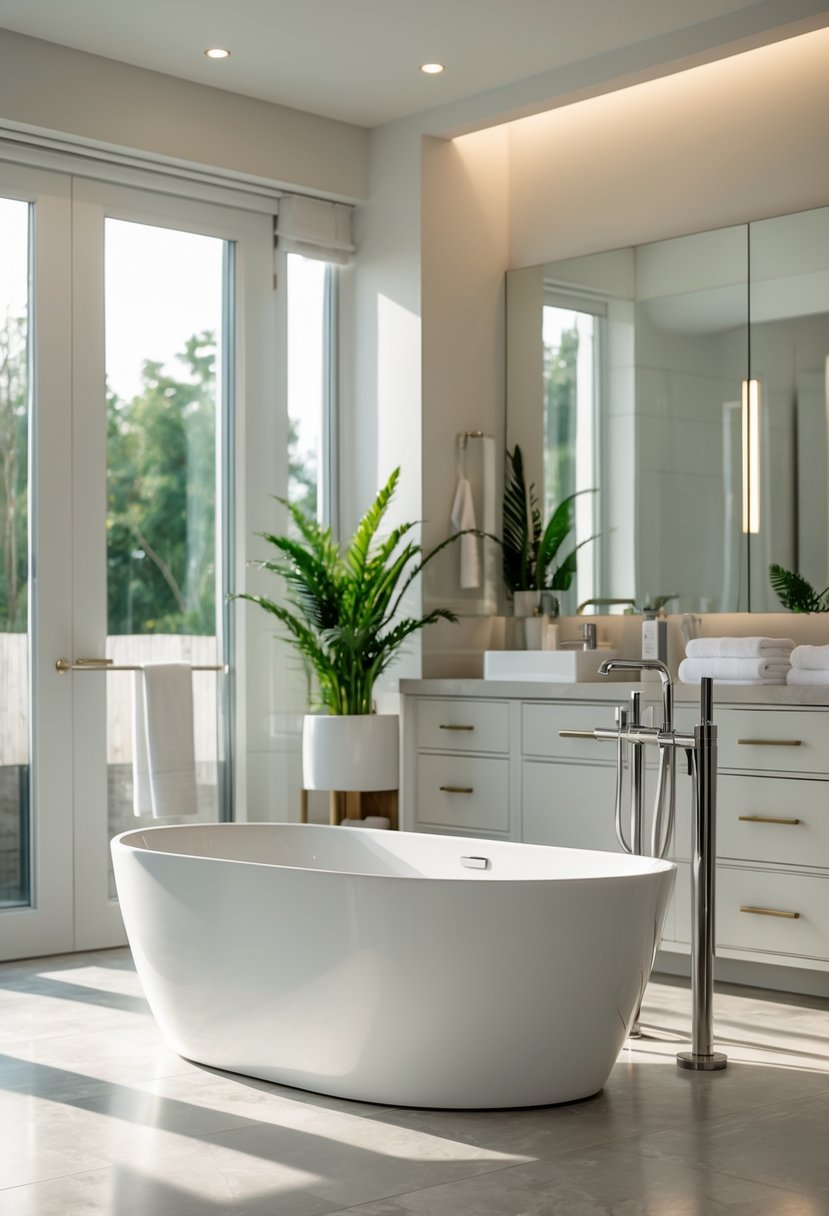
There’s a bit of everything here—minimalist deep-soak tubs, marble showstoppers, compact corner models, and even tubs with built-in storage. You’ll get tips for balancing style, function, and size, so you can actually enjoy your tub and not just look at it.
1. Deep Soaking Freestanding Tub For A Minimalist Bathroom:
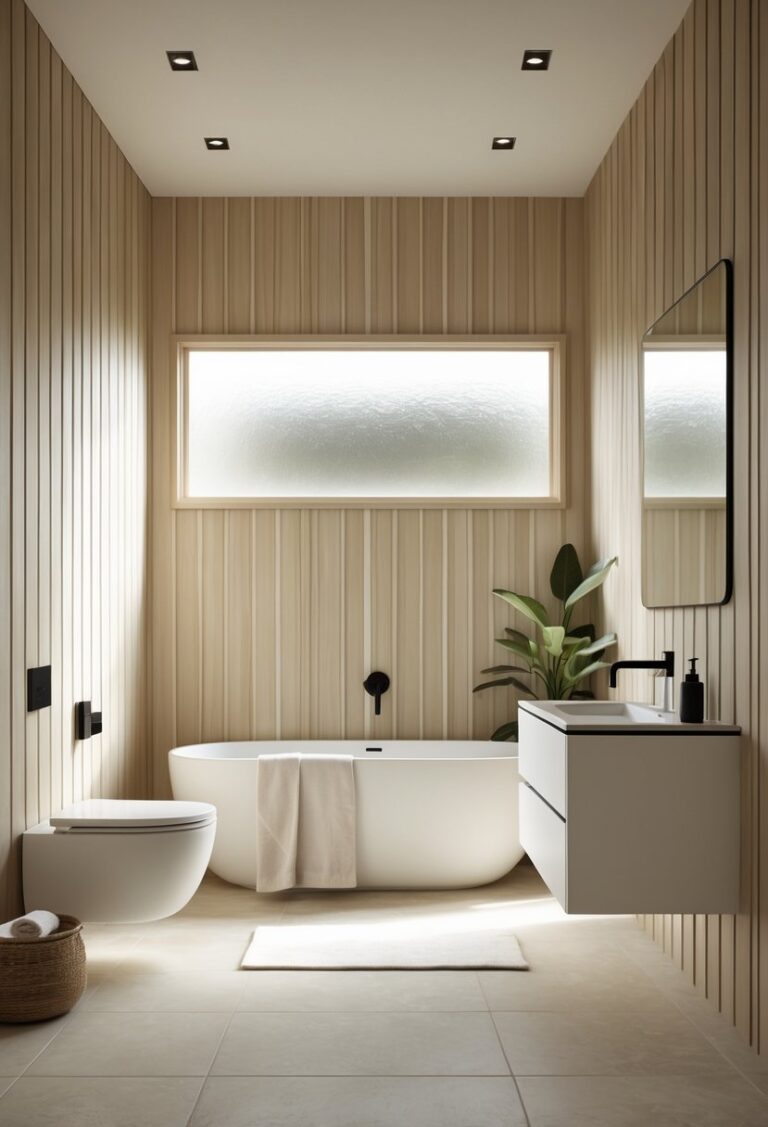
A deep soaking freestanding tub is basically the definition of calm for a minimalist bathroom. It’s all about full-body immersion with zero fuss, so the space feels open and restful instead of crowded.
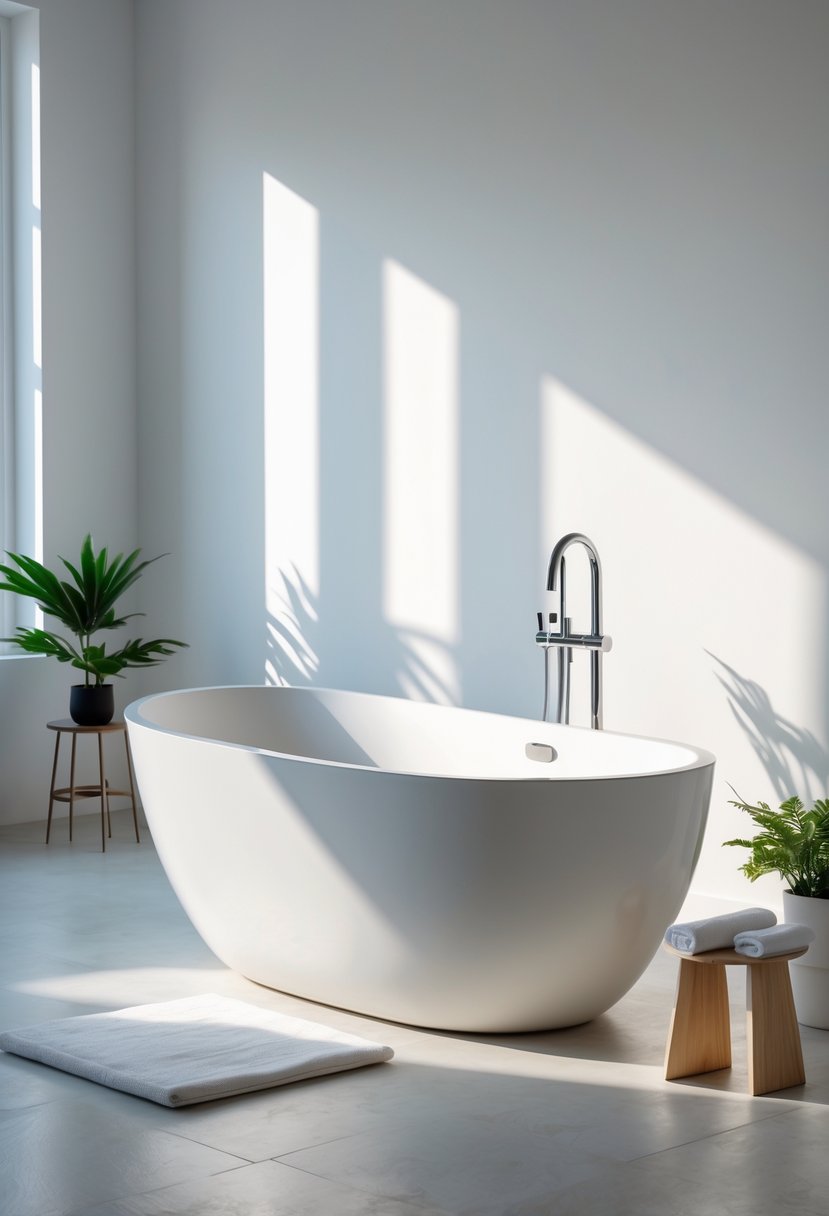
These tubs just look right with matte tile, hidden drains, and not much else. If you can, put one near a window or on a bare floor—extra stuff just gets in the way of the vibe.
2. Oval Freestanding Tub With Floor-Mounted Faucet:
An oval freestanding tub brings a soft, modern look that works with pretty much any style. Pair it with a floor-mounted faucet to keep the edges clean and add a little drama.
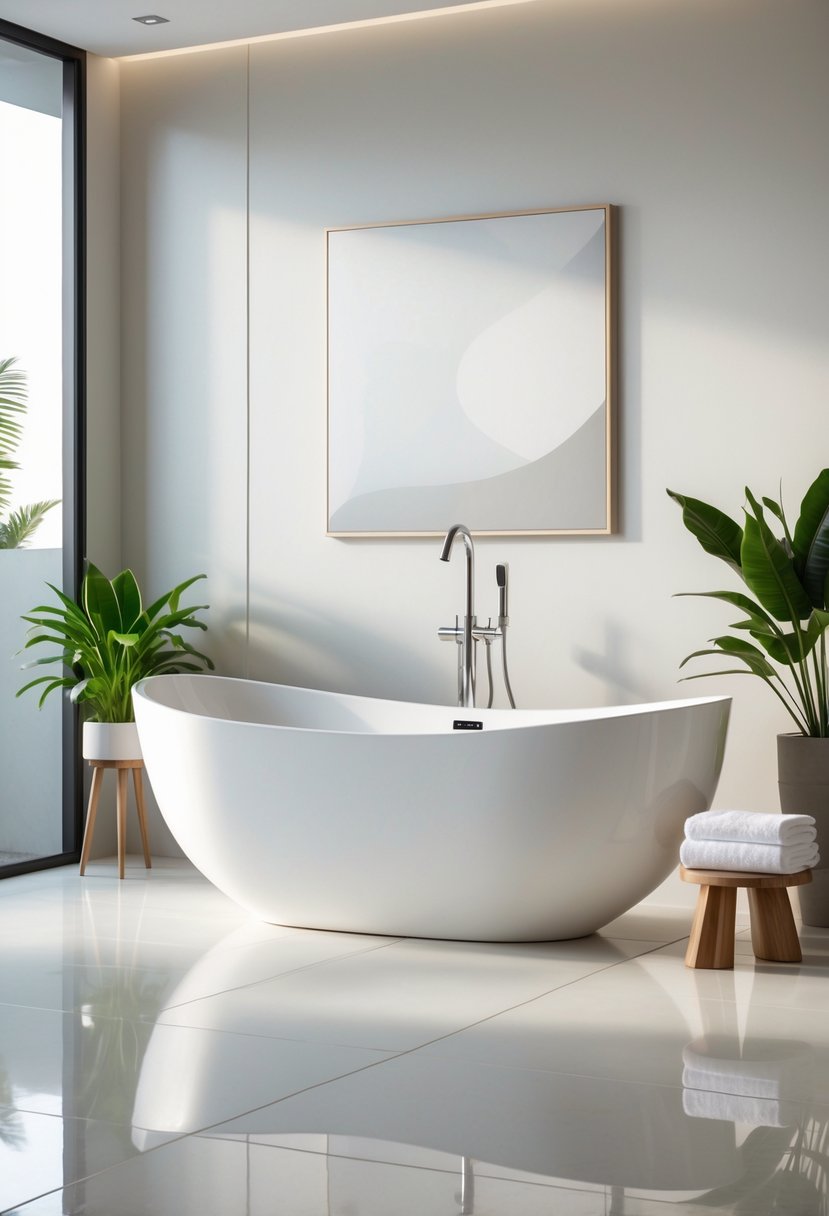
Just keep in mind, you’ll need enough space for the faucet to stand beside the tub. Plumbing and floor support are worth sorting out before you commit.
3. Clawfoot Freestanding Tub In Vintage-Style Bathrooms:
A clawfoot tub is pure vintage charm. If you’re into farmhouse, cottage, or old-house vibes, this is the move.
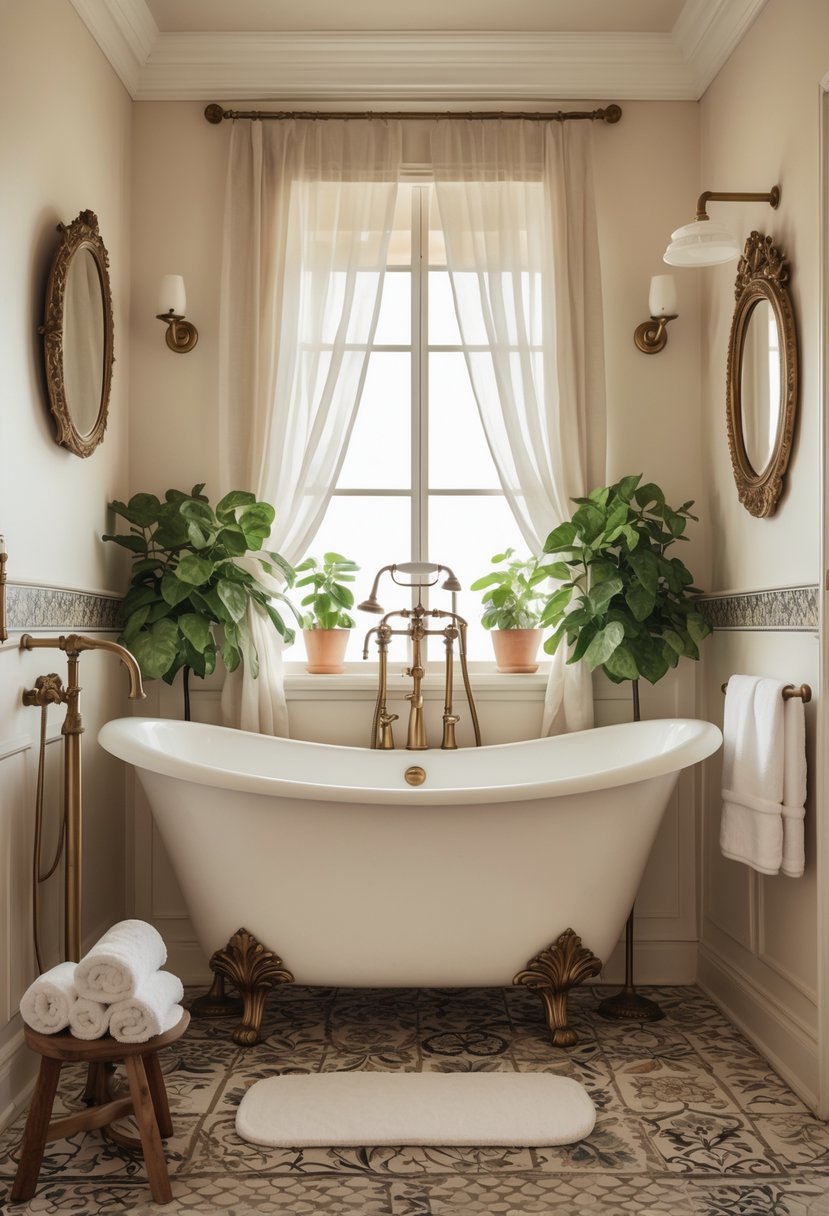
The classic shape and raised feet add a little drama. Subway tile, brass fixtures, or a pedestal sink seal the deal for authenticity.
Even in small spaces, clawfoot tubs steal the show. They’re not hard to plumb in, either, and can be used for soaking or just as a killer focal point.
4. Marble Freestanding Tub For A Luxurious Look:
A marble freestanding tub instantly makes a bathroom feel fancy. Set it against simple, neutral walls and you’ve got yourself a centerpiece.
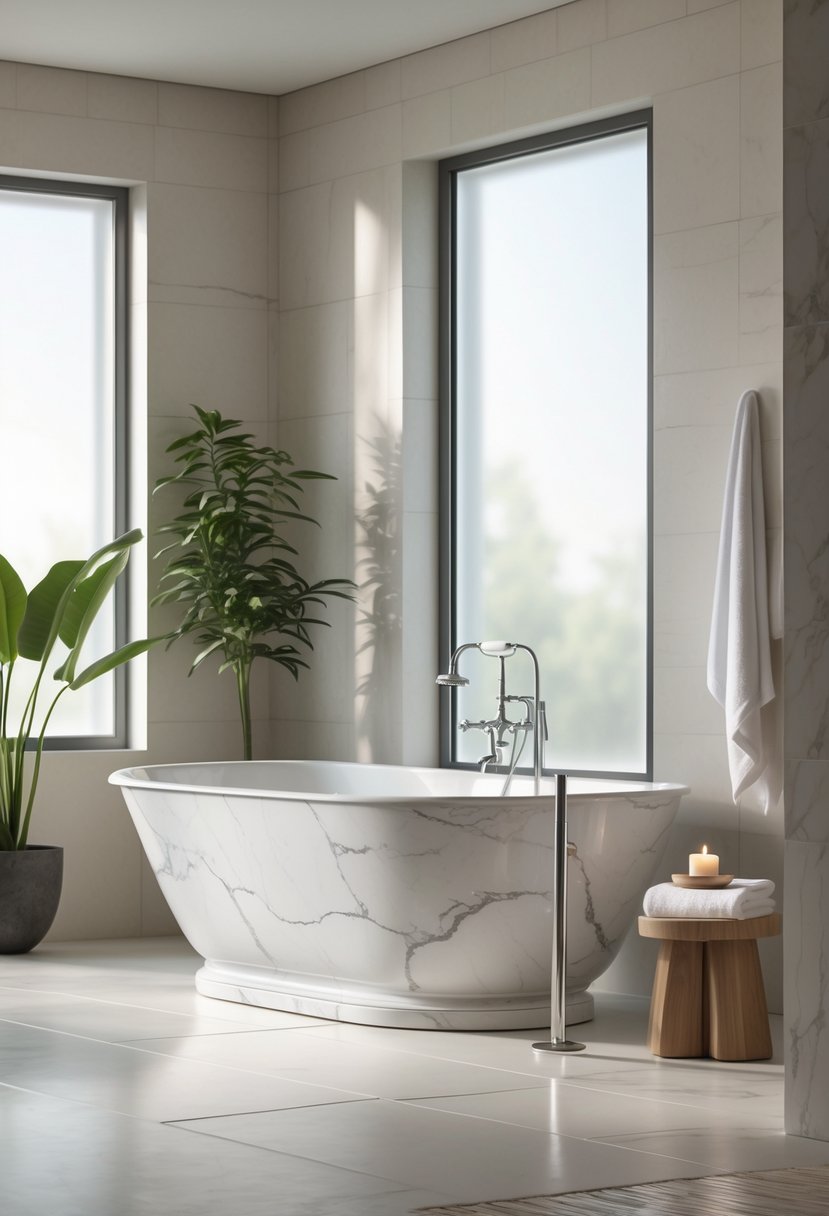
Marble keeps bathwater warm longer than most materials. It also plays well with minimalist fixtures and natural textures for a chill, spa vibe.
Every marble tub is a little different thanks to natural veining, but you’ll need to seal it and baby it a bit to keep stains away. Get it properly installed so it lives up to the hype.
5. Compact Corner Freestanding Tub For Small Spaces:
Short on space? A compact corner freestanding tub tucks right in and saves precious floor area, but still looks sharp. You’ll have more room to move around and fit other stuff.
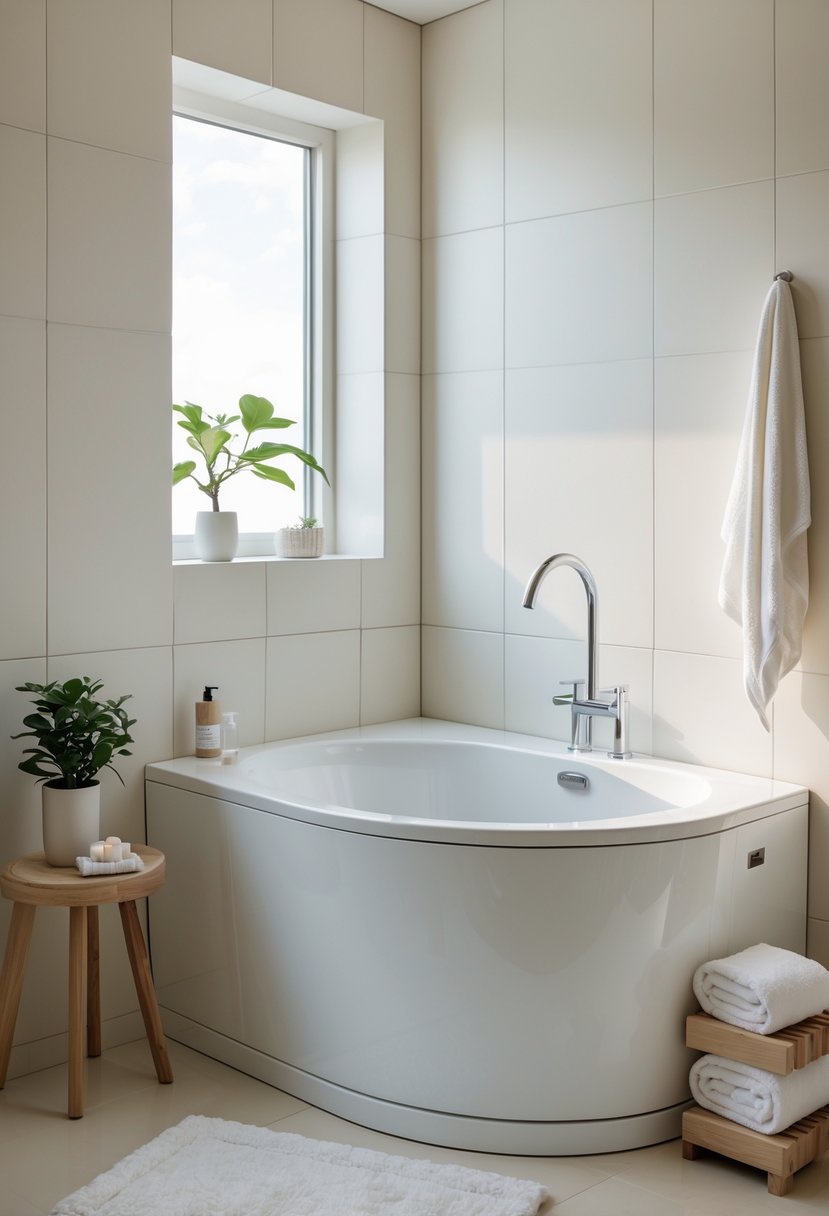
These tubs keep the freestanding shape but don’t hog the whole wall. Pair with a wall-mounted faucet and slim shelving for max function.
They’re best in small bathrooms that need a little wow factor. Just measure everything—door swings, walkways, all of it—before you pick one.
6. Double-Ended Freestanding Tub For Shared Baths:
A double-ended freestanding tub slopes at both ends so two people can sit comfortably, facing away from each other. It’s ideal for larger bathrooms and gives a nice, balanced look.
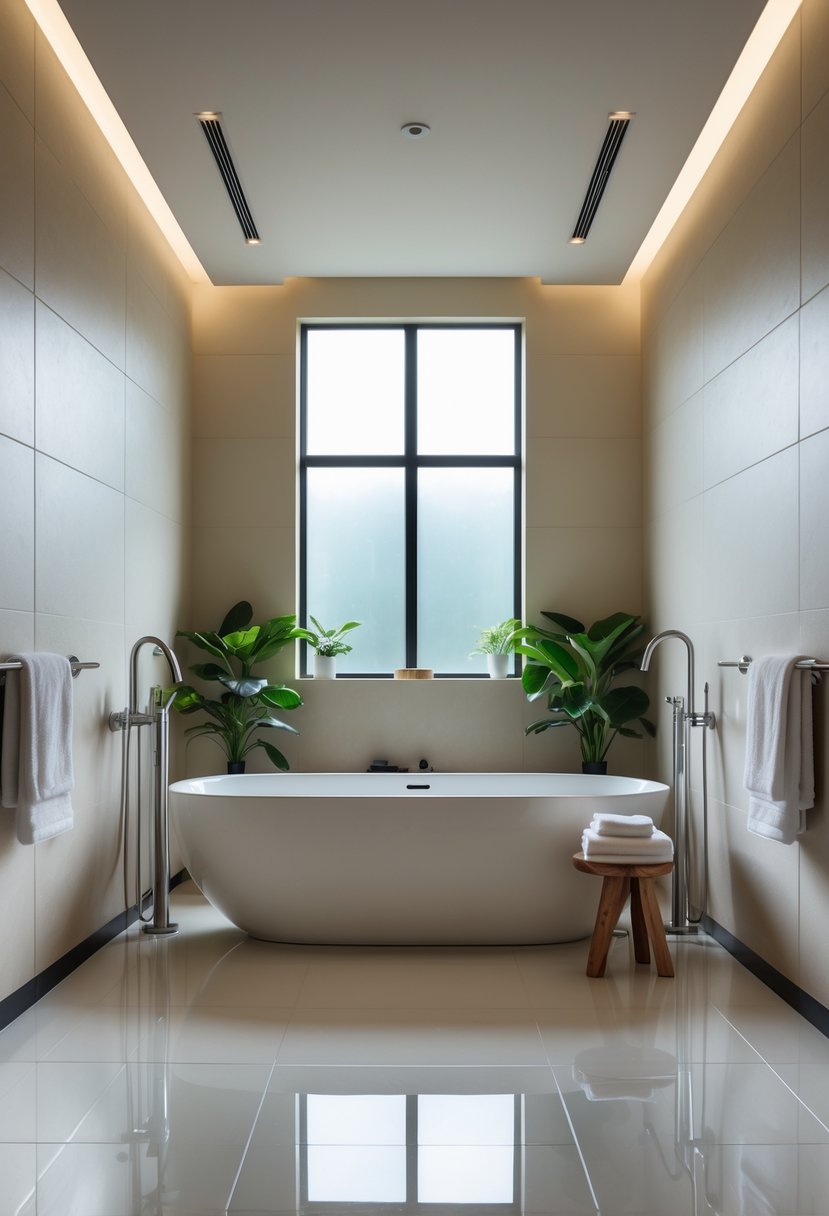
Materials like acrylic and stone resin are comfy and tough. You’ll usually see centered drains and clean lines, which fit both modern and classic styles.
7. Black Matte Freestanding Tub For Modern Aesthetics:
A black matte freestanding tub pops against lighter bathrooms. It’s bold, modern, and somehow still calming—no wild patterns needed.
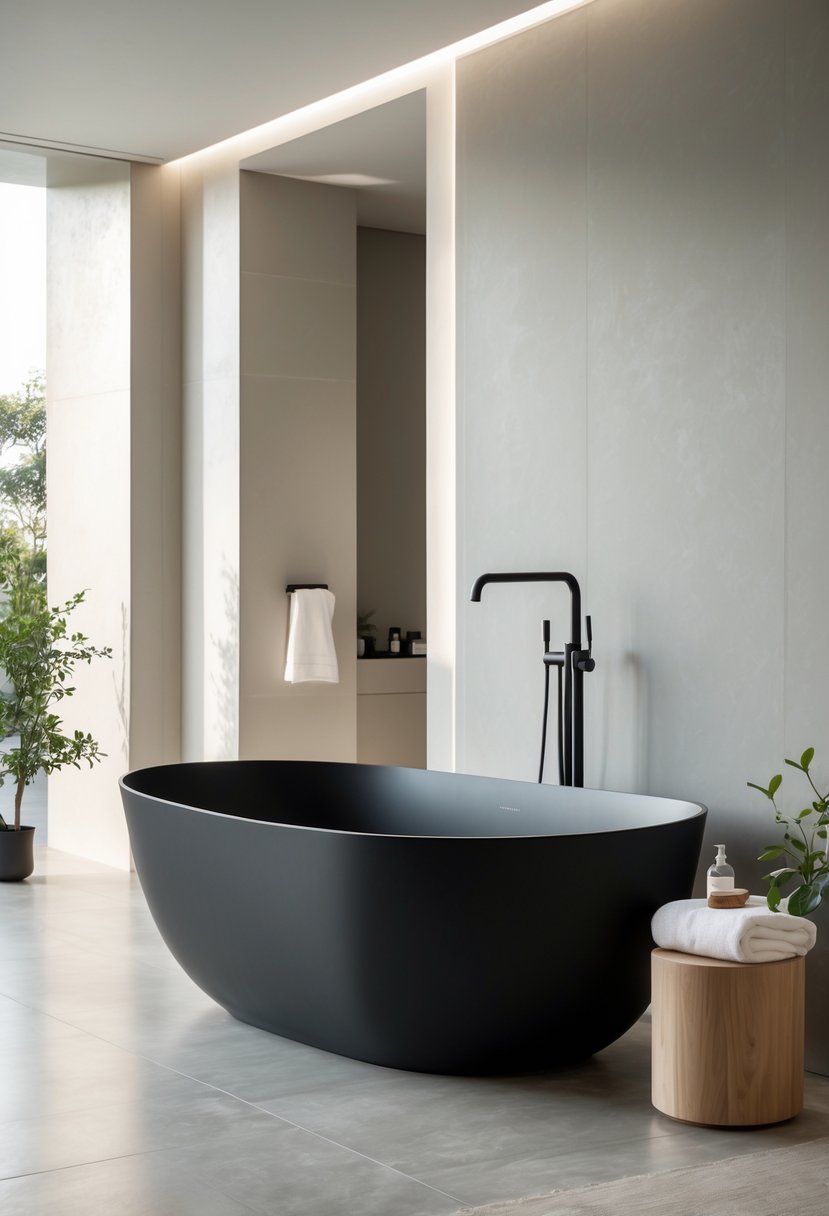
The non-reflective finish hides water spots, which is honestly a relief. Set it against pale tile or warm wood and it’ll steal the spotlight.
Designers usually add slim black fixtures and soft lighting for a pulled-together, clean-lined look.
8. Stone Freestanding Tub That Blends Natural Elements:
Want more texture? A stone freestanding tub brings serious presence. It’s perfect with wood, plants, and matte metals for that earthy look.
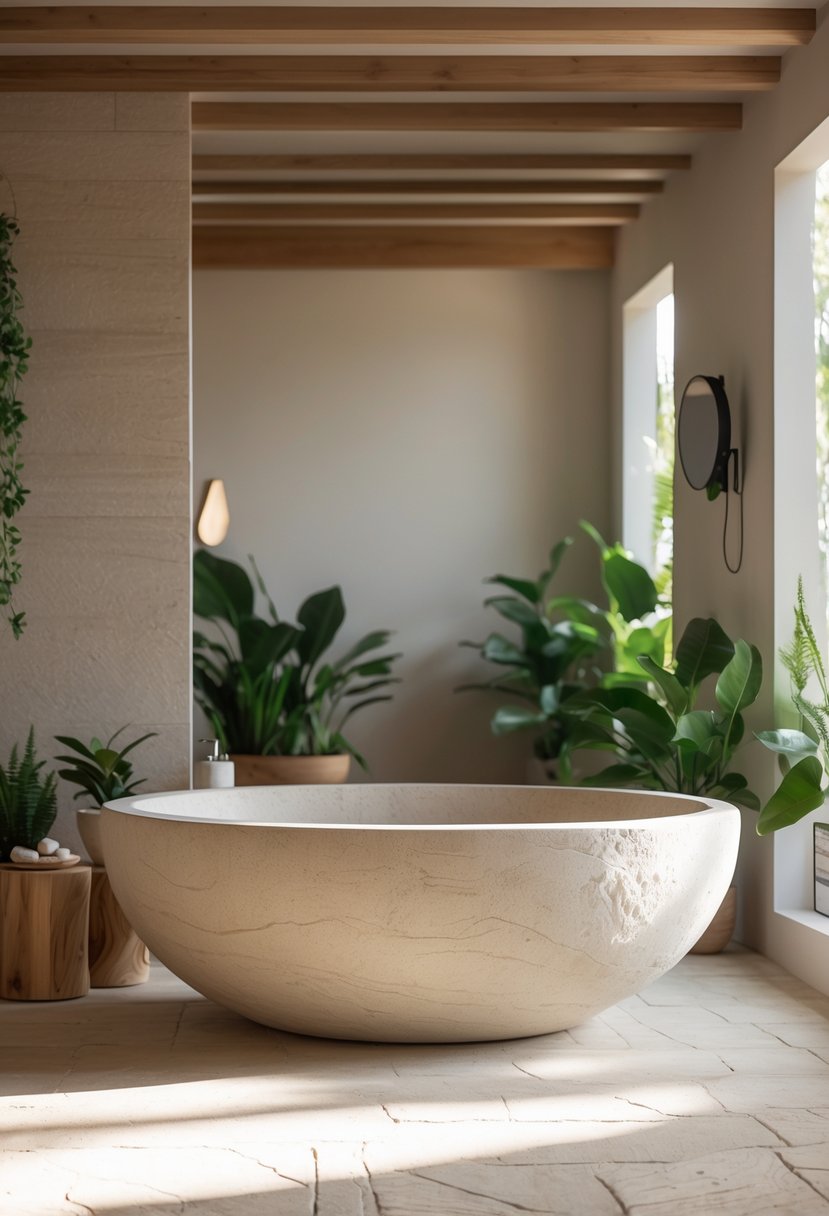
They come in marble, granite, or stone-resin (which looks like the real thing). The shape is usually simple, so the material does the talking and the space doesn’t feel heavy-handed.
9. Freestanding Tub With Built-In Vanity And Storage:
Pairing a freestanding tub with a built-in vanity keeps things tidy and makes life easier. You’ve got towels and toiletries right there, no cluttered floors.
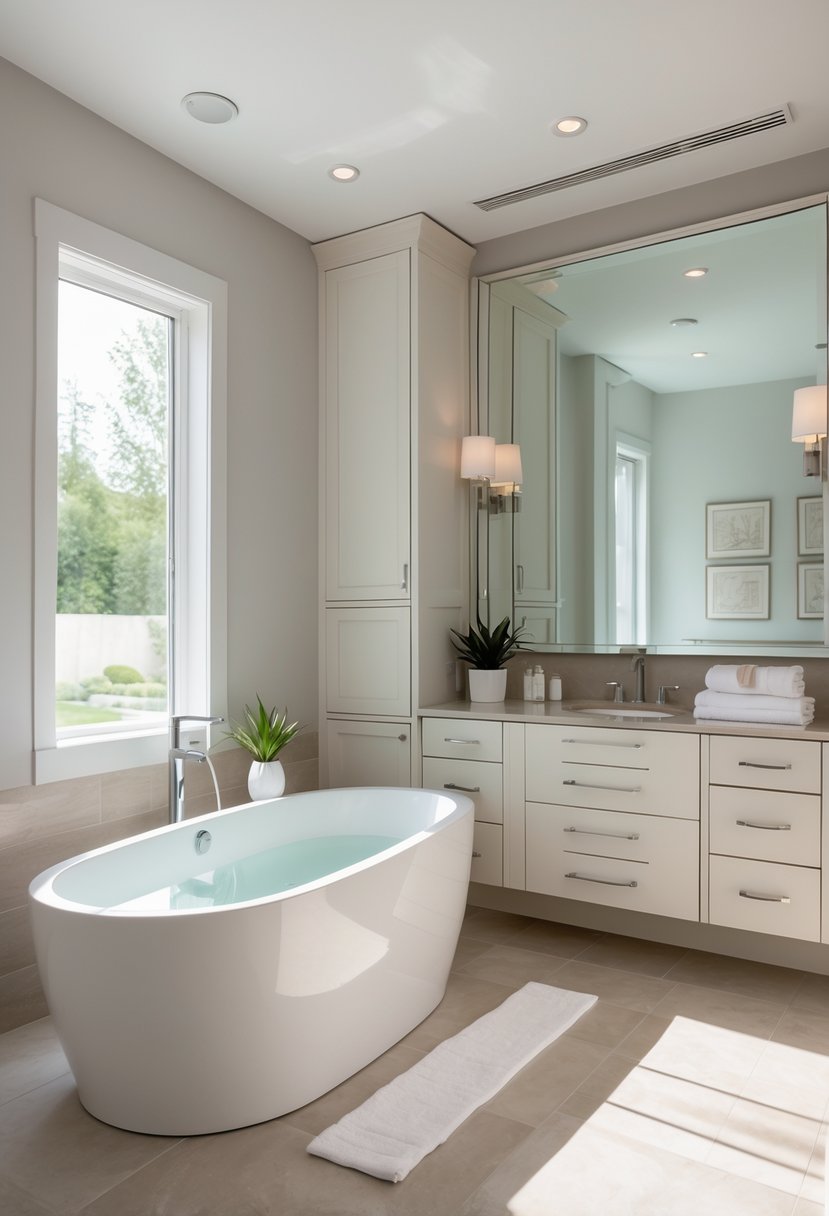
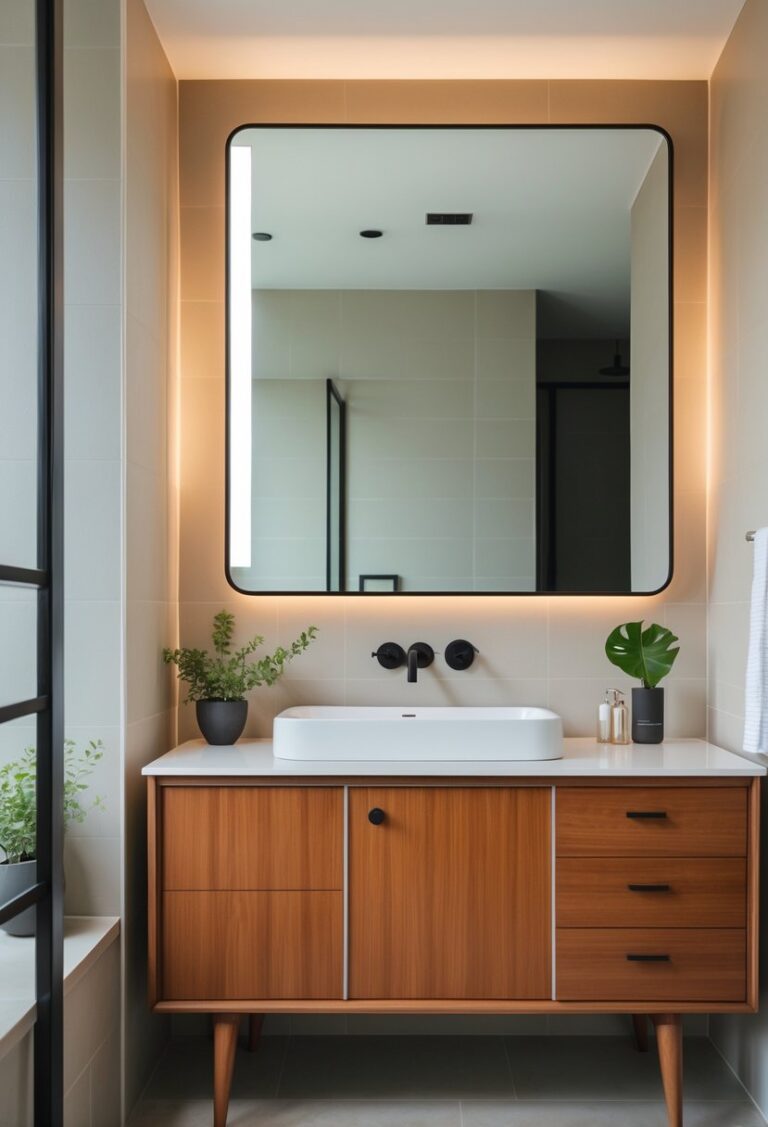
Designs range from floating vanities to recessed cabinets that echo the tub’s style. It’s a smart move in smaller bathrooms—modern, open, and with just enough storage.
Go for moisture-resistant materials, like treated wood or waterproof laminates. Keep the hardware simple for a look that’s calm and easy to keep clean.
10. Glossy White Freestanding Tub Paired With Gray Walls:
A glossy white tub against gray walls is a classic move—clean, modern, and a little bit spa-like. The shine bounces light around, so the room feels bigger and brighter.
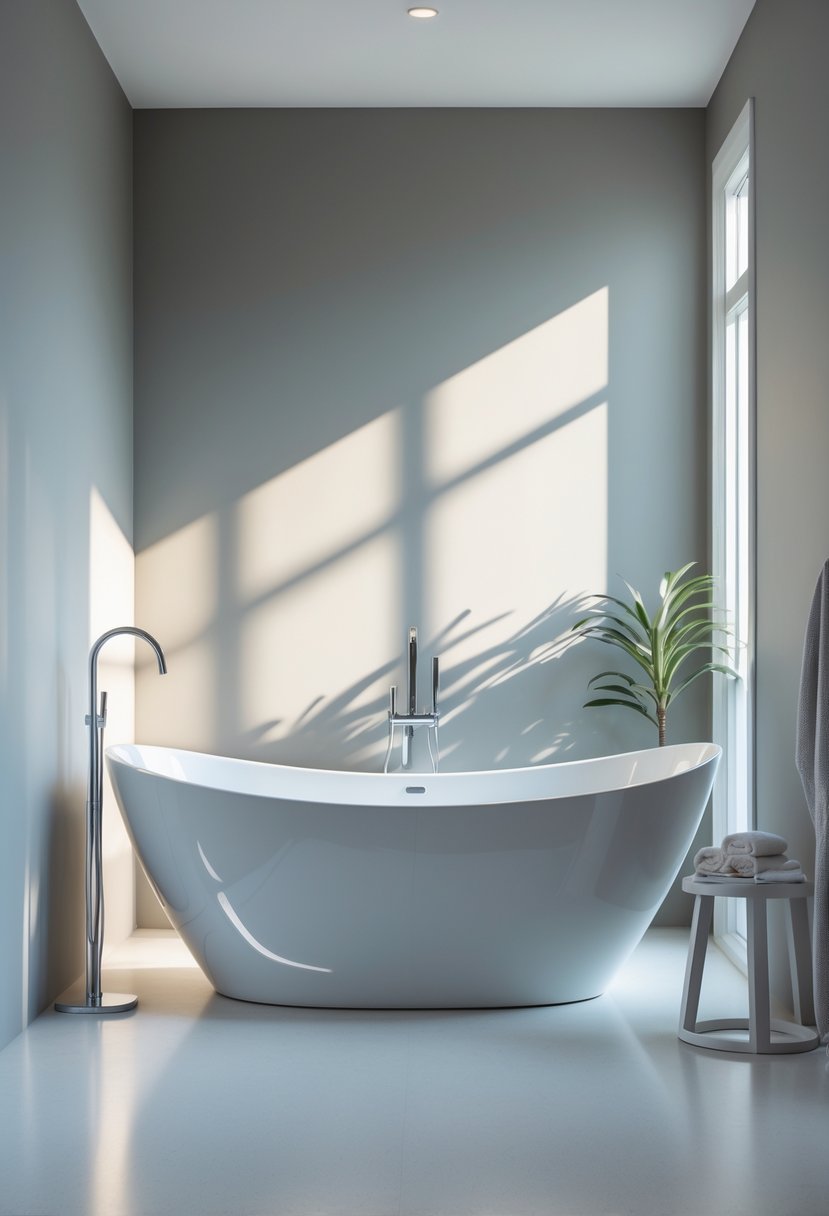
Gray walls add some depth but don’t overshadow the tub. They play nicely with different tile patterns and wood or metal accents.
This combo works in both tiny and spacious bathrooms. It fits right in with minimalist, transitional, or spa-inspired setups—basically, if you like simple lines, you’ll be happy.
11. High-Back Freestanding Tub For Comfort And Style:
A high-back freestanding tub is all about comfort—think good lumbar support and a relaxed soak, maybe even with a book. If you love long baths, this style’s a winner.
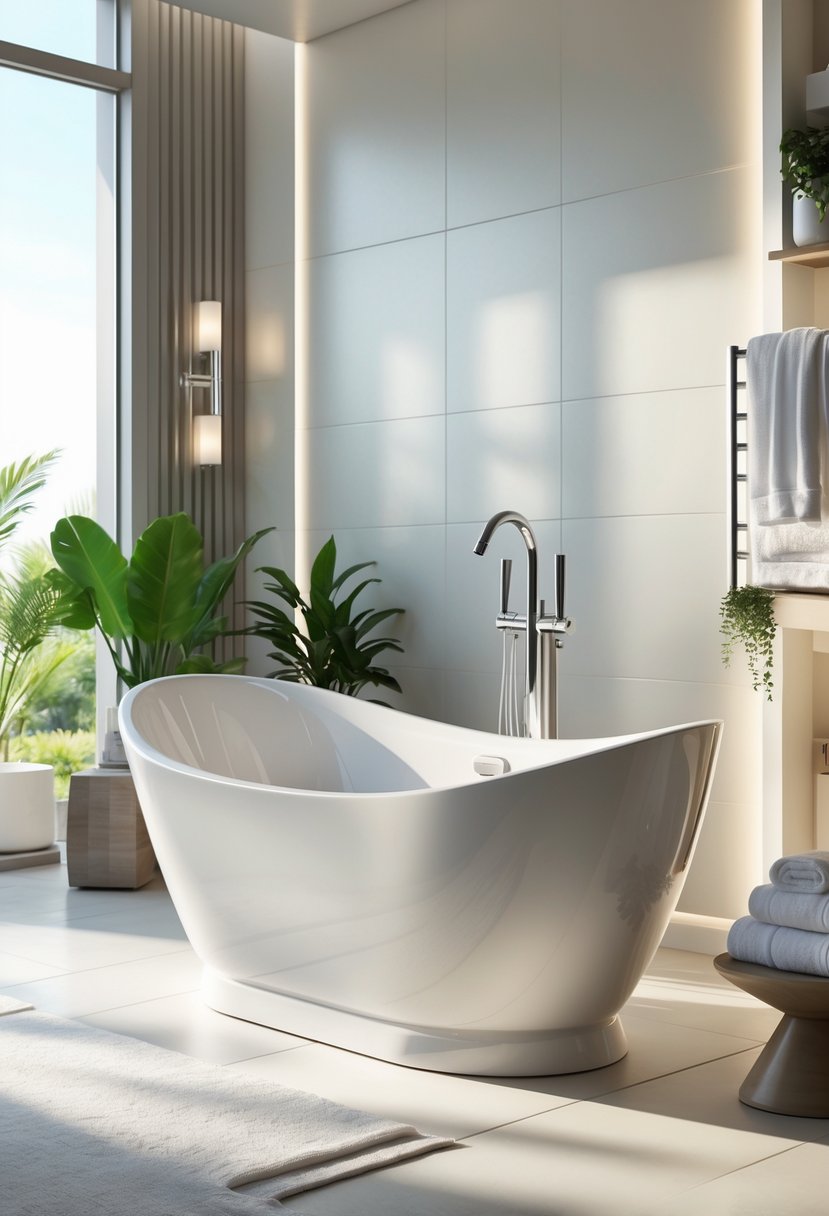
The taller rim gives it a cool silhouette that works in both modern and classic spaces. Acrylic or cast stone are good bets for warmth and durability.
They look great as a statement piece by a tiled wall or window. Faucets can go on the floor or wall, whatever keeps the lines clean and uncluttered.
12. Freestanding Tub Surrounded By Plants For A Spa Vibe:
Want a spa feel? Surround your freestanding tub with plants for instant chill. It softens everything and adds interest without making things busy.
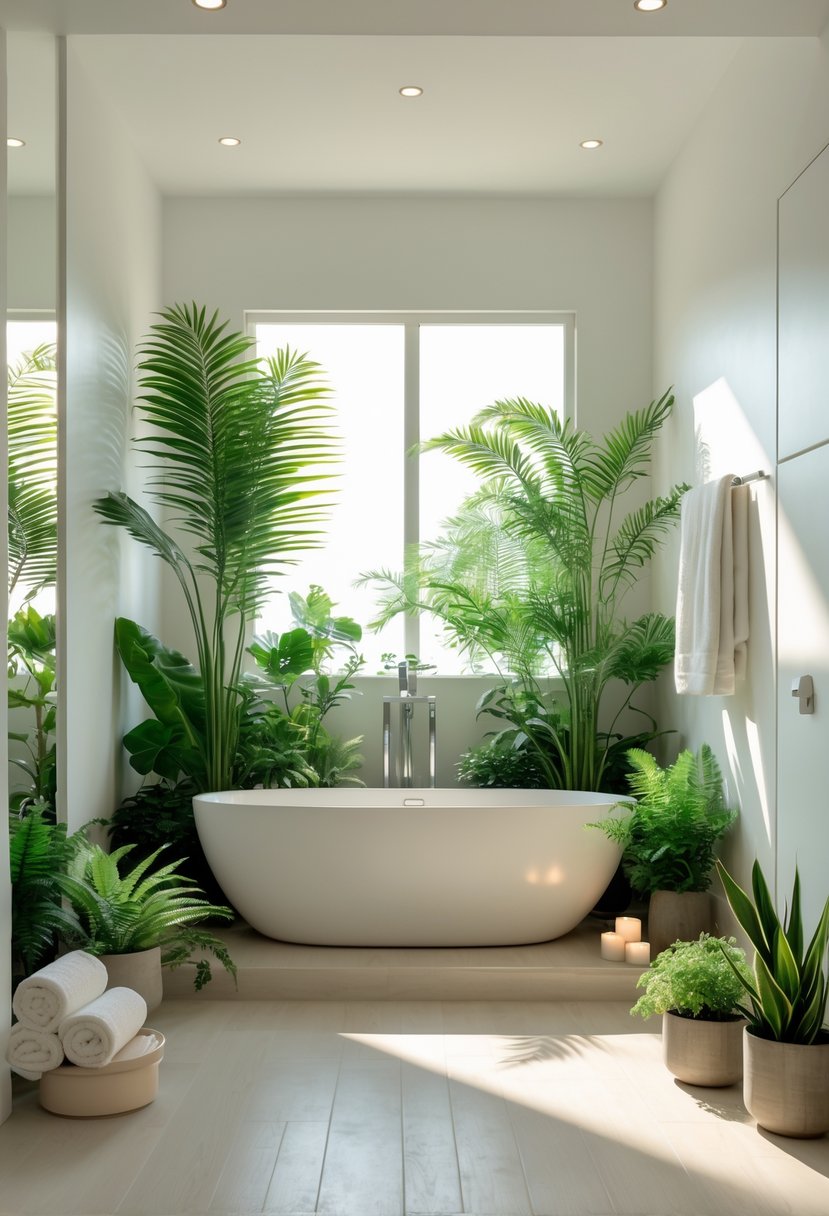
Pick low-maintenance plants like snake plant or ferns—they’ll handle the humidity. Use pots at different heights for a layered look, and leave space so you’re not tripping over leaves.
Natural light helps the plants (and you) thrive. Use moisture-resistant pots and maybe a tray underneath to keep water off your floors—no one wants soggy grout.
13. Freestanding Tub With Exterior Wood Paneling:
There’s something about a freestanding tub with wood paneling that just feels right—it brings a cozy, textured vibe to the bathroom, almost like you’re stepping into a spa at home. And honestly, you don’t even have to mess with the whole room layout to get that effect.
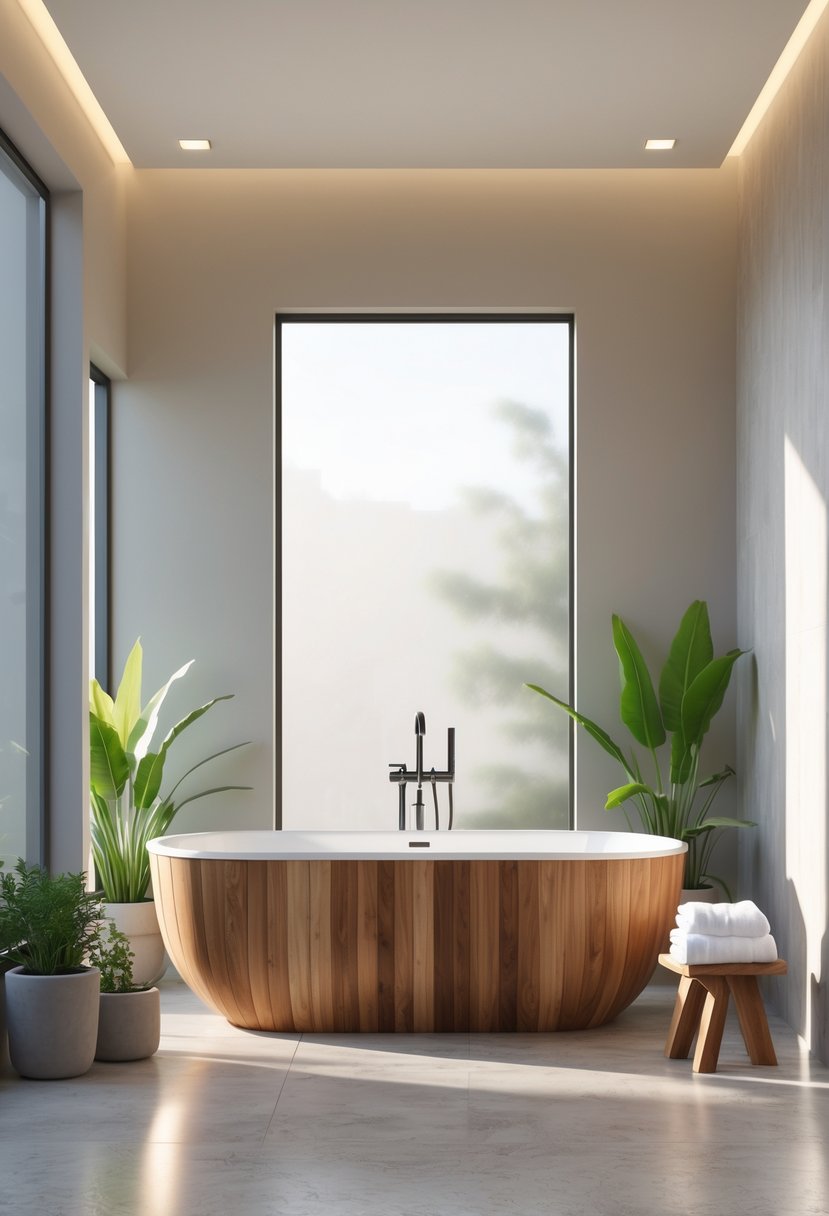
If you’re thinking about trying this, go for moisture-resistant woods like teak or cedar (otherwise, water’s gonna win), or maybe just use veneered panels if you’re after something a bit more low-maintenance. Just don’t forget to seal any gaps, or you’ll regret it later.
I’d keep the fixtures simple and the lighting soft—let the wood grain do most of the talking. This style honestly works whether you’re into modern minimalism or leaning rustic. Kind of surprising how versatile it is, right?