Nourish Your Home: A Simple Guide to Feng Shui Pantry Organization for Abundance & Flow
When you step into the pantry, you’re hoping for calm, not a jumble of stuff. With a few tweaks, you can create a space that makes meal planning less of a headache, cuts down on waste, and just feels… better—even if you’re not knocking down walls.
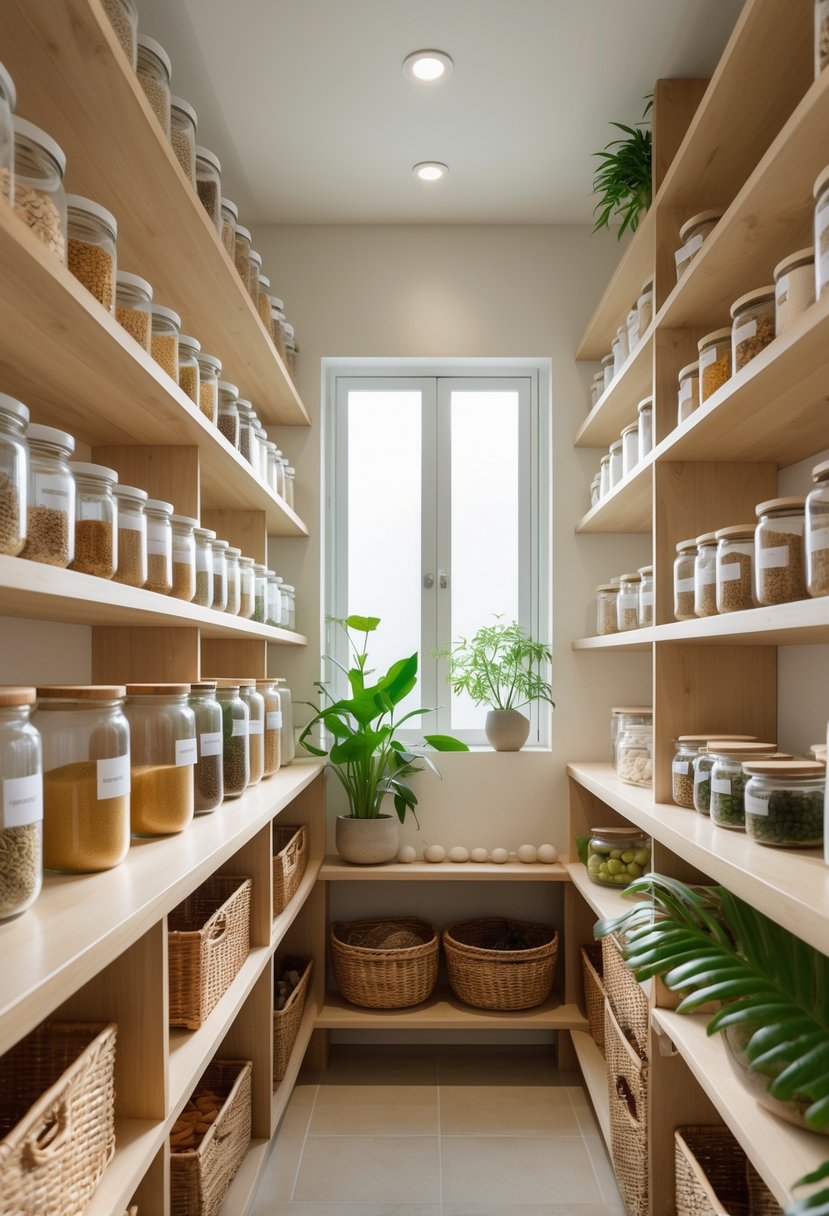
Set up clear zones, ditch the clutter, brighten things up, and bring in some natural touches to help the space flow and feel abundant. Here’s a look at the feng shui thinking behind these changes, a step-by-step makeover you can actually do, a few easy upgrades, and some habits to keep your pantry running smoothly.
There are tips for all kinds of pantry sizes and setups—so you can start tweaking your shelves today and keep things looking peaceful (or at least less stressful) down the road.
Core Principles of Feng Shui Pantry Organization:
Good pantry feng shui means food is easy to spot, easy to grab, and stored in clean, simple containers. There’s a balance of wood, earth, and metal, which comes through in your choice of colors, materials, and where you put things. This all helps the kitchen flow without feeling hectic.
The Energy of the Pantry in Feng Shui:
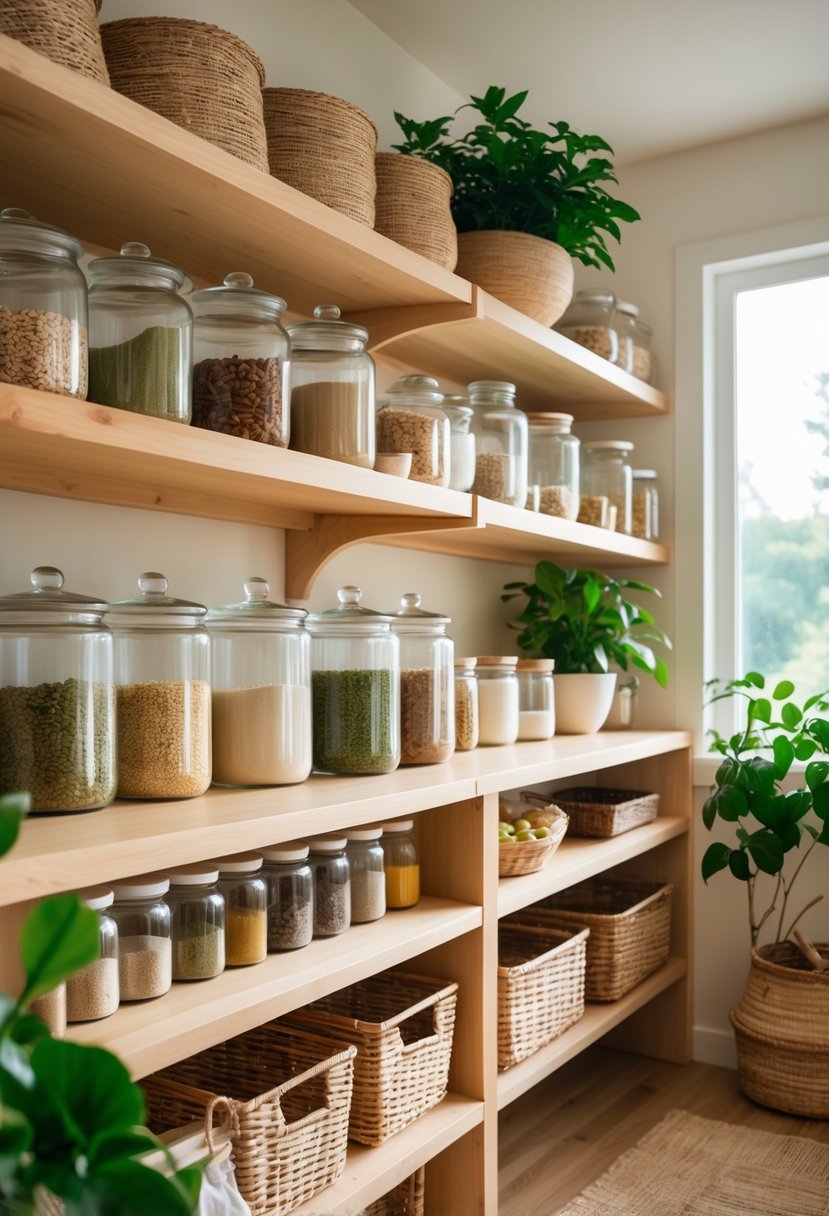
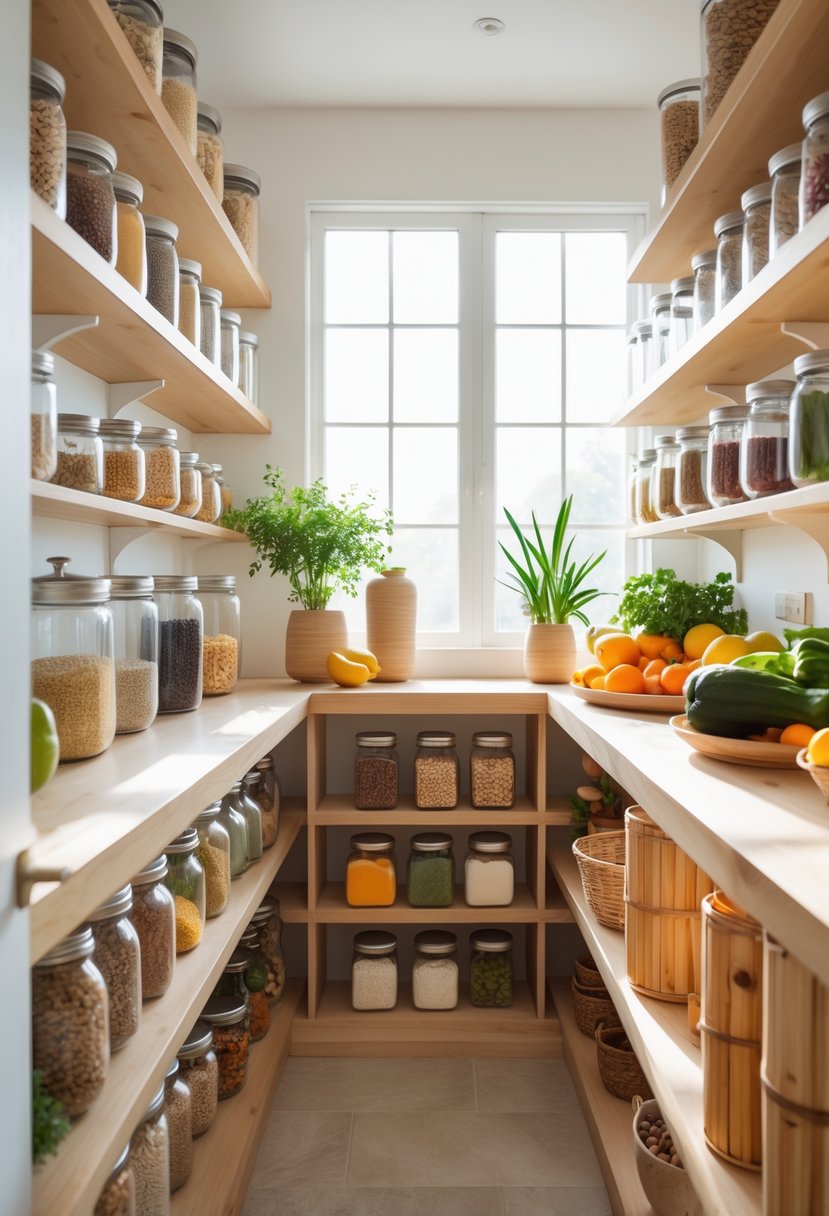
The pantry is all about nourishment, so you want its vibe to be steady and fresh. Storing staples in clear, labeled containers makes it easy to see what’s there and helps avoid the dreaded “oh no, this went bad” moment. Natural touches—think wood shelves or ceramic jars—keep things feeling grounded.
Skip the wild colors; muted tones that go with your kitchen are better for steady chi.
Keep the stuff you reach for all the time at eye level. Heavy things (those monster flour bags, big bottles) go low, so you’re not straining. Hot or sharp stuff? Tuck it away in metal or heat-safe containers. These little choices keep the pantry working with you, not against you.
Connection Between Kitchen and Pantry:
The kitchen and pantry feed off the same energy, so their setups should vibe together. Ideally, you want a direct path between the pantry, stove, and sink—makes cooking less of a shuffle. If your pantry’s out of the way, consider a little staging shelf nearby so you’re not running laps.
Try to match materials and colors between the two spaces—maybe it’s similar wood, maybe it’s a set of glass jars. Keep fruit and fresh produce in the kitchen if you can, to bring some lively energy right where you’re cooking.
Impact of Clutter and Organization on Chi:
Clutter just gums up the works. Toss expired stuff and group similar foods—baking, canned goods, grains, snacks—so you’re not hunting every time you need something. Clear bins and labels help cut down on the endless searching.
Go vertical with adjustable shelves to use space better. Keep the floor clear—makes cleaning easier and keeps energy moving. Good light and a tidy floor just make the whole room feel lighter, honestly.
Step-by-Step Feng Shui Pantry Transformation:
This plan zeroes in on clearing clutter, setting up food zones, and using clear, labeled storage so you can actually find stuff. Each step gives you something concrete to do, so the pantry starts supporting your kitchen instead of dragging it down.
Decluttering for Clean Energy Flow:
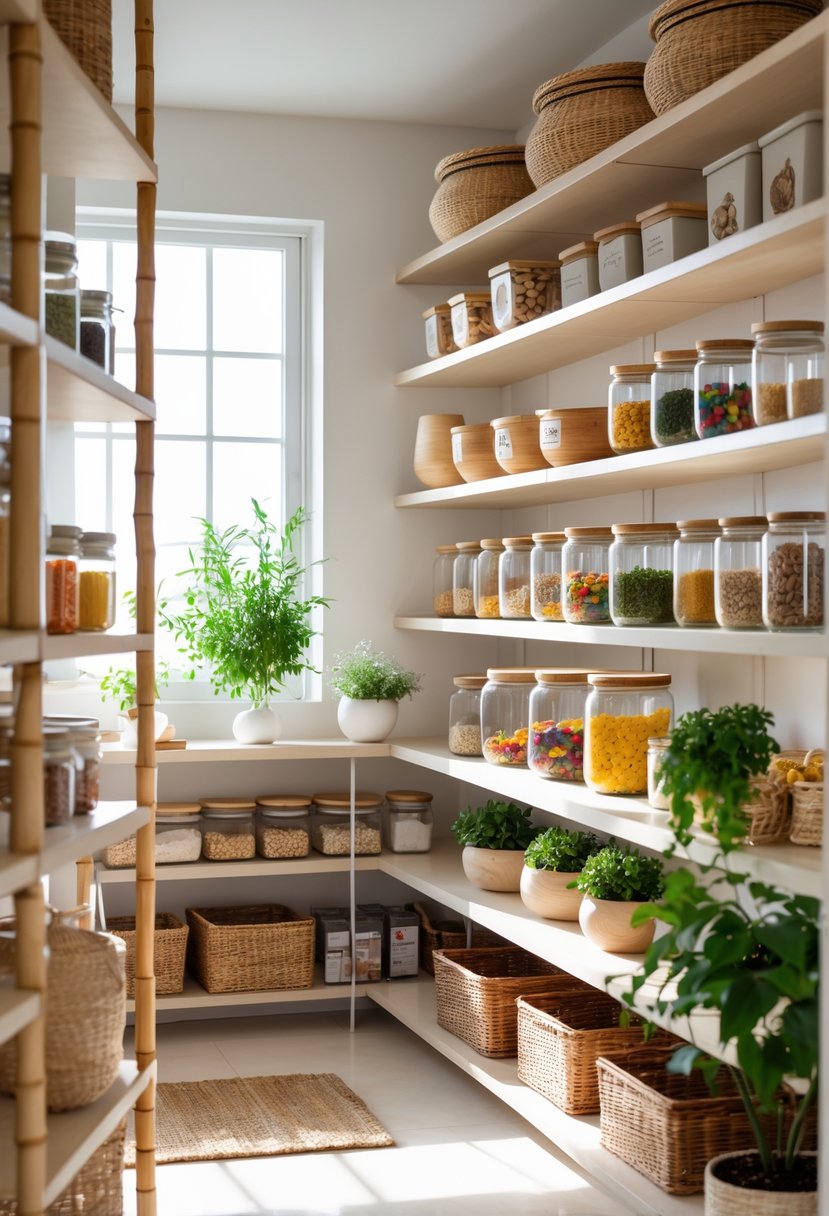
Start by pulling everything out and sorting it: keep, donate, toss, or move elsewhere. Check those dates—anything expired or sketchy goes. Damaged or pesty packaging? Out it goes.
Next, deal with non-food items. Cleaning supplies? They belong in another cabinet. Rarely used appliances? Move them somewhere else to free up space.
Give shelves a wipe, vacuum the corners, and if your pantry’s a cave, add a little battery light. A clean, bright space just feels better and fits the feng shui idea of clear energy around food.
Zoning and Grouping Foods:
Set up zones based on how you cook: baking, breakfast, snacks, cans, grains, produce. Everyday stuff goes at eye level, less-used things get the high or low spots.
Heavy items like bulk flour or oil? Bottom shelf—no one wants a foot injury. Snacks for kids? Low shelf, easy grab, less mess.
Fruits and veggies that need air are happier in the kitchen, not the pantry. It keeps them fresh and follows feng shui advice to keep living energy close to where you eat.
Choosing Clear Containers and Appropriate Storage:
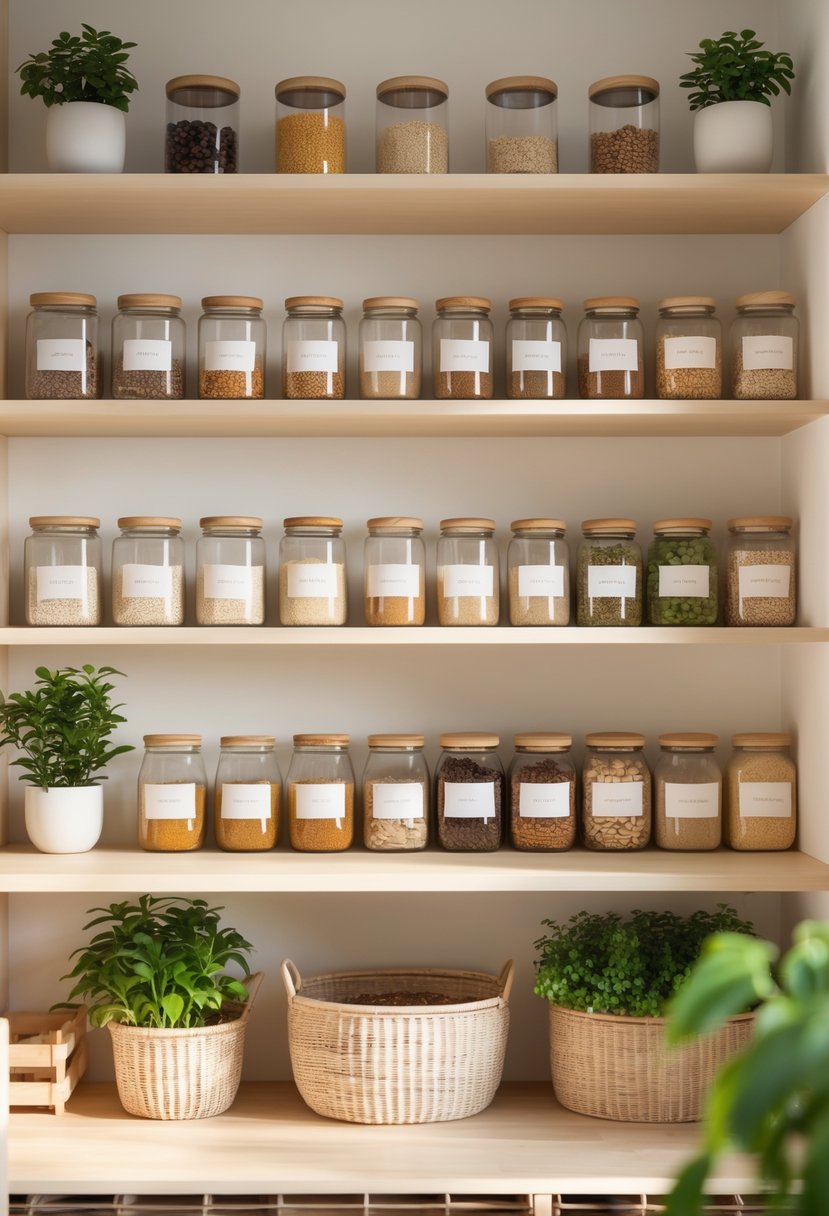
Go for clear, airtight containers for grains, flours, pasta, snacks. Square or rectangular ones save space and stack better. Label everything with what’s inside and when you bought it (or when it expires, if you’re organized like that).
Uniform baskets or bins for cans and baking stuff look tidier. Tiered risers make cans visible so nothing gets lost in the back.
Put a shallow tray or bowl near the door for keys, coupons, or whatever random bits always end up in the pantry. It’s a small fix that helps keep the food area focused and in line with feng shui’s tidy vibe.
Practical Feng Shui Adjustments and Enhancements:
These tips are all about making the pantry work for you: group by use, sprinkle in natural touches, and fix the lighting or airflow if it’s lacking. The goal? Less hassle, more calm.
Incorporating the Five Elements:
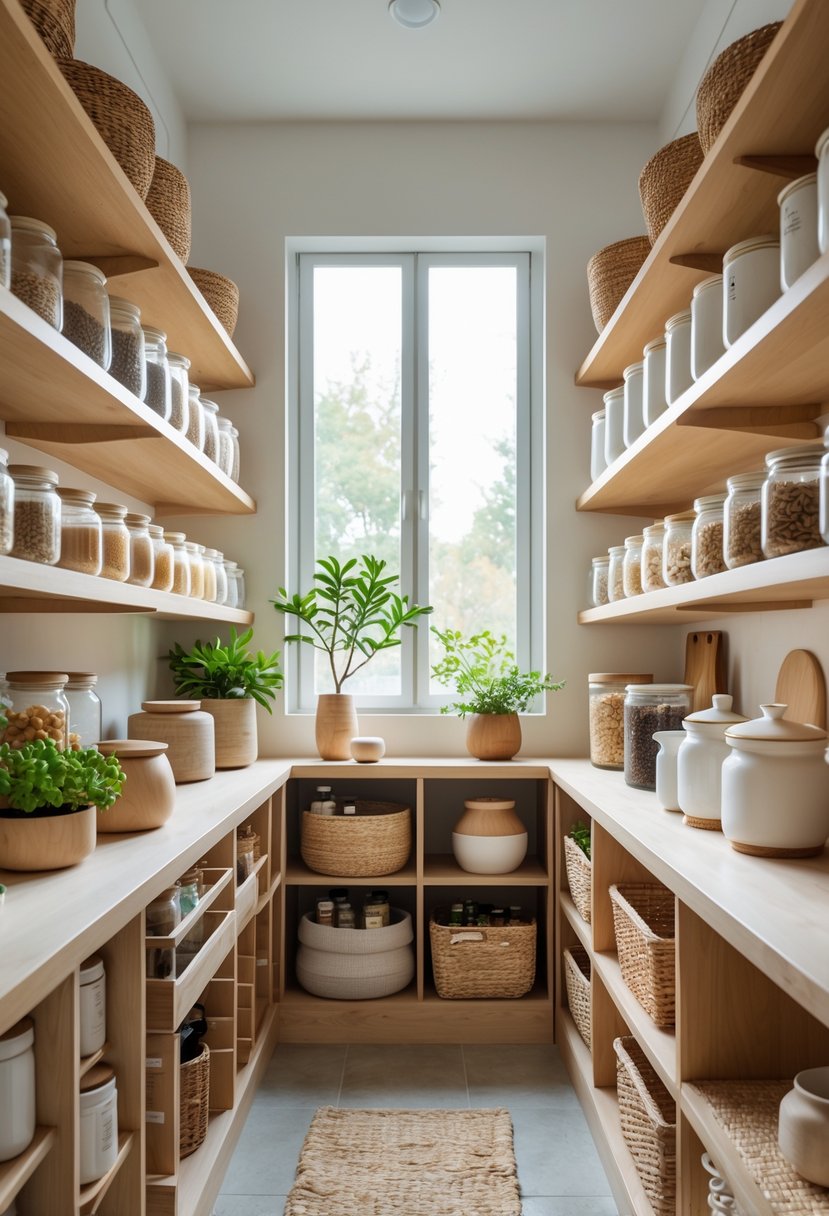
Bring in the five elements with little choices that fit your pantry.
- Wood: Wooden shelves, bamboo baskets, or even a small cutting board by the door. Wood’s great for organizing grains and produce.
- Fire: Maybe a red label or a warm-toned jar lid for spices. Just don’t put candles in there, obviously.
- Earth: Ceramic or glass containers for dry goods. Earth feels stable—perfect for storage.
- Metal: Metal canisters or wire baskets for cans and tools. Metal’s all about clarity and order.
- Water: Put oils or vinegars together on a low shelf, maybe with a tray to catch drips.
Heavier, earth-and-metal things go low. Lighter, wood-related items? Eye level. Label your zones and leave a little space between groups so it’s not all jammed together.
Optimizing Pantry Lighting and Airflow:
Good lighting and airflow make a huge difference in how your pantry feels—and how long stuff lasts.
Stick up a soft LED strip or puck light under shelves. They’re cool to the touch and help you spot what’s getting old. Try for even light—dark corners just hide problems.
Open the pantry door a crack now and then (if pets or toddlers aren’t an issue), or add a mini fan or vent if it gets stuffy. Slip in a moisture-absorbing packet or use a breathable container for flour and grains. Always check your seals and rotate older items forward to avoid stale surprises.
Clean vents, wipe shelves once a month, and don’t overload them—air needs to move. It keeps things fresh and stops weird smells before they start.
Using Natural and Symbolic Decor:
Pick decor that feels calm and purposeful, not busy.
A small plant or a bowl of real fruit (if there’s light) can brighten things up. A little potted herb is both cute and handy. Go for natural materials—wood, clay, glass—when you can.
Symbolic stuff? Less is more. Maybe a coin in a jar for abundance, or a wooden spoon displayed handle-up for nourishment. Skip the cluttery trinkets—they just collect dust.
Label containers with simple, neutral tags. One or two decorative touches is plenty; more just gets distracting.
Maintaining Harmony and Abundance Over Time:
Keep the pantry clean, organized, and stocked with stuff you actually use. A few weekly habits and clear rules help keep the energy (and food) fresh.
Regular Pantry Maintenance:
Pick a day each week to: wipe shelves, rotate items, and toss anything expired. Wiping gets rid of crumbs and spills that attract pests. Rotating moves older stuff forward so it gets used.
Clear containers and labels make these checks faster. You can see what’s inside and when you bought it. Keep similar foods grouped—baking, grains, cans—so you’re not always searching.
Once a month, do a deeper clean: donate, recycle, rearrange. Replace busted packaging and update labels. Staying on top of it keeps clutter from creeping back in and helps the pantry keep its balanced feel.
Signs of Energetic Imbalance:
Watch out for cluttered shelves, lots of expired food, or recurring pest problems. These are big red flags that maintenance is slipping and energy’s getting stuck.
Other signs? Stuff piled in the back, heavy boxes blocking the light, or random appliances crowding the shelves. Anything that makes the pantry harder to use or less inviting is worth fixing.
Don’t ignore how it feels—if people avoid the pantry or get annoyed looking for things, something’s off. Start by cleaning and sorting, then remove anything that doesn’t belong. It’s amazing how quickly the mood shifts.
Adapting Pantry Feng Shui to Family Needs:
Customize the setup and routines for your household. If you cook most nights, keep staples front and center. If snacks are the main event, put them at kid-level in clear bins.
Set up simple roles: maybe one person does the weekly check, another updates labels, and everyone puts things back where they belong. Keeping it clear-cut helps avoid backsliding into chaos.
Change shelf heights and container sizes as your needs shift. See-through storage makes it easy to see when you’re running low. Reserve a spot for donation items so they don’t linger. A few small tweaks can keep things humming along.
Frequently Asked Questions:
Here are some quick, practical answers: shelf layout, budget-friendly fixes, color tips, and where to stash things for the best energy. Each one’s got a simple step you can try right now to make your pantry feel a bit more organized (and a lot more pleasant).
How should I organize my pantry shelves to promote positive energy flow?
Honestly, it makes life easier if you keep everyday stuff right at eye level—no more digging around for your go-to snacks or staples. Heavy things? Definitely best on the lower shelves; no one wants to wrestle a sack of flour from overhead, and it just feels more balanced that way.
Try grouping similar foods—grains, canned goods, baking stuff—so you can spot what you need without thinking too hard. Clear containers and labels help a ton; you’ll actually see what’s running low and where everything goes (even if you’re in a rush).
Make sure nothing’s blocking the pantry doors, so you can swing them open all the way and move around easily. Every so often, it’s worth tossing expired food or those random items you never use—less clutter, better vibe.
What are cost-effective Feng Shui solutions for pantry organization?
Honestly, you don’t need fancy custom shelves. Clear jars—plastic or glass—work wonders for keeping things neat and visible, and you can reuse jars or even old baskets and shoebox lids for dividers or shelf organizers. It’s surprisingly satisfying to give new life to stuff you already have.
If your pantry’s looking a little tired, a fresh shelf liner or quick coat of paint can really brighten it up without breaking the bank. Little things like adding labels, moving older items to the front, or just doing a quick tidy-up now and then help keep the energy feeling fresh, and you don’t have to spend much at all.
Which colors enhance the Feng Shui of a pantry space?
Earthy shades—think beige, soft brown, warm gray—just feel right for a pantry. They’re calming, grounded, and somehow make the space feel more settled. Lighter, warmer colors like soft yellow or a pale orange add a bit of coziness without being overwhelming.
Blue or black? Use them sparingly if you want a touch of that water element, but I’d say balance them with wood tones so the pantry doesn’t get too chilly. It’s usually better to keep the color palette simple—one or two accent colors are plenty. No need for a rainbow in there.
In terms of Feng Shui, what is the ideal layout for kitchen storage areas?
Honestly, it’s best to keep the pantry away from messy spots like the trash or laundry—no one wants their food picking up weird vibes, right? Fresh fruits and veggies belong out in the main kitchen where you actually prep food, so their good energy can do its thing.
Keep the stuff you reach for all the time close to your prep space; it just makes life easier (and saves you from zig-zagging around). Oh, and make sure cabinet and pantry doors open all the way without sticking—nothing kills the flow faster than wrestling with a stubborn door.