Small Space, Big Vibes: Feng Shui Your Small Living Room for More Flow & Joy
So, you want your small living room to feel bigger and just… nicer? Try a few classic feng shui tweaks—angle your main seat to face the door, clear out clutter, keep walkways open, toss in a mirror or two, stick with lighter colors, and pick furniture that does double duty. These little shifts can really open up your space and help the energy flow better.
This isn’t about complicated rituals—it’s about practical moves for tiny spaces: arranging things for better flow, picking furniture that doesn’t crowd you, letting in more light, and using mirrors and plants to keep the room fresh. You’ll find tips you can actually try tonight, not just theory. Why not see if your living room feels brighter, roomier, or just a bit more peaceful?
Feng Shui Principles for Small Living Rooms:
Let’s get into the nuts and bolts: it’s about how you place your stuff, what colors and materials you choose, and making sure everything feels balanced so energy (chi) can move. The idea is to keep the five elements in check, use the bagua map without overthinking it, and balance yin and yang so your space feels both restful and alive. Here’s how to actually do it.

Understanding Energy Flow and Chi:
Chi needs space to move—don’t block it with bulky furniture. Try putting your main seat so you can see the door or the focal point of the room, and leave at least a couple feet clear for walkways if you can. Avoid plopping big pieces right in front of doors or windows. Low-profile furniture keeps the room open and helps energy circulate.
Seriously, declutter. If something’s just gathering dust, let it go. Closed storage like a bench or an ottoman with a lid works wonders for hiding random stuff and keeping the place feeling light.
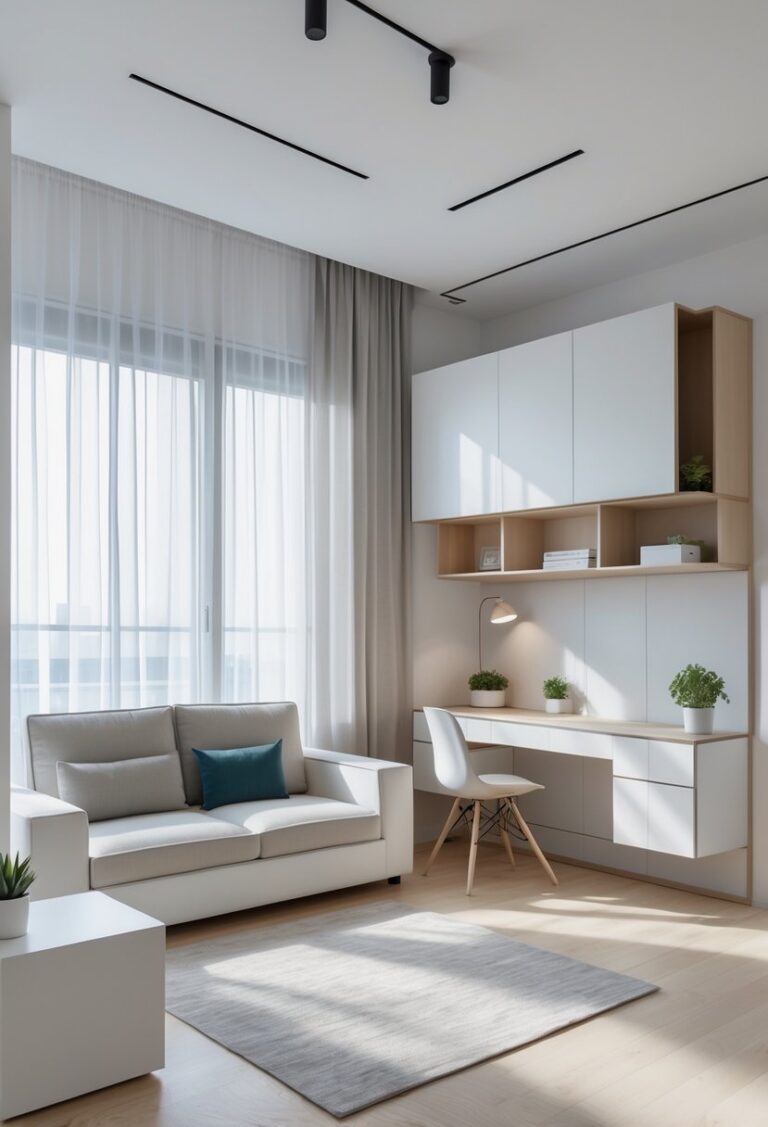
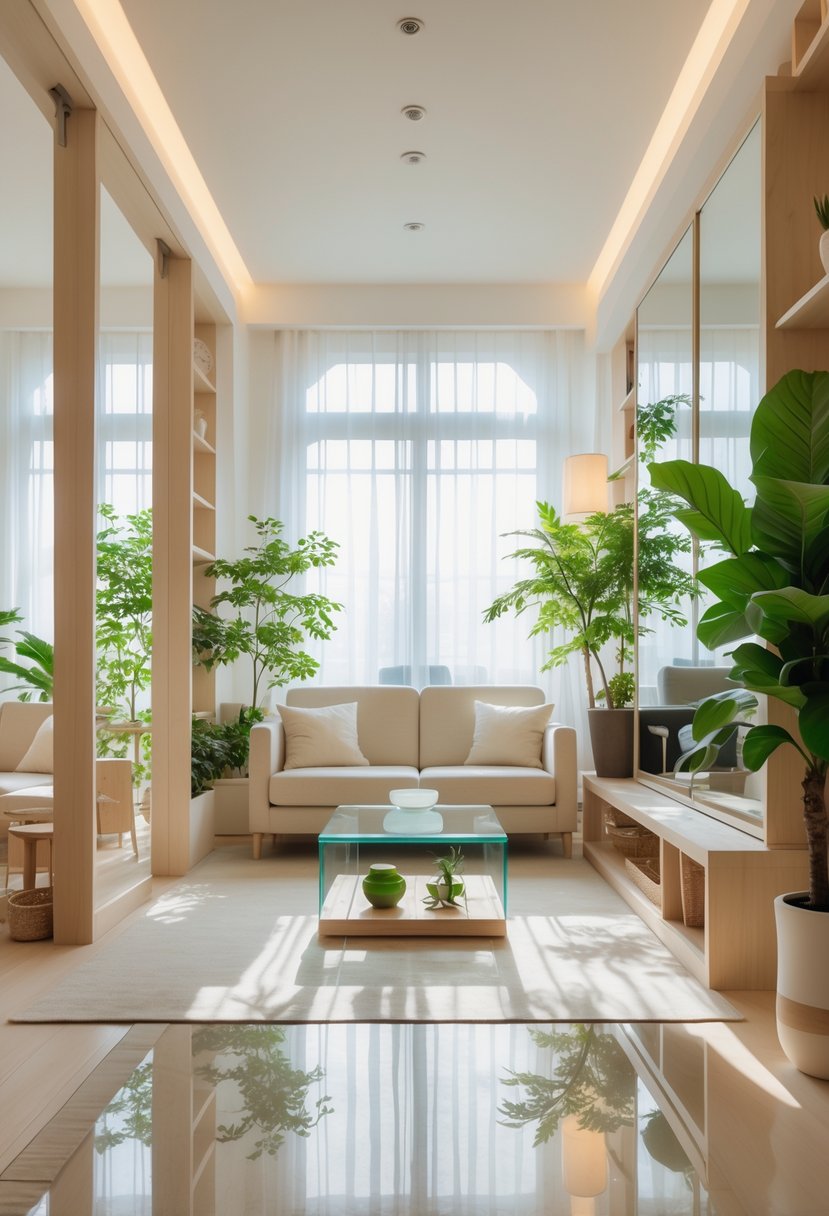
Light is huge for energy. Go for sheer curtains to let in sunlight, then layer in a ceiling light, a reading lamp, and maybe a small accent lamp. A mirror across from a window will bounce light into dark corners and make the whole room feel livelier.
Balancing the Five Elements:
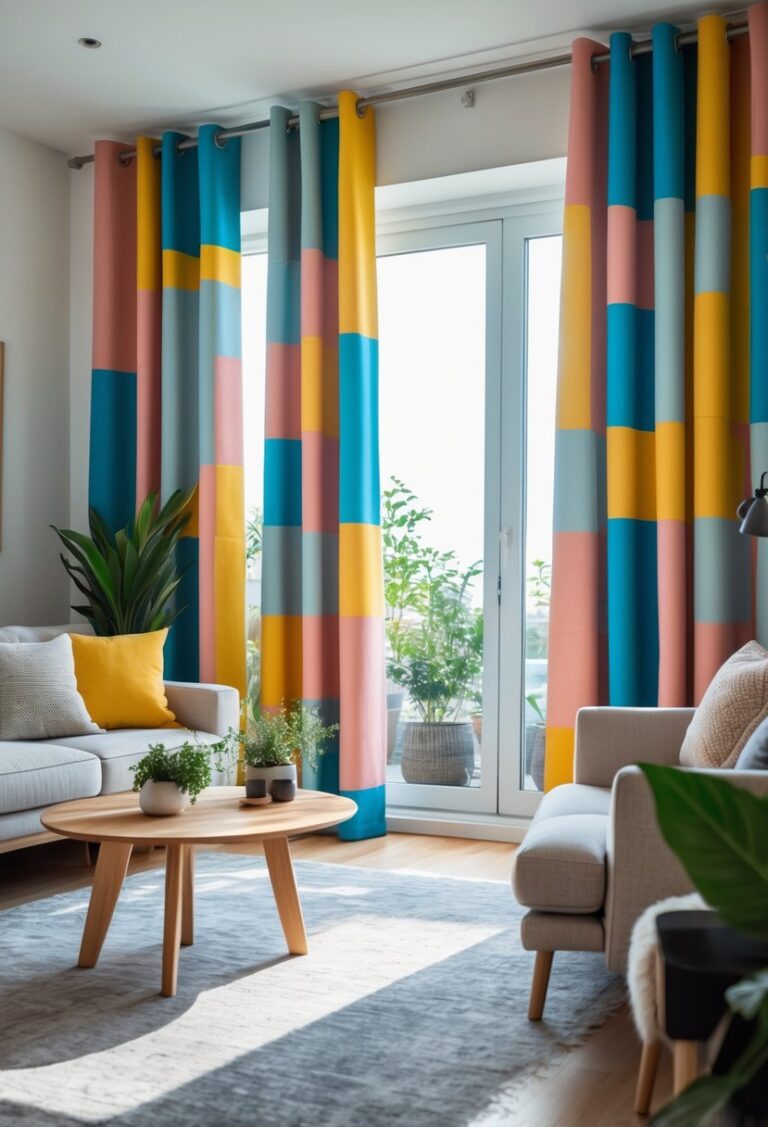
Here’s the fun part: mix in the five elements—wood, fire, earth, metal, water—to keep things grounded but not boring. Wood can be a plant or a wooden frame. Fire? Maybe a pop of red or orange in a pillow or candle. Earth shows up in a clay pot or a beige rug. Metal is easy: a lamp, a bowl, a picture frame. Water could be a mirror or a little fountain if you’re into that.
Don’t go overboard on any one thing. If you’ve got a wood coffee table, toss in a metal lamp and an earthy rug. Quick checklist:
- Wood: plants, wooden frames
- Fire: small accents, candles
- Earth: clay pots, beige textiles
- Metal: lamps, decor bowls
- Water: mirror, glass vase
Applying the Bagua Map:
The bagua map splits your room into nine life areas: wealth, fame, relationships, family, health, creativity, knowledge, career, and helpful people. For a small living room, just pick the three that matter most to you right now—no need to stress over the whole grid.
Want more abundance? Try a healthy plant or a shiny bowl in the wealth corner (that’s the far left from your entrance). For relationships, pairs work: two chairs, two candles, two pillows in the far right. The career zone is near the main door—keep it tidy, maybe add a slim table or a tray for keys.
Honestly, don’t overthink it. Use sticky notes or tape to test where things go before you commit. Move one thing at a time and see how it feels.
Harmonizing Yin and Yang:
Yin is all about rest—think soft textures, gentle colors, cozy throws, and dimmable lights. Yang is energy: bright pops of color, open walkways, a bit of shine. You want both, but not too much of either.
Layer yin in your seating zone—plush cushions, a soft blanket, warm lighting. Add yang where you walk in or work—sleek surfaces, brighter lights, not too much stuff. If the room feels sleepy, toss in a bright pillow or a metal tray. Too chaotic? Soften it up with a rug, curtains, or a leafy plant.
Optimizing Furniture and Layout for Energy Expansion:
Let’s talk furniture: where you put it, how you keep the walkways open, and what pieces actually make sense for a small room. It’s about smart placement and simple swaps that make everything feel less cramped (and, honestly, less stressful).
Furniture Placement for Command Position:
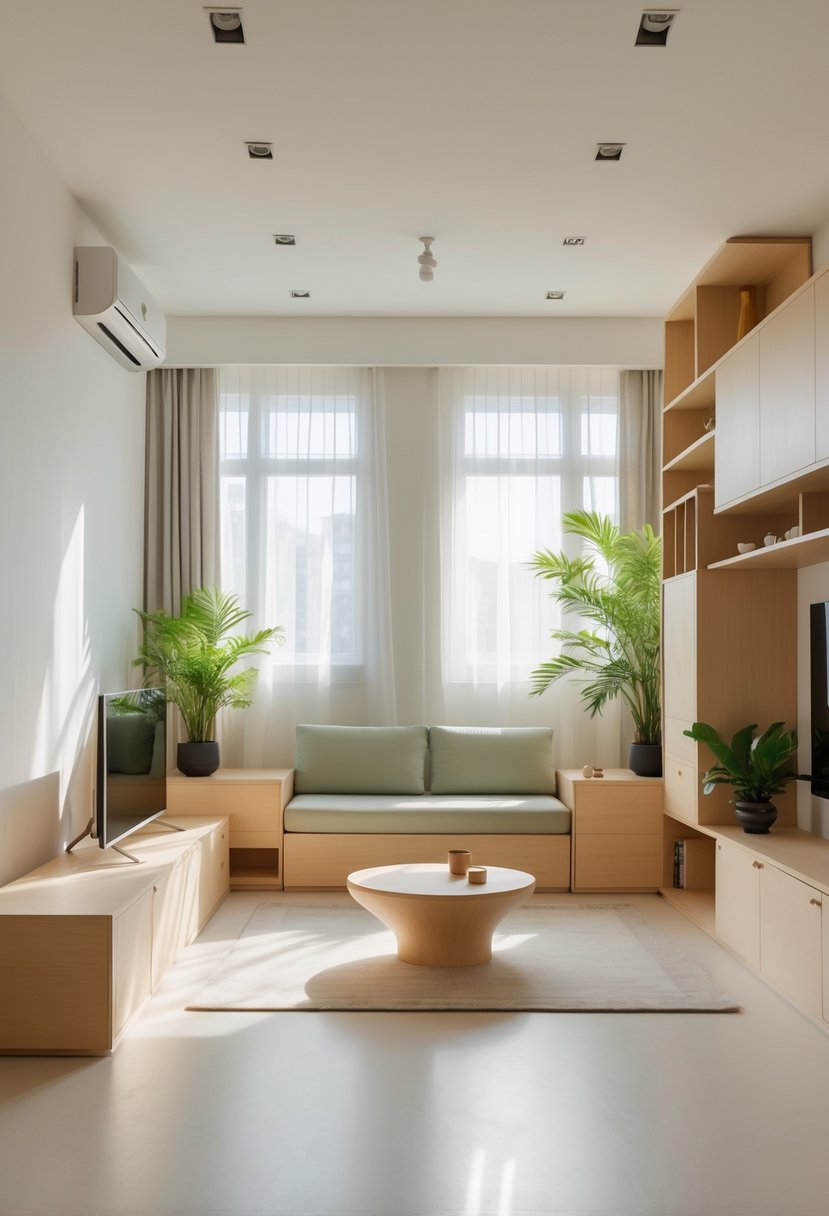
Try putting your main sofa against a solid wall so you’ve got your back covered and can see the door (but not directly in line with it). That’s the classic “command” spot—makes you feel secure without being exposed. If your sofa has to float, slide a console table or tall plant behind it for support.
Keep the TV or main focus a little off-center from the door, so you’re not staring straight into the entryway. Furniture with legs lets light flow underneath and keeps things from feeling heavy. And yeah, don’t cram a giant sectional into a tiny room—a slim sofa works so much better.
Maximizing Clear Pathways:
Make sure you can walk through the room without bumping into stuff—aim for at least 2.5 to 3 feet wide walkways from the door to the seats or window. Move side tables, baskets, or plants that block the way. In tight spots, angle a chair or go for armless seating to open things up.
Round or oval coffee tables are way easier to navigate around than ones with sharp corners. Try to keep as much floor visible as possible—open storage and raised legs help with that airy vibe.
Defining Zones and Conversation Areas:
Group your seating into a conversation area instead of pushing everything against the walls. Try a U-shape or partial circle with the coffee table in the middle—it makes chats easier. Keep the seats 3 to 6 feet apart so you’re close enough to talk but not crowded.
Use a rug, a console, or even different lighting to mark the hangout zone. In open layouts, a narrow table behind the sofa or a tall plant can separate spaces without blocking the flow. It’s about making a cozy area for people to gather, not just stare at the TV.
Space-Saving Furniture Ideas:
Go for multi-use pieces: a modular sofa you can rearrange, or a sleeper for guests. Storage ottomans and coffee tables with hidden compartments are a lifesaver for tucking away messes. Slim, raised-leg designs and nesting tables can disappear when you don’t need them.
Wall-mounted media units keep the floor open and the room feeling light. When in doubt, pick neutral colors and low-profile shapes—your eye will just glide right past them, making the whole space seem bigger.
Light, Mirrors, and Color: Expanding Space and Inviting Energy
Light, mirrors, and color—these are your best friends if you want your small living room to feel open and full of good vibes. Let in as much natural light as possible, layer in soft lamps, place mirrors to catch nice views, and stick to a color palette that feels both chill and energizing.
Maximizing Natural Light and Lighting Choices:
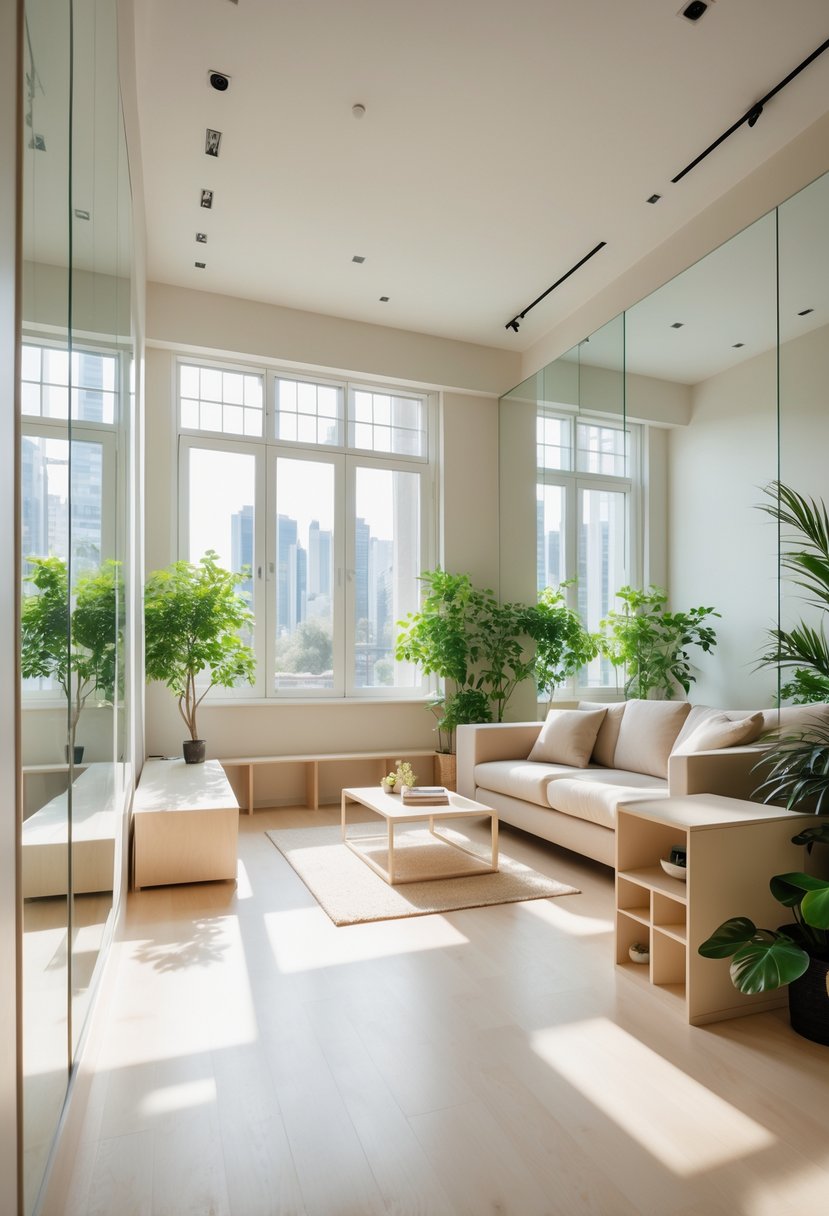
Try arranging your seats and mirrors to catch sunlight from the windows. Sheer curtains or mounting them high makes windows look taller. Skip heavy furniture near the windows—it just eats up light.
Layer your lighting: a cozy overhead, a floor lamp for reading, and a task light for hobbies. Dimmers are handy for changing the mood. Warm bulbs (2700–3000K) keep things inviting but still bright enough for real life.
One big overhead light is harsh—spread out a few softer lights instead. Pale floors and rugs reflect light nicely without adding clutter.
Using Mirrors to Enhance Chi Flow:
Hang a big mirror across from or next to a window to double the sunlight and make the room look wider. If a mirror would face the door, angle it a bit—it’ll bring in light without sending energy right back out.
Pick your mirror frames to set the mood: round ones soften things, while rectangles feel more structured. Don’t let mirrors reflect mess, sharp corners, or your bed if it’s a studio setup.
Want to make ceilings feel higher? Go for a tall, skinny mirror. To widen the room, a horizontal one above the sofa works. And keep those mirrors clean—nothing drags down a room like a dusty or cracked mirror.
Balancing Colors and Materials:
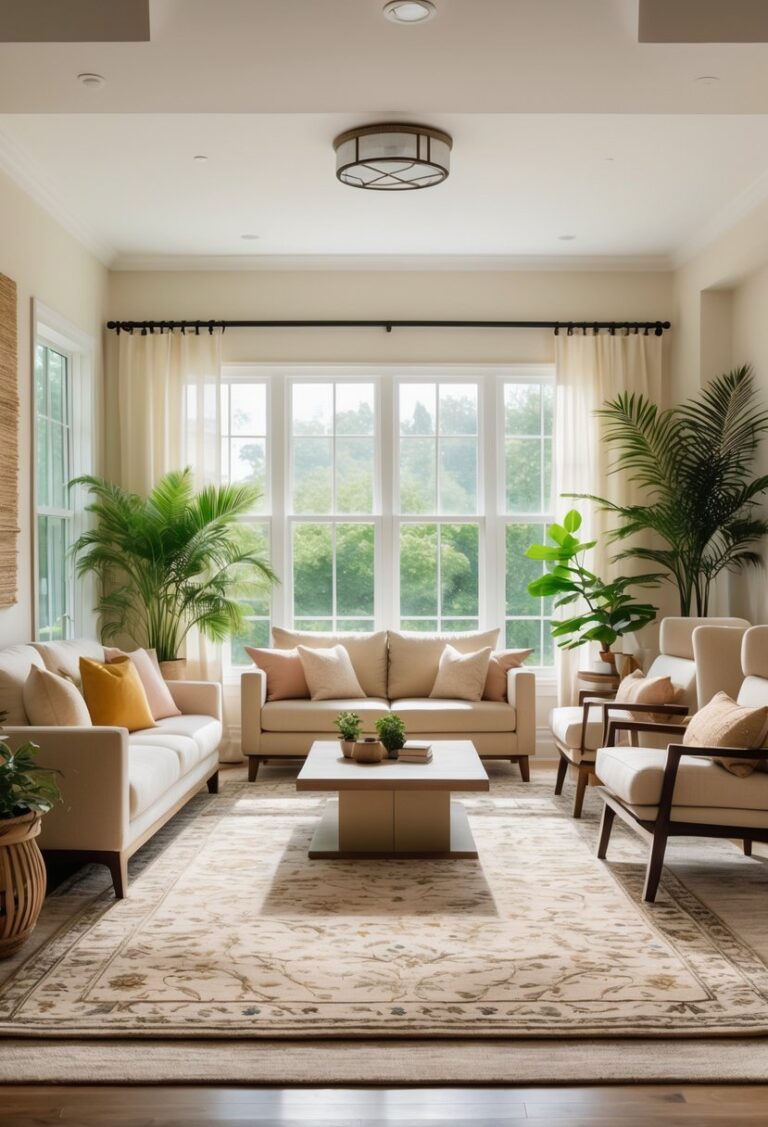
Stick with light, warm wall colors—soft beige, pale green, or warm gray—so things feel open but not sterile. Toss in a couple of bold accents (maybe a burnt orange pillow or a navy vase) for a little spark.
Go for natural stuff: a light wood table, linen pillows, a few shiny ceramics. Wood and textiles ground the space, metal or glass pieces reflect light and keep things crisp.
Don’t overdo high-contrast patterns. Play with textures instead—think woven rugs, matte walls, glossy mirrors. One leafy plant by the window and a water-themed bowl or vase can really pull the whole look together.
Decluttering, Storage Solutions, and Living Decor for Small Spaces:
Keep your surfaces as clear as you can, stash the clutter out of sight, and pick decor that actually lets the room breathe. A couple of smart storage pieces and some well-placed plants can free up floor space, freshen the air, and make the energy in your living room feel way better.
Strategic Decluttering for Positive Energy Flow:
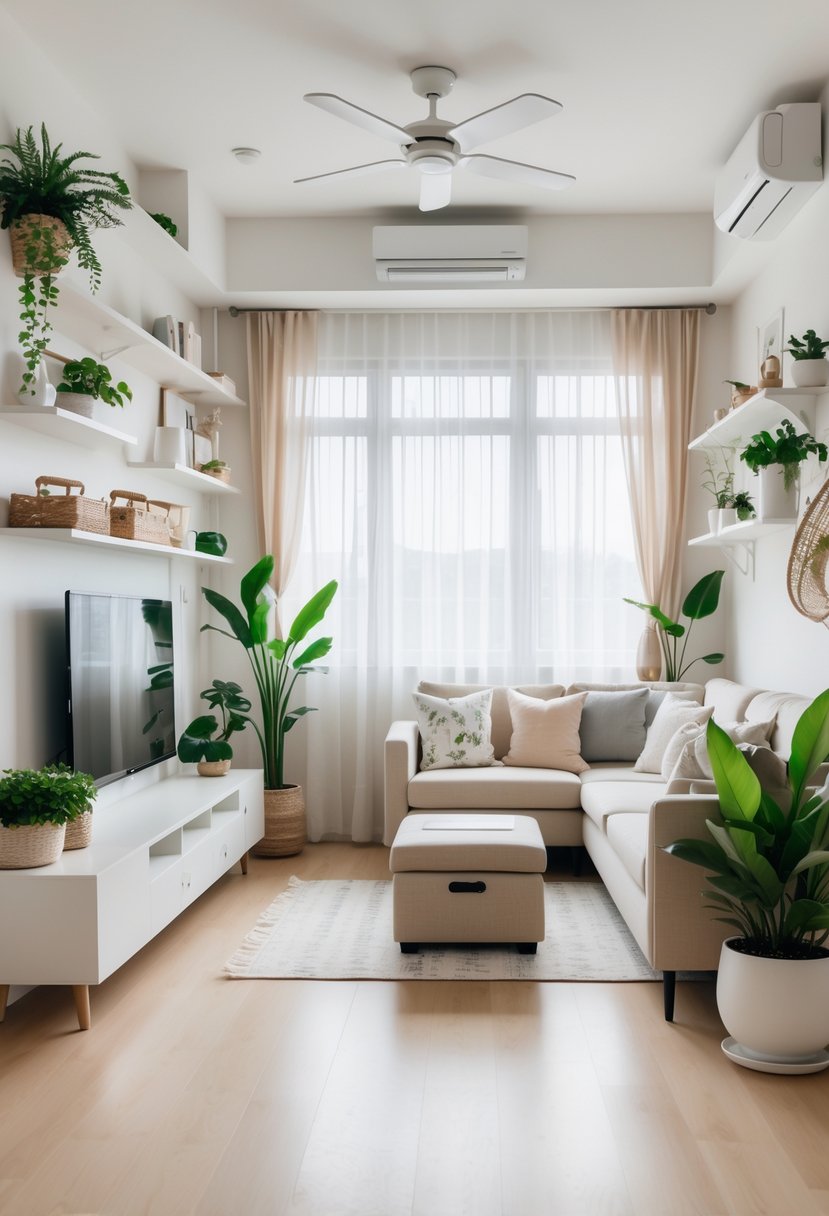
Start by sorting stuff into three piles: keep, donate, and store. Only hang on to things you use weekly or that actually spark some joy. Clear clutter from entryways, coffee table, and TV stands—nothing blocks a room’s vibe faster than random piles everywhere.
Flat surfaces are the main target. Empty out shelves and tabletops, then stick to the 80/20 rule: about 80% clear, 20% display. Small decor bits? Toss them in labeled bins or a storage ottoman, so things don’t get out of hand.
A weekly 15-minute tidy-up—just set a timer—really does wonders to stop stuff from piling up. Stash seasonal things under the bed or up on high shelves, out of your daily orbit.
Creative Storage and Space-Saving Solutions:
Wall-mounted shelves and tall bookcases are the go-to for freeing up floor space. Floating shelves above sofas or behind doors? Super handy for books or those little knickknacks. A slim console table by the door makes a perfect landing spot for keys and mail.
Multifunctional furniture is a must: think storage ottoman for blankets, a coffee table with drawers, or a sofa hiding compartments. Under-bed boxes or low bins work for off-season gear—out of sight, out of mind.
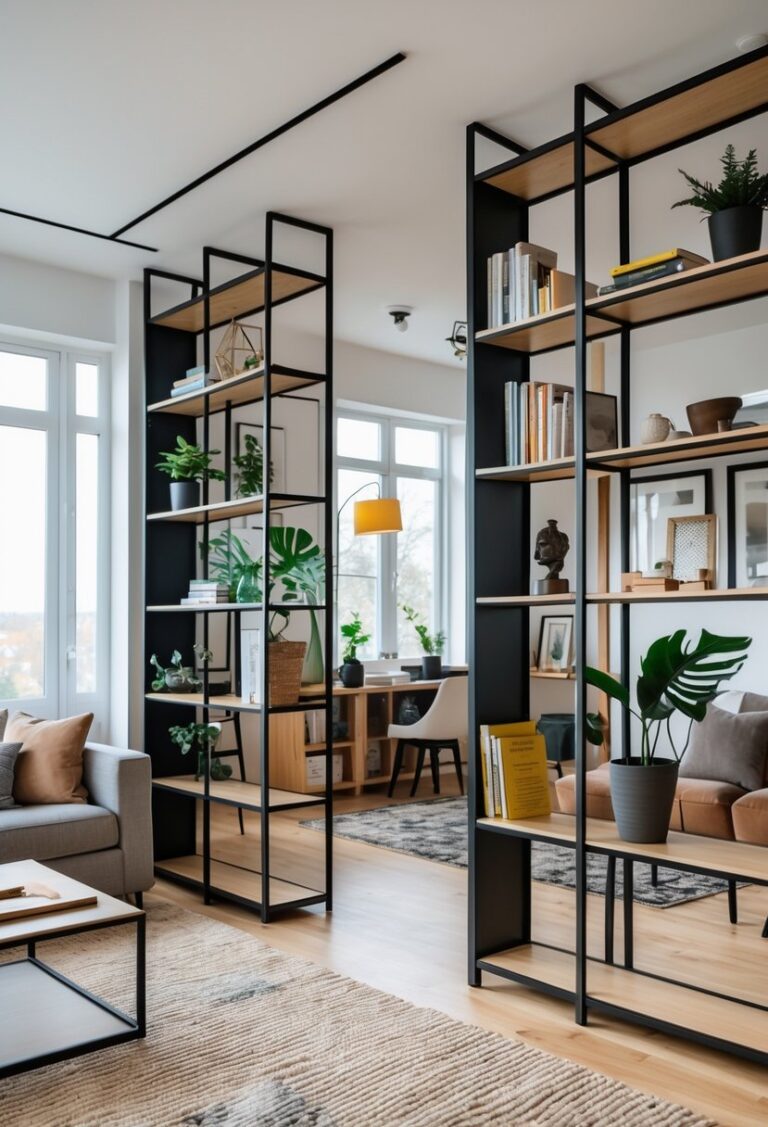
Room dividers that double as storage, like open shelving or tall cabinets, can really help. In tight rooms, foldable or nesting tables are a lifesaver. And seriously, measure your walkways before buying anything—oversized pieces are a headache you don’t need.
Integrating Indoor Plants for Air and Energy:
Air-purifying plants that don’t need much fuss are ideal: snake plant, pothos, money plant. Snake plant does fine near the TV or in a dim corner—barely needs light and helps with air quality. Pothos can trail from a high shelf, adding a little jungle vibe up high.
Keep plant pots up on wall planters or skinny stands to save floor space. Cluster smaller plants on floating shelves instead of scattering them everywhere. Rotate them for decent light and trim off any sad leaves—no one likes a droopy plant.
Match plant size to your space. One tall plant in a corner can actually make the room feel calmer without crowding things. Ceramic or woven pots add a bit of earthy texture and help balance out the room’s look.
Selecting Rounded and Curved Furniture:
Rounded furniture just makes everything flow better and cuts down on those sharp “poison arrows.” A curved coffee table or sofa softens the space and makes squeezing by less awkward. Always measure doorways first—curved pieces can be surprisingly bulky.
Chairs and tables with gentle edges are way easier in busy spots. Rounded ottomans double as seating and storage, and you won’t stub your toe on a corner. Light-colored upholstery and slim legs keep things from feeling heavy.
Balance all those curves with some straight lines—wall shelves work well for that. Stick to compact, curved pieces in wood or metal to keep the room open and let energy move around more freely.
Frequently Asked Questions:
This section’s all about practical answers for arranging a small living room so there’s better energy, light, and movement. You’ll find tips on where to put furniture, how to handle clutter, what lighting actually works, and what to avoid if you want the room to feel bigger and more balanced.
What are the key principles of Feng Shui to consider when arranging a small living room?
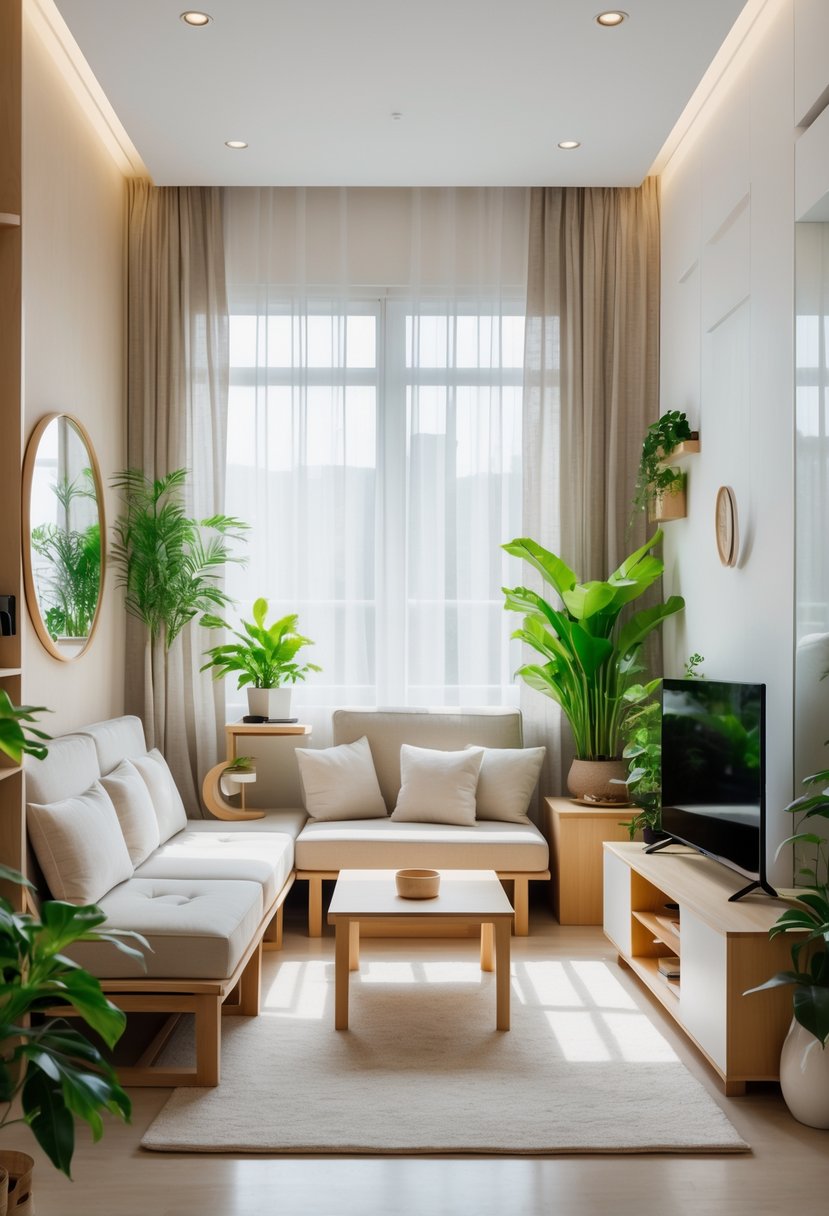
Clear pathways, balanced lighting, and a solid anchor piece—like a sofa backed by a wall—are the big ones. Tidy surfaces and skip anything that blocks the route from the door to the window.
Stick with light, neutral wall colors to bounce light around and make the space feel bigger. Layer your lighting—overhead, table, floor lamps—so those dark corners don’t drag the vibe down.
Mix in natural elements here and there: a healthy plant for wood energy, a lamp or even a little red accent for fire, and round shapes to soften up the corners. Raised-leg furniture helps the floor look more open, too.
How can I arrange my furniture in a small living room to follow Feng Shui and still save space?
Put your sofa in the “command” spot—back to a wall, facing the door if possible. If it has to float, set a slim console table or tall plant behind it for support.
Leave a walkway at least 2.5 to 3 feet wide from the door to the main seating and windows. Go for round or oval coffee tables and don’t block entrances or walkways with anything giant.
Pick small-scale, multifunctional pieces—storage ottomans, nesting tables, wall shelves. Raised legs on furniture keep the floor visible and make the whole space feel lighter.
What Feng Shui elements should be avoided in small living room layouts to maintain positive energy?
Try to keep clutter off surfaces and out of corners—piles on the floor just seem to block Qi and somehow make everything feel tighter. Oversized furniture that dominates the room or blocks main paths? Not a great idea; it really throws off the flow and just gets in the way.
Sharp table corners aimed at where people sit or at the front door can feel a bit aggressive. It’s probably best to steer clear of mirrors facing the entry or reflecting messy spots, since that tends to bounce energy right back out or highlight things you’d rather not see.
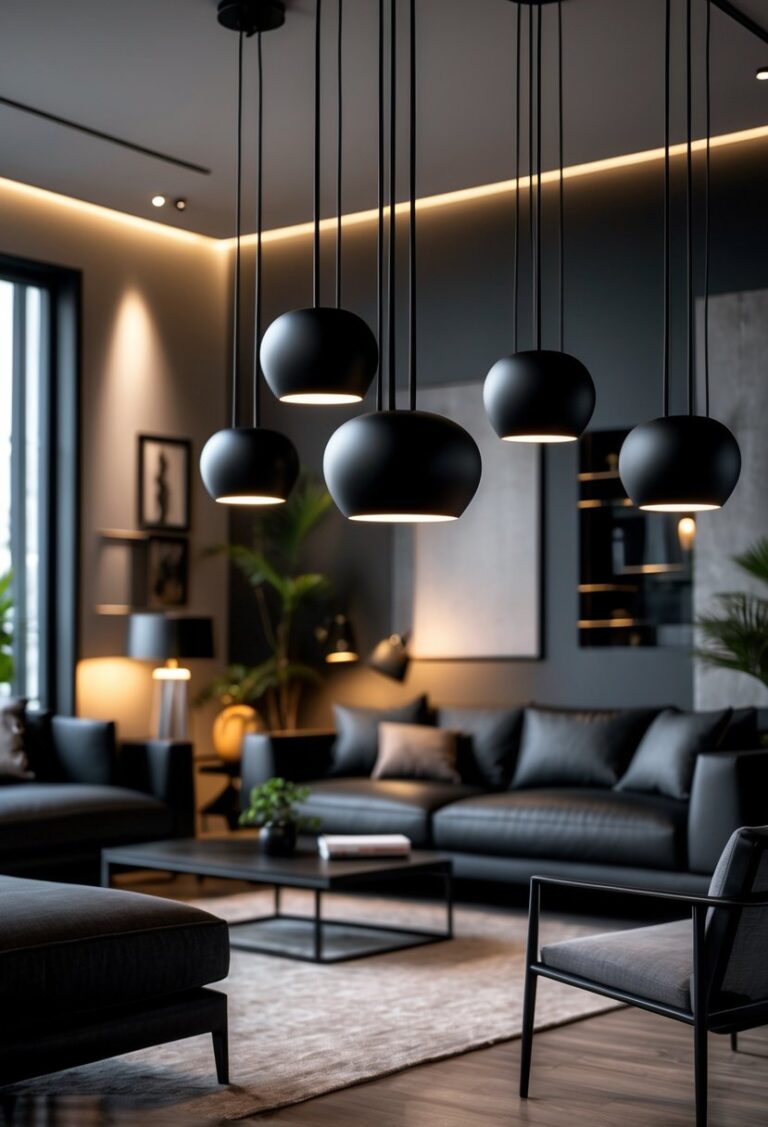
Heavy, dark color schemes on every wall can weigh down a small space, making it feel boxed in. And, honestly, a mirror directly across from the sofa that keeps catching your reflection? That’s just kind of weird and a little unsettling for most folks.