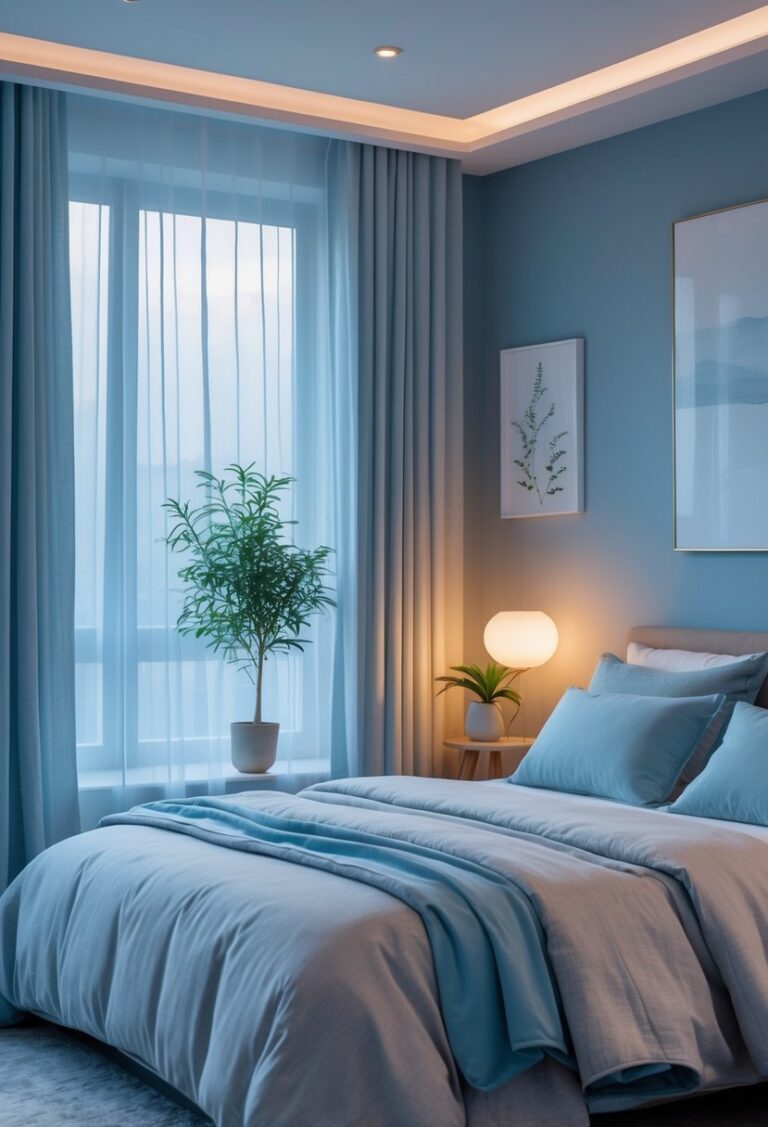
Feng Shui Your Bedroom: Dos and Don’ts
Feng shui is all about creating a bedroom vibe that feels balanced with whoever’s using the space. In practice, that means arranging things—furniture, lighting, decor—so the energy feels chill and supportive. Where the bed goes, how tidy the surfaces are, and the colors you pick all play into making a room that encourages better sleep and a clearer mind. Honestly, who doesn’t want that?

If you get the basics of feng shui right, the bedroom feels more like a personal retreat than a messy catch-all. Simple tweaks—like bed placement, what you leave out on nightstands, and how sunlight comes in—can make a surprising difference. There are some practical dos and don’ts, but honestly, it’s not rocket science.
Feng Shui Bedroom Rules:
Feng Shui encourages balance, flow, and comfort in the bedroom. Begin by considering the elements of the space—air, light, color, and shape. Ensuring that these elements work in harmony will enhance your restfulness. Additionally, follow simple guidelines such as positioning your furniture thoughtfully and minimizing clutter to promote a calming atmosphere.

Position the Bed to Face the Room Securely:
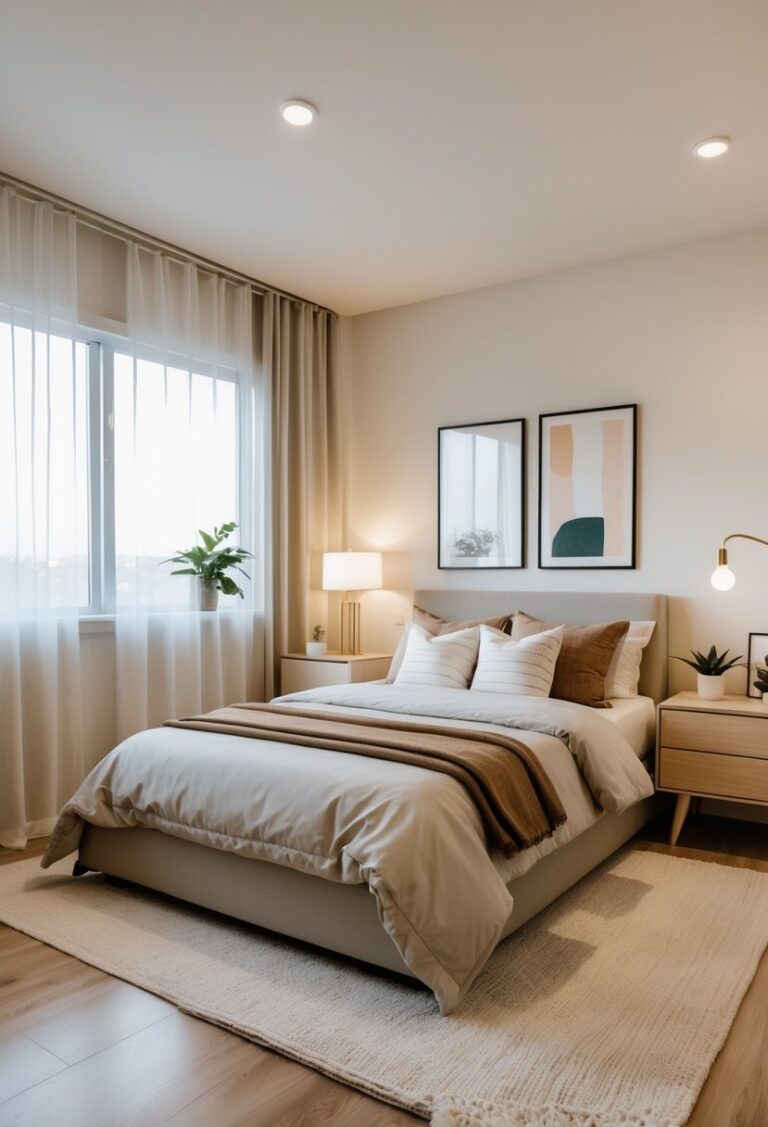
Ideally, you want to see the bedroom door from bed, but not line up directly with it. That so-called “command” spot just feels safer, more in control. Nightstands on both sides help anchor the bed and balance things out—it’s one of those little details that really does matter.

Use a Solid Headboard for Support:
There’s something about a solid, sturdy headboard that just feels safe. Go for one without sharp corners, and stick to solid materials if you can. It’s a subtle thing, but it helps the room feel grounded. Earthy colors and soft curves don’t hurt either.

Keep the Space Under the Bed Clear:
Stashing stuff under the bed? Try not to. Leaving that space open lets energy move around and stops things from getting stagnant. If you absolutely need storage, keep it neat—only calming stuff like extra blankets or linens, nothing random.

Limit Electronic Devices in the Room:
Less tech by the bed equals better sleep. Electronics pump out yang energy and those weird EMFs, which can mess with your rest. If you can, put phones, TVs, and laptops somewhere else—at least out of arm’s reach.

Arrange Furniture Symmetrically:
Mirrored layouts—matching lamps, nightstands, whatever—bring a sense of balance that’s oddly calming. Symmetry just feels good and helps the whole room vibe together. It’s not about being rigid, just a little intentional.

Choose Calm, Neutral Color Schemes:
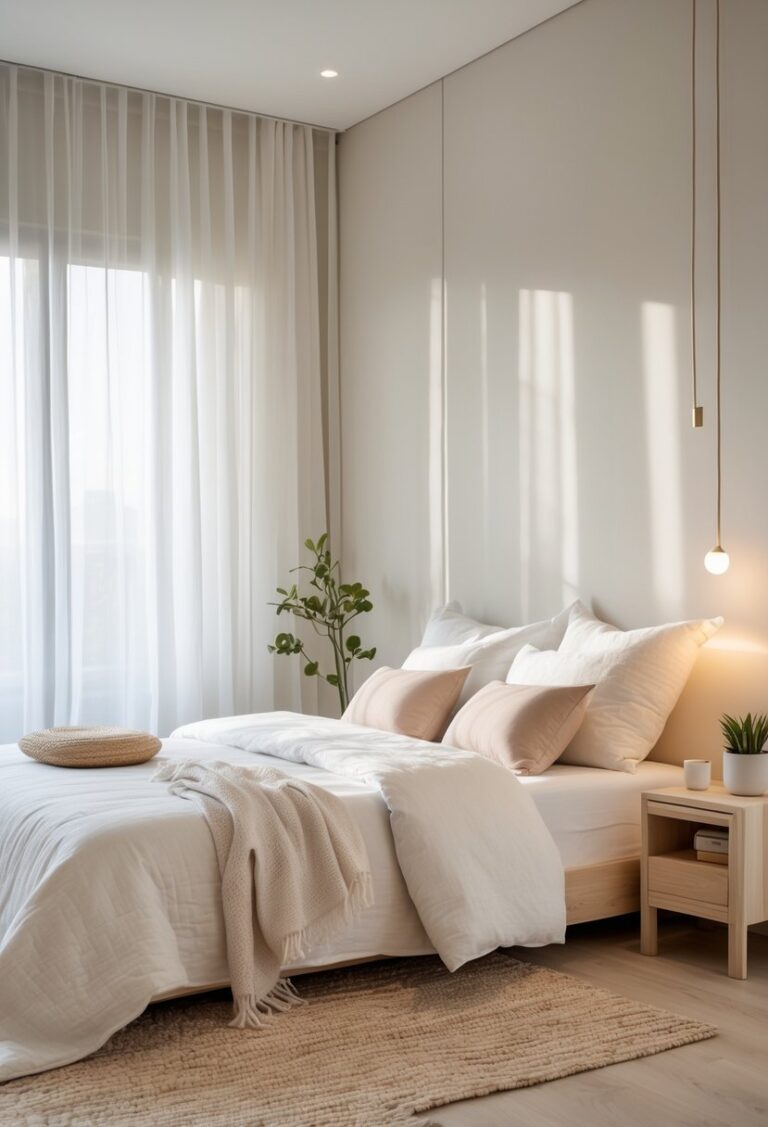
Stick with neutrals: beige, soft grays, warm whites, gentle earth tones. They keep things mellow and help your mind slow down. There’s color psychology at play here, so use soft shades for walls, bedding, and bigger furniture pieces. It really does help.

Pick Art That Soothes:
Artwork should make you feel good or at least not agitated. Think landscapes, gentle abstracts, or muted prints. Skip anything too intense or busy—it’s your bedroom, not a gallery.

Store Books Outside the Sleeping Area:
Stacks of books can make your mind race when you’re supposed to be winding down. If you can, keep them in another room. If not, tuck them away in a drawer or on a shelf that’s not right next to the bed.

Remove Exercise Gear from the Bedroom:
Workout stuff brings in a totally different energy—active, not restful. Treadmills, weights, yoga mats… they all belong in a workout zone, not where you sleep. Keep your bedroom for sleep and relaxation, not sweating.

Keep Work and Rest Zones Separate:
Desks right next to the bed? Not ideal. Mixing work and sleep spaces makes it harder to mentally switch off. If you’re short on space, try a divider, different lighting, or even just a color change to mark out the work area. It’s worth the effort.

Consider Your Bed Size:
When selecting a bed, ensure it’s proportionate to the room and provides ample space for restful sleep. A bed that’s too large can overwhelm the room, while one that’s too small may make the space feel cramped. Aim for a balance where you have enough room to move comfortably, promoting relaxation and positive energy flow.

Match the Room Scale:
Pick a bed that fits your room—not too huge, not too small. A giant bed in a small space just crowds everything, while a tiny bed can make the room feel weirdly empty. Leave a couple feet on the sides if you can swing it.
- Try for 2–3 feet of walking space around the bed.
- Platform or low-profile beds are great for smaller rooms—less visual bulk.
- For couples, a single wide mattress (like a queen or full) feels more unified than two beds pushed together.
Practical tip: Sketch out your room with the furniture before you move anything. It saves a lot of hassle.

Add Just Enough Plants:
Plants bring life and freshness to your bedroom. However, it’s important to add just the right amount to avoid overwhelming the space. Choose plants that purify the air and promote tranquility without cluttering the room. Low-maintenance plants like peace lilies or snake plants are great choices for maintaining Feng Shui in the bedroom.

Pick a Calm, Low-Maintenance Plant:
Plants are great, but you don’t need a jungle in your bedroom. One or two small-to-medium ones are plenty. Peace lilies are a solid choice—they clean the air and don’t need much. Snake plants and pothos are also easy if you’re not a plant person.
- Don’t block pathways or your view with plants.
- Match pot size to plant size, or it just looks messy.
- Water them regularly and pluck off dead leaves. Easy.
Pick pots and stands that go with your style, but nothing too flashy. Plants should feel like part of the room, not take it over.

Be Selective About Linens:
Go for soft, breathable bedding made from natural fibers—cotton, linen, bamboo. They help your skin breathe and just feel better overall. Stick with muted, calming colors. Rough or synthetic fabrics? Honestly, they’re not worth it. Good linens make a big difference in how you sleep.

Bring Fresh Blooms Into the Room:
Fresh flowers add a little beauty and a soft scent that can instantly lift the mood. Keep bouquets simple—roses, lilies, peonies, whatever you like—and swap them out when they start to wilt. It’s a small touch, but it keeps the energy feeling light and fresh. Plus, who doesn’t love flowers?

Cleanse Your Bedroom:
Keep things tidy and dust-free so energy isn’t getting stuck. Regular vacuuming, wiping down surfaces, and clearing out clutter helps a ton. If you’re into rituals, try diffusing gentle essential oils or smudging with sage every once in a while. It’s not strictly required, but it feels nice.

Place Mirrors Appropriately:
Mirrors can be powerful tools for enhancing energy, but their placement is key. Avoid placing mirrors directly facing the bed, as they can disrupt sleep and energy flow. Instead, use mirrors to reflect positive energy and light in areas where they won’t interfere with your rest.

Avoid Reflecting the Bed:
Mirrors shouldn’t face the bed or whoever’s sleeping there. It’s said to mess with calm energy and can make you feel unsettled. Instead, angle mirrors so they reflect walls, art, or light—just not the bed itself.
Use Mirrors to Boost Light and Flow:
Mirrors are awesome for bouncing light into dark corners or making a tight room feel bigger. Just keep them angled away from the bed, and you’re good. Freestanding or wall mirrors both do the trick.
Quick tips
- Angle mirrors so you don’t see yourself from bed.
- Simple, sturdy frames look best.
- Check the placement at night—sometimes reflections are sneakier than you think.

What Direction Should the Bed Face?
There’s no one-size-fits-all answer, but south or east-facing beds are generally considered good for sleep and steady energy. Start there, and see how it feels. Sometimes you just have to try a direction for a while and trust your gut.
Tip: Switch it up every few weeks until you find what works best for you.

What Should Be in a Bedroom for Better Feng Shui?
Secure bed placement: solid headboard, easy access on both sides—helps with relationship harmony too.
Soothing colors and soft linens: set the stage for rest.
Natural touches: a plant or some wood accents keep things grounded.
Minimal decor: less stuff, less stress.

What Bed Placement to Avoid in Feng Shui?
Don’t put your bed right under a window or directly in line with the door.
Especially avoid having your feet point straight at the door—it just feels off.
These spots can make you feel exposed, mess with energy flow, and honestly, sleep suffers.

Feng Shui Don’ts for Bedrooms:
When practicing Feng Shui in your bedroom, there are certain things to avoid.
- Don’t put mirrors right where they catch you in bed—honestly, it’s unsettling and might mess with your sleep.
- Clutter and tangled cords? Nope. They just make the room feel heavy, like you can’t quite breathe right in there.
- Try to keep electronics to a minimum. All those screens and blinking lights? Not exactly the vibe for winding down.
- Harsh overhead lights are a mood killer. Go for softer lamps or a dimmer if you can—your future sleepy self will thank you.