Your Dream Bathroom Makeover: Smart Style & Savings for a Reality Budget
You really can get that dream bathroom vibe without draining your bank account. The trick? Focus on a few upgrades that actually matter, get creative with what you already have, and DIY when it makes sense. If you target layout, fixtures, and storage first, you’ll see the biggest jump in style and function for the least cash.
This guide digs into setting a budget that’s actually doable, figuring out a layout that works, and picking those upgrades—like lighting, a fresh vanity face, or new hardware—that make the biggest difference without blowing your budget. You’ll get real-world tips on materials, how to reuse what you can, and when it’s worth calling in a pro so you don’t end up stuck mid-renovation (we’ve all been there, right?).
There’s also a bunch on clever storage, ballpark costs, and some honest talk about DIY vs. hiring out. Basically, you’ll have a roadmap from “just an idea” to “actually happening”—and your wallet won’t hate you for it.
Planning Your Dream Bathroom:
Money, layout, fixtures, timing—get those sorted up front and you’ll save yourself a lot of stress. Figure out what’s gotta go, measure everything (seriously, everything), and sketch out a timeline that isn’t wildly optimistic. Pad it with a few extra days for the inevitable hiccups.
Setting a Realistic Budget:
Start with a hard ceiling for spending and a little wiggle room—10–15% extra is smart. Break down the big stuff: labor, fixtures, flooring, plumbing, electrical, and, yes, the mess you’ll have to haul away. Labor is usually the priciest bit, so get at least three quotes and see who clicks.
Keep tabs on your numbers with a simple table like this:
| Item | Estimated | Actual |
|---|---|---|
| Labor | $ | $ |
| Fixtures | $ | $ |
| Materials | $ | $ |
| Contingency (10–15%) | $ | $ |
Decide where you’ll splurge—maybe the vanity, maybe that shower tile you’ve been eyeing—and where you can get away with saving (paint and hardware, anyone?). If you’re doing a budget remodel, focus on stuff that keeps water where it belongs and the bathroom usable.
Defining Must-Have Features:
Jot down your top 3–5 non-negotiables. Maybe it’s a walk-in shower with a bench, maybe heated floors, or just a double vanity so you’re not elbowing someone every morning. Rank them by what matters most—and what’ll hit your wallet hardest.
Split your list into “needs” and “wants”—use columns or just number them. It’ll help when you have to make trade-offs mid-project. If something means moving pipes, flag it now so you’re not blindsided by the cost later.
Think about materials tied to each feature. For example, if you’ve got a busy home, quartz counters are a lifesaver. If the budget’s tight, go for a modest tile upgrade and keep the plumbing where it is.
Assessing the Existing Space:
Measure the room—walls, ceiling, doors, windows, all of it. Take photos from every angle. It’s not glamorous, but it saves headaches.
Peek under the surface—subfloor, drywall, vents. Little things like rot or mold can snowball fast, so spot them early. If you’re not sure, have a contractor take a look. And note if anything’s too heavy or awkward to move without major work.
Find your plumbing stack and electrical panel. Keeping the toilet, sink, and shower where they are? That’s your golden ticket to saving on labor. Moving them gets expensive, fast.
Mapping Out Your Project Timeline:
Lay out each step—demo, plumbing, electrical, drywall, tile, fixtures, inspections—with start and end dates. Add cushion for permits, backordered stuff, or the surprise leak you find mid-demo.
A quick checklist or even a calendar does the trick:
- Permits requested
- Demo done
- Plumbing/electrical rough-in
- Inspections passed
- Tile and flooring in
- Fixtures installed
- Final inspection and cleanup
Plan ahead for lead times—custom vanities or special tiles can take weeks. Make sure your contractors are actually available before you sign anything.
Strategic Upgrades for Maximum Impact:
Spend where it shows: surfaces, flooring, fixtures, and good lighting. Sometimes just a new paint color, faucet, or better lights makes the whole room feel new—no need to rip it all out.
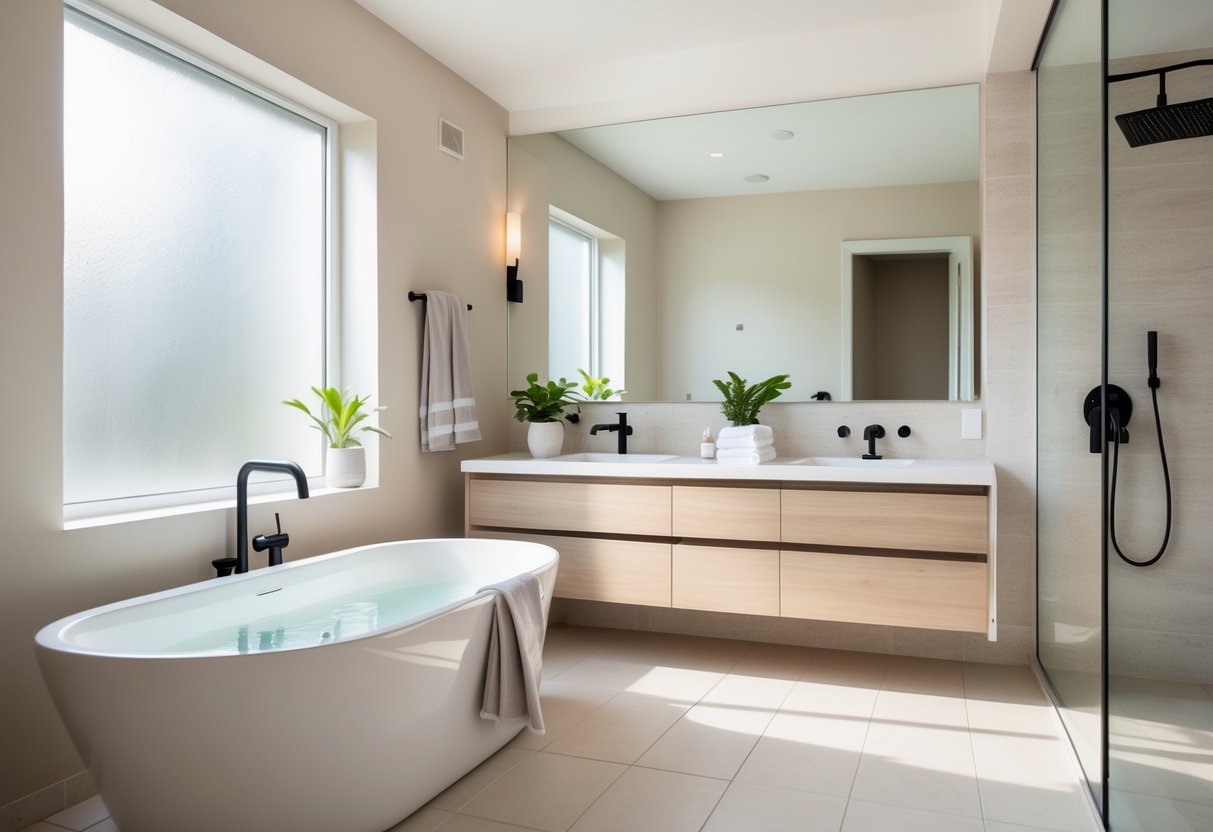
Paint and Surface Improvements:
Go with mildew-resistant satin or semi-gloss paint on walls and trim. They’re easier to wipe down and don’t get weird in the humidity. Painting the ceiling a touch lighter than the walls can help the space feel a bit taller—just a little trick.
If your vanity’s solid but tired, sand it, prime with something moisture-blocking, and repaint. Swapping out knobs or pulls for matching hardware pulls everything together.
Countertops can get a facelift with resurfacing kits or a new laminate that fakes the stone look. Peel-and-stick wallpaper on an accent wall? Surprisingly effective and easy to swap out if you get bored.
Affordable Tile Options:
Large-format porcelain floor tiles are tough and have fewer grout lines to scrub—always a plus. Porcelain beats ceramic for wet areas, hands down.
On a budget, peel-and-stick luxury vinyl tile (LVT) or floor tiles can work wonders. They’re waterproof, warm, and quick to put down. Use a good underlayment if it’s called for.
For showers, sometimes you can reglaze old tile or just retile the parts you actually see. Stick to one tile size for a cleaner look, and pick grout that won’t show every speck of dirt. If you do tile, make sure it’s installed right and the grout’s sealed—no shortcuts.
Fixture and Hardware Updates:
Swapping a faucet and drain can totally refresh the look (often for under $200). Match your metals—faucets, pulls, towel bars—for a pulled-together feel.
If you can, refurbish what you’ve got. Polishing up old brass beats tossing out a solid vintage piece. If your vanity’s sturdy, just replace the top and hardware instead of buying new.
For fixtures, go for quality where it counts—valve cartridges, ceramic discs—so you don’t end up with leaks. Spending a little more here saves headaches later. Adding a new outlet or recessed medicine cabinet can boost storage without a major overhaul.
Lighting and Mood Enhancements:
Layer your lighting—task lights (sconces by the mirror), overhead ambient, and maybe a dimmer. You’ll thank yourself when you’re not blinded at 2 a.m.
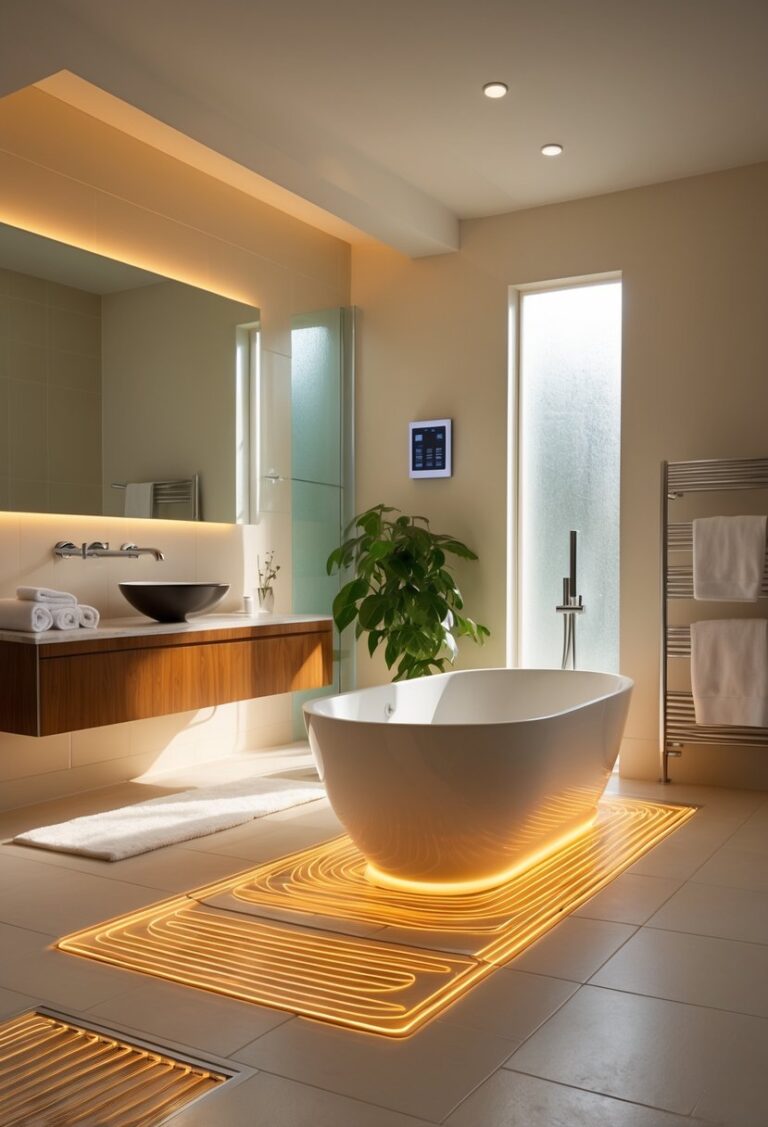
Look for LED fixtures in the 3000–4000K range so it’s not too harsh or too yellow. Over showers, use waterproof-rated lights. Want some mood? LED strips under cabinets or vanities add a soft glow and can hide less-than-perfect floor edges.
If rewiring isn’t in the cards, just swap in high-CRI LED bulbs and add a plug-in lamp to the vanity. It’s a quick fix that can totally change the vibe.
Practical Solutions for Style and Storage:
Let’s get real—storage is always tight. Here’s how to add more without making it look cluttered. We’re talking space-saving tricks, smart wall shelves, and small swaps that make your morning routine smoother.
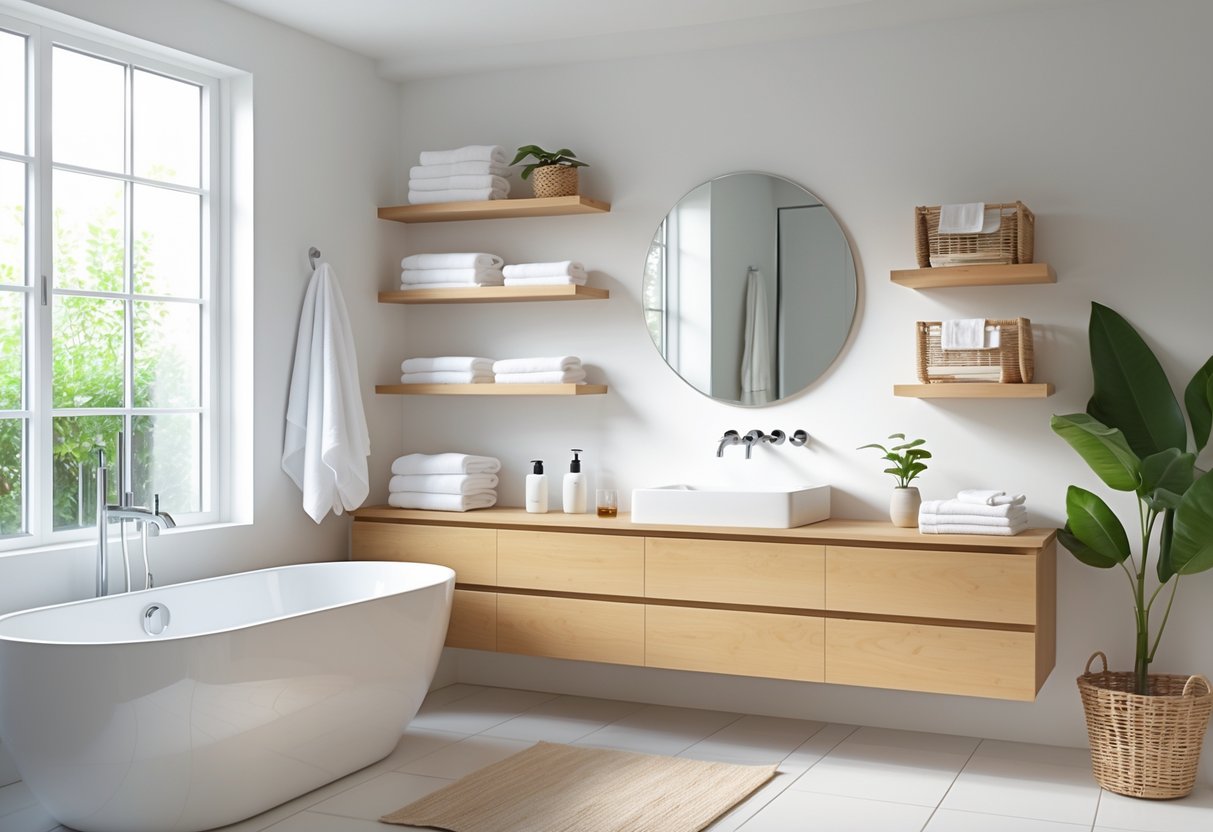
Smart Storage Ideas:
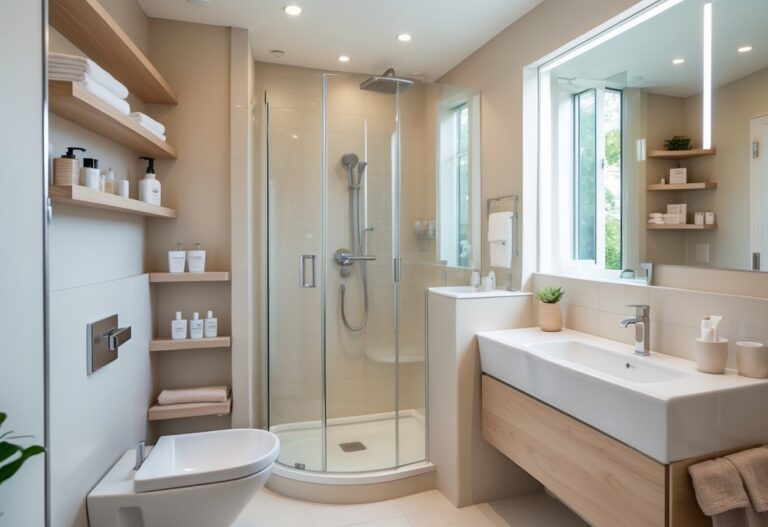
Look up—vertical space is your friend. Try an over-the-toilet shelf or a slim cabinet tucked behind the tank for backup TP and baskets. Rolling carts (as skinny as 6–8 inches) fit between fixtures for all those random bottles and cleaning stuff.
Under the sink, drawer dividers and stackable bins help you work around the pipes. A tension rod inside the cabinet is great for hanging spray bottles. For corners, a triangular shelf or a mini ladder shelf makes use of dead space.
Magnetic strips or stick-on hooks on cabinet doors are perfect for bobby pins, tweezers, and brushes. Label clear bins so you’re not digging for stuff. These tweaks keep counters clear and mean you don’t have to buy a giant new cabinet.
Floating Shelves and Cabinetry:
Floating shelves are easy and modern. Go for 6–8 inches deep—plenty for toiletries and baskets. Hang the lowest one at least 18 inches above the toilet so you’re not knocking things off.
Shallow cabinets (8–10 inches) work above toilets or next to vanities. Recessed medicine cabinets sneak in extra space without eating up the room. Adjustable glass shelves and a bit of LED strip lighting go a long way for both style and function.
Stick to moisture-resistant materials like PVC or sealed plywood near wet zones. Mount shelves to studs or use anchors that hold at least 15–20 pounds. Mix open floating shelves with one closed cabinet—hide the mess, keep the essentials handy.
Selecting Functional Accessories:
Even little swaps can make your life easier. Ditch the bulky toilet paper stand for a wall-mount holder—just make sure it’s 24–30 inches from the toilet so you’re not reaching. Choose a rust-proof curtain rod and a mildew-resistant fabric curtain to save yourself some cleaning.
Multi-use hooks and racks on the back of the door or walls free up towel bars and keep wet towels off the counter. A slim toothbrush cup or wall-mounted dispenser clears up space too.
Pick matching finishes—brushed nickel or matte black are both solid choices—so everything looks intentional. These small, practical upgrades pull the room together and save you from dropping cash on new fixtures you don’t really need.
Execution, Costs, and Working with Pros:
This is where everything gets real—plans become work orders, and suddenly there are invoices. You’ll be making calls about whether to go DIY or hire help, what’s really driving up costs (spoiler: it’s usually labor and materials), and which permits or trades you can’t skip. Oh, and you’ll need a few tricks to keep the budget under control.
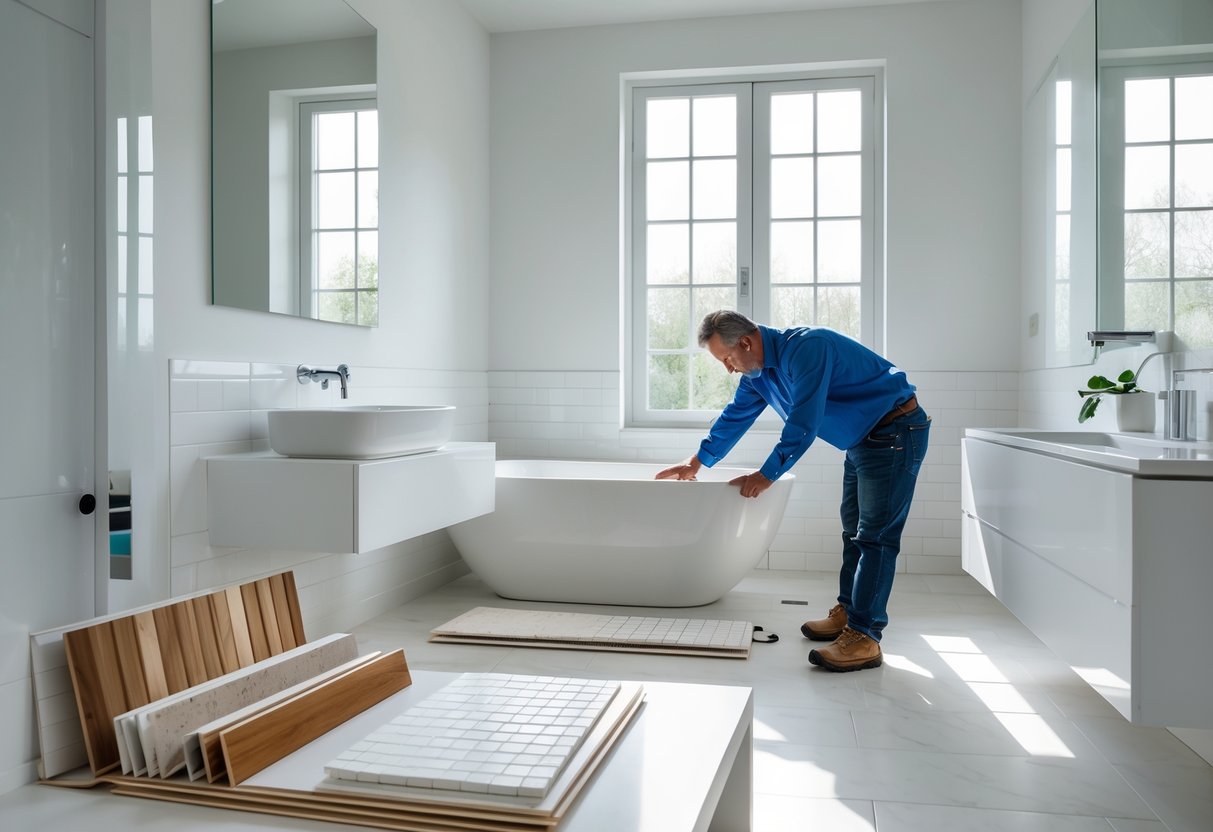
DIY Versus Hiring a Contractor:
Take a minute to think about your skills, your schedule, and—honestly—what your local codes demand before diving into DIY. Painting, hanging towel bars, or swapping out a faucet? Most folks can handle that and save some cash. But if you’re talking about moving pipes, messing with electrical, or taking out walls, that’s where a licensed contractor really earns their keep. Skip the pro and you could be paying for mistakes for years.
Contractors usually handle the big picture: permits, scheduling, wrangling subs for demo, framing, plumbing, and electrical. Don’t just hire the first name you Google—get at least three bids, double-check licenses and insurance, and ask for references. A written scope with clear milestones is your friend. If you care about how it looks (and who doesn’t?), a designer can sketch out plans so contractors can actually give you real numbers.
Understanding Labor and Material Costs:
Labor isn’t cheap—expect it to eat up 30–50% of a midrange bathroom reno budget. Plumbers and electricians? They’re pricier than tilers or painters, thanks to all that licensing and know-how. Moving plumbing around? That’s gonna cost extra, both in labor and time for demo and new rough-ins.
Materials are all over the map. Porcelain tile? Way cheaper than stone. Cast-iron tub? That’ll set you back more than an acrylic one. Even small upgrades, like water-saving faucets, add a bit up front but can trim your utility bills long-term. Price out your must-haves—vanity, toilet, tile, shower system—and tack on 10–20% for those “just in case” surprises: waste, hidden damage, or last-minute changes.
Permits, Plumbing, and Electrical Work:
Permits aren’t optional for plumbing moves, major electrical, or anything structural. Fees depend on where you live and how big the job is. Skipping them? That’s asking for fines or headaches when you try to sell. Most contractors will pull permits, but double-check who’s responsible and keep copies for your records.
Plumbing covers rough-ins, venting, and fixture installs. Moving drains or adding a shower? That’s more time and money, thanks to slope and tricky access. Electrical has to meet code for outlets, lights, and fans—licensed electricians will handle the math and inspections so you don’t end up with safety or insurance problems.
Staying on Budget During Renovation:
Make a real budget before you start smashing tile—list out what’s fixed (like labor and permits) and what’s flexible (tile, fixtures). Put the essentials first: shower pan, waterproofing, plumbing. Fancy upgrades can wait. Lock down prices for anything custom early and stick to in-stock materials if you can—lead times and markups are no joke.
Use a change-order process for any new ideas, and put a hard cap on extras (usually 10–15% of your total). Pay as you go: deposit, halfway, and at the end. Want to save? Keep the layout the same to skip expensive plumbing moves, and pick water-saving fixtures that do the job without the designer price tag.
Frequently Asked Questions:
Here’s where you’ll find some straight answers about saving money, getting the most bang for your buck, and making the most of small spaces. We’re talking real steps, ballpark costs, and when it’s smarter to call in a pro.
How can I remodel my bathroom within a limited budget?
First, set a budget range you won’t blow past, and add a 10–20% buffer for those classic “surprise” issues like water damage behind the walls. Make a list—what’s a must, and what’s just nice to have? That’ll help keep you focused.
Stick to the existing plumbing and electrical layout if you can; moving stuff is where the costs balloon. Swapping fixtures, painting cabinets, or changing out hardware can make a big impact for not much cash.
Get at least three quotes for anything major, and actually check reviews and references (it’s worth it). If you’re handy, do the painting or put up shelves yourself, but leave the tricky stuff to the pros.
What are some cost-effective strategies for bathroom redesign?
Go for solid, mid-range materials like quartz or decent porcelain instead of splurging on luxury brands. Spend where it counts—faucets, showerheads, toilet—and keep the fancy tile or accents to a minimum.
Refinishing a tub or refacing cabinets usually costs way less than replacing them. Peel-and-stick tiles or luxury vinyl plank can look surprisingly high-end for the price.
Don’t be afraid to dig through clearance aisles, salvage shops, or online listings for deals on fixtures and lighting. Timing your buys for big sales and grabbing matching sets can really stretch your dollars.
What should I prioritize when planning a remodel for a small bathroom?
If you’re working with limited space, it’s smart to maximize storage and rethink the layout right from the start. Maybe go for a shallow vanity with drawers, or tack up some wall shelves, or even add an over-the-toilet cabinet—anything that keeps stuff off the floor helps.
Lighting and ventilation are big deals, too. Not only does better light make the room feel less cramped, but it also helps fend off mold (nobody wants that). I’d pick a clear glass shower door or a pale curtain so the room doesn’t feel boxed in.
Honestly, try not to mess with plumbing if you can help it. Moving pipes gets expensive fast. But if you have to change things up, stick to one wall—trust me, your wallet will thank you later.