Your January Reset: How to Setup a Kitchen That Makes Clean Eating Easy
If you want to actually eat clean this month, your kitchen setup matters more than you might think. When counters are clear, staples are out in the open, and your meal plan isn’t a wild guessing game, it’s just easier—you don’t have to overthink every bite. Put whole foods where you can see them, prep some grab-and-go stuff once a week, and try clear storage—makes meals come together before you talk yourself out of it.
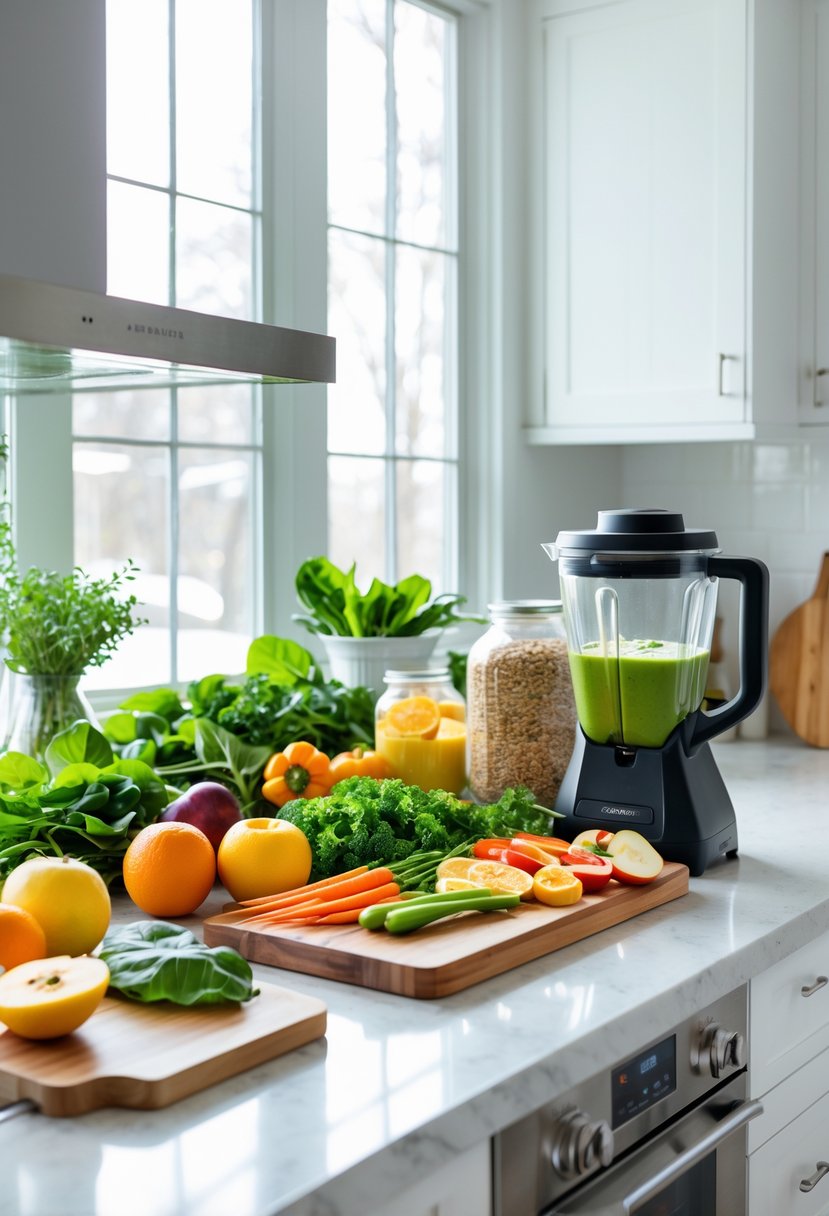
This post digs into how to organize cabinets and the fridge, figure out a meal-prep rhythm you’ll actually use, and answer those annoying “but what if…” questions that stall you out. The steps are practical—no rigid rules, just what fits your real life.
Organizing Your Kitchen For January Clean Eating:
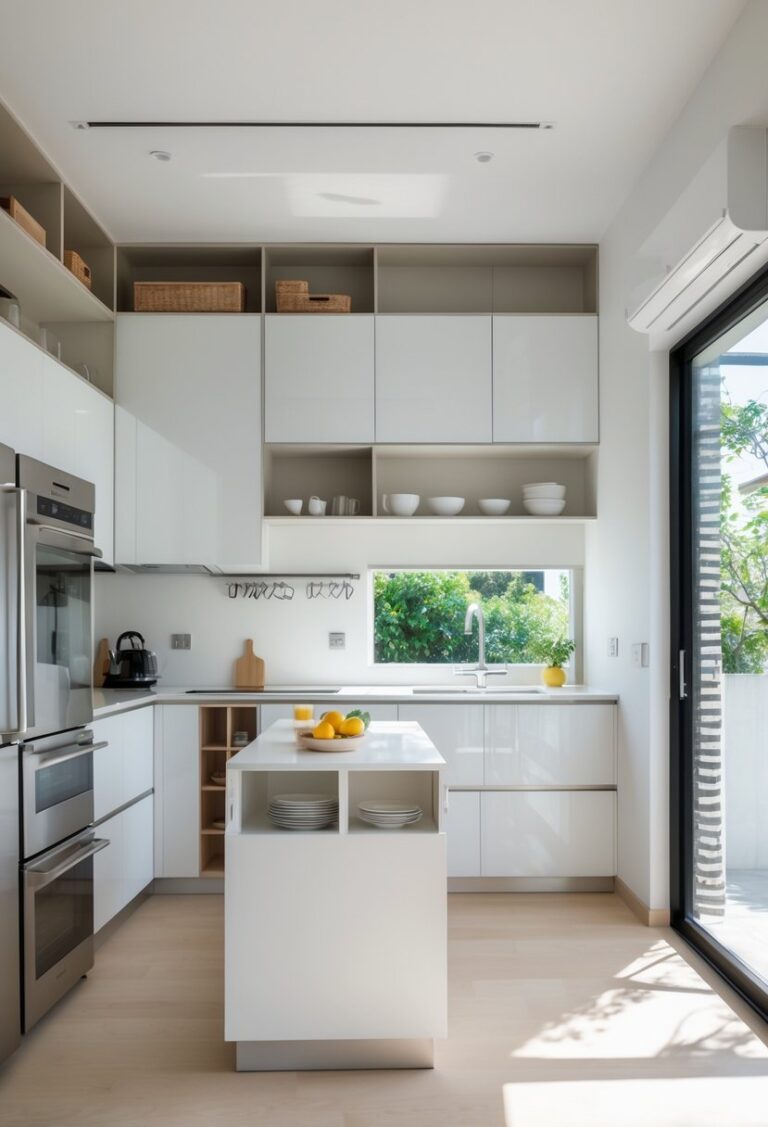
A smart kitchen layout can make you reach for whole foods almost by accident. When counters aren’t cluttered, the pantry’s organized, and drawers aren’t a black hole, it’s just easier to spot what you need—fruits, veggies, grains, proteins—without a scavenger hunt.
Decluttering Countertops And Cabinets:
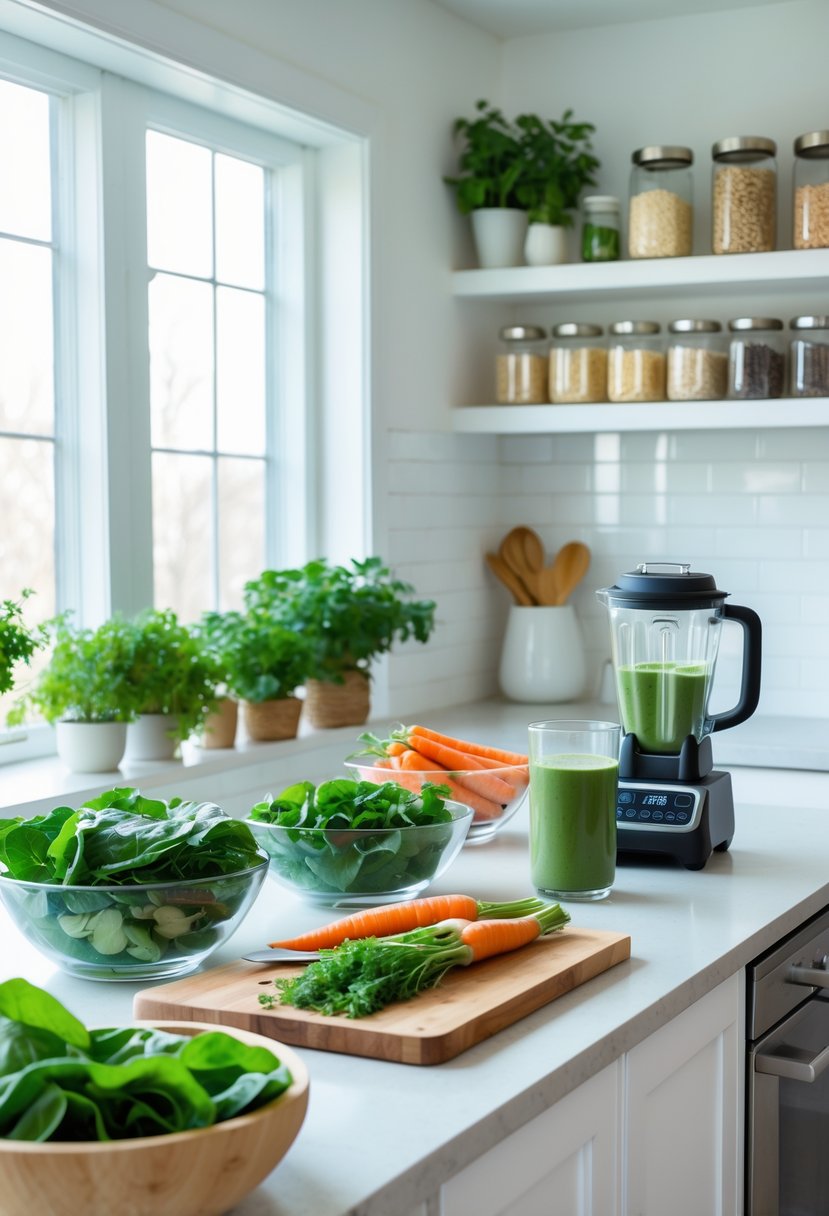
Honestly, most of us have too many gadgets. Keep what you touch weekly—maybe a blender, your favorite cutting board, and a kettle—on the counter. Hide the rest in cabinets so you’ve actually got space to prep.
Take on one cabinet at a time. Pull everything out, check dates, and be ruthless: toss what’s expired, donate what you never use. Make little zones—baking stuff, spices, breakfast things. Slap on labels or use clear bins so you don’t forget about the good stuff like oats or beans hiding in the back.
Set up a prep station, even if it’s tiny. A clear spot for your cutting board, a bowl for scraps, and a jar for the utensils you always reach for. It sounds small, but it really does keep the chaos down and the good habits up.
Optimizing Pantry And Fridge For Whole Foods:
Group pantry items by type and how often you use them. Keep things like canned beans, whole-grain pasta, and brown rice right at eye level—if you see it, you’ll use it. Bulk stuff you barely touch can go up high, and snacks can hide in opaque bins if you’re always grabbing them.
When it comes to the fridge, make produce and lean proteins the stars. Store prepped greens, chopped veggies, and cooked grains in clear containers. Keep proteins together in one spot so you can just grab and go.
Try the first-in, first-out trick: date new stuff with a marker and move older items to the front. Stick a little whiteboard on the pantry door for a running list of what you’re low on—you’ll thank yourself later.
Drawer Organizers And Storage Solutions:
Drawer organizers aren’t just for neat freaks. Use adjustable trays for utensils and gadgets so you’re not digging for a peeler every time. Having a drawer just for lunch gear? Game changer for quick mornings.
Go for clear, stackable containers for dry goods. Airtight ones keep grains and nuts fresh, and you can see when you’re running low. Matching containers look nice, but honestly, it’s about making life easier, not Instagram-perfect shelves.
Adopt a couple small storage habits—keep a stash of reusable produce bags, food labels, and clips handy. Makes storing whole foods less of a hassle and helps cut down on waste.
Essential Meal Prep Strategies For A Fresh Start:
Stick to simple steps you can repeat—less waste, less stress. A short weekly plan, some batch cooking, and a handful of reliable staples are enough for easy, healthy meals.
Foundations Of A Clean Eating Plan:
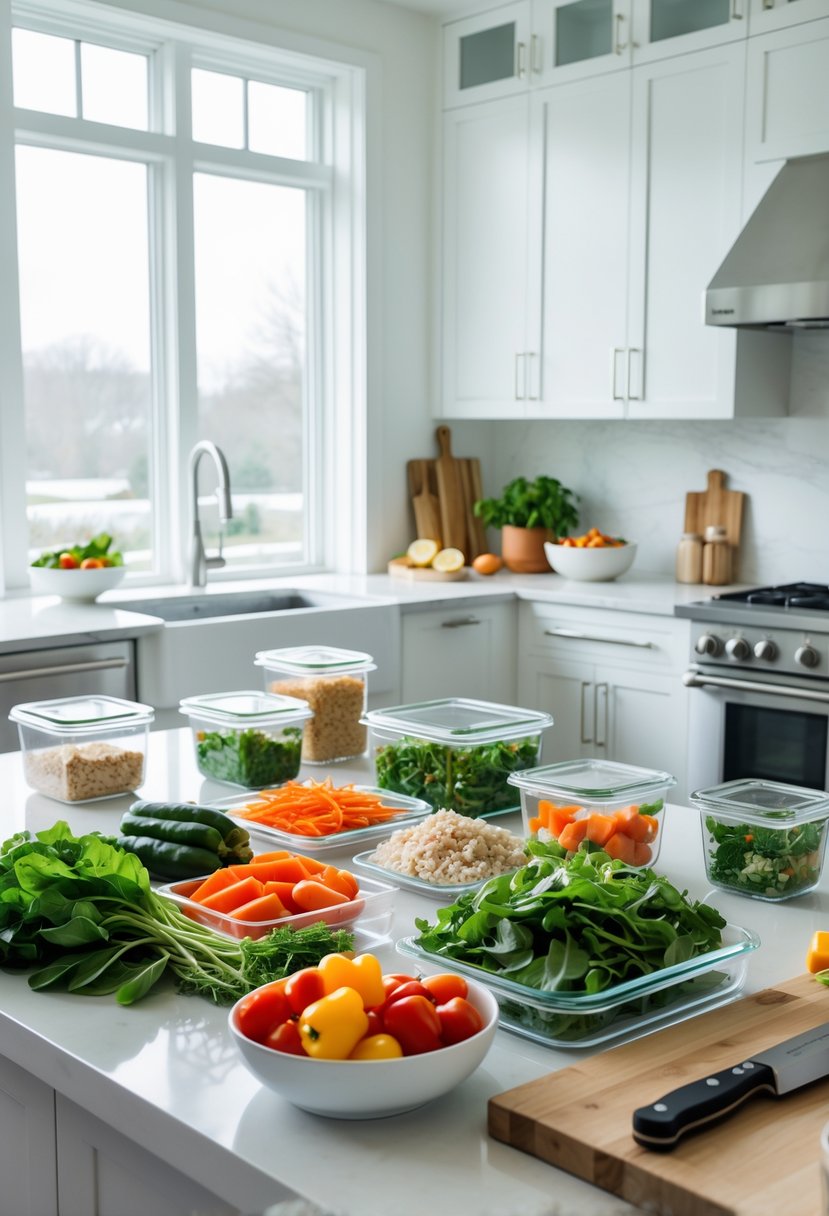
Start with whole foods and don’t overcomplicate portions. Pick three grains to rotate—brown rice, quinoa, oats. Cook a big batch at the start of the week, portion it out, and you’ve got the base for bowls, salads, whatever you’re feeling.
Breakfast doesn’t need to be fancy—overnight oats or just oats with yogurt and fruit work for busy mornings. If you’re tracking calories or carbs, measure once and then eyeball it. Fresh veggies and whole fruit beat juice or syrupy stuff every time.
Skip most processed foods and watch out for sneaky sugars. Read the labels for sodium and weird oils. A basic spice lineup—salt, pepper, garlic powder, paprika—is enough to make things taste good without drowning everything in sauce.
January Meal Prep And Planning Fundamentals:
Write a quick, realistic plan before you hit the store. Try a 7-day meal outline with two proteins and three veggie options, then build your grocery list from there. Only buy what you’ll actually use.
Set aside a couple hours for prep day. Cook up some chicken or tofu, make a pot of grains, chop veggies, and maybe roast a tray of whatever’s in season. It doesn’t have to be perfect—just enough to make weeknights easier.
Use clear containers, label them with dates, and jot down reheating notes if you’re forgetful like me. Portion lunches so you can grab and go, and keep sauces separate so nothing gets soggy. Plan a couple light dinners that use up leftovers.
Healthy Habits And Smart Batch Cooking:
Habits make meal prepping actually stick. Try setting a routine—one grocery run, one prep day, and a quick nightly reset. These little rituals keep things manageable and your kitchen ready for action.
Batch-cook proteins and grains, then freeze single servings. Roast a bunch of chicken, slice some for now, freeze the rest. Big batches of chili or veggie soup with quinoa or brown rice freeze well—flat bags thaw fast, which is honestly a lifesaver.
Easy breakfasts like overnight oats jars are a must. Layer oats, milk, yogurt, fruit—done. Change up your meals every couple weeks so you don’t get bored. Notice what you actually eat, and swap out the stuff that just sits there.
Stocking Up On Lean Proteins And Healthy Fats:
Pick proteins and fats that don’t need a ton of prep. Grab lean proteins—chicken, turkey, tuna, tofu, eggs. Cook a week’s worth on prep day, maybe half grilled, half shredded, for variety without extra work.
Healthy fats matter, but keep portions in check. Stock olive oil for cooking, avocados for salads, and plain nuts for snacking. Single-serve nut butter packs are a nice backup for busy days. A little fat—tablespoon of olive oil or a quarter avocado—goes a long way to keep you full.
For shortcuts, canned beans and Greek yogurt are your friends. Beans add fiber to bowls, yogurt works as a sauce or breakfast. Switch up your proteins and fats each week so things don’t get stale.
Frequently Asked Questions:
Here’s a quick rundown of gear, storage tricks, and easy routines to get your kitchen ready for clean eating this January. Think must-have tools, staple pantry items, and step-by-step organizing tips to make healthy meals less of a project.
What are essential items to include in a clean eating kitchen setup for January?
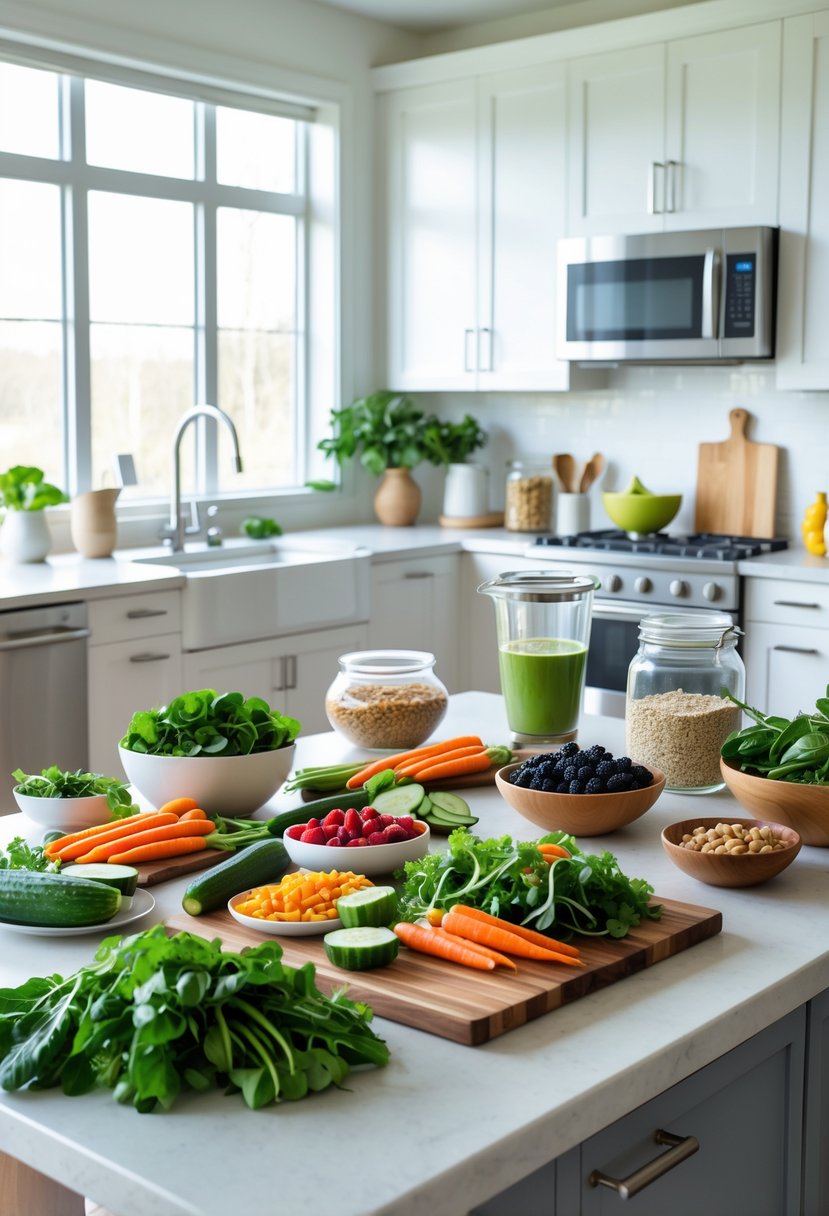
You don’t need a ton of fancy gadgets—a good chef’s knife, cutting board, sheet pans, a solid sauté pan, Dutch oven, and a blender or food processor will handle almost everything from roasted veggies to smoothies.
Stock your fridge with fresh produce (leafy greens, carrots, peppers), lean proteins (chicken, tuna, tofu), and some dairy or alternatives (Greek yogurt, unsweetened plant milk). Pre-washed salad greens and roasted veggies make life easier, so keep a week’s worth ready.
In the pantry, keep whole grains (brown rice, quinoa, oats), canned beans, olive oil, vinegar, low-sodium broth, and a few go-to spices (garlic powder, paprika, oregano). Store nuts and seeds in airtight containers for quick, healthy snacks.
For storage, clear stackable containers in different sizes, glass jars for grains, and reusable silicone bags for produce are all you really need. Label everything with dates, and use a marker for easy rotation—future you will appreciate it.
How do I organize my kitchen for a clean eating lifestyle in the new year?
Start by carving out a prep zone—maybe dedicate one counter to your cutting board, favorite knives, mixing bowls, and measuring cups. Having your go-to tools right there? It just makes those rushed weeknights a little less chaotic.
For the fridge, I like to keep the top shelf for grab-and-go stuff (think yogurt or last night’s leftovers), stash proteins in the middle, tuck produce into the drawers, and let condiments live on the door. Clear bins help corral snacks or meal add-ons, so you’re not digging through a maze every time you open the door.
Meal prep doesn’t have to be a huge production. Pick a couple of recipes, roast a sheet pan of veggies, cook up some grains, and portion out proteins into containers. Slap a date on each meal and nudge older stuff to the front—otherwise, things have a way of disappearing in the back.
As for the pantry, it’s worth putting everyday items at eye level, with those “once-in-a-blue-moon” things higher up, and big bulk backups on the bottom. I try to keep grains, canned goods, and baking supplies grouped together. Makes writing a shopping list less of a headache, honestly.