Your Sanctuary Awaits: Calming Bedroom Ideas for Deep Sleep & Less Stress
If you want your bedroom to actually feel calm and cozy, you don’t need much—just some soft colors, a few layered textures, and maybe a couple of natural touches to help your mind slow down. Try a muted color palette, pile on plush bedding and simple decor, and keep clutter to a minimum. That’s how you get a peaceful space that’s actually relaxing—and, hopefully, helps you sleep better.
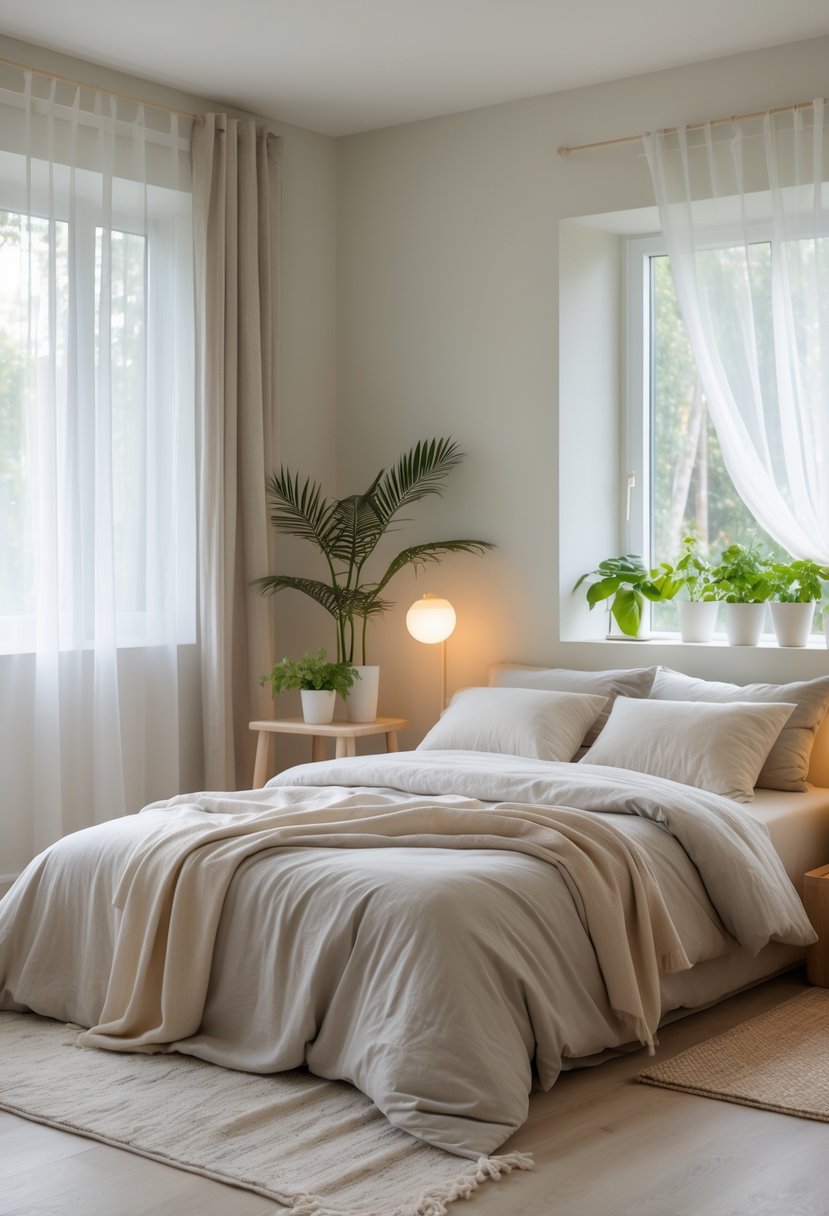
This post is packed with easy, practical ideas—color choices, bedding, plants, and lighting. I’ll walk you through how to layer everything for a soothing vibe, step by step, and answer a few common questions along the way. If you’re ready to make a change, you’ll find something that actually works here.
Calming Color Palettes for Bedrooms:
Let’s talk color. Here’s how to use neutrals, muted blues and greens, and mix them up so your bedroom feels calm (but not boring). I’ll keep it simple and specific—no need to overthink it.
Choosing Neutral Tones:
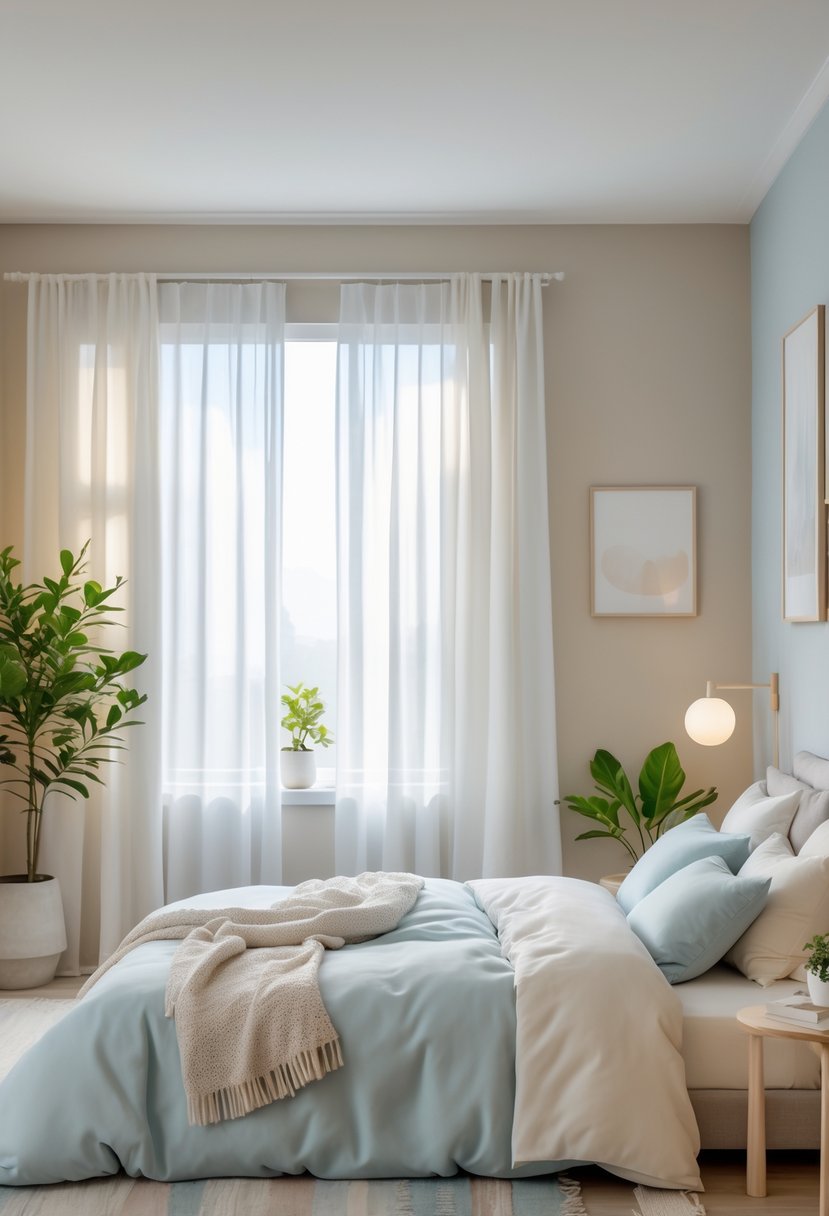
Neutrals—think warm beige, soft greige, or creamy ivory—are honestly the safest bet for a serene bedroom. Paint the walls a single neutral shade and layer in slightly lighter or darker bedding and textiles for a bit of depth, but nothing too busy.
Natural materials just fit right in: linen bedding, rattan baskets, light wood furniture. It’s a cozy, grounded look that never feels cold or stark.
Some quick combos to try:
- Walls: soft greige | Trim: warm white | Textiles: oatmeal or ivory
- Walls: warm beige | Accent pillow: muted terracotta | Rug: jute
Mix up matte and textured finishes. Matte paint helps cut down on glare and feels soothing. Add boucle or woven cotton for a little interest—no need for wild patterns or anything too high-contrast that might kill the vibe.
Incorporating Muted Blues and Greens:
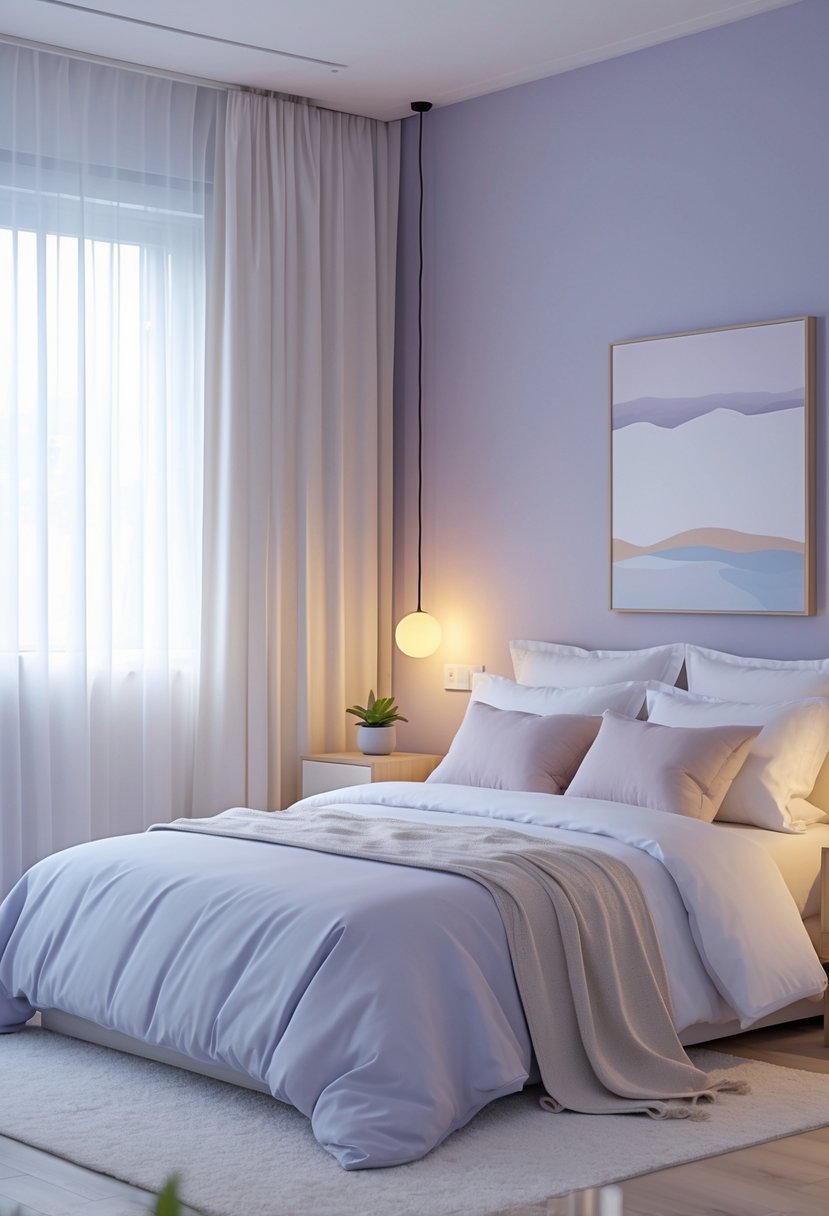
Muted blues and sage green are classics for a reason. They add a gentle, nature-inspired feel that’s pretty much made for winding down. Try soft powder blue or seafoam on the walls for a light, airy look. Sage green is perfect for an accent wall, a headboard, or even just your bedding if you’re not ready to commit.
Just keep the colors low-key—nothing neon or super saturated—and mix them with warm neutrals for balance.
A couple of pairings to get you started:
- Powder blue walls + pebble-gray bedding + white trim
- Sage green accent wall + natural linen bedding + wood nightstands
If you’re unsure, start small. Add color through pillows, a throw, or maybe a subtle floral wallpaper behind the bed. Sprinkle in some plants or green-toned art to echo the palette. Skip shiny metals—brushed brass or matte black is plenty for a bit of warmth and contrast.
Layering Calming Bedroom Colors:
Layering is the trick to a calming color palette that doesn’t fall flat. Pick a base wall color, add one accent hue, and finish with a couple of neutral textures. That’s it—three steps, and the room just feels “done” without being fussy.
Try this: start with soft taupe, add a muted mauve or sage accent, then layer in wool throws and cotton sheets. Simple, right?
Here’s a quick checklist:
- Base paint: calming, low-saturation color
- Accent: one stronger tone for a wall, headboard, or big textile
- Textures/small accents: creams, warm woods, subtle patterns
If you’ve got floral wallpaper, let it be the star. Keep the rest of the surfaces chill—stick to neutrals and maybe one muted matching shade. This way, the room feels restful and intentional, and you can always switch things up later if you get bored.
Soft Textures and Layered Bedding:
Honestly, nothing beats soft fabrics, breathable materials, and a clear layering plan for making your bedroom inviting. Go for quality bedding and just a few accents that add warmth but don’t turn into clutter magnets.

Selecting Quality Bedding:
Don’t cheap out on bedding. Go for natural fibers: long-staple cotton sheets if you want smooth and breathable, or linen for a bit of texture that gets softer every time you wash it. For cotton, a thread count around 300–600 is the sweet spot—higher isn’t always better, no matter what the packaging says.
Weave matters too. Percale is crisp and cool, while sateen feels silkier and warmer. If you want your room to feel like a sanctuary, stick with breathable weaves to keep night sweats at bay. And check the care label—machine-washable linen or cotton is a lifesaver.
Don’t forget a mattress protector and decent pillow fills. A good protector keeps your mattress fresh, and the right pillow fill—down, down-alternative, or memory foam—makes a surprising difference depending on how you sleep.
Layering Textiles and Throws:
Layering is all about comfort, not just looks. Start with a fitted sheet, then a flat sheet, add a light quilt or duvet, and toss a throw at the foot. Use a duvet insert that matches the season—lighter for summer, something with more fill for winter.
Mix up the textures. Smooth cotton or linen sheets with a chunky knit throw or woven blanket? Yes, please. A plush or cozy rug by the bed makes mornings a little less harsh. And keep the layers tidy—fold the throw or drape it casually, whatever feels welcoming to you.
Stick to neutral base colors, then add a couple of soft accent shades. That way, the look stays calm but still has enough interest. Also, think about weight and warmth—being able to add or subtract layers easily is key.
Choosing Throw Pillows and Blankets:
No need to overload the bed with throw pillows. Two or three that fit the scale of your bed are plenty. Go with big Euro shams against the headboard, then one or two smaller accent pillows in different textures—linen, knit, velvet, whatever feels good to you.
Pick throw blankets that look good and actually get used. A chunky knit is cozy, while a lightweight linen throw works if you run warm. For most beds, a 50×60 inch throw fits well on one side; a bigger one can go across the foot.
Keep the palette simple—neutrals with one gentle accent. That way, all the layers (throws, pillows, bedding) blend together for a soft, comfortable, and calm bedroom sanctuary.
Natural Elements and Bedroom Decor:
Natural materials, warm woods, and a few real (or really good faux) plants go a long way in making a bedroom feel grounded. Layer in textures like jute rugs, woven baskets, and linen throws for comfort—without turning things into a clutter zone.

Incorporating Natural Materials:
Start with the basics: linen sheets, cotton duvet covers, wool throws. They’re breathable, soft, and just feel better. A jute rug by the bed adds warmth and is super low-maintenance—it hides wear and feels nice underfoot.
Skip the shiny stuff—pick ceramics, stone planters, or clay vases for a matte, organic feel. Woven baskets double as storage and decor (seriously, toss in extra blankets, magazines, or laundry and it still looks tidy). Stick to warm neutrals like sand, clay, and soft green for a chill palette.
Don’t overdo it—one handcrafted vase, a textured throw, and maybe a woven pendant light are enough to make an impact.
Bringing in Natural Wood Furniture:
Solid wood pieces with visible grain and simple lines just work. A low-profile oak or walnut bed frame feels calm and sturdy. Nightstands with cane or rattan fronts add texture but don’t look heavy.
Stick with matte or oil-rubbed finishes—they show off the wood and age nicely. Glossy veneers? Not so much. If you mix wood tones, try to keep it to two max—maybe a walnut bed with a lighter ash bench, for example.
Make sure everything has a purpose: a wooden bench at the end of the bed for shoes, a shelf for bedtime books, a nightstand drawer for the essentials. That’s how you keep things peaceful and uncluttered.
Adding Greenery and Natural Textures:
Put plants where they’ll actually thrive—indirect light is best for most. Succulents are easy for windowsills, while a fiddle-leaf fig or snake plant can fill a brighter corner. Ceramic or stone planters look way better than plastic.
Balance smooth surfaces with woven textures. A woven pendant over the bed throws beautiful shadows and pairs perfectly with a chunky knit throw. Layer a jute rug with a smaller wool one for warmth and visual interest.
When styling, odd numbers work—group a plant, a basket, and a ceramic tray on a dresser for a calm little vignette. Keep walkways clear and choose low-maintenance elements, so the bedroom stays a true retreat.
Creating a Soothing Bedroom Atmosphere:
A calm bedroom really comes down to a few things: keep the lighting soft, the windows tamed (curtains or shades that block just enough), and carve out a small cozy corner for yourself. Surfaces should be mostly clear, textures soft, and lighting flexible—dimmable or layered is best for winding down.
Optimizing Bedroom Lighting:
Layer your lighting—ambient, task, and accent. A dimmer switch on the main light is a game changer for winding down in the evening. Add bedside lamps with warm (2700–3000K) bulbs for reading and a gentle glow.
Wall sconces are great if you want to free up space on your nightstand, and they spread light evenly. A salt lamp or a low-watt accent lamp near the dresser adds a cozy vibe to corners. For reading or work, put a focused lamp by your chair or desk—no one likes eye strain.
Stick with “warm white” bulbs and steer clear of those cool blue tones at night—they’re just not relaxing. Put lights on separate switches or use smart plugs so you can adjust the mood without getting out of bed. It’s the little things, right?
Window Treatments for Relaxation:
Window coverings should block light and help muffle outside noise. Try blackout curtains or lined drapes to keep streetlights and sunrise from waking you up too early. Pair blackout panels with sheers, so you can let in a soft glow during the day without giving up privacy.
Install the curtain rod close to the ceiling and extend it out past the window frame—this really helps keep those annoying light gaps at bay. Heavier fabrics like velvet or thick linen do a surprisingly good job at keeping things quiet, too. A couple of simple tiebacks are handy for letting in sunshine without your curtains looking messy.
If you want more control over light and insulation, add a roller shade behind your drapes. It’s a clean look when the curtains are pulled back, and you can block out light with a quick pull.
Designing a Cozy Reading Nook:
Pick a small corner where you can adjust the lighting easily. Drop in a comfy chair or a little loveseat next to a lamp—either a bedside one or a floor lamp with a focused beam. Toss on a neutral throw and a couple of pillows to make it feel inviting, but not overloaded.
Set up a low bookshelf or a slim side table for your books, a coaster, maybe a salt lamp for that gentle glow. A soft rug underfoot helps define the space and makes it feel separate from the rest of the room. If you’re into meditation, a cushion nearby doesn’t hurt for those quiet moments.
Don’t overdo the accessories: just a lamp, a small stack of books, and maybe a plant or a piece of art. That’s usually enough to keep things calm and functional.
Organizing for a Peaceful Space:
Cut down on visual clutter and keep the essentials close. Closed storage—think dressers and baskets—hides the random stuff, while open shelves are best for just a few favorite items. Labeling drawers and using dividers for socks, chargers, or linens can make things a lot less chaotic.
Try to keep bedside tables simple: one lamp, a book, and a little tray for your glasses or phone. If you can, mount a charging station inside a drawer or tuck it on a shelf to keep cords from piling up on the nightstand.
It helps to do a quick five-minute reset every night—put away clothes, clear off surfaces, and dim the lights with a dimmer or smart switch. This small routine can make the room feel like a serene sanctuary by bedtime, honestly.
Frequently Asked Questions:
Here’s where you’ll find practical picks for paint, textiles, and ways to sneak in wood, plants, or natural light. There are specific color ideas, materials, and placement tips that actually cut down on clutter and help you unwind.
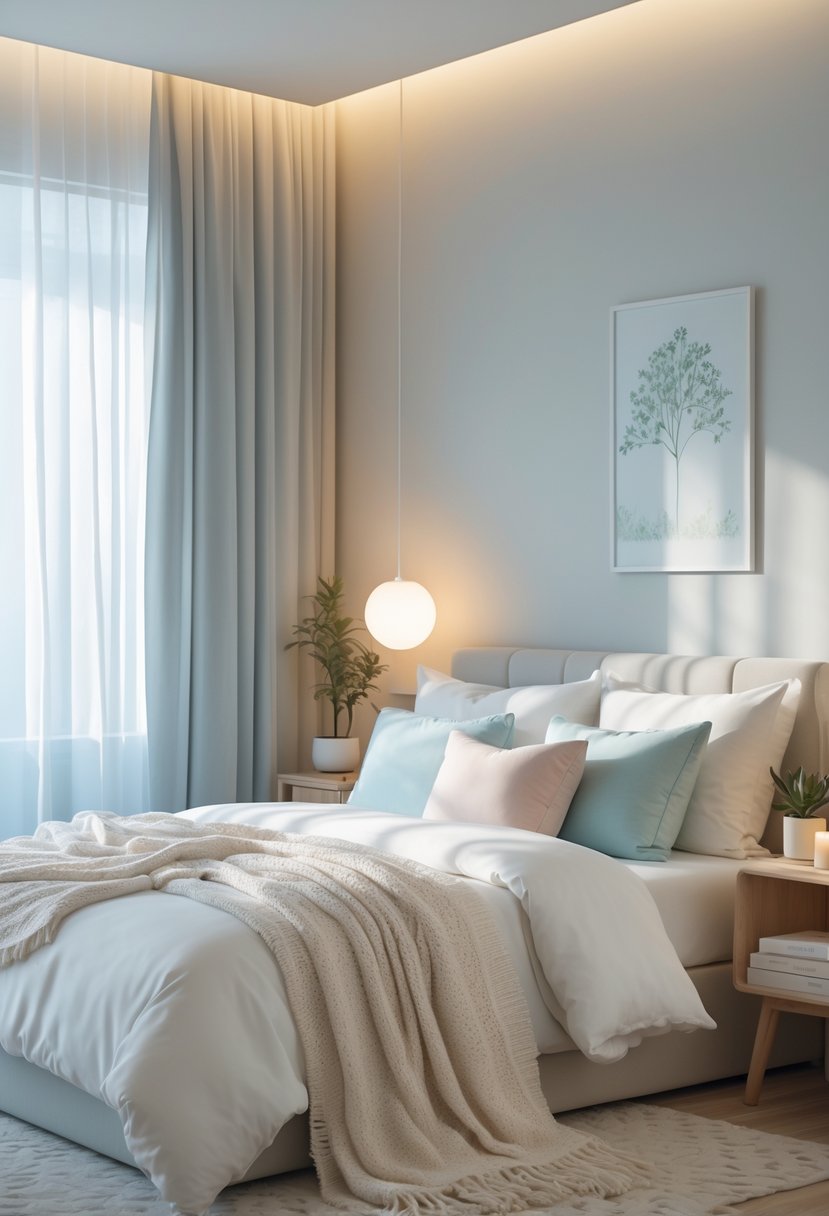
What are the best color schemes for a relaxing bedroom atmosphere?
Soft, cool shades are a safe bet. Pale blue, sage green, and light gray have a way of calming the senses and even making a room feel cooler.
But warm neutrals work too. Beige, warm taupe, and soft cream pair nicely with natural wood, giving a cozy vibe that’s not too much.
Stick with a simple palette—one main color, one accent. Maybe light gray walls, white trim, and a sage-green throw. It keeps things balanced and stops the room from feeling hectic.
Low contrast and matte finishes are your friends. Glossy surfaces just bounce light around and grab attention, while matte paint and fabrics absorb light for a softer, more restful look.
How can one incorporate natural elements into bedroom decor for a calming effect?
Try bringing in wood—maybe a hardwood headboard, a simple bedside table, or even a woven rattan basket. There’s just something about those textures that makes a space feel warmer and more inviting, don’t you think?
Cluster a few living plants here and there. Snake plants, pothos, and peace lilies are honestly hard to kill (trust me, I’ve tried), and they sneak in a bit of green without making the room feel crowded.
Swap in natural fabrics for your bedding or rugs. Linen, cotton, wool—especially in those soft, neutral shades—just feel good, and they keep the vibe relaxed and breathable. Perfection isn’t really the goal here.
If you can, let in as much daylight as possible. Position your bed near a window, go for sheer curtains that let the light filter through, and maybe keep the window sills clear so you actually notice the view. It’s those little things that make the room feel open and calm.