Brighten & Widen: How the Right Bathroom Lighting Can Make a Small Space Feel Grand
Let’s be honest—tiny bathrooms can feel a bit claustrophobic, especially if there’s not much natural light. But you’d be surprised how much difference the right lighting makes. Mixing things up with overhead, wall, and backlit fixtures can really open up a small bathroom, making it feel brighter and, well, just bigger. This kind of setup draws your eye around the room and cuts down on those pesky shadows that make everything seem tighter.
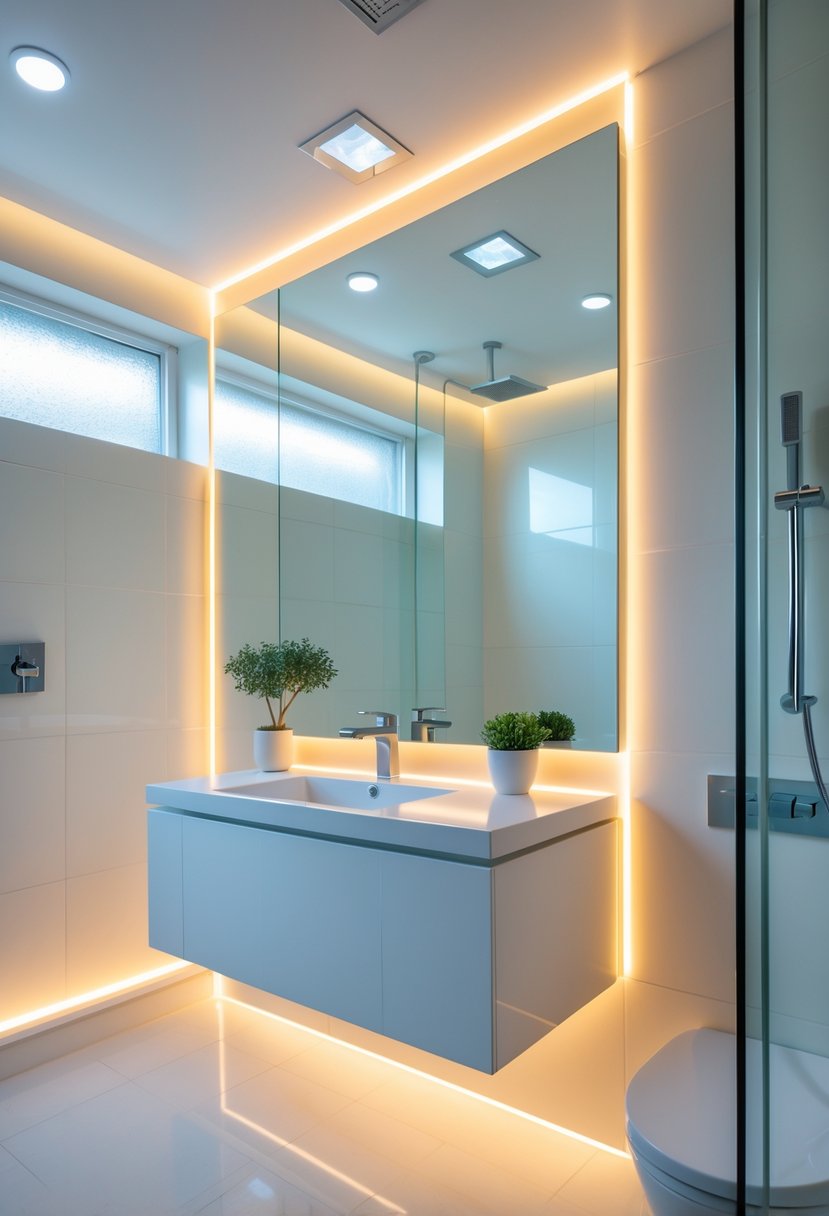
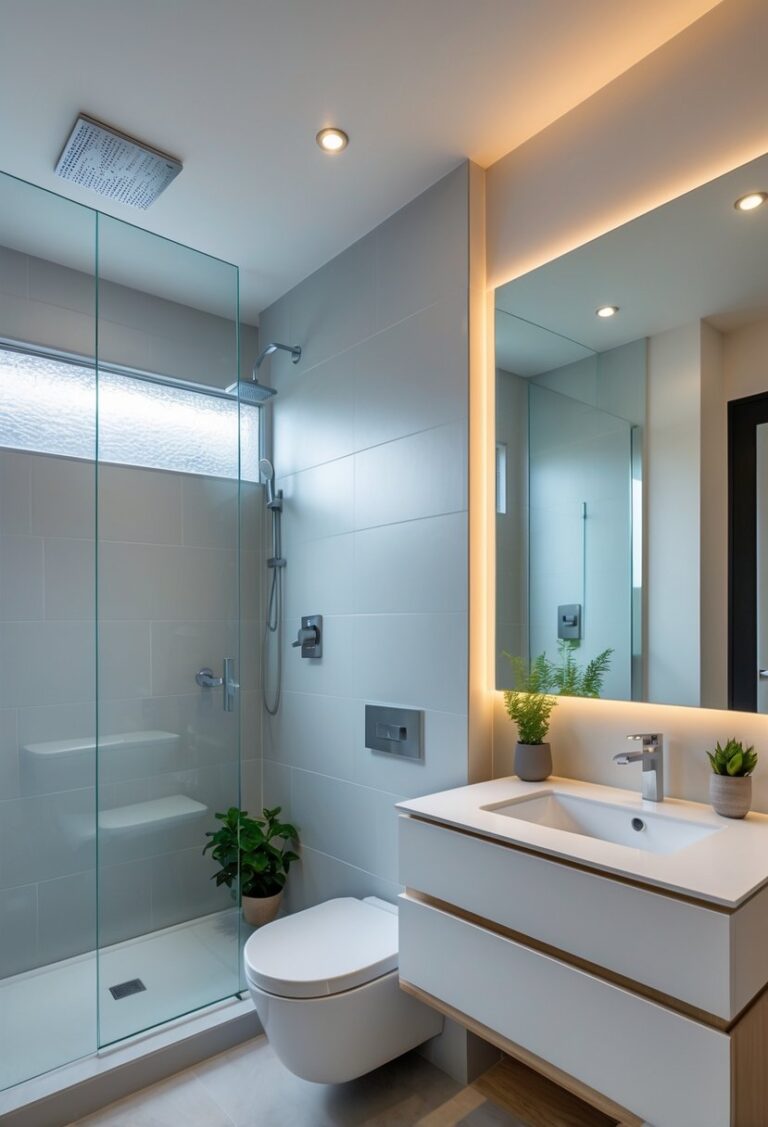
If you want to go a step further, think about glass shower doors or slim LED lights mounted up high—they really help bounce light around and make the whole space feel less boxed in. Natural light’s a game-changer, too. If you can add a skylight or even just a clever ceiling lamp, you’ll get that fresh, airy vibe without knocking down any walls.
Strategically placed mirrors (especially the big, backlit ones) are like magic for stretching out the space visually. These little tweaks can turn a cramped bathroom into a spot you actually want to spend time in.
Fundamental Bathroom Lighting Strategies for Small Bathrooms:
Getting the lighting right in a small bathroom is a balancing act. You want it to look good but also work well, and you definitely don’t want it to feel crowded. Using different types of lights, picking fixtures that don’t take over, and knowing what each light is supposed to do can really help make the room feel a whole lot bigger.
Layered Lighting Explained:
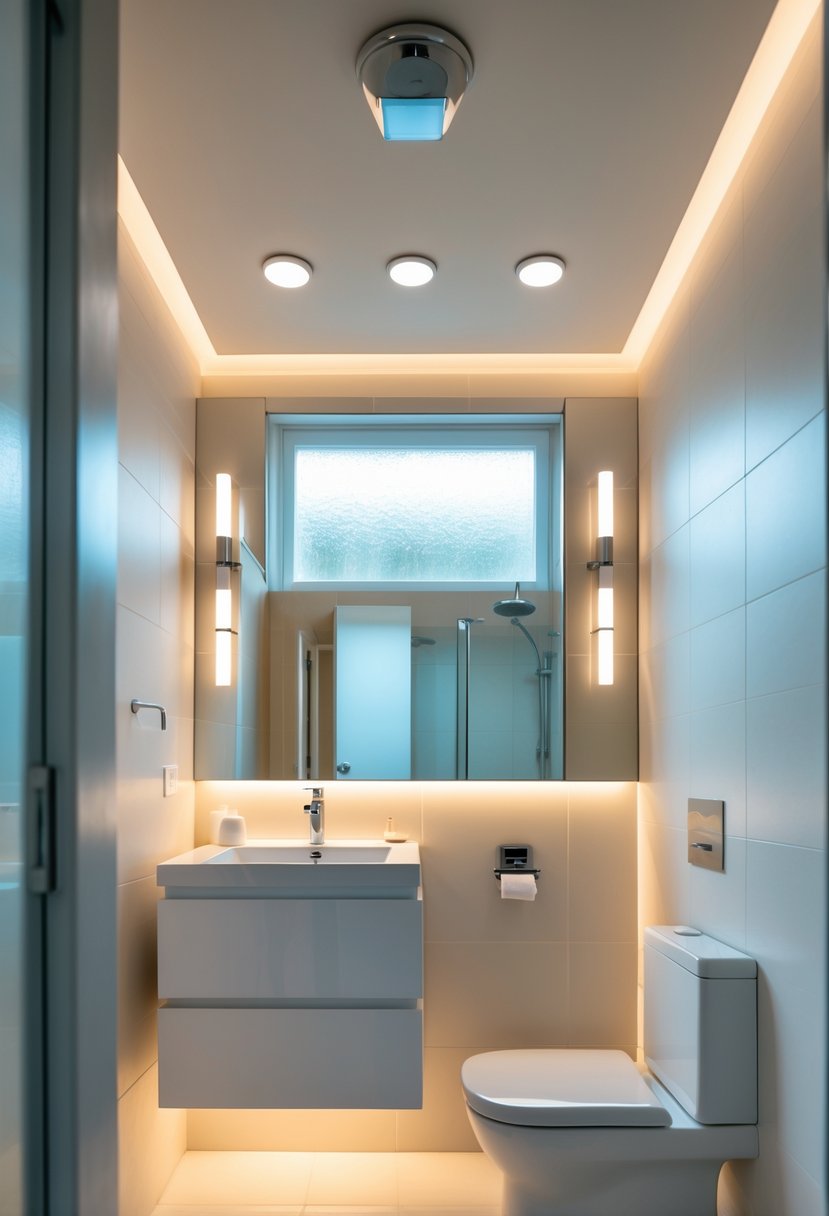
Layered lighting just means using more than one kind of light so things feel comfortable and flexible. There are usually three main types: ambient, task, and accent.
Ambient is your main light—it fills the room. Task lighting is more focused, like for shaving or doing makeup. Accent lights are there to show off cool features or just add a bit of depth by highlighting shelves or corners.
In a small bathroom, layering helps smooth out harsh shadows and weird bright spots that can make things feel even smaller. Plus, you can tweak the lighting depending on your mood or the time of day, which is always nice.
Task, Ambient, and Accent Lighting:
Task lighting is super important around the vanity. Stuff like wall-mounted sconces on each side of the mirror, or maybe a slim LED strip above, gives you nice, even light for anything face-related.
Ambient light usually comes from a ceiling fixture—think recessed lights or a flush mount. These spread a gentle, even glow without eating up space or blinding you.
Accent lighting is more about the vibe and a little extra safety. LED strips under floating vanities or along the baseboards add subtle highlights and make the room look deeper—plus, they just look cool.
Choosing the Right Fixtures for Limited Spaces:
Picking the right fixtures is everything in a tiny bathroom. Go for compact, low-profile stuff. Recessed lights are perfect—they sit right up in the ceiling, so you’re not bumping your head.
Choose finishes that bounce light around, like white or chrome. Glass shades are better than solid ones for letting more light through.
Wall sconces at eye level help cut down on shadows and keep your counters clear. Linear LEDs above the mirror give you nice, even light without chunky hardware. Basically: slim, minimalist fixtures are your friend if you want things to feel modern and open.
Optimizing Natural and Artificial Light Sources:
Lighting in a small bathroom is all about striking the right balance. If you can get natural light and artificial light working together, you’ll get a space that feels bigger and more welcoming. Here are some ideas that actually make a difference (and don’t require a full-on remodel).

Maximizing Natural Light With Windows and Skylights:
Natural light is honestly the best for small bathrooms, as long as you let it in. Skip the heavy curtains or blinds—they just block all the good stuff. Frosted glass is great because you get privacy without losing brightness.
Skylights are a lifesaver if your bathroom doesn’t have much wall space. They flood the room with daylight from above, which helps everything feel more open. If you do have windows, placing mirrors across from them bounces light around like crazy.
Where you put the window matters, too. If you’re lucky enough to have one, stick a mirror opposite or next to it so light reaches those darker corners. Simple window treatments and clear or lightly frosted glass let in the most light.
Selecting Vanity Lights and LED Bulbs:
Vanity lights are a must for good grooming. Mounting them on both sides of the mirror at eye level gives you even light and fewer weird shadows. If you don’t have space for side sconces, a strip above the mirror is a solid backup.
Go with LED bulbs—they last forever and save energy. Warm white LEDs (2700K-3000K) give you that cozy, natural glow that won’t make you look washed out. If you can, look for LEDs with a CRI over 80 so colors actually look right.
A dimmer switch for your vanity lights is a nice touch. You can crank it up for morning routines or dial it down for a softer evening feel—super handy in a small space.
Using Light Color Palettes to Expand Space:
The colors you pick for walls and fixtures make a big difference in how light bounces around. Light, cool tones—think white, cream, soft pastels—reflect way more light and instantly make small spaces look bigger. Soft blues, greens, or pale grays are easy on the eyes and keep things feeling open.
Shiny finishes like white or chrome on fixtures help, too. Avoid dark or matte stuff—it just soaks up light and makes everything feel tighter. Glass or frosted light shades spread light better than solid ones.
If you can, pull together a look with pastel colors, bright finishes, and reflective surfaces. It really lifts the whole room and keeps things feeling fresh and open.
Reflective Surfaces and Space-Enhancing Details:
Materials matter more than you’d think in a small bathroom. Reflective surfaces bounce light around, and see-through barriers (like glass) stop the space from feeling chopped up. These tweaks can make a place look way bigger, no demo required.
Incorporating Mirrors and Backlit Mirrors:
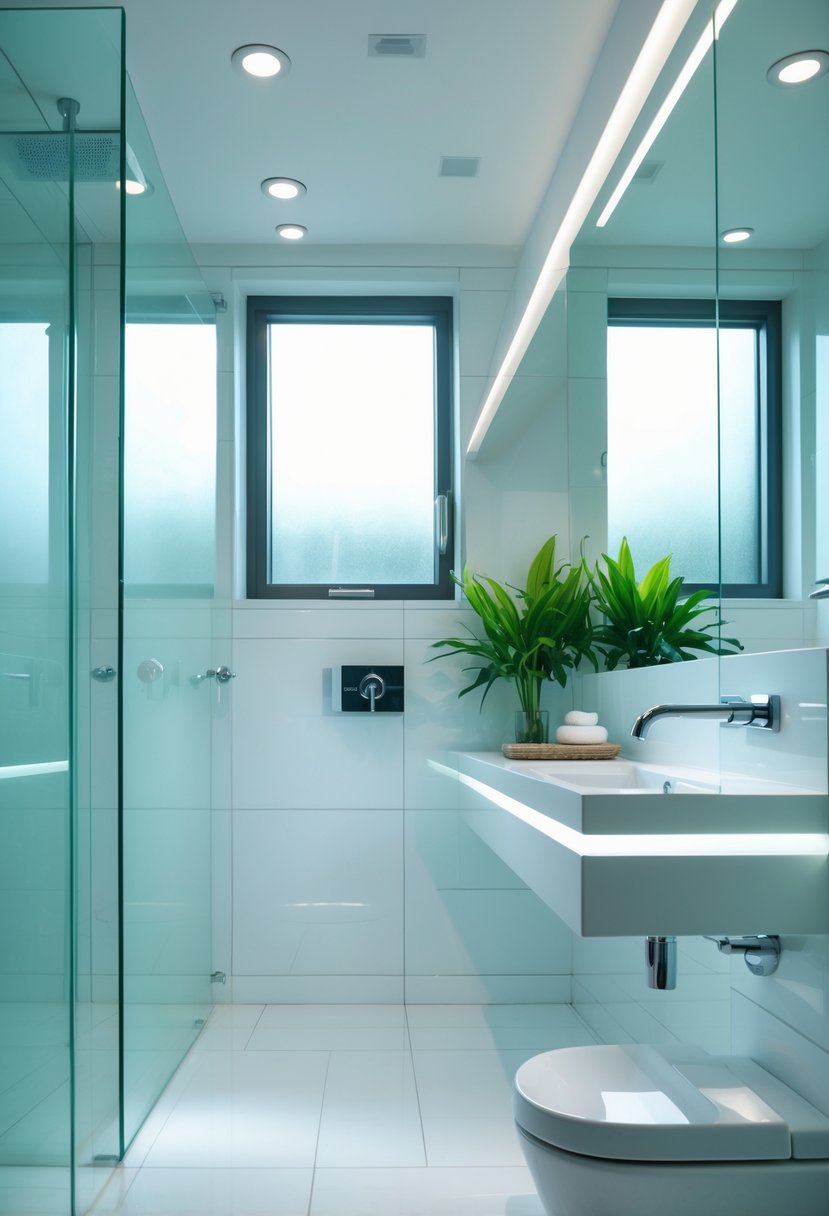
Mirrors are basically magic in small bathrooms. One big mirror can double how big the room looks by reflecting light and space. If you can put mirrors opposite windows or lights, you’ll get the most out of whatever brightness you’ve got.
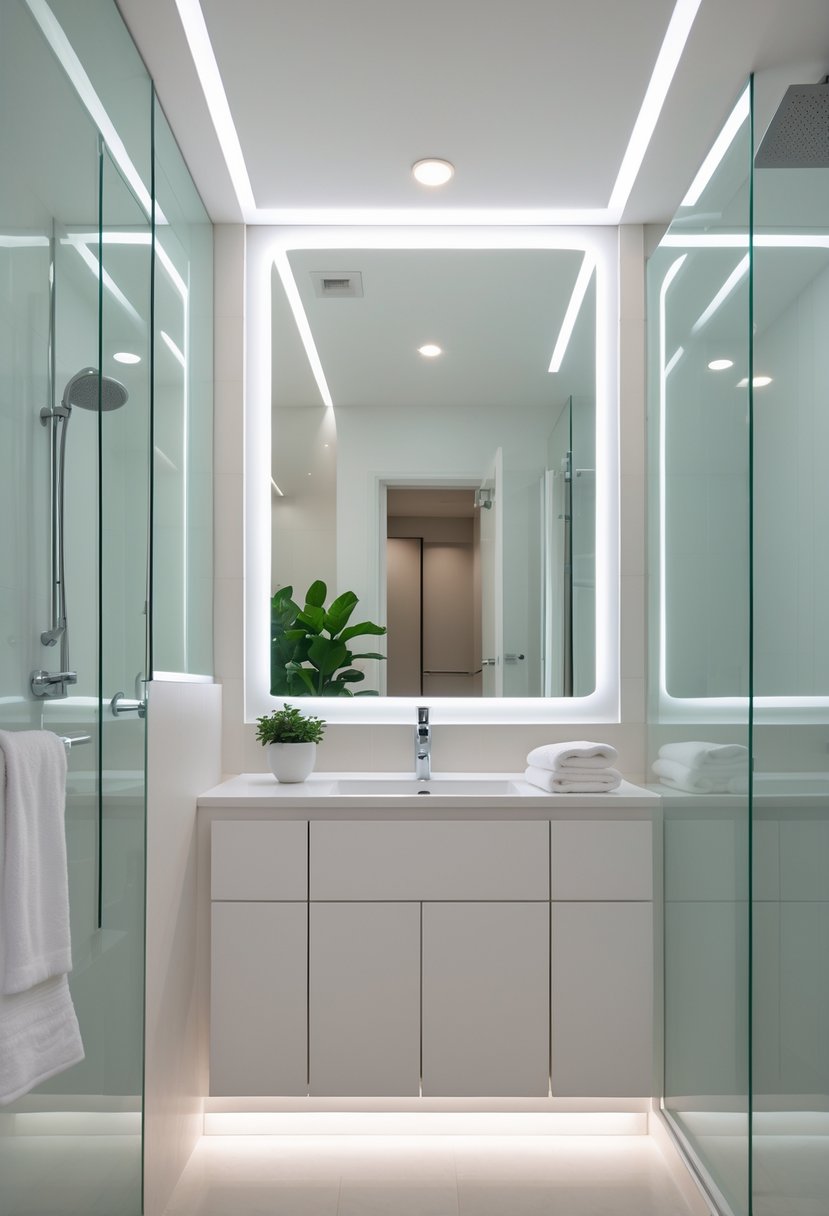
Backlit mirrors are a smart move, too—they add light without taking up extra space or making things look busy. That soft glow around the edge cuts down on shadows and makes grooming easier. Plus, they look pretty sleek.
You can even play with a mirrored wall or a few smaller mirrors in key spots. Keep frames skinny or go frameless for a cleaner, less cluttered look.
Choosing Glossy Tiles and Reflective Materials:
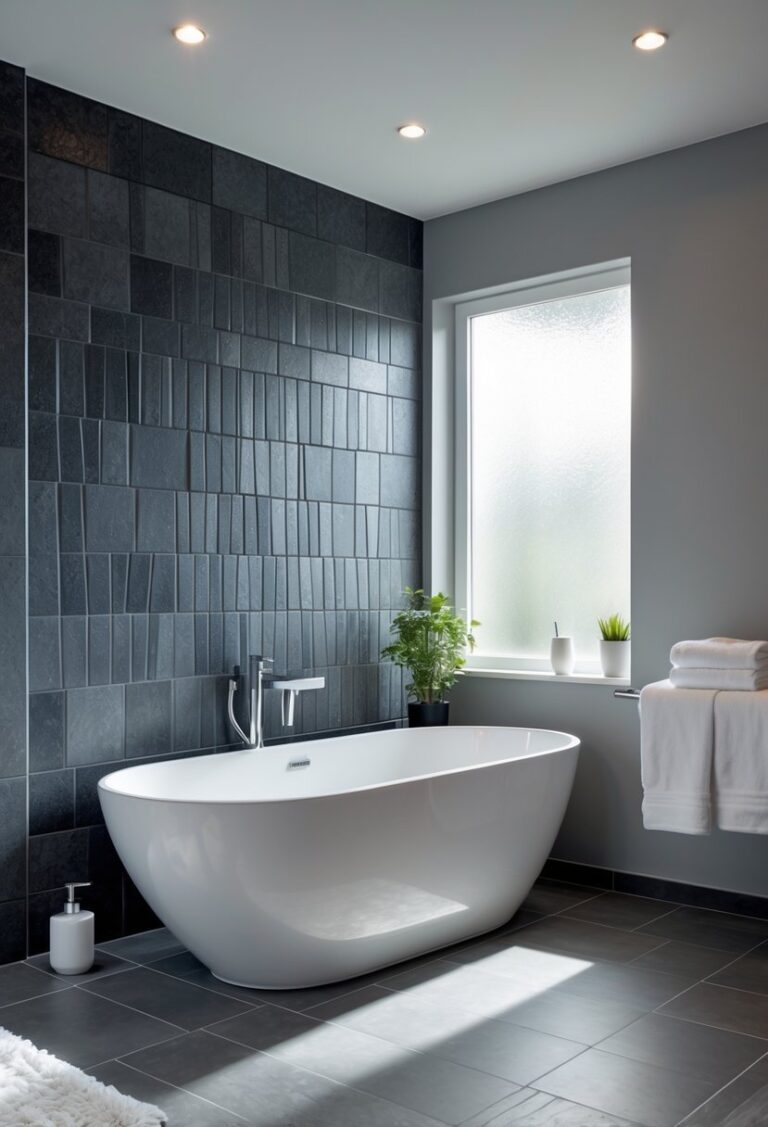
Glossy tiles are a secret weapon—they reflect light way better than matte ones, so walls and floors look brighter and more open. Lighter colors like white or cream on shiny tiles really amp up the effect.
Don’t stop at tiles. Chrome or polished metal fixtures, glass shelves, even shiny counters all help bounce light around.
For best results, mix glossy tiles with a light color palette. It’s a simple combo that makes your lighting work harder and the whole bathroom feel brighter.
Enlarging Spaces With Glass Shower Enclosures:
Glass shower enclosures are a no-brainer for small bathrooms. Frameless glass doors or panels don’t break up the room visually—they’re almost invisible.
Clear glass lets you see the whole bathroom, instead of hiding a chunk of it behind a curtain or wall. That alone makes the space seem bigger.
Plus, glass lets light flow everywhere. Go for minimal hardware to keep things looking seamless and open.
Creative Storage and Design Solutions:
Getting the most out of a small bathroom is all about smart storage and clever design. The right choices keep things organized and stylish, without making the space feel jam-packed. Even little changes in fixture placement can make a big difference in how open the room feels.
Floating Vanities and Wall-Mounted Shelves:
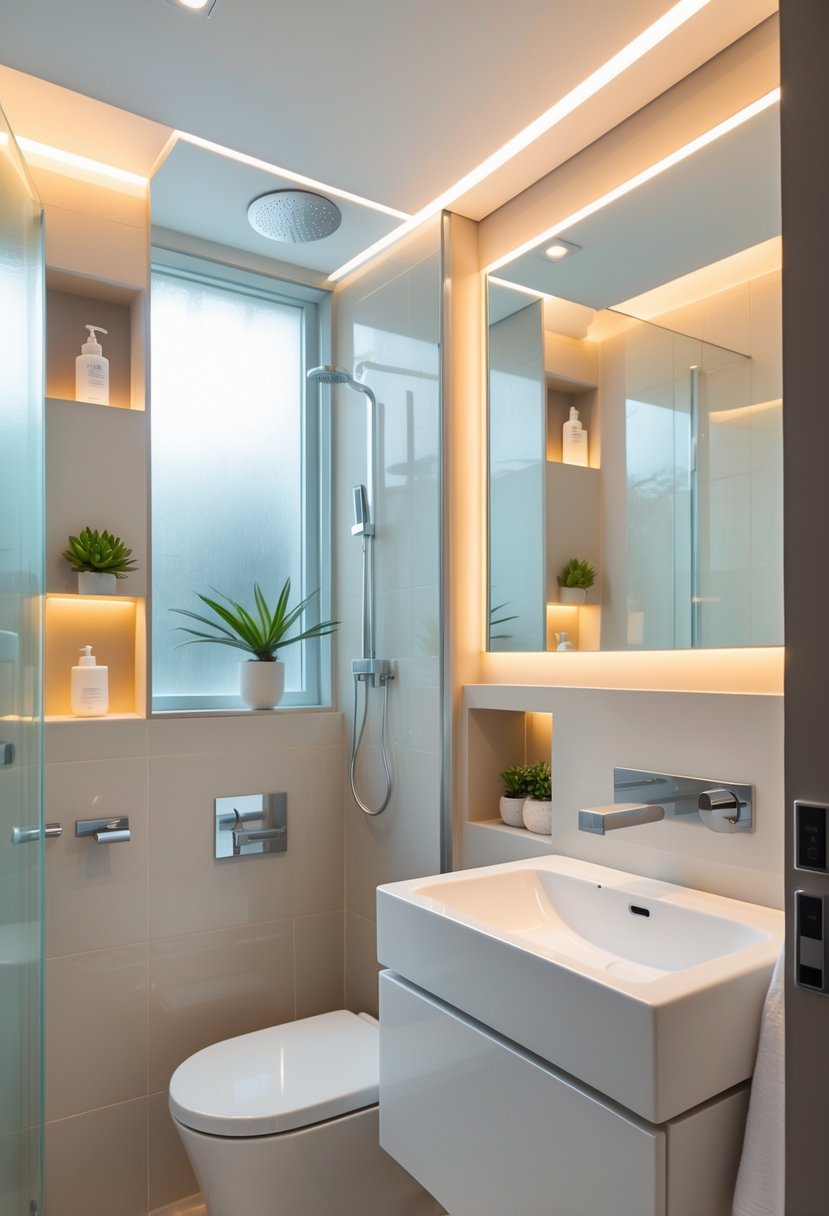
Floating vanities are a game-changer—they leave the floor open, which makes the whole room feel less cramped. Mounting the vanity to the wall means you can clean underneath easily, and you usually get drawers or cabinets for the boring stuff you don’t want to see. Pick a slim, simple style for the least visual clutter.
Wall-mounted shelves are great for adding storage up high. They get your essentials off the counter and keep things tidy. Pop them above the toilet, near the mirror, or in that weird empty corner. Glass or light wood shelves keep things looking light and not too heavy.
Minimizing Clutter With Thoughtful Placement:
Where you put stuff matters. Try to keep countertops clear—stash everyday items in drawers or cabinets.
Go vertical when you can. Tall, skinny cabinets or shelves fit into awkward spots without taking over. And make sure nothing blocks your light sources, so the room stays nice and bright.
Built-in niches or recessed shelves are a sneaky way to add storage without eating into the room. Group similar things together and keep decorations minimal—less is definitely more in a tiny bathroom.
Frequently Asked Questions:
Lighting can totally change how big a small bathroom feels. Where you put the lights, what kind you use, and how you layer them really matters for making things feel open and bright.
What are the most effective lighting strategies for expanding the visual space in a small bathroom?
Layered lighting is the secret sauce. Mixing ambient, task, and accent lights makes sure every corner gets some love. Warm white LEDs add a cozy feel and help avoid harsh shadows. If you can, put a mirror across from a window to double up on natural light—it’s a simple trick that works wonders.
How can ceiling lighting be optimized in a compact bathroom setting?
Flush-mount lights are great if your bathroom has low ceilings—they won’t get in your way. For regular ceilings, semi-flush fixtures with a few bulbs spread the light out nicely. Recessed lights, spaced out over the vanity and shower, help keep shadows to a minimum.
Which lighting fixtures are recommended for placement over mirrors in small bathrooms?
For vanities, go with sconces on both sides of the mirror at eye level to avoid weird shadows on your face. If that’s not doable, a linear LED strip above the mirror does the job. Just make sure the height and distance are right so you get even light without glare.
What are some creative ways to add more light to a small bathroom?
Try LED strip lights under floating vanities or shelves for a soft glow. Toe-kick lighting along the base of cabinets adds a bit of safety and visual interest—plus, it looks pretty cool at night. Glass shades on lights help spread light better than solid ones, too.
Can you suggest any small bathroom lighting solutions that enhance the perception of space?
Big mirrors that cover most of a wall bounce more light around and add depth. Light-colored fixtures like white or chrome make everything brighter. Reflective surfaces—think glossy tiles or mirrored cabinet doors—multiply the light and help get rid of shadowy spots.
What are the best lighting design tips for small toilets to improve the sense of size?
Go for lighting that’s bright enough to open up the space, but steer clear of anything too harsh or cold—you don’t want your bathroom feeling like a hospital room. A ceiling-mounted flush or semi-flush fixture usually does the trick, spreading light evenly without taking up precious headroom. If you’ve got a spot for it, try placing a small mirror across from the light; it bounces the glow around and, honestly, can trick your eyes into thinking the room’s a bit bigger than it really is.