Dreamy or Draining? How Your Headboard’s Material Secretly Shapes Your Sleep & Energy
It’s wild how much the right headboard material can change the vibe of your bedroom—and, honestly, your sleep. A sturdy, well-placed headboard just feels reassuring, like a solid hug for your whole bed. But if it’s rickety or has jagged corners, you might find yourself tossing and turning. Wooden or upholstered headboards that sit flush against the wall usually hit that sweet spot between comfort and a sense of grounding. They just work, you know?
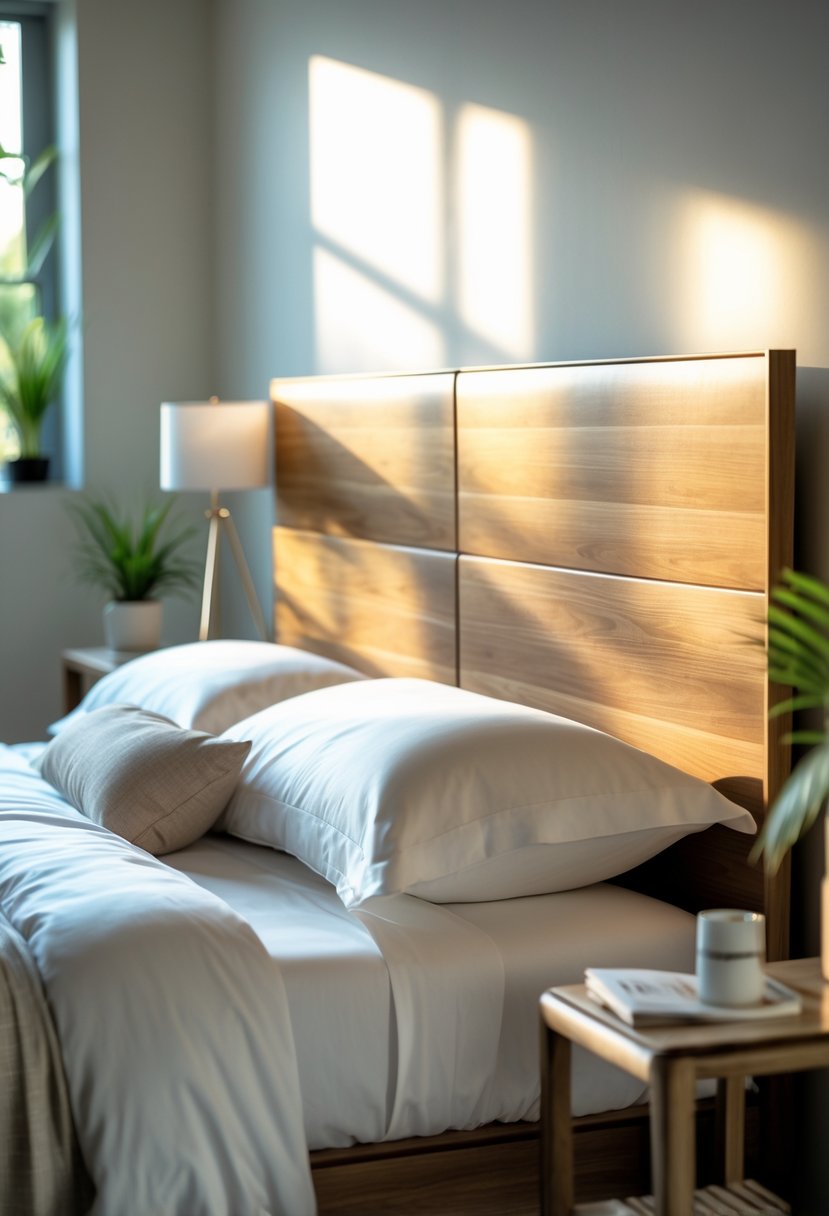
Let’s dig into why your headboard actually matters for your sleep and energy, which materials and shapes seem to help, and which ones might be sabotaging your rest. You’ll get some straightforward tips on where to put it, what to pick, and a few easy tweaks that, honestly, can make a big difference.
Why Your Headboard Matters for Restful Energy?
Headboards aren’t just for looks—they give you a physical sense of support and set the tone for the whole room. The right one can help you settle in and actually stay asleep, making everything feel just a little more peaceful.
The Role of Headboard Support in Sleep Quality:
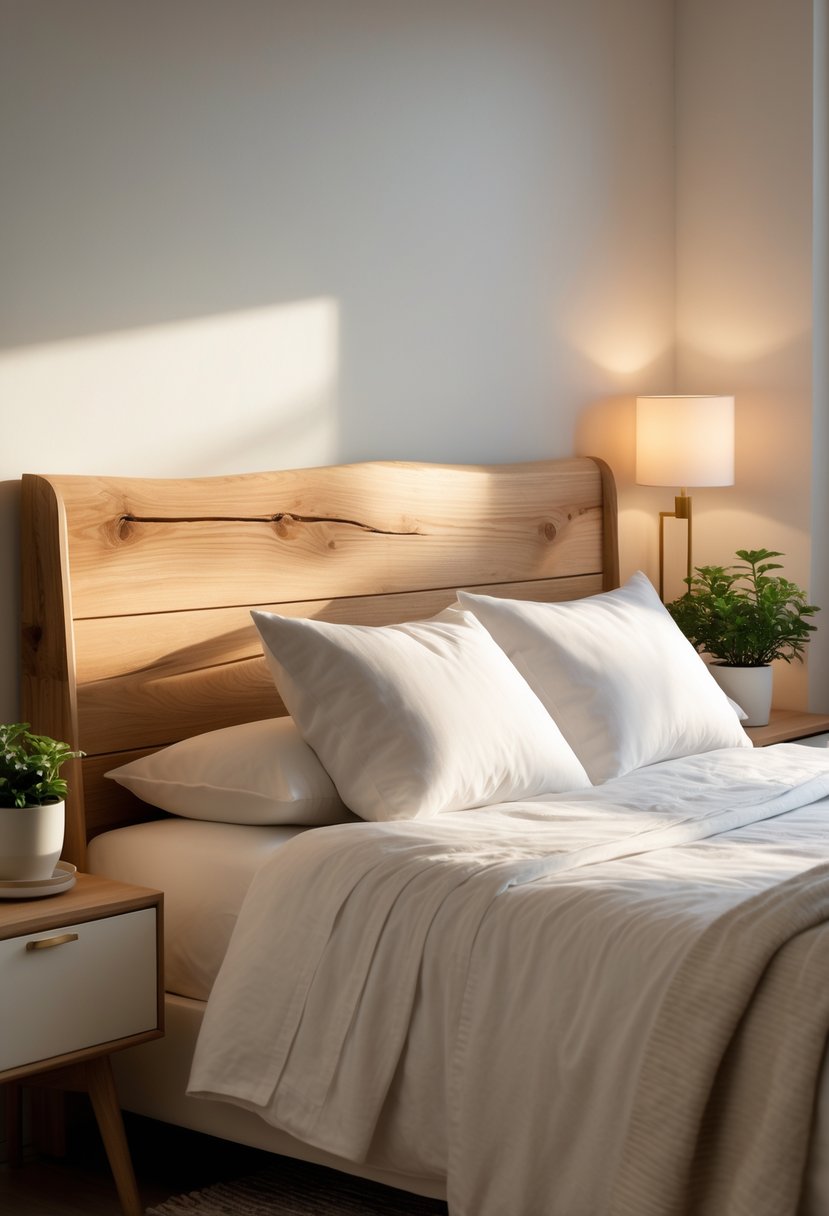
When your headboard is solid and anchored to the wall, it keeps the bed from shifting around when you sit up or move at night. That means fewer squeaks and less chance you’ll wake up from little bumps. Plus, it holds your pillows in place, so you’re not constantly fishing them out from behind the bed.
The material matters, too. Thick wood or a well-padded upholstered headboard absorbs more motion than those thin metal ones. They add a bit of heft, which can help dampen vibrations from the floor or even your partner’s tossing and turning. And if your neck or back gets cranky, a supportive headboard is a game changer for sitting up to read or scroll your phone without feeling sore.
Feng Shui Principles and Headboard Design:
In feng shui, the headboard is all about support and stability. If you can, put it right up against a solid wall—it’s supposed to help you feel “backed up,” literally and emotionally. There’s something to it; you just relax more.
Design-wise, wood and fabric headboards bring in a cozy, grounded energy. You probably want to skip anything with exposed metal slats or sharp corners aimed at your head; those just feel off. Softer shapes—rounded or squared, nothing jutting out—keep the space calm and uncluttered, which your brain will thank you for at bedtime.
The Best Materials and Designs for Positive Energy:
Look for a headboard that just feels steady. The right combo of material and shape makes your bed feel like a safe little nest—grounded, soft, and inviting.
Wood Headboard Benefits:
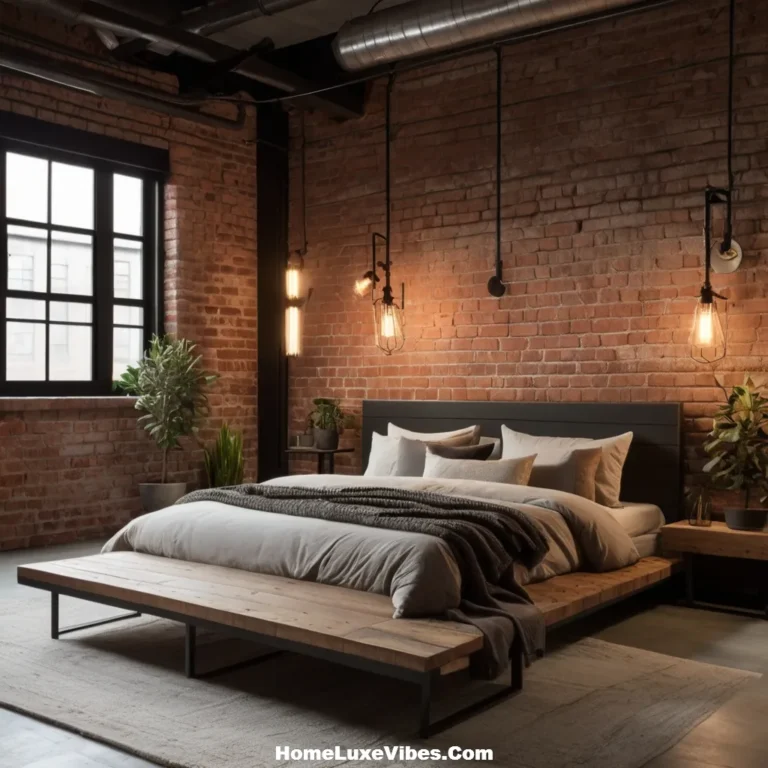
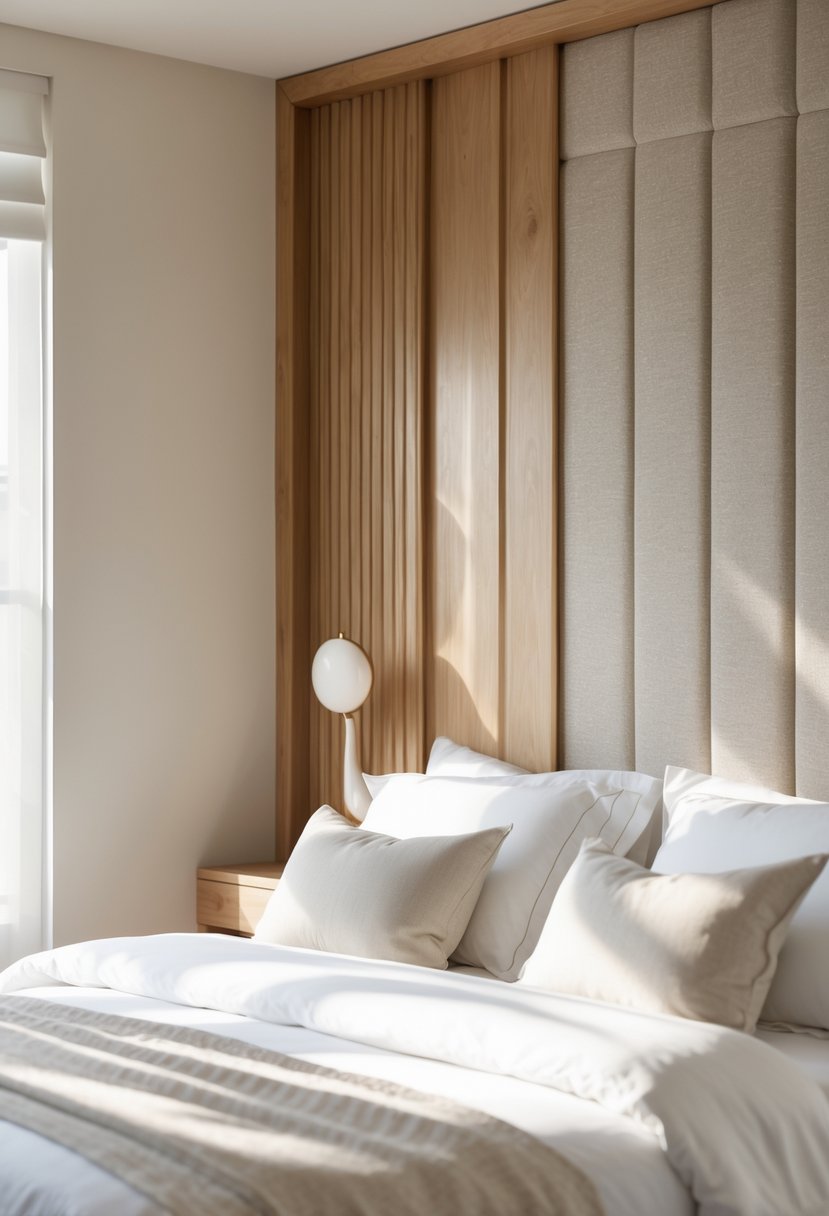
A solid wood headboard is classic for a reason. It anchors the bed and brings in that warm, natural energy—think “Wood element” if you’re into that. Tall, single-piece wood headboards are best; they look and feel substantial, not pieced together.
Hardwoods like oak, walnut, or maple are durable and have a nice presence. Go for matte or low-sheen finishes—super glossy wood can feel a little cold. Skip metal inlays or open slats, which kind of defeat the whole protective vibe.
If the wall behind your bed is noisy or shares plumbing, a thick wood headboard can actually help block some of that sound. It’s a small thing, but it might mean you sleep through the night instead of waking up to mystery clunks.
Upholstered and Fabric Headboards:
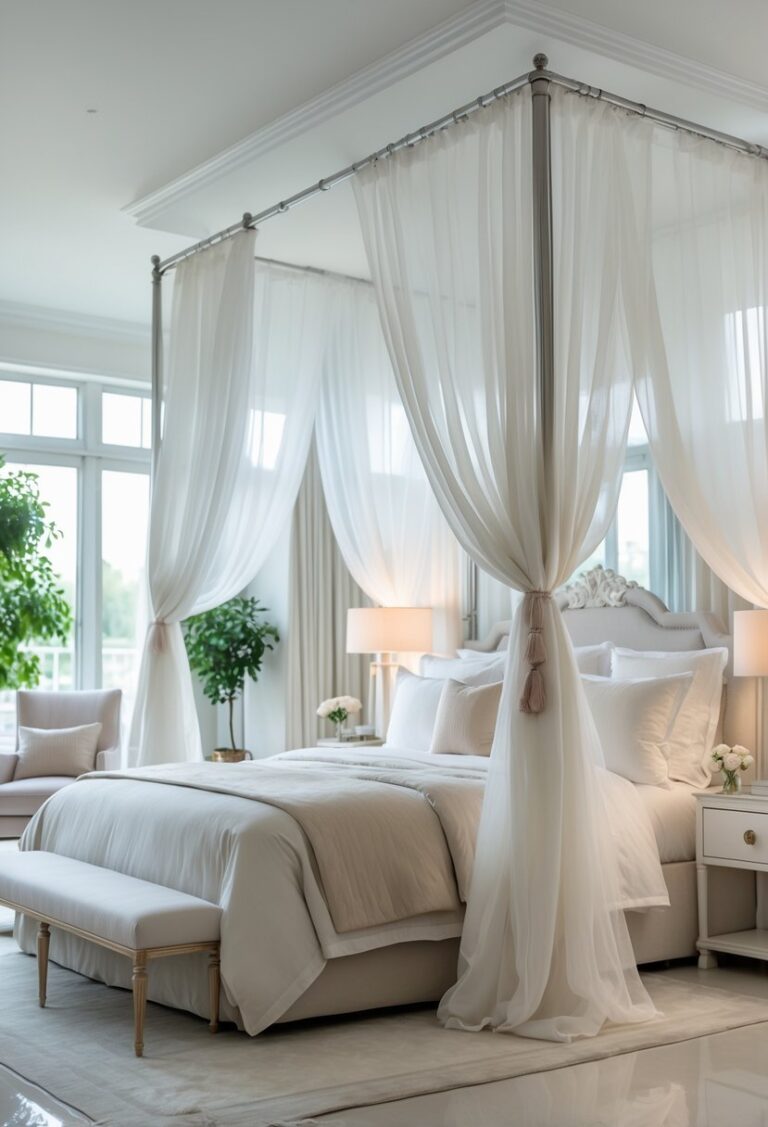
An upholstered headboard just oozes comfort. It’s soft, a little luxurious, and makes the bed look extra cozy. Natural fabrics—linen, cotton, wool blends—are breathable and don’t feel plasticky or cheap.
You want padding that’s firm enough to hold its shape but still has some give. Neutral or earthy colors are best for sleep; loud patterns or neon colors just distract. If you share the bed, a full-width upholstered headboard pulls the look together and helps you both feel settled.
Got a metal bed frame? Upholstery over the metal softens the look and feel. Just make sure it’s attached tightly, so it doesn’t wiggle and mess with the calm energy you’re after.
Curved and Solid Headboard Styles:
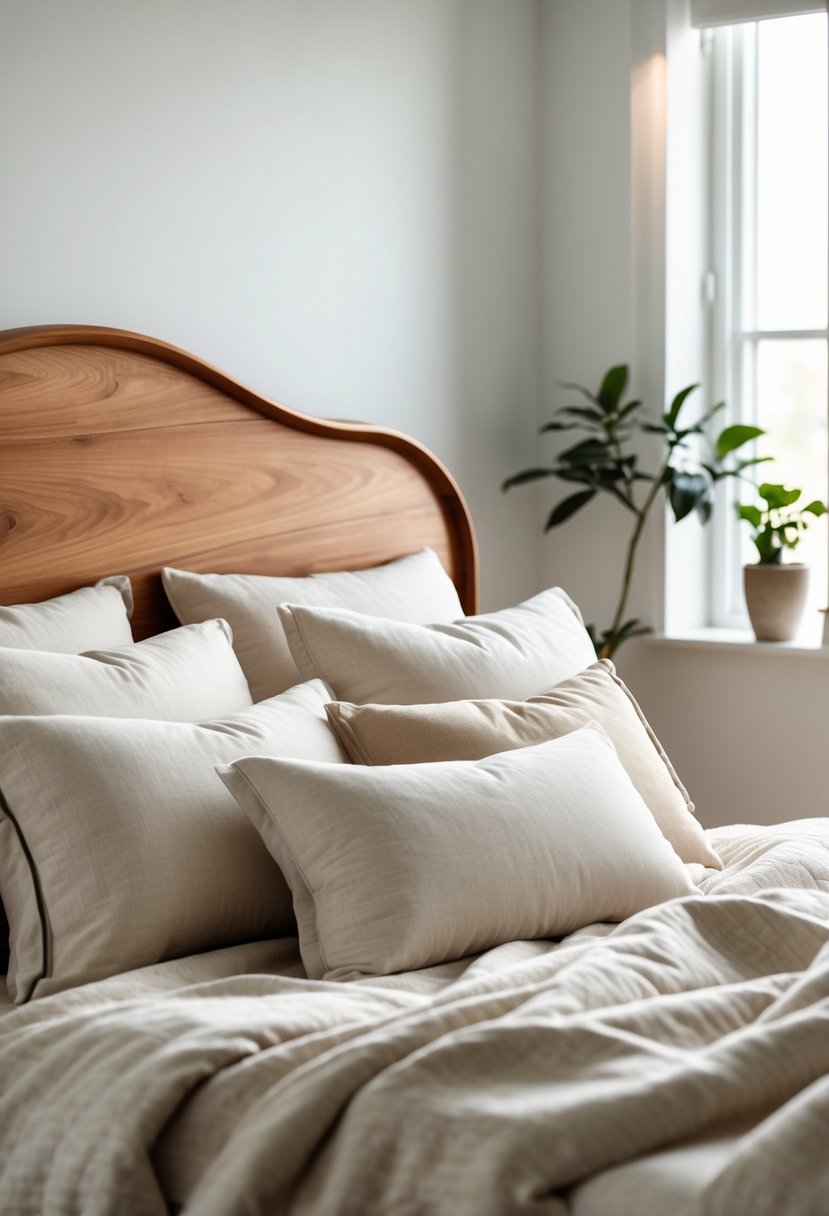
Curved or single-piece headboards keep the energy flowing smoothly—no weird sharp edges or gaps to catch your eye. Rounded tops or gentle arcs are just easier to be around, especially when you’re winding down. Solid headboards, with no holes or slats, send a clear “you’re supported” message.
Here’s what to keep in mind:
- Go for solid, single-piece construction—not a bunch of bars or slats.
- Soft, rounded tops are easier on the eyes (and spirit) than anything pointy.
- Height matters: not so tall it looks like a throne, but not so low it disappears.
If you can, mix a curved shape with wood or upholstery. Wood grounds you, fabric softens the look. This combo is probably the best bet if you want a restful, steady bedroom vibe.
Materials and Styles to Avoid for Healthy Sleep:
Try to pick a headboard that’s stable, feels calming, and doesn’t have weird gaps or shiny surfaces. Anything that looks cold, flimsy, or busy can mess with your sleep and just make the room feel unsettled.
Consequences of Metal Headboards:
Metal headboards, honestly, can feel chilly and a bit sterile. They can make the room feel less cozy, which isn’t what you want at bedtime. Some people even find they stay more alert around all that metal, which is the opposite of relaxing.
They’re also more likely to squeak or rattle if you move around, especially if they’re older or not super well made. If that’s going to bug you (and it probably will), wood or upholstery is just a safer bet.
If you’re sensitive to energy, metal’s shiny surfaces and skinny bars can feel a little overstimulating. If you’re stuck with a metal headboard, try throwing a fabric panel over it or adding some padding to soften things up. Not perfect, but it helps.
Low and Split Headboards:
Low headboards that barely reach your shoulders when you sit up just don’t offer much support—visually or physically. You might not even notice it until you realize you never quite feel settled in bed.
Split headboards (where each side has its own piece) break up the line behind the bed, which can make the whole setup feel a bit disjointed. It’s subtle, but the eye catches it, and it can mess with the sense of calm you’re after.
Both low and split styles can be uncomfortable if you like to sit up and read or use your laptop. If you can’t avoid them, maybe prop up some big cushions or add a long upholstered panel to bring back that sense of support.
Headboards with Slats, Openings, or Storage:
Headboards with lots of slats, holes, or shelves just add clutter right where you’re supposed to be relaxing. They collect dust (and random stuff), which is annoying, and the visual busyness can make it harder to wind down at night.
All those gaps can let in drafts or stray light, especially if your bed’s near a window. Storage headboards are tempting, but they usually end up as a dumping ground for books, chargers, or gadgets—none of which help you sleep better.
If you need storage, go for something with doors or drawers and keep the top clear. Solid headboards or padded panels block out distractions and help you get the kind of restful sleep you’re after.
Frequently Asked Questions:
Alright, here are some quick answers about where to put your headboard, what colors to use, and which materials actually help you rest. These are based on Feng Shui basics and just plain common sense—take what fits your style and needs.
What are the optimal Feng Shui guidelines for headboard placement?
Ideally, you want the headboard snug against a solid wall—it gives you that grounded, safe feeling while you sleep.
Try to line up the headboard so you can see the bedroom door, but don’t put the bed directly in line with it. And steer clear of putting the headboard under a window—without a wall, you lose that sense of support.
Leave some space on both sides of the bed for balance and easy movement. If you can, center the bed on the wall to keep things feeling calm and symmetrical.
How does headboard color influence sleep quality according to Feng Shui?
In Feng Shui, color really does set the mood. Earthy, muted tones like beige, soft gray, or warm brown help you chill out and feel steady.
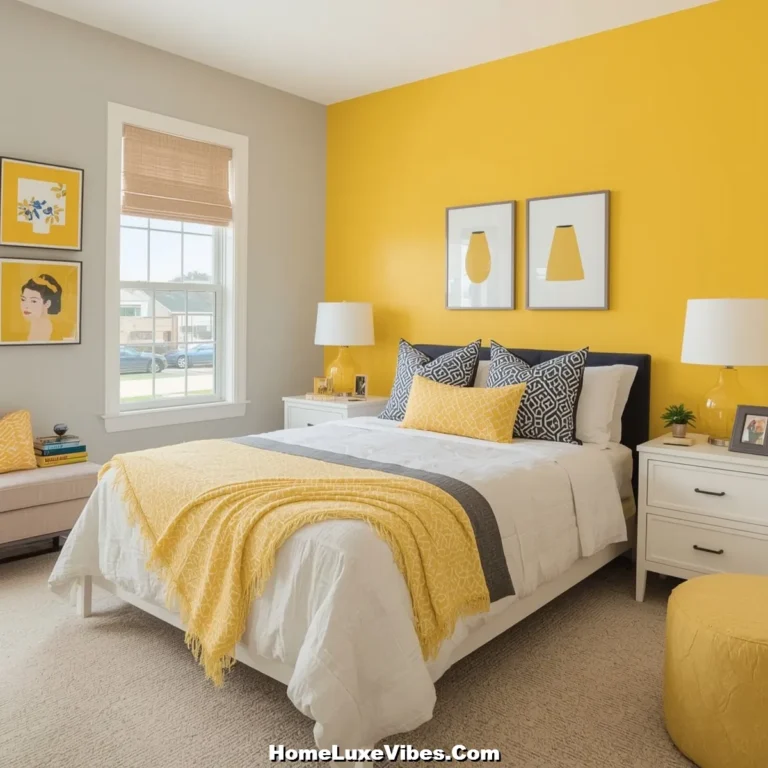
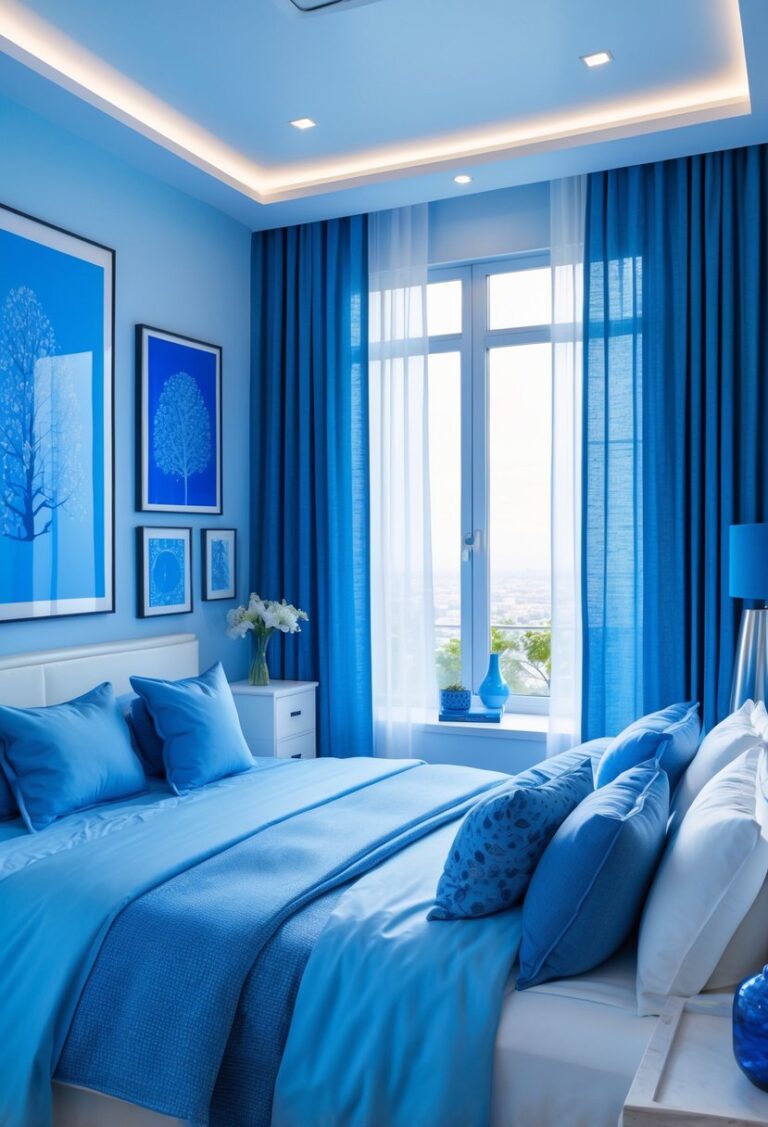
Soft blues and greens are calming and can help you unwind. Super bright colors—think red or neon orange—are more energizing and might make it harder to fall asleep.
Pick a color that matches your room and what you need: grounding shades for stability, cool tones if you want calm, and skip the high-voltage hues if you’re struggling to get good sleep.
What headboard materials are recommended for the best sleep energetics?
If you’re after a lighter, more breathable vibe, natural fabrics like linen or cotton blends are honestly hard to beat. They let air move a bit, and a lot of folks find they don’t collect as much dust or feel as heavy as those thick synthetics.
Wood is another favorite. There’s just something about a solid, well-made wooden headboard—it brings a sort of grounded, calm energy to the room. Feng Shui fans swear by it for the warmth and stability it adds. Just steer clear of jagged edges or obvious dings, since those can mess with the whole peaceful thing you’re going for.
Personally, I’d skip super shiny metals or anything with a glaring chrome finish right behind your head—they tend to feel cold and a bit aggressive, which isn’t exactly what you want when you’re trying to wind down. Heavy velvets or thick wool? They’re cozy, sure, but they can trap heat, so maybe only go there if you really love that plush feel and don’t overheat easily.