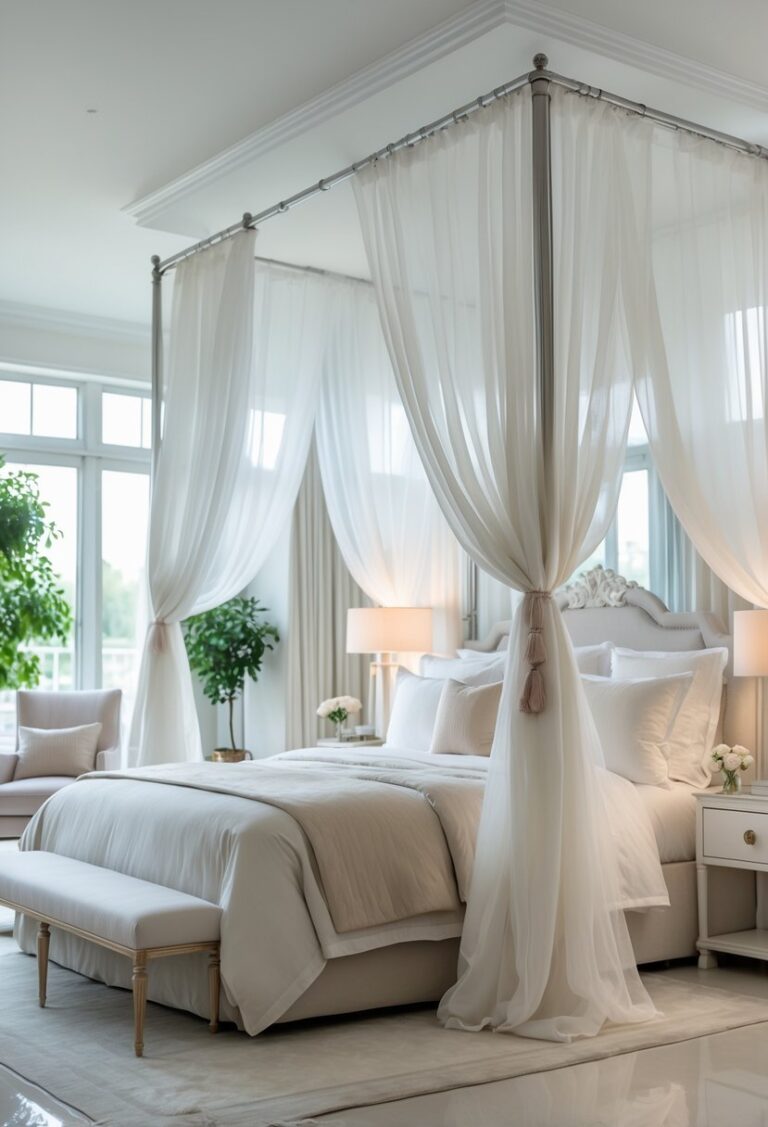
2026’s Cozy Forecast: Bedroom Trends That Master the Art of Hygge
Let’s be honest—you probably want a bedroom that feels calm, warm, and like your own little hideaway in 2026. Designers are all about soft textures, natural materials, and layered lighting, so your space actually helps you relax and sleep better. Hygge in 2026? It’s about building small comfort zones with tactile fabrics, warm tones, and smart lighting so your room feels like a place you really want to be—every single day.
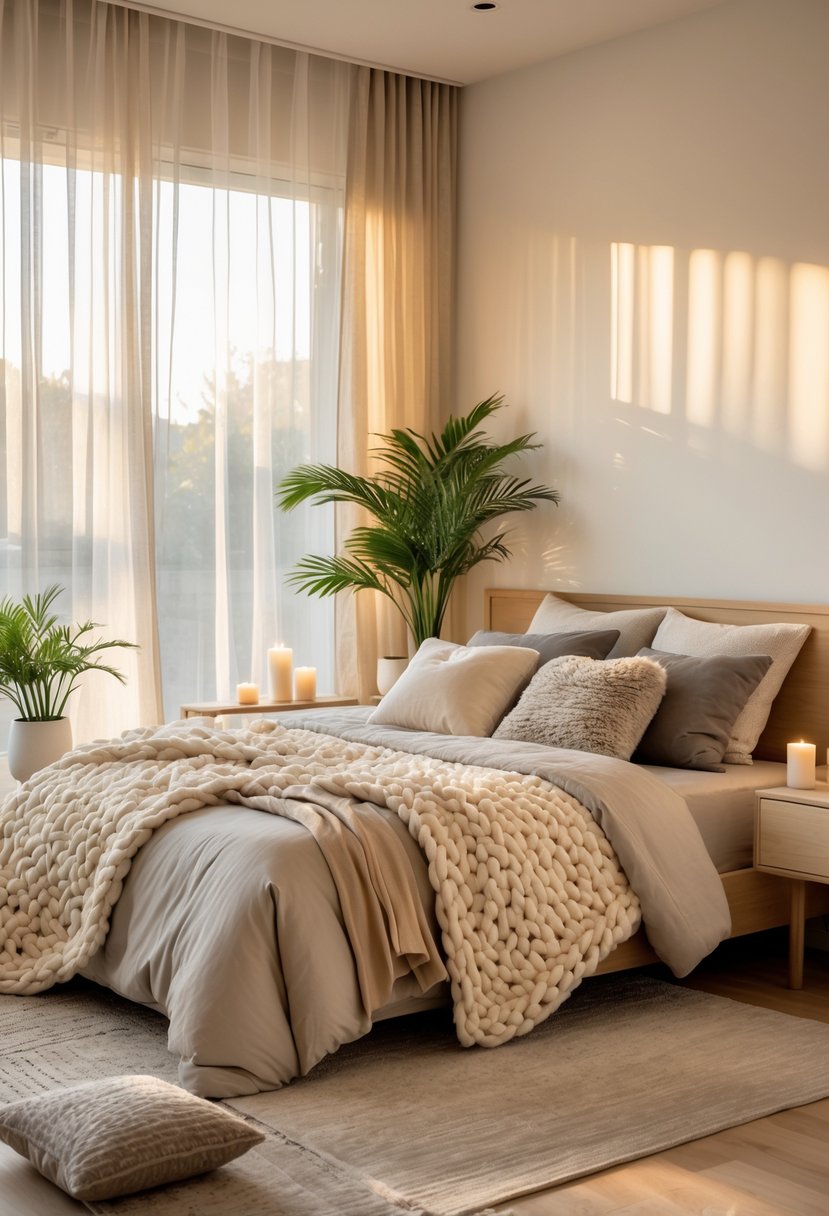
Here’s what’s going on with hygge right now, the main elements that matter, and some genuinely doable ideas for making your bedroom a better place to unwind. Nothing too fussy—just realistic moves you’ll actually use.
Defining Hygge in 2026 Bedroom Trends:
Hygge in 2026 is all about calm, touchable materials, layered lighting, and carving out cozy spots for different things you do. It’s comfort and personal meaning first: think natural textures, warm tones, and practical features that actually help you rest and feel better.
What Hygge Means for Modern Bedrooms:
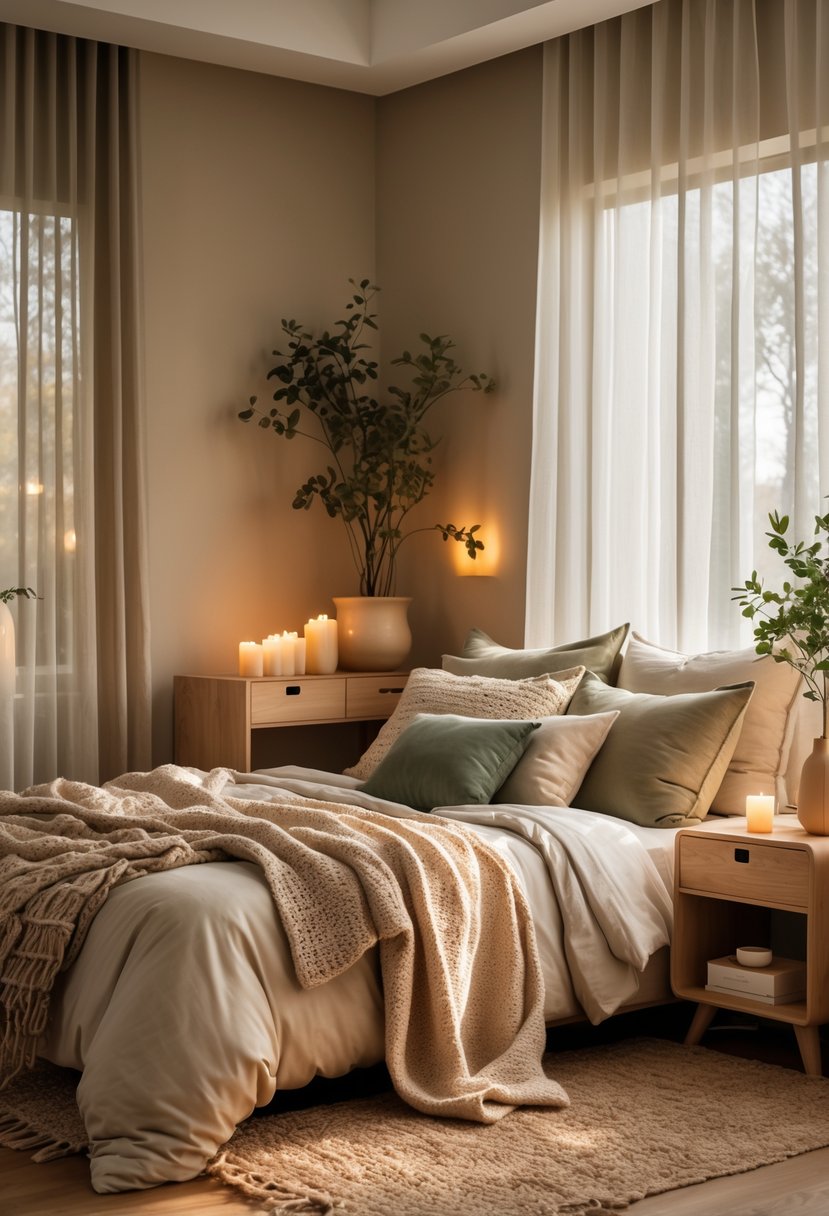
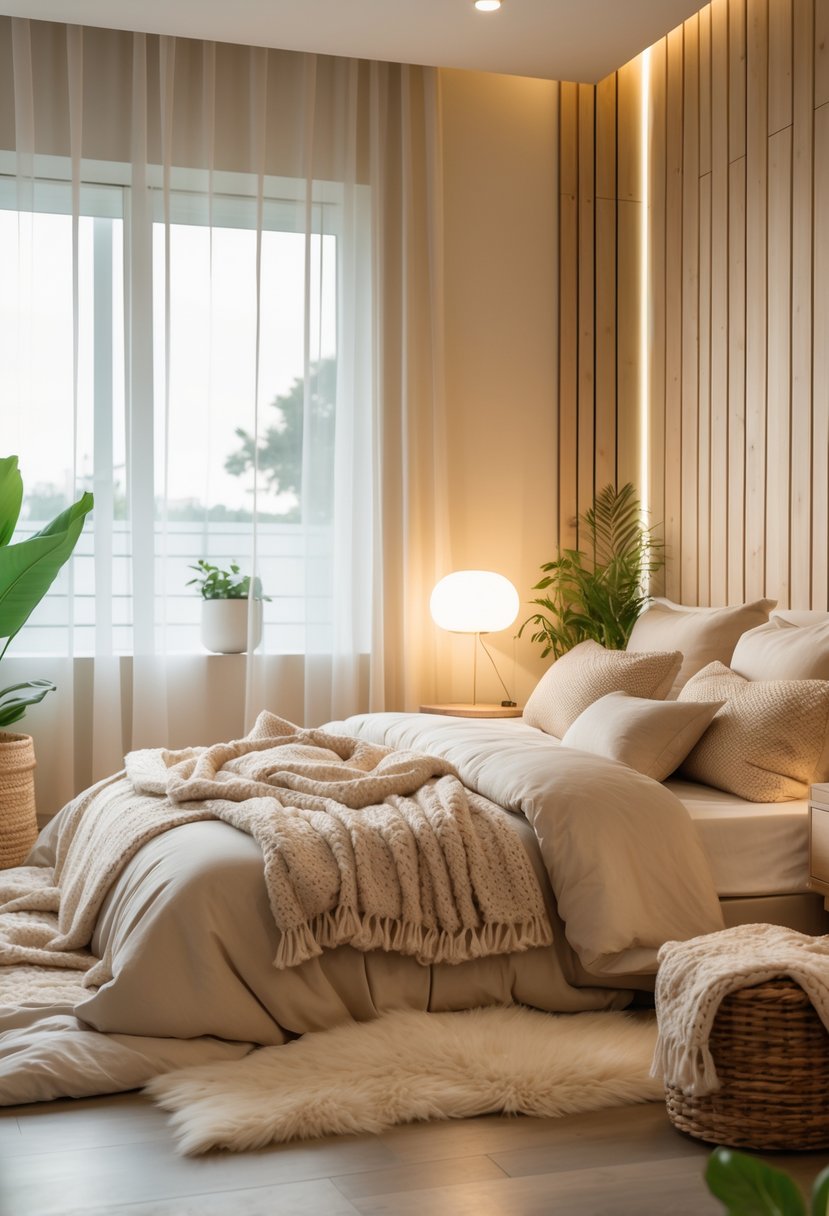
The idea now? Design a bedroom that really supports sleep, calm, and your daily rituals. In 2026, bedrooms lean into warm colors—muted ochres, soft terracottas, deep greens—soothing but not dull. Texture is huge: bouclé throws, linen bedding, and wool rugs make the space feel touchable and soften noise.
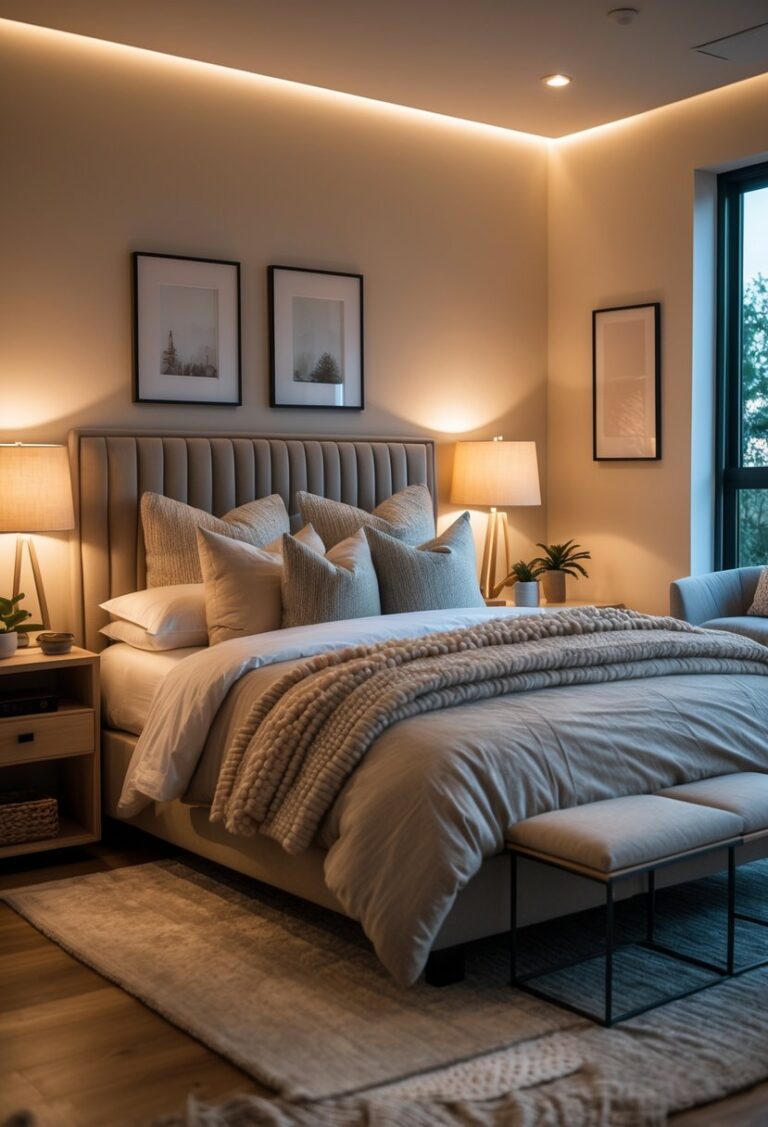
Lighting’s got to be layered: dimmable overheads, warm bedside lamps (2700K–3000K), and a reading light if you need it. Thick rugs, upholstered headboards, and soft curtains help with sound so you’re not hearing every little thing at night. Plants and natural wood finishes bring in a bit of outside and make the air feel fresher (even if it’s just in your head).
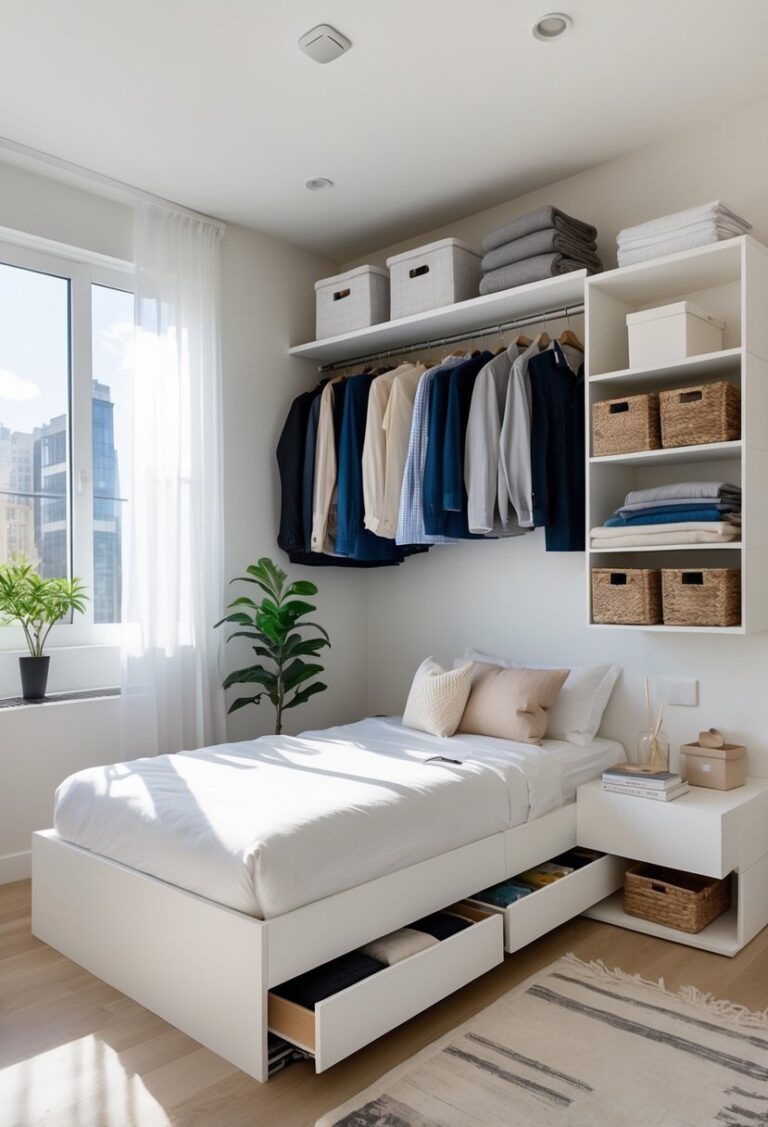
Smart storage keeps clutter out of sight, but you don’t need perfection—just a lived-in vibe that’s tidy enough to feel peaceful.
The Shift Toward Comfort and Emotional Wellbeing:
Designers are treating bedrooms like mini wellness zones in 2026. It’s all about the elements that really impact mood and sleep: blackout curtains, lighting that shifts with your day, and bedding that breathes. The goal is better sleep quality and less stress at night. Who wouldn’t want that?
Acoustic comfort is finally getting some love—rugs, wall hangings, and plush furniture help muffle noise. Even how you arrange stuff matters: a reading nook, a dim corner, somewhere predictable to chill. People are getting into scents, too—maybe a diffuser with a gentle essential oil, just enough to cue your brain it’s time to relax.
Most of these wellbeing features are subtle and practical. Nothing flashy. It’s more about what helps you actually rest, not just what looks good in photos.
Personalization and Authenticity in Bedroom Design:
Personal touches are what set apart 2026’s hygge bedrooms. People are mixing in vintage pieces, handmade ceramics, and a few books or photos that actually mean something—a personal story. Keeps the space from feeling like a catalog and adds that little spark of emotion you can’t buy in a box.
Color and texture are pretty personal, too. If you’re a night reader, maybe you want a velvet chair and a good lamp. If you’re a light sleeper, blackout shades and a cooling mattress are probably worth it. Custom storage and furniture that does double-duty make the room fit your life, not the other way around.
People are also thinking more about what they buy: sturdy, fixable stuff and secondhand finds over fast furniture. It just feels better—more real, more lasting, and way more “you.”
Key Elements of a Hygge-Inspired Bedroom:
This kind of bedroom leans hard on texture, warmth, and lighting that helps you actually rest. Natural materials and simple, comfy pieces work together for a vibe that’s both inviting and practical.
Textural Layers and Natural Materials:
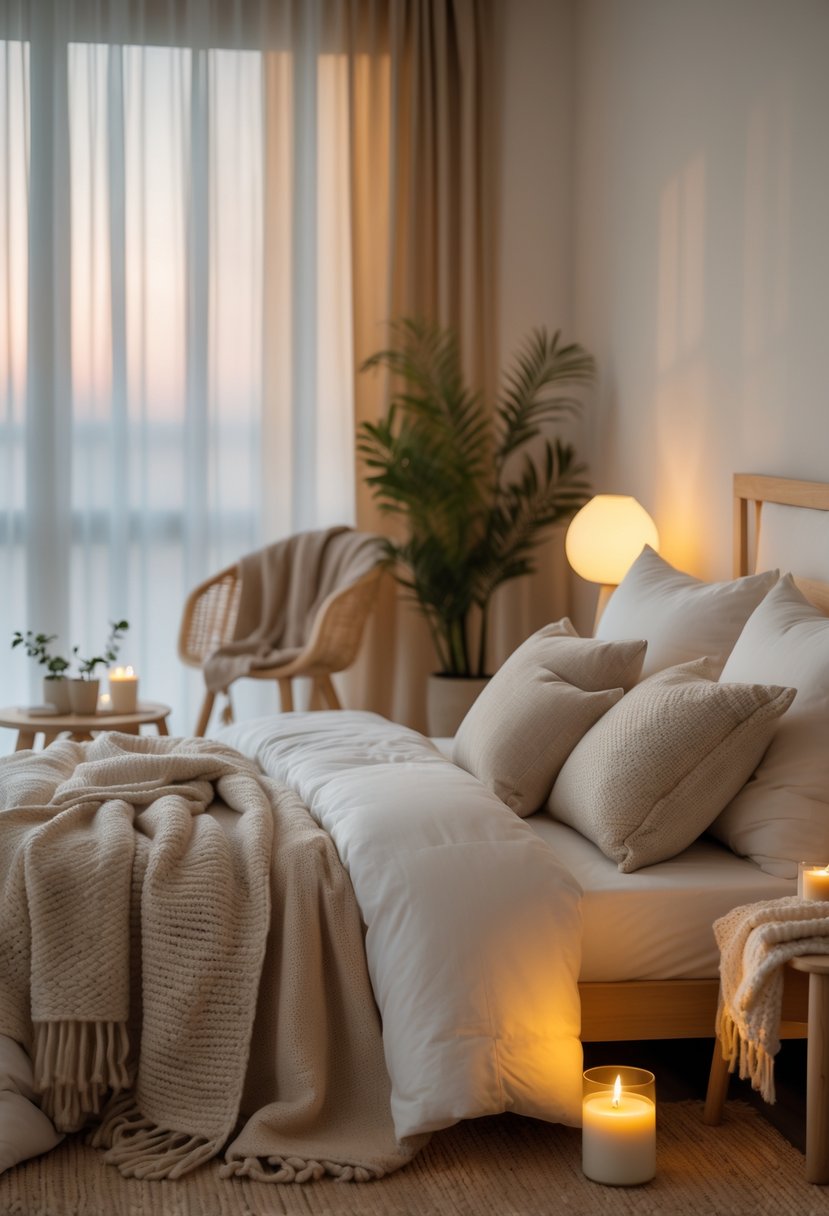
Heavier fabrics—wool rugs, bouclé throws—add weight and quiet things down. A wool rug by the bed, linen sheets, a thick wool blanket: it’s all about mixing cool and warm textures. Natural wood for beds and tables, rattan baskets for storage, and surfaces that can take a little wear and tear are in.
Pick textiles that are easy to clean and get better with age: washed linen, cotton duvets, and a wool-blend throw you can toss in the wash. Little things like a ceramic vase, leather handles, or a stone tray add interest without making it feel cluttered. Texture should make you want to reach out and touch—plus, it keeps the room quieter.
Warm and Earthy Color Palettes:
An earthy palette is where it’s at: olive, terracotta, clay, rust, and warm neutrals like cream and taupe. Paint an accent wall in olive or clay for depth, then keep bedding neutral—cream linen, taupe duvets—to balance things out.
Let color show up in your textiles and art instead of painting every wall. Rusty pillows, a cream throw, wooden frames—they add depth without making the room busy. Keep the big stuff neutral so it’s easy to tweak if (or when) your taste changes.
Lighting for Comfort and Mood:
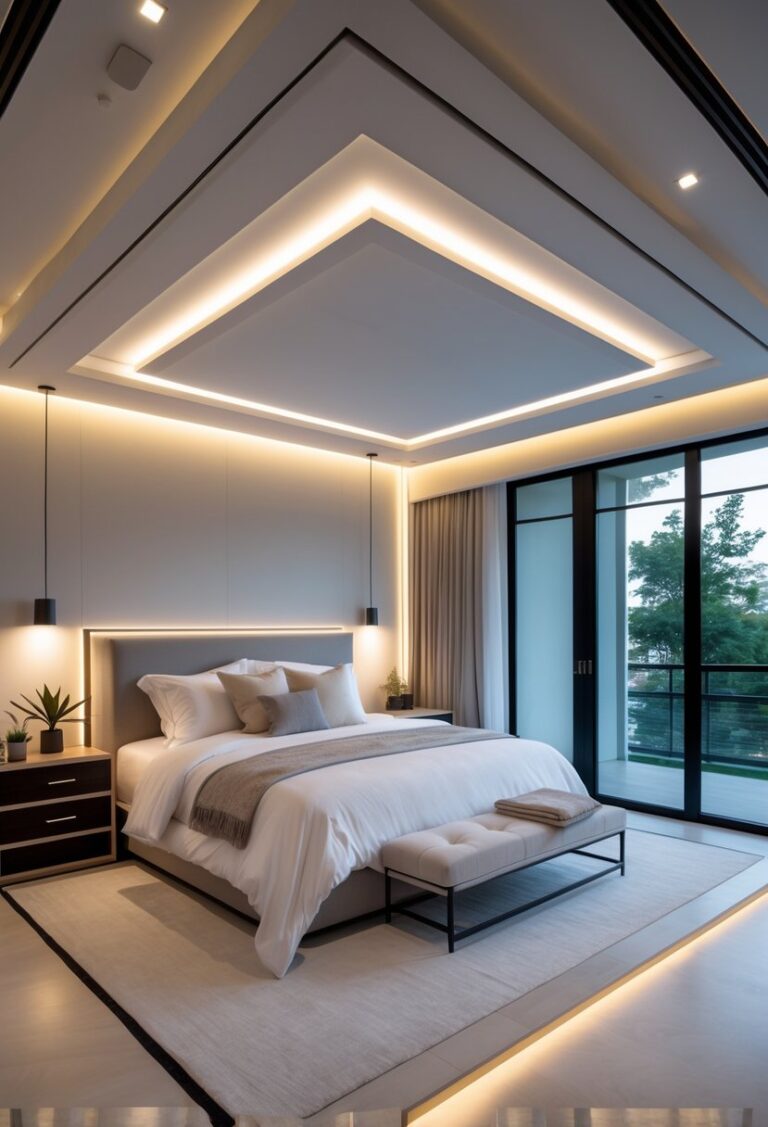
Lighting’s got to be layered. Overhead lights should be soft, with sculptural bedside lamps and a task lamp for reading. Stick to cozy color temps (2700K–3000K). Dimmers on the main light are a must, and if you can swing it, a cool-shaped pendant or textured lamp adds a little fun.
Put softer lights near spots you sit or read, and maybe add a night light for stumbling around at 2 a.m. Lamps with fabric shades keep things gentle, while a tiny directional lamp is perfect for focused tasks. You want different zones for waking up, working, or just zoning out.
Frequently Asked Questions:
Here’s the lowdown on 2026 bedroom color trends, easy hygge upgrades, and the latest bedding textures. These answers cut to the chase with colors, materials, and small changes that make a real difference.
What colors are dominating bedroom design trends in 2026?
Designers are loving warmer, earthy tones for 2026. Think terracotta, olive green, muted mustard, and deep clay.
Soft neutrals are still key. Warm beiges, taupes, creamy off-whites—they pair with those richer shades for a layered feel.
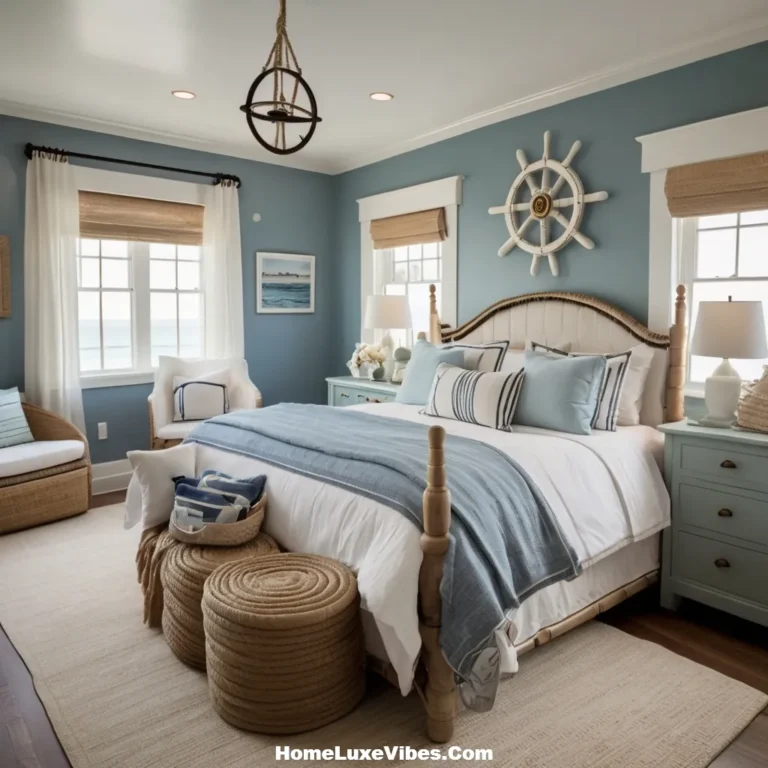
Nature-inspired accents are in. Deep forest greens and ocean blues show up on trim, headboards, or a single wall.
And don’t forget a touch of warm metallic—brushed brass or matte gold hardware adds warmth without going flashy.
How can I incorporate hygge elements into my bedroom decor for 2026?
Start with lighting: layer warm lights (2700K–3000K) and use dimmers. Bedside lamps, wall sconces, a chill overhead—mix it up.
Add texture you want to touch: bouclé throw, linen curtains, a wool rug by the bed. Choose furniture that’s comfy and actually fits your space (no oversized beds if you can’t walk around them!).
Create little zones: a reading corner with a soft chair and lamp, a spot for your books and a mug. A plant or two for air and a couple of personal objects—photos, a favorite book—make it feel like yours.
Go for durable, sustainable pieces. Solid wood, washable fabrics, and things that last beat fast, disposable decor every time.
What are the latest trends in bedding and textiles for a hygge-inspired bedroom?
It’s all about texture these days, honestly. Think bouclé, brushed cotton, washed linen, or those nubby wools—showing up in everything from quilts to throws to cushions. Patterns? Not so much. Texture wins.
Layering is key if you want that cozy, flexible vibe. Start with a fitted sheet, toss on a breathable middle layer (linen or cotton works great), then maybe a heavier throw or blanket for chilly nights. No need to overthink it.
Natural fabrics are definitely having a moment. Organic cotton, flax linen, wool blends—they’ve got that relaxed, lived-in look and honestly, they’re just easier to care for. High-maintenance, delicate fabrics? Probably not worth the hassle.
When it comes to color, bedding tends to echo the rest of the room. A neutral base sheet paired with a richer-colored throw or pillow is usually enough to tie everything together, without making things look busy. Simple, but it works.