Dreaming of a Calm Bedroom? Your Step-by-Step Guide for a Peaceful New Year
So, you’re rolling into the new year with a mission: you want a calm bedroom that actually helps you sleep, think, and just feel better. Here’s a bunch of simple tweaks that genuinely work — think soothing colors, less clutter, and cozy lighting and textures that make the space feel restful and, well, like it’s really yours.
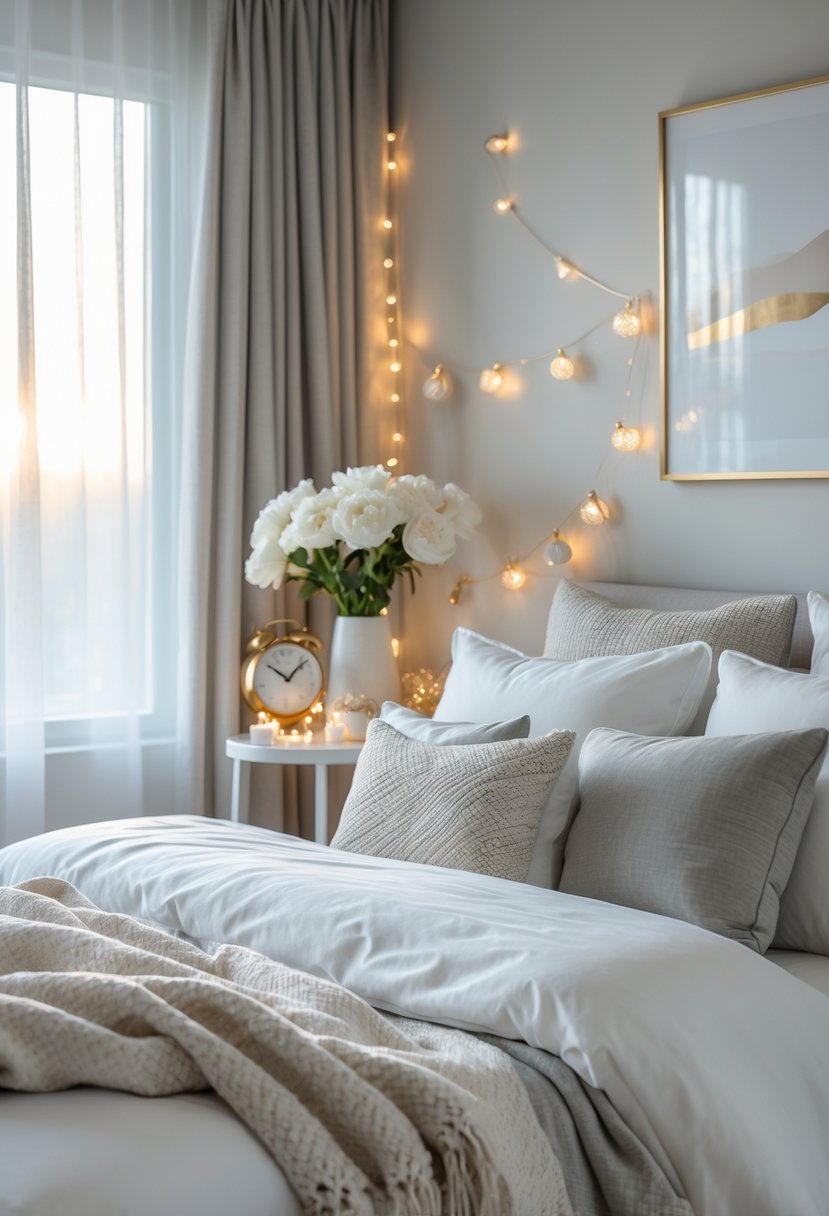
Just a few practical changes and you’ll have a bedroom that’s actually quiet, stable, and ready to help you get some real sleep and wake up feeling less frazzled. Let’s get into the basics of a calm bedroom, some details that boost comfort, and a few answers to questions people always have, so you can start the year with a space that really supports you.
Foundations Of A Calm Bedroom For The New Year:
Honestly, making a bedroom calm isn’t rocket science. Pick a soothing color scheme, cut down on the visual chaos, and invest in bedding that feels inviting. The little choices—paint, texture, layered linens—all add up to a steady vibe when you wind down at night.
Choosing Calming Colors And Soft Textures:
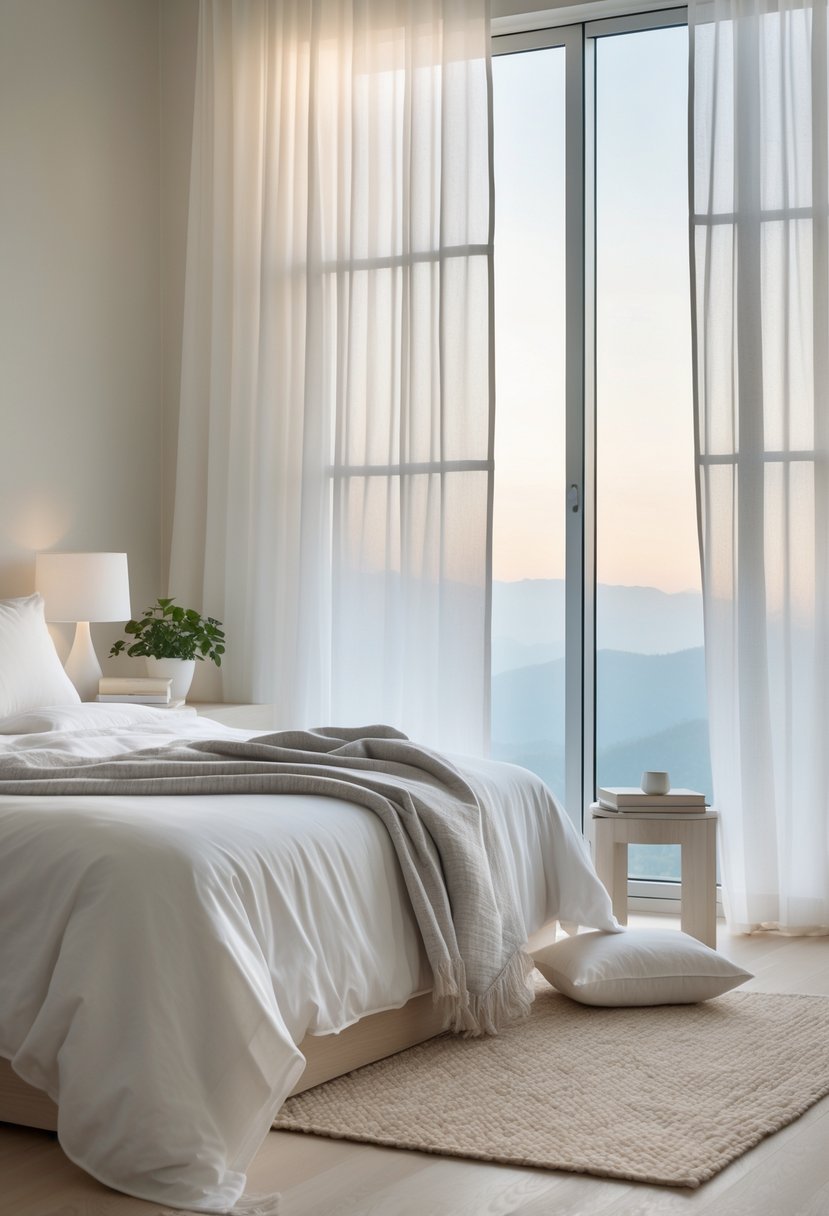
Go for muted tones that don’t shout at you. Soft blues, sage greens, taupe, and cream are easy on the eyes and help the room feel peaceful. Stick to one main wall color and maybe a lighter or darker shade for trim or bedding—it keeps things feeling pulled together, but not boring.
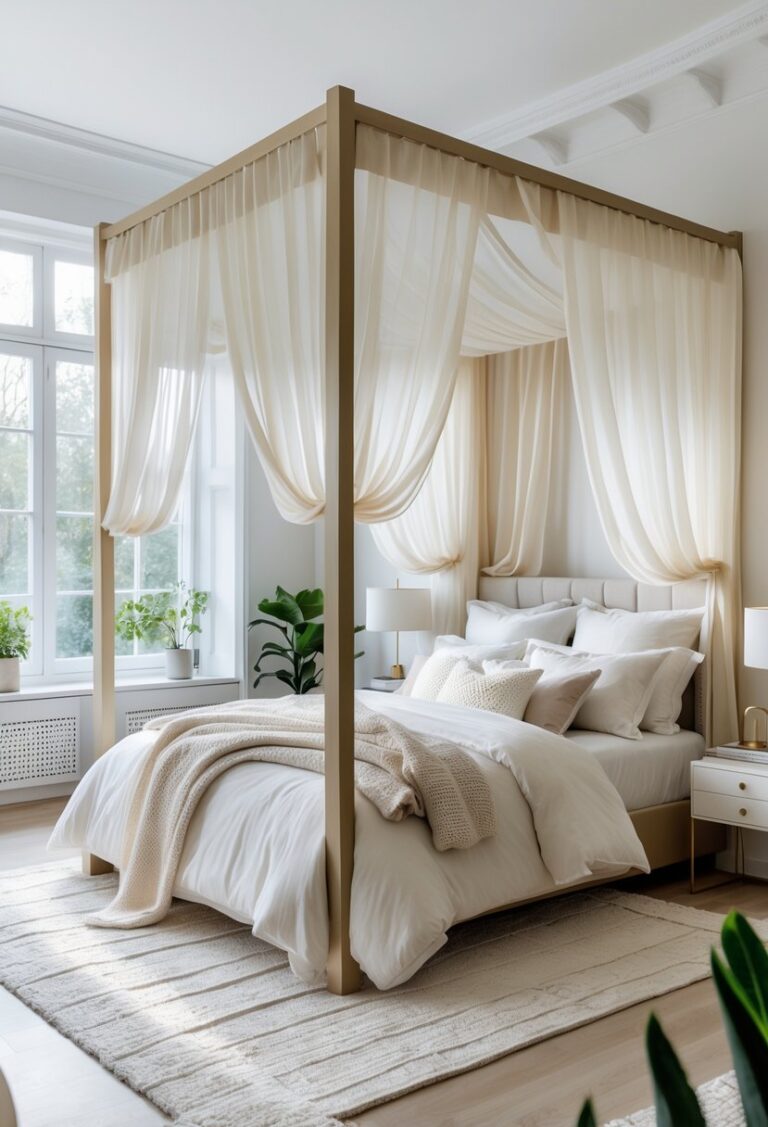
Textures are just as important as color, if not more. Think linen or cotton curtains, a woven rug, and matte-finish furniture—these soak up light and keep things from looking harsh. If you’re into patterns, keep them minimal: maybe one print on the wall or a single throw pillow. Too much and the room starts to feel busy, which is the opposite of calm.
Here’s a tip: slap some paint samples on a 2×2-foot patch and see how they look in the morning and at night. Lighting can totally change a color, and nobody wants a wall that glows the wrong way after dark.
Minimalism And Decluttering Strategies:
Less stuff, less stress. Clear off surfaces—just a lamp, maybe a tray for your book or glasses, and one small decorative thing per nightstand. When floors and walkways are open, you move easier and your brain seems to follow suit.
Try clever storage like under-bed drawers, a low dresser, or a bed with built-in cubbies to hide off-season clothes or spare sheets. If you buy something new, send something old out—keeps things from piling up.
A quick 10-minute tidy-up at night (fold the throw, fix pillows, put away laundry) keeps messes from getting out of hand. It’s not glamorous, but it works—and you won’t wake up to chaos.
Refreshing Bedding And Layering Throws:
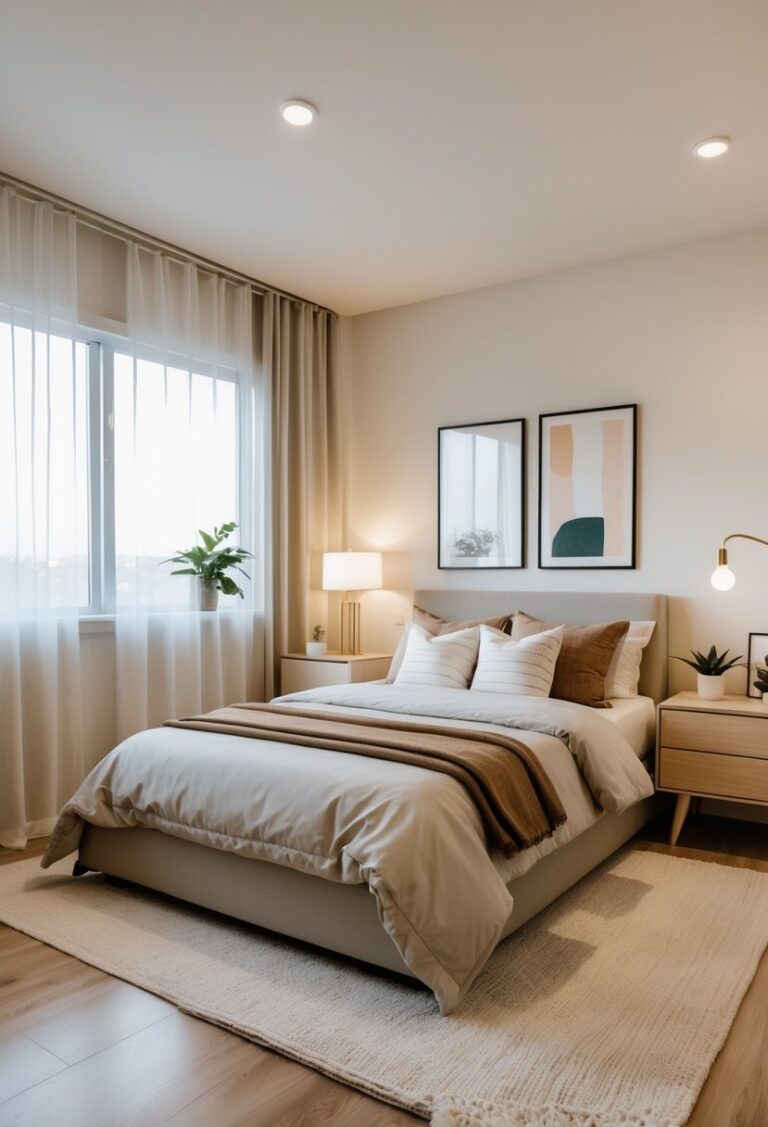
Start with breathable sheets—cotton percale or linen if you can swing it. Fitted sheet, flat sheet, and a duvet with a simple, muted cover are a solid foundation. Grays and creams work for just about everyone and don’t clash with anything.
Layering is where things get cozy: drape a lightweight throw at the foot, add a couple of accent pillows near the headboard. Mix up the textures—maybe a smooth pillowcase, a chunky knit throw, and a linen duvet. It keeps things interesting but not cluttered.
Make sure your throws are actually useful. One for warmth, one smaller one for looks (and easy to move if it’s in the way). Wash your bedding regularly and swap out sad, flat pillows for fresh ones. It makes a bigger difference than you’d think.
Details That Enhance Serenity And Comfort:
Little tweaks—lighting, soft textures, a plant or two—can totally shift the mood. A warm lamp, a pile of pillows, or a small plant makes it easier to relax and keeps things feeling fresh, even as the year changes.
Lighting: Creating A Peaceful Ambiance:
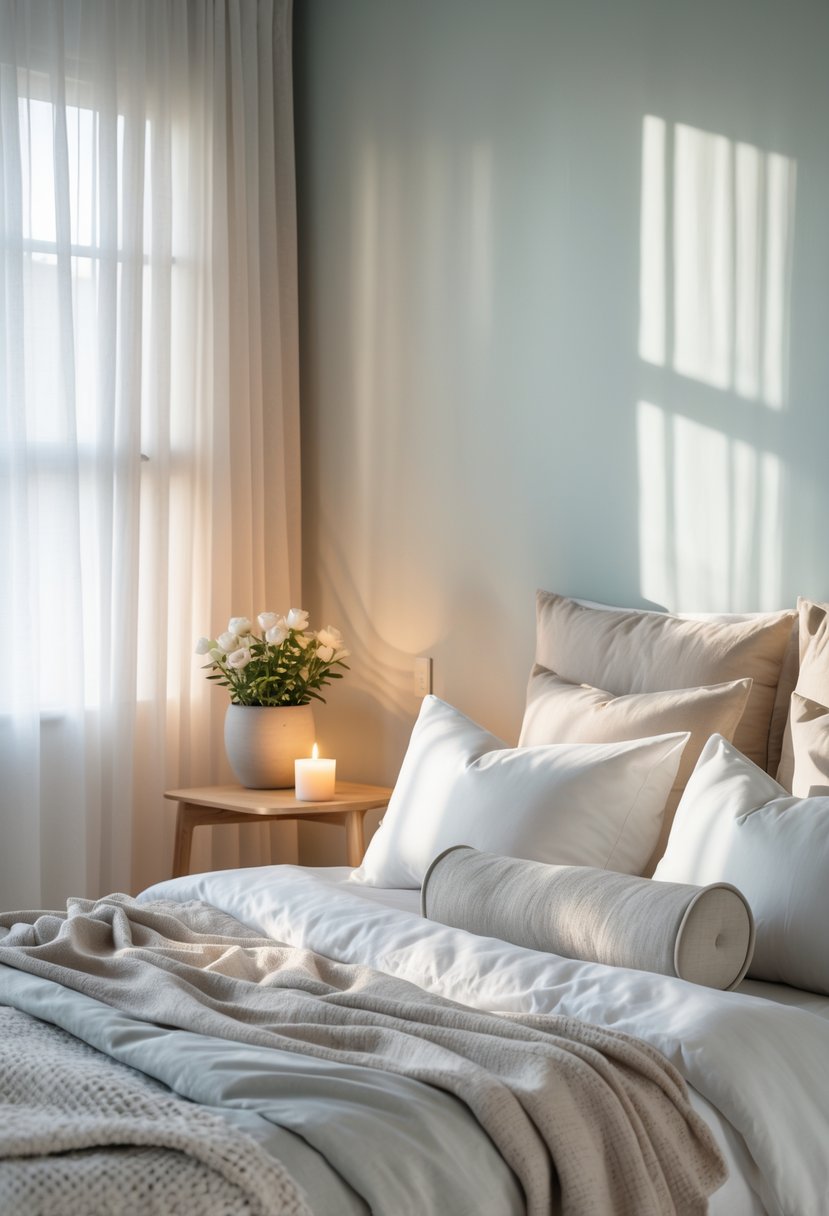
Skip the harsh overheads. Go for warm, layered lighting. Put a lamp with a fabric shade on each side of the bed—great for reading, and not blinding at night. Bulbs around 2700K give off that soft, golden glow that just feels right.
Maybe add a floor lamp or some string lights in a corner for a cozy reading spot. A dimmer switch on the main light is a game-changer: you can go bright in the morning, then dial it down for bedtime. Battery LED candles or small lamps with warm bulbs are nice for a nightlight vibe, and you don’t have to stress about safety.
Small Decor Updates For Coziness:
No need to redo everything—just swap out a few things. Try bedding in soft neutrals, layer a quilt or duvet, and toss a textured throw at the end of the bed. For pillows, three’s a good number: two regular, one lumbar. Looks put together but not overdone.
If you want to play with color, a removable wallpaper or painted accent wall behind the bed in sage or dusty blue can add interest without being a huge commitment. A small bench or pouf can double as seating or a spot for your blanket. Keep surfaces simple—a tray on the dresser, a tidy nightstand—and the room instantly feels calmer.
Adding Greenery And Personal Touches:
Plants are a win: they clean the air and make the room feel alive. Pothos is easy—hang it near a window or pop it on a shelf, and it’ll survive even if you forget it for a week. Matching little plants on each nightstand look fresh and balanced.
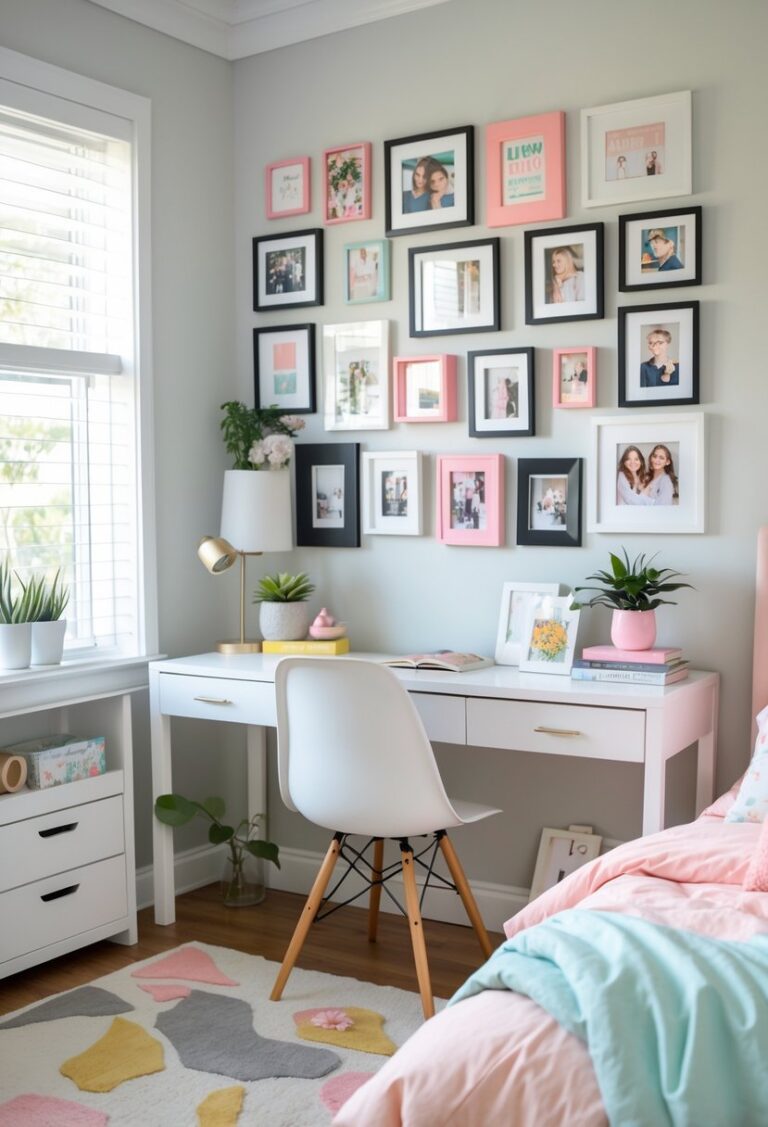
Personal touches help, too. Maybe a framed quote, a small lavender diffuser, or a shelf with just a few things that mean something to you. If you’ve got space, a chair and side table by the window make a nice reading nook for quick, quiet breaks.
Frequently Asked Questions:
Here’s where you’ll find specific color ideas, some easy Feng Shui tips, and quick ways to add good energy with paint and accents. Each answer’s got practical hues and simple steps to try for a calmer night.
What colors promote tranquility in a bedroom setting?
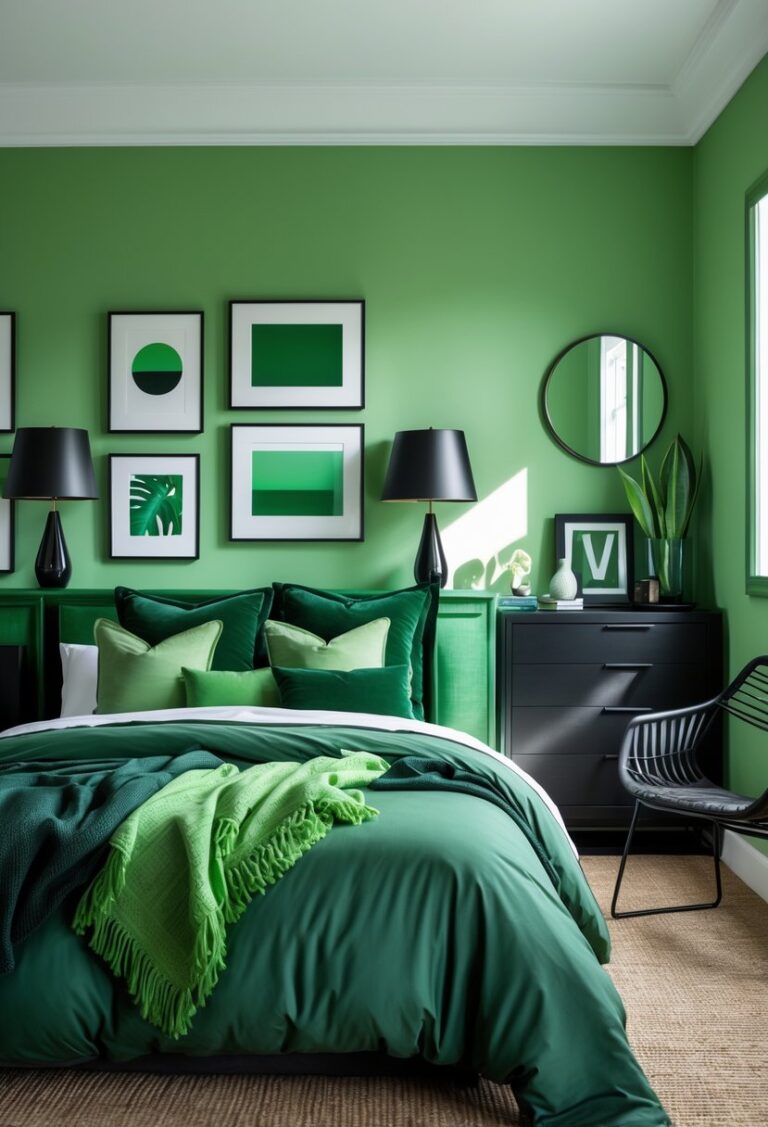
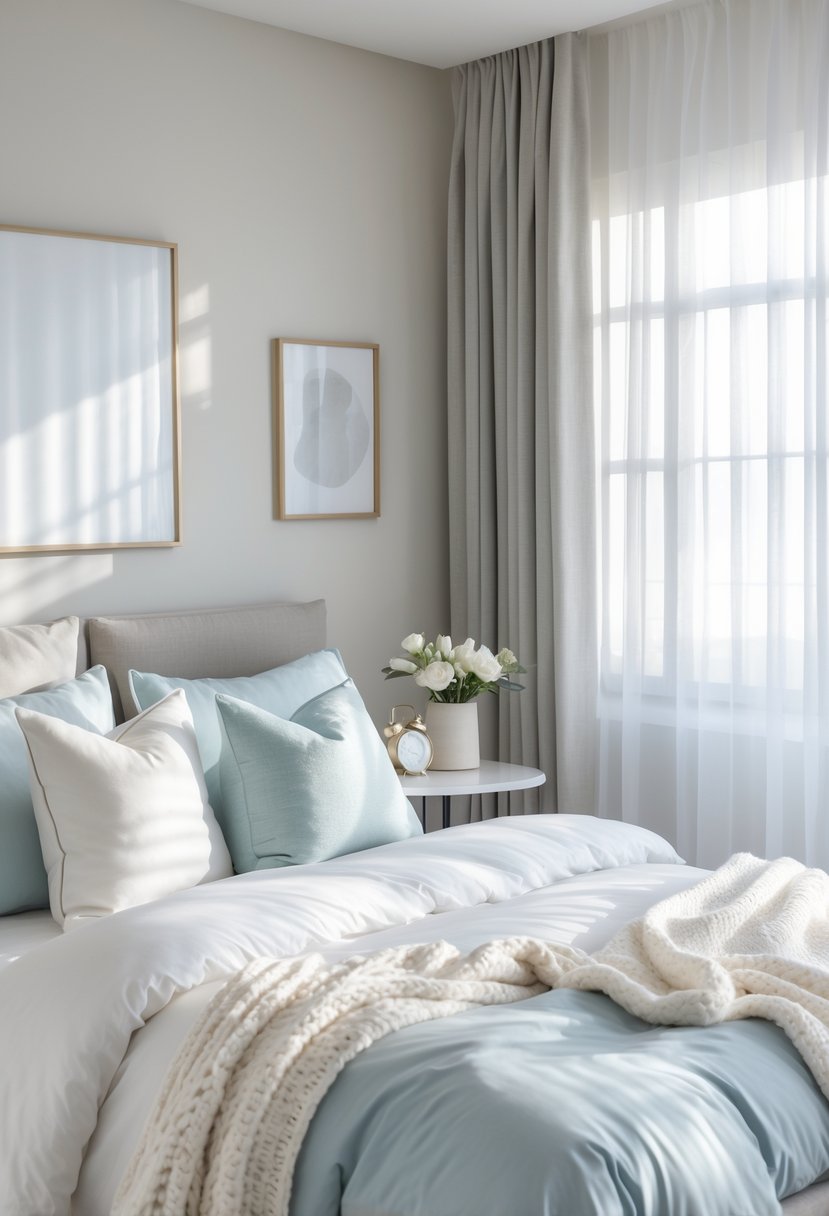
Soft blues—like sage or powder blue—are calming and help dial down visual noise. Pale greens (think mint or seafoam) make the room feel peaceful and natural, but don’t take over.
Warm neutrals (beige, warm gray, greige) set a restful backdrop and work with lots of textures. Use them for big stuff like walls or the headboard, and let your pillows or a throw bring in the color if you want.
Steer clear of super-bright or high-contrast colors—neon or bold reds on the walls are more “wake up” than “wind down.” If you love bold, keep it to a small accent or two, like a piece of art or one cushion.
Which Feng Shui colors are recommended for a soothing sleeping space?
Earthy shades—warm beige, soft terracotta, muted ochre—are grounding and stable, which Feng Shui folks say is good for sleep. Use them near the bed or on the floor and lower walls.
Water-inspired colors like deep navy or soft aqua are calming but can get overwhelming if you go overboard. Try them on an accent wall or in bedding for balance.
Metallics or pale whites and light grays fit the Feng Shui vibe for clarity and flow. Bring them in with lamps, picture frames, or light fixtures to bounce gentle light and keep things chill.
How can one incorporate positive energy into bedroom color selection?
Honestly, it’s hard to go wrong if you start with one dominant calm color on the walls—something you actually want to wake up to. Then, layer in a couple of complementary shades: maybe one for your bedding, another for little accents here and there. It just feels more inviting, and you don’t end up with a space that’s visually overwhelming.
I’d say don’t overlook natural textures and a bit of greenery, either. Linen or cotton fabrics, plus a single low-light houseplant, can really lift the mood without making things look busy. When it comes to color transitions, keeping everything within a similar lightness just makes it all flow together without any jarring spots.
And here’s a tip: test your colors in the actual room, at different times of day. Throw some paint swatches up on a few walls, check them out in the morning and again when the sun’s going down. You’ll probably notice one color just feels better, more restful, and that’s the one you’ll want to stick with.